

Antique Parlour Side Tables
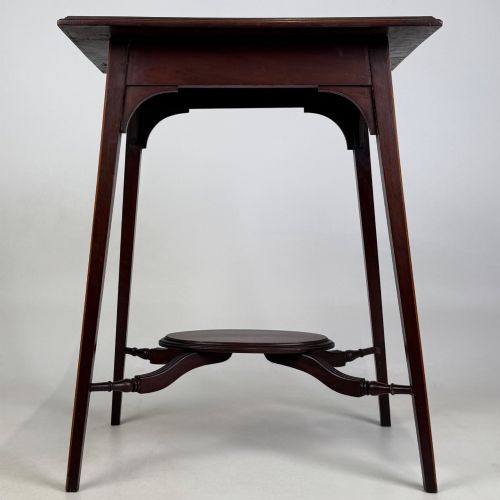
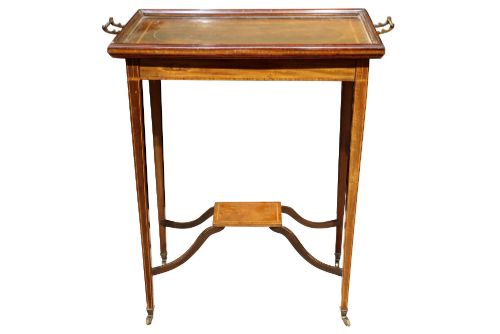
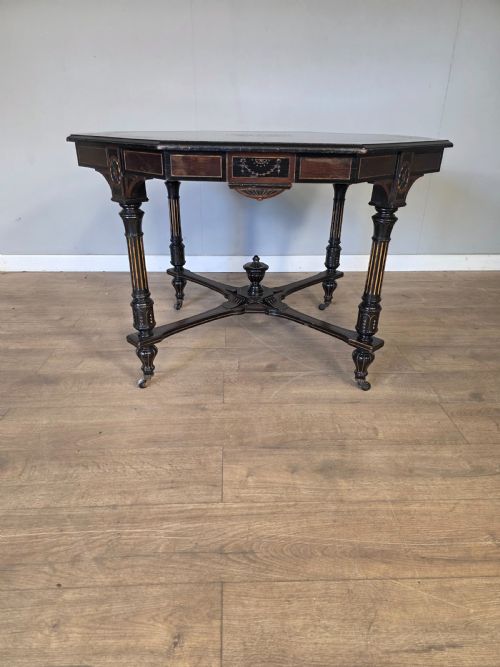
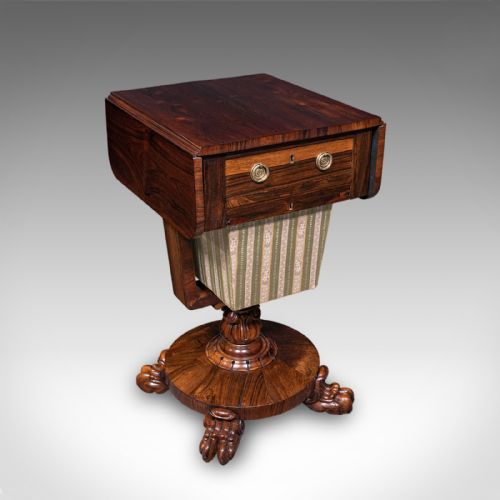
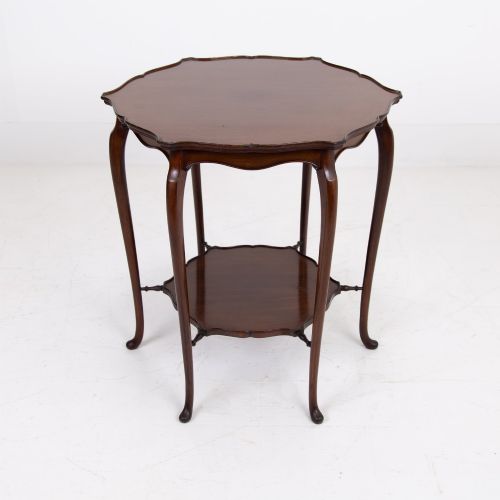
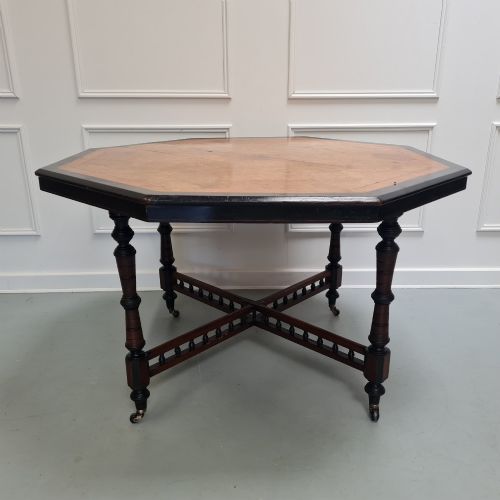
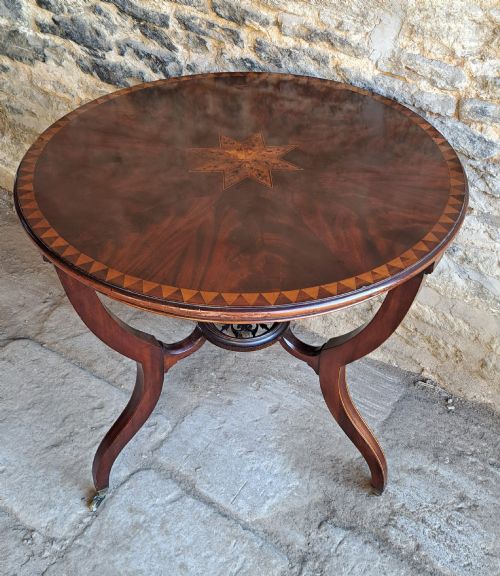
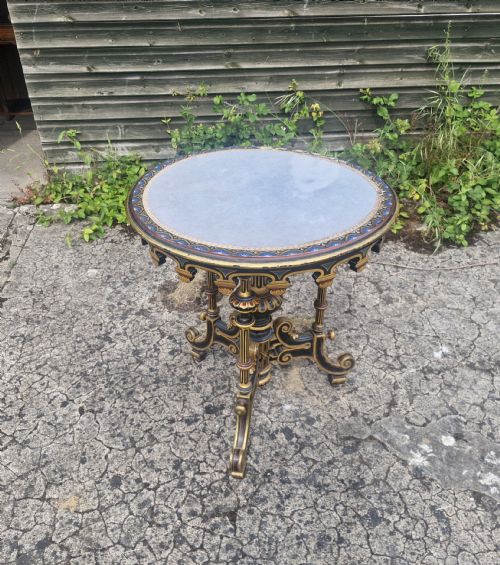
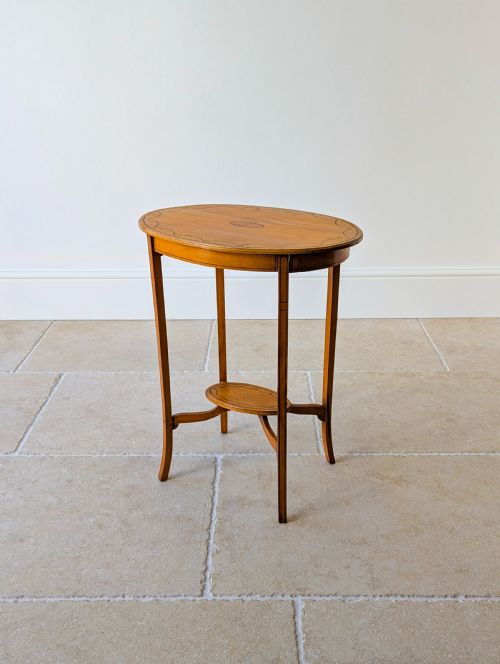
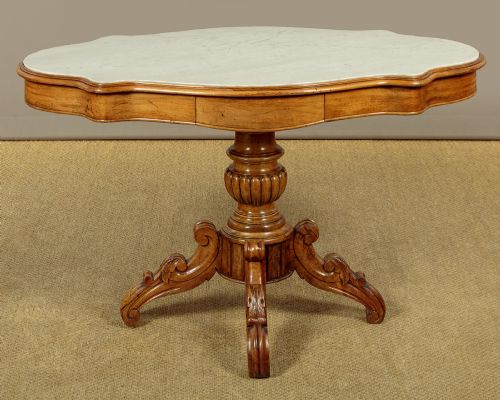
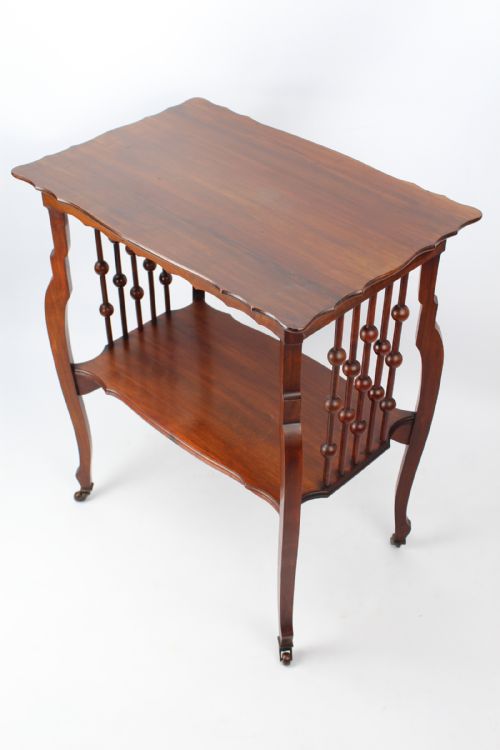
These antique parlour side tables bring formal Victorian and Edwardian reception rooms to life with practical surfaces and rich timber. You are looking at a selection of occasional, centre, and card tables designed for the drawing room.
Antique Parlour Side Tables
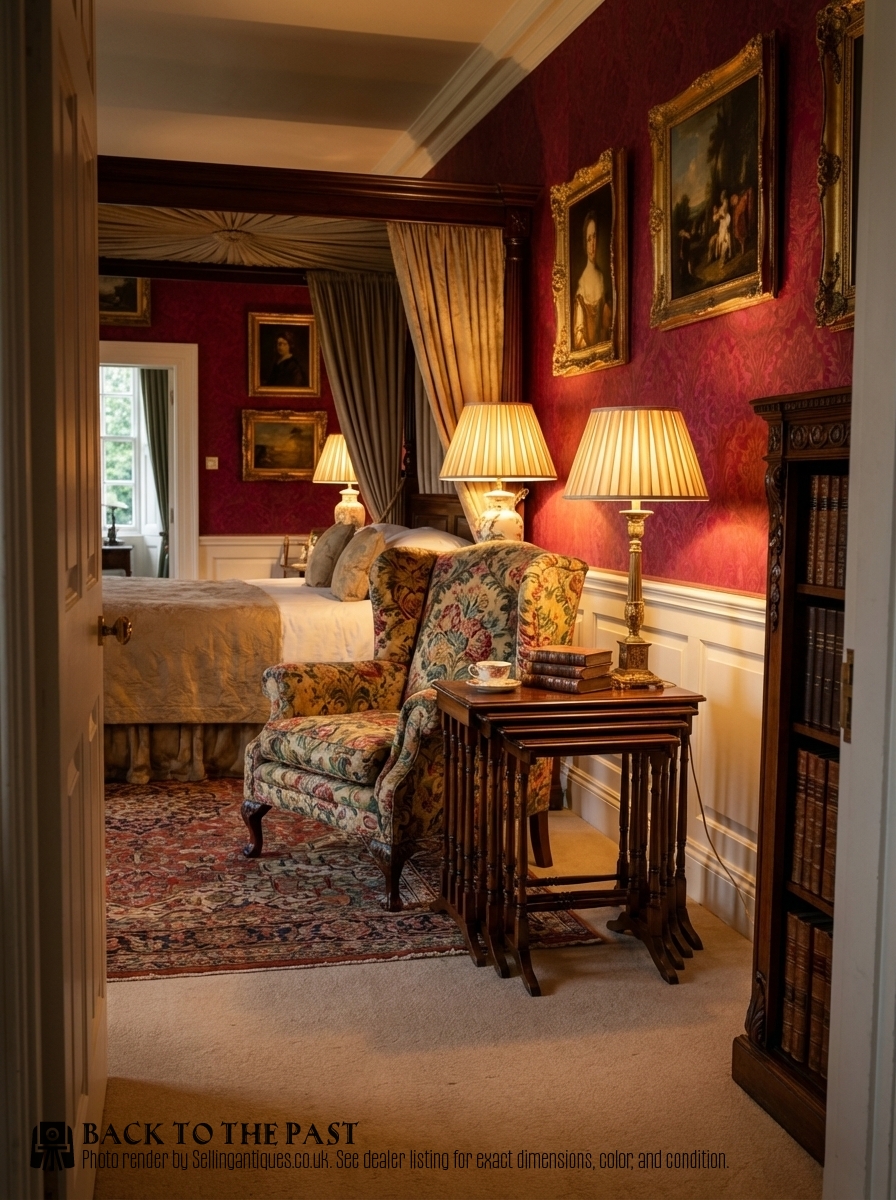
When you search for antique parlour side tables, you encounter versatile pieces created to sit in drawing rooms, boudoirs, and reception spaces during the nineteenth and early twentieth centuries. The selection spans compact occasional pieces to larger centre tables, often adapted for serving tea, playing cards, or holding decorative ornaments.
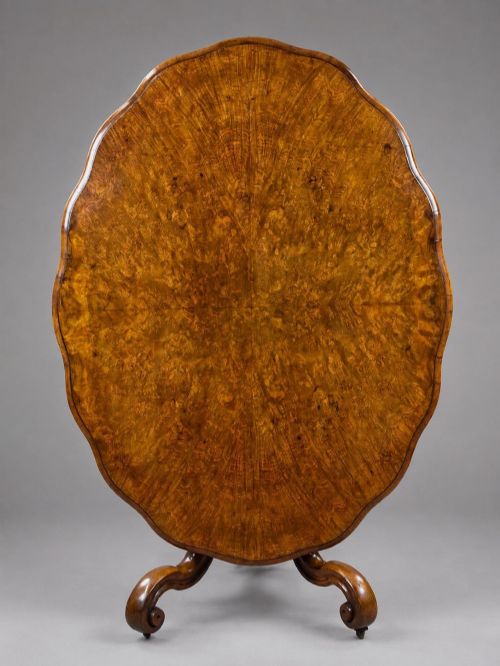
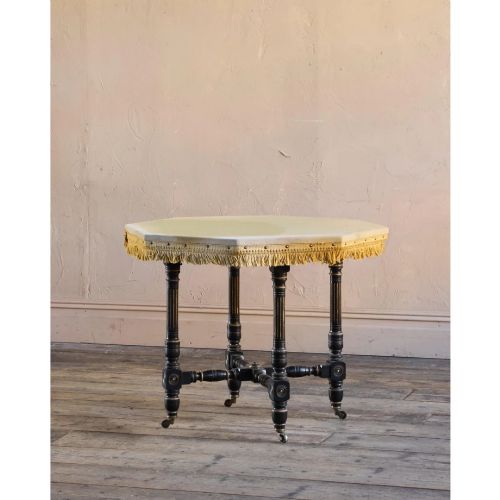
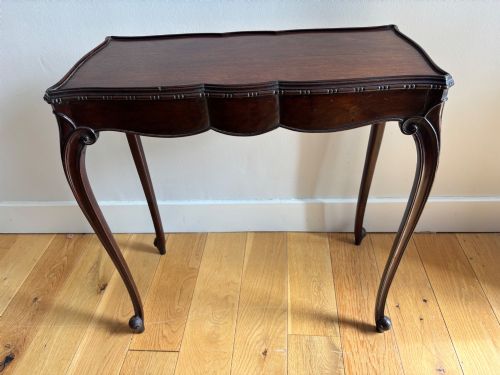
The pieces appearing on this page date predominantly from the Victorian and Edwardian eras, alongside a smaller number from the William IV period. You will find square, oval, octagonal, and hexagonal formats, frequently standing on turned legs, cabriole supports, or multi-legged frames.
Makers and workshops produced these items to serve social functions within the Victorian home, resulting in specialised forms such as tray tops, two-tier tiers, tilt tops, and folding card tables. Their proportions suit modern living spaces while retaining the specific character of late nineteenth-century interior design.
Materials and construction methods
Cabinet makers utilised dense hardwoods including mahogany, walnut, rosewood, and satinwood, often applying veneers to achieve striking surface grains. Inlays of boxwood and marquetry decorate many Edwardian and Victorian examples, while brass, ormolu, and gilt bronze mounts accent French-influenced designs.
Structural integrity relied on traditional joinery methods combined with turned wooden supports, hand-carved foliate details, and marble inserts. Drop leaves, folding mechanisms, and tilt-top actions required precision hardware to function smoothly over decades of daily drawing room use.
Several tables feature zodiac carvings and tarot motifs, reminding us that Victorian drawing rooms doubled as venues for occult experimentation.
Judging the standard of workmanship
Quality in these tables rests upon the selection of timber veneers, the crispness of hand-carved details, and the precision of inlaid woodwork. Superior examples exhibit tightly fitted joints, stable pedestal bases, and balanced proportions across multi-legged or tier constructions.
The distinction between standard commercial output and finer workshops lies in secondary details like cast brass mounts, bevelled edges, and intact marquetry. Pieces displaying thoughtful timber matching and solid framing maintain their stability and aesthetic appeal far better than simpler factory-made alternatives.
A Hindley and Sons
The Antique Parlour Side Tables Glossary
- Occasional table
- A small, movable table designed for no single specific purpose, frequently placed beside chairs or against parlour walls for holding books and small items.
- Centre table
- A larger freestanding table intended to occupy the middle of a room rather than sit against a wall, accessible from all sides.
- Marquetry
- Decorative patterns formed by fitting together thin veneers of wood, ivory, or shell onto a structural carcass.
- Ormolu
- Gilt bronze ornamentation cast and chased, commonly applied to French-style nineteenth-century furniture as mounts and feet.
- Tilt top
- A tabletop hinged to its pedestal base so it can be tipped vertically and stored flat against a wall when not in use.
Antique Parlour Side Tables: Frequently Asked Questions
What is the difference between an occasional table and a centre table?
Occasional tables are compact and portable, intended to be moved easily around a parlour or placed next to seating for temporary use. Centre tables are larger, heavier, and built to stand in the middle of a room as a principal decorative focus.
While occasional tables prioritize utility and lighter timber construction, centre tables often feature elaborate carving, marble tops, or extensive marquetry designed to be viewed from every angle.
How do I distinguish Edwardian tables from Victorian ones?
Victorian tables typically feature darker timbers like burr walnut and mahogany, accompanied by heavier carving, robust turnings, and rich, deep finishes. Edwardian pieces tend to display lighter satinwood, rosewood, or inlaid mahogany with a more delicate and restrained aesthetic.
Edwardian furniture often embraces revival styles of earlier centuries, whereas Victorian design frequently experiments with heavier gothic, aesthetic, or grand proportions.
Were these tables actually used for card games in parlours?
Many parlour tables incorporated folding or swivel tops specifically designed to accommodate card games, tea service, or writing. Tables designated as card or supper tables featured baize-lined surfaces or folding mechanisms to transform quickly from console surfaces into functional gaming tables.
Wealthy households relied on these convertible pieces to save space and adapt reception rooms for evening entertainment and social gatherings.
How should I care for antique mahogany and walnut tables?
Keep wooden tables away from direct sunlight and heat sources to prevent timber warping and veneer cracking. Regular dusting with a soft, dry cloth maintains the polish without building up waxy residues.
Applying a quality furniture wax sparingly once or twice a year helps nourish the timber and protect the historical finish from drying out.