
Antique Park Bench
An antique park bench brings heavy industrial strength and natural timber together to anchor an outdoor space with genuine period character.
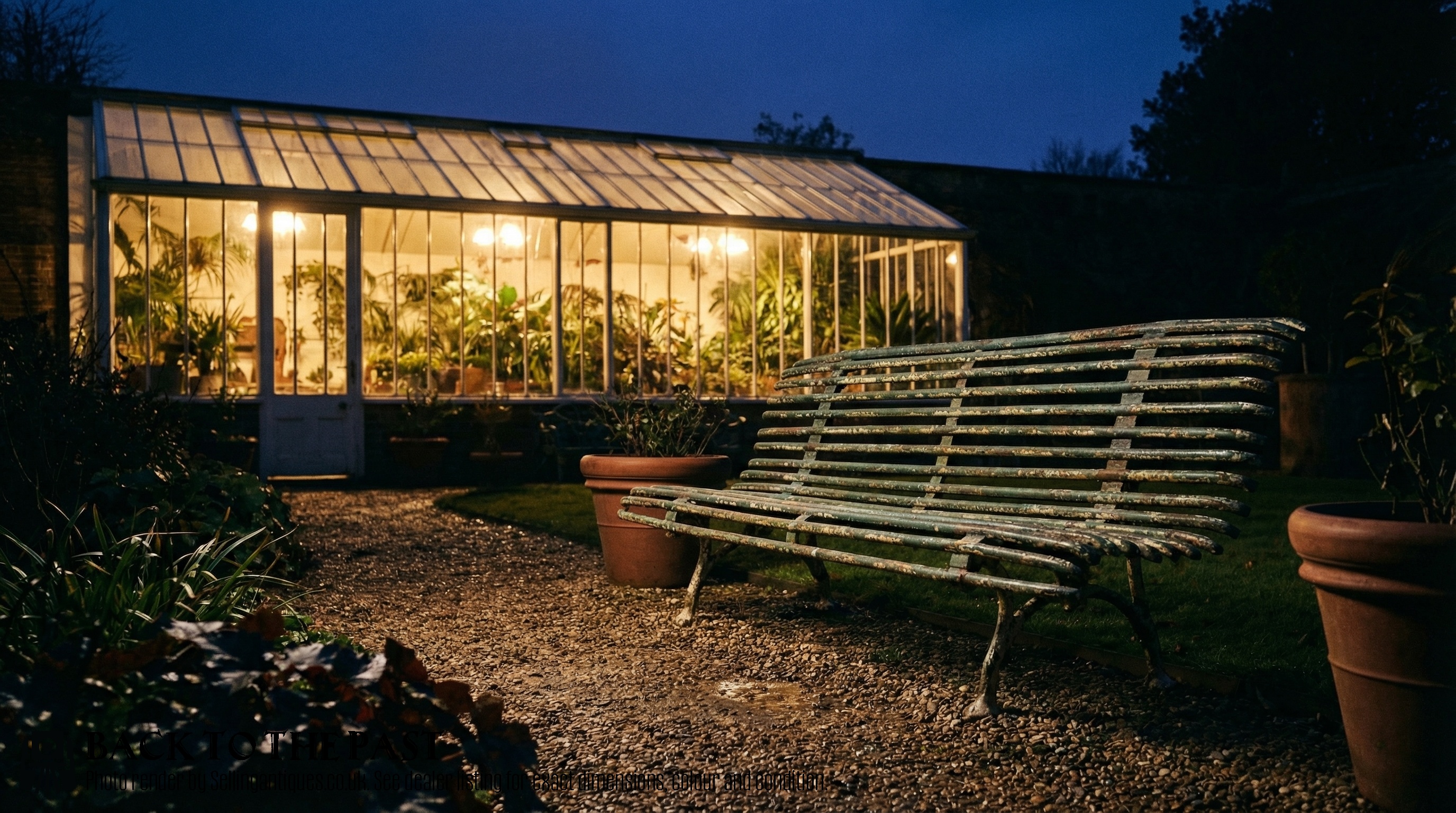
Identifying your antique park bench
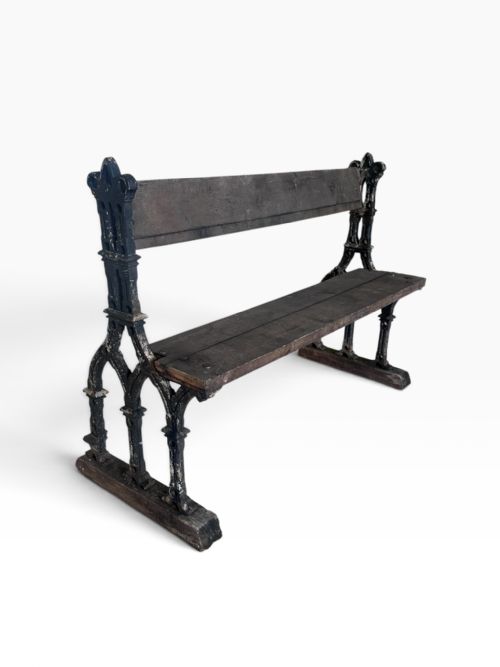
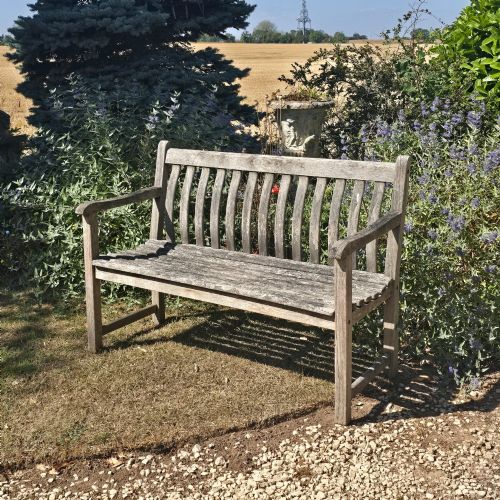
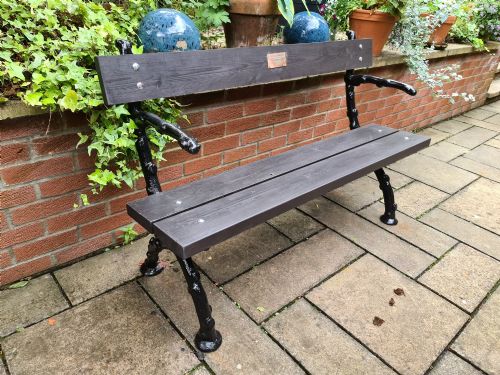
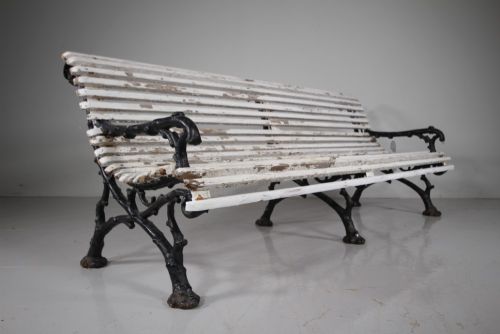
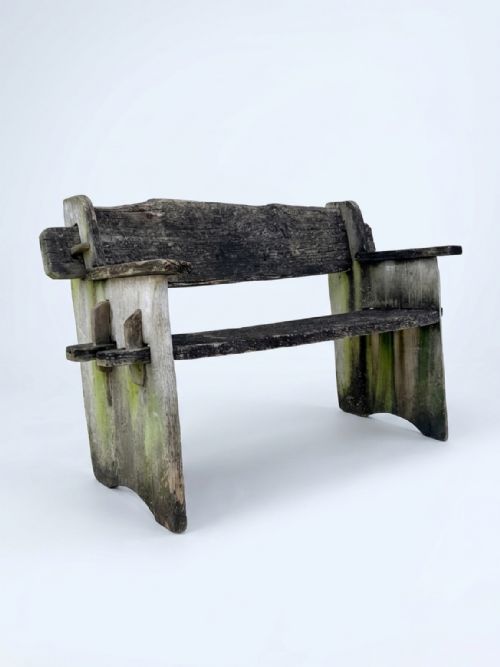
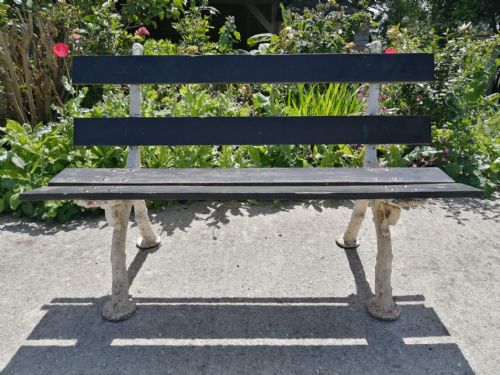
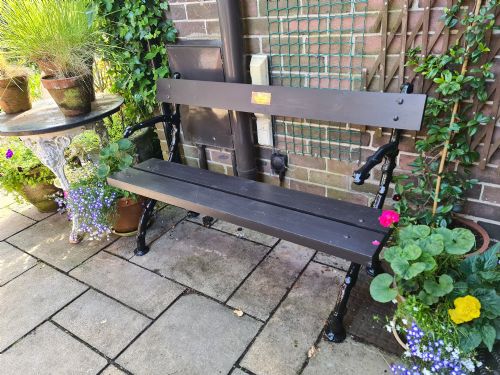
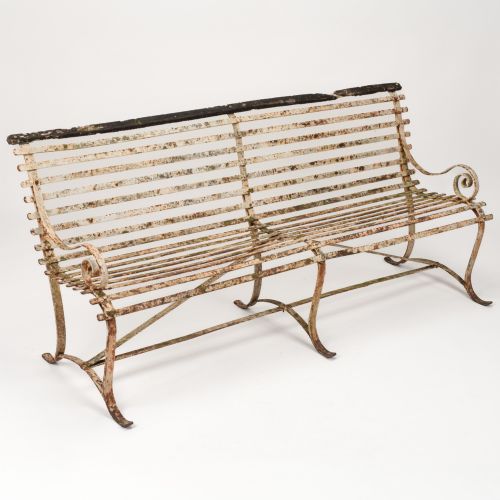
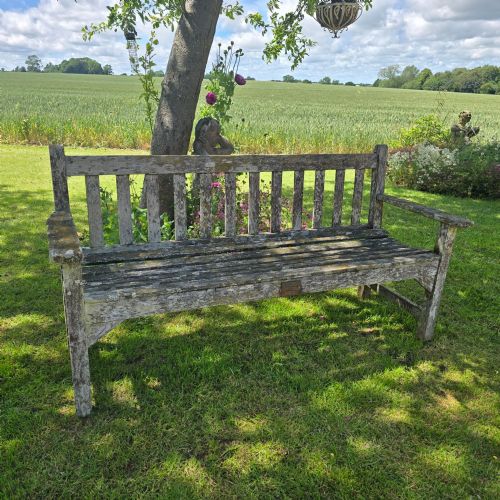
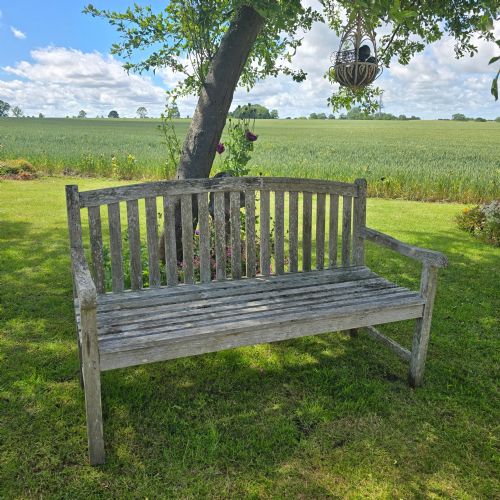
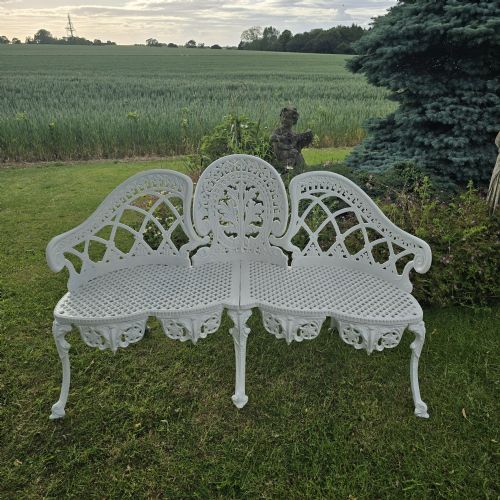
When you search for an antique park bench, you encounter sturdy outdoor seating solutions that bridge domestic garden use and municipal utility. The pieces seen on this page span the nineteenth century and the early twentieth century, taking the form of garden benches and patio seats.
Victorian examples dominate the selection, alongside specific regional types such as French country and Regency styles. These heavy seats were built to withstand the elements while offering a comfortable resting place in grounds and parks.
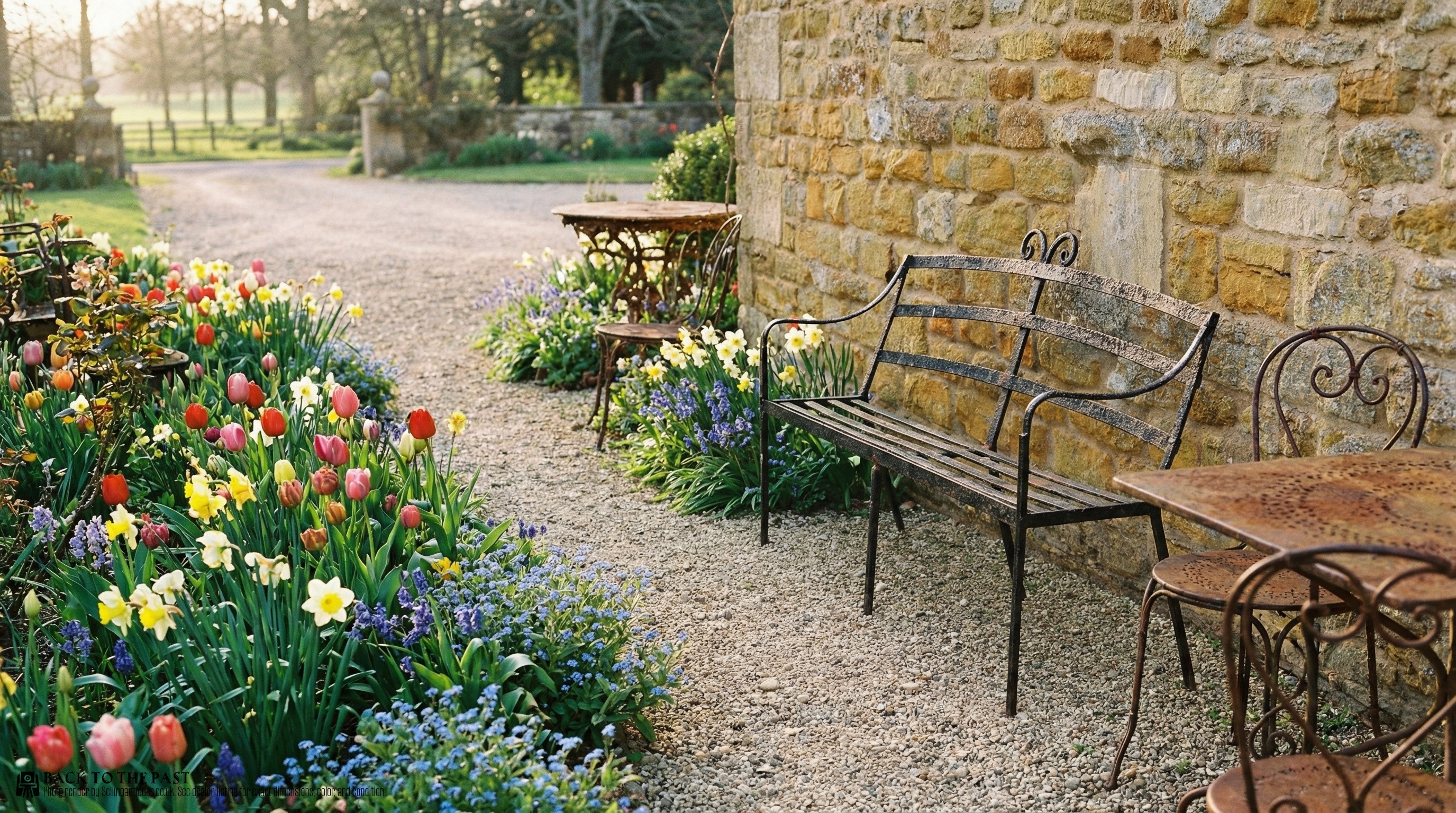
Materials and construction
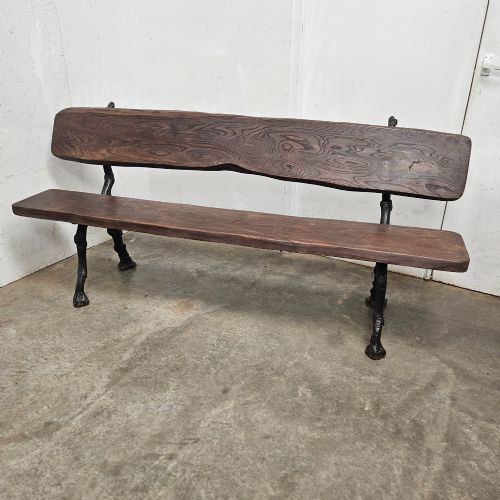
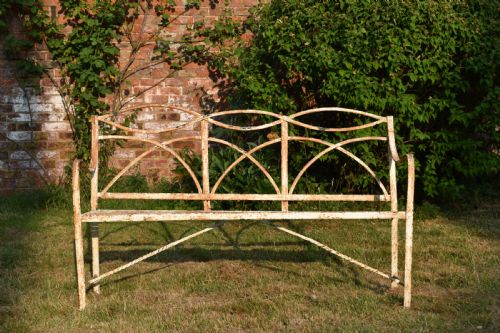
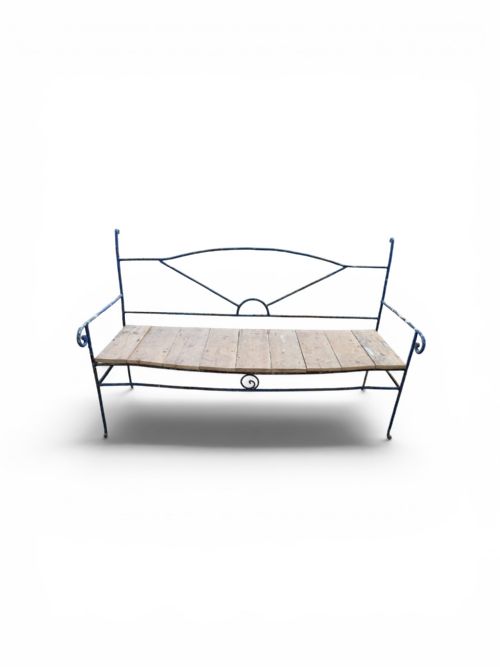
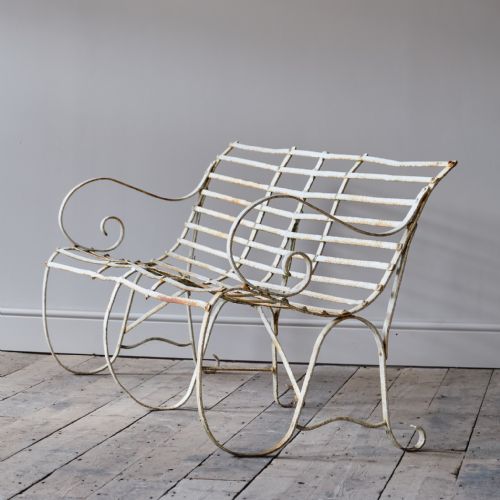
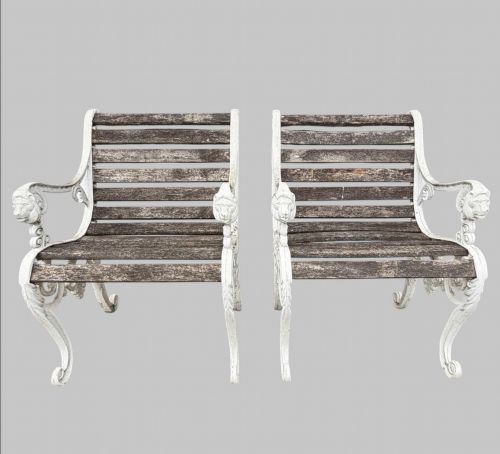
Construction relies heavily on durable metal frameworks paired with natural slats. Cast iron and wrought iron form the structural supports, ends, and decorative backs, while timber and wood provide the slatted seating surfaces.
The combination of heavy metal casting and fitted wood creates a rigid assembly designed for permanent outdoor placement. Blacksmiths and ironfounders shaped the metal components before bolting or pegging the wooden elements into place.
Retail Price Guide 2026
Typical UK retail prices for park bench, calculated from the Sellingantiques database of over a million retail prices indexed since 2003. This retail price guide relies exclusively on Sellingantiques data; no external sources or auction records are used, so the figures do not describe the wider market.
The listings span the Victorian period, the nineteenth century, and nineteen-twenty, utilising cast iron, wrought iron, timber, and wood.
Distinctions in quality
Quality rests upon the intricacy of the ironwork and the integrity of the surviving materials. Finer examples display complex cast patterns and substantial metal framing that outlasts lighter, mass-produced municipal variants.
The choice of timber and the precision of the joinery separate standard utility seating from finer decorative commissions. Superior pieces maintain their original structural balance between the heavy iron ends and the slatted wooden seat.
The Antique Park Bench Glossary
- Cast iron
- An iron-carbon alloy poured into moulds to create rigid decorative bench ends and backs. This material provides the substantial weight necessary to keep garden seating stationary.
- Wrought iron
- Iron beaten into shape by hand, resulting in fibrous metalwork used for structural frames. It offers greater tensile strength than cast alternatives.
- Victorian
- Relating to the reign of Queen Victoria, spanning the mid-nineteenth to the early twentieth century. Pieces from this era often feature elaborate botanical or geometric casting.
- Regency
- An English architectural and decorative style characterised by classical restraint and elegance. Benches of this lineage show simpler, more restrained lines than later Victorian designs.
Frequently Asked Questions
Can I leave my antique park bench outside?
These pieces were built specifically for outdoor use and withstand weather well when properly maintained. Regular care of the timber and metal parts ensures longevity in gardens.
Protecting the wood and treating the iron surfaces prevents premature decay. Many owners choose to store them under cover during the harshest winter months.
How do I date an iron garden bench?
Dating relies on stylistic clues found in the metal casting and structural construction. Victorian examples often display registration marks or specific foundry patterns.
Earlier nineteenth-century versions utilise hand-wrought iron rather than mass-produced cast components. Comparing the joinery and bolt types helps narrow down the period of manufacture.
What is an Arras garden bench?
An Arras bench refers to distinctive metalwork originating from the town of Arras in France. These pieces are celebrated for their wirework and stamped manufacturer plaques.
They represent a specific subset of nineteenth-century garden furniture. Collectors prize them for their distinct structural silhouette and French provincial charm.
How heavy are these benches?
The combination of cast iron ends and solid timber makes these seats exceptionally heavy. Two people are typically required to move them safely across a lawn or patio.
This substantial weight serves a practical purpose by preventing the seating from tipping or shifting in high winds. It also means you should choose a permanent spot before placement.