



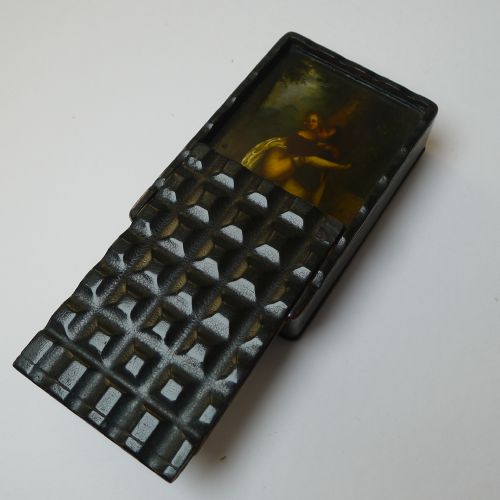
Antique Papier Mache Box
An antique papier mache box brings tactile warmth and meticulous hand painting to desk or table, prized for centuries for durability and ornamental depth.
Antique Papier Mache Box
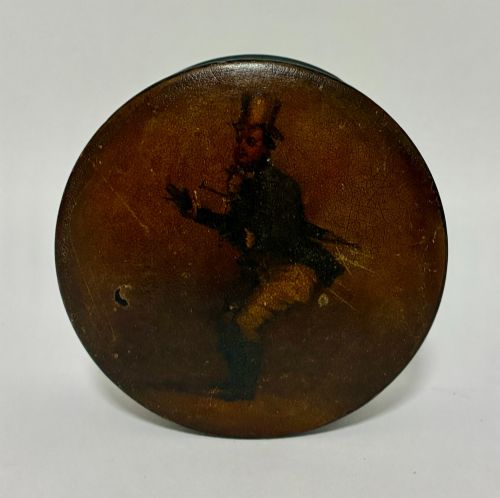
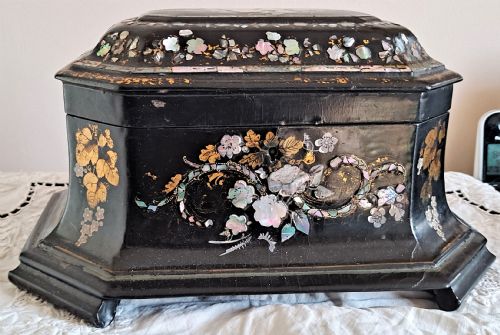
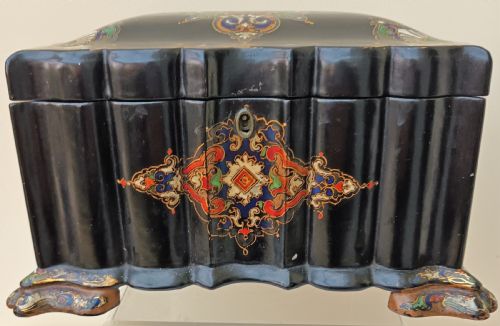
An antique papier mache box encompasses small pocket vessels alongside larger tabletop receptacles. Snuff boxes and tea caddies predominate among the earlier domestic items, while larger writing boxes and jewellery caskets emerge in Victorian examples.
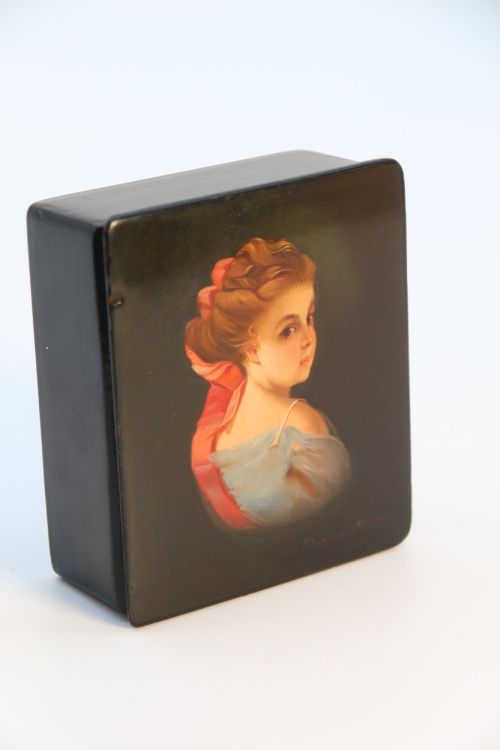
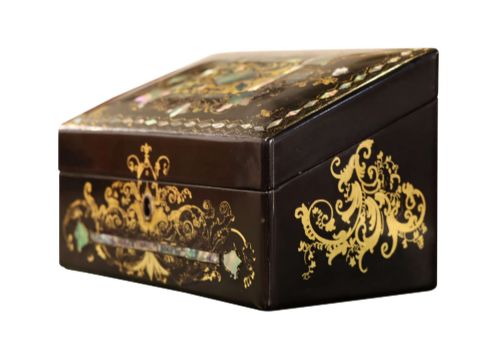
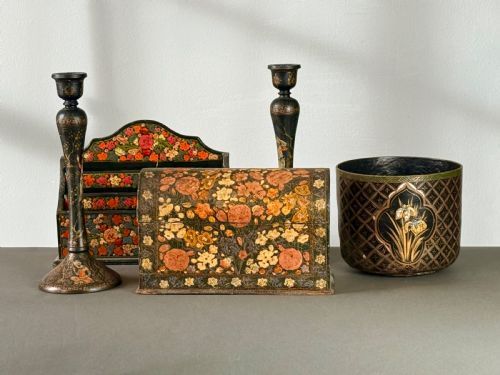
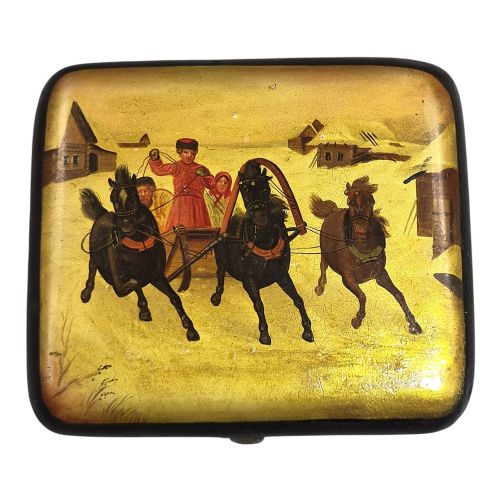
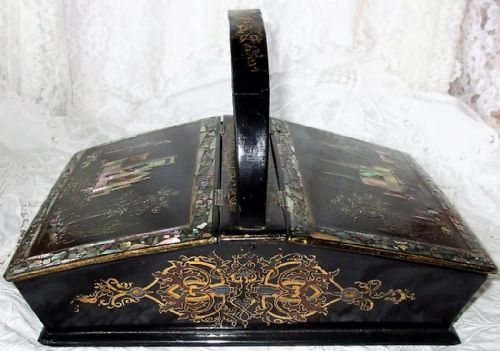
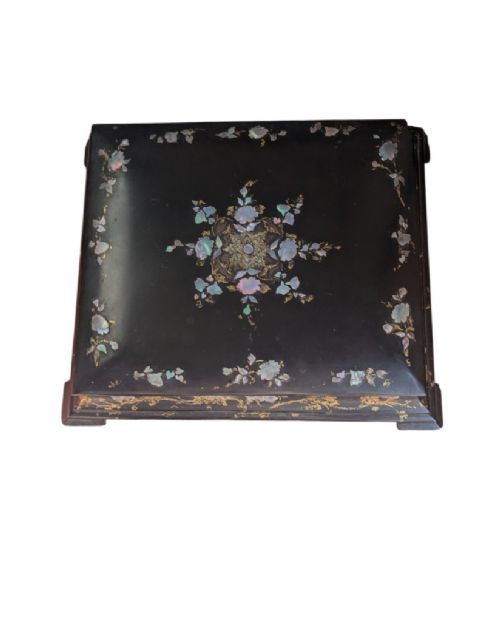
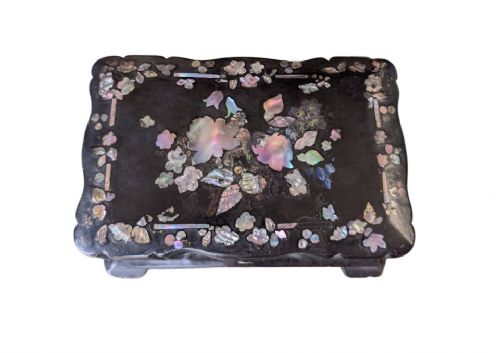
Geographic origins shape the forms significantly, ranging from English floral tea caddies and Kashmiri lidded pots to Russian lacquered portraits and pen cases. Victorian pieces frequently utilise black lacquer finishes enriched with mother of pearl inlay.
The material adapts to diverse domestic functions, serving as needlework caskets, card boxes, and stationery cabinets. Many retain compartments and original interiors designed for specific daily utilities.
How they were made
Constructed from layers of paper pulp or sheets pressed and bonded with adhesive, the dried foundation achieves remarkable rigidity and resilience. Lacquer finishes seal the surface to create a smooth canvas for subsequent decoration.
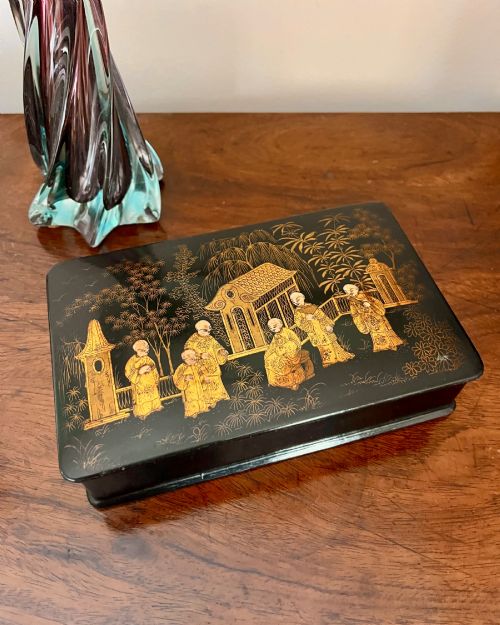
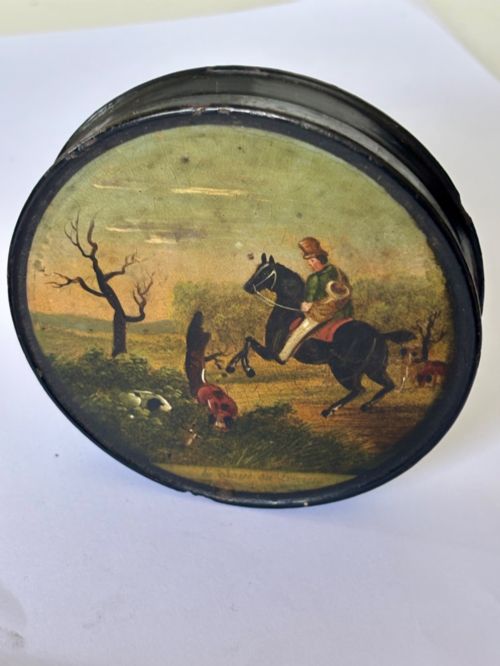
Artisans applied paint, gold leaf, and mother of pearl inlay directly onto the dark lacquer ground. Hand painted details depict botanical motifs, architectural scenes, hunting episodes, and animal portraits.
Antique Papier Mache Box Retail Price Guide 2026
Typical asking prices for papier mache box among the pieces listed under this phrase on Sellingantiques today, from the lower quarter to the upper quarter. They describe what is for sale here now, not the wider market.
Listings feature items spanning the Georgian, Victorian, and Edwardian periods, utilising wood, brass, lacquer, and mother of pearl.
What varies in quality
Precision of the initial moulding and stability of the papier mache base distinguish ordinary containers from superior productions. Finely finished edges and smoothly operating lids indicate careful workshop execution.
The complexity and preservation of the painted surface or inlay dictate the standing of a piece. Delicate brushwork, intact gold leaf, and secure mother of pearl placement elevate the visual impact of the box.
Vishnyakov Workshop·Stobwasser·Jennens & Bettridge
The Antique Papier Mache Box Glossary
- Papier-mache
- A composite material made from paper pulp or reinforced paper sheets, moulded and dried to form rigid objects. It provides a lightweight yet durable substrate for decorative finishes.
- Mother of pearl
- The iridescent inner layer of mollusc shells, shaped into thin pieces and embedded into lacquer surfaces. It catches light and contrasts sharply with dark painted grounds.
- Lacquer
- A durable resin applied in multiple coats to protect and embellish surfaces. It produces a glossy, impermeable sheen characteristic of these boxes.
- Tea caddy
- A container designed to store dry tea leaves securely. They often feature internal compartments and lids to preserve the contents.
- Snuff box
- A small lidded receptacle used to hold dry powdered tobacco. Pocket sized examples frequently feature hinged lids and detailed miniature paintings.
Antique Papier Mache Box: Frequently Asked Questions
What are antique papier mache boxes made of?
These vessels combine layered paper pulp or bonded paper sheets with strong adhesive binders, forming a dense and durable material. Artisans seal this foundation with dark lacquer before applying paint, gold leaf, and mother of pearl.
The resulting composite supports intricate miniature painting and withstands handling while remaining surprisingly lightweight compared to solid timber or metal alternatives.
How do I date an antique papier mache box?
Dating relies on stylistic clues, construction methods, and material preferences associated with specific decades. Georgian examples often include pocket snuff boxes, whereas Victorian pieces frequently display heavier lacquer finishes, mother of pearl inlay, and fitted interiors for writing or sewing.
Written signatures, stamps, or specific workshop attributions stamped on the underside also help establish a precise timeline for Russian and European items.
How should I clean my papier mache box?
Maintenance requires gentle dusting with a soft, dry cloth to protect the delicate lacquer and painted surfaces. Moisture, harsh chemical cleaners, and direct sunlight damage the finish and cause the paper base to weaken over time.
Keeping the pieces in stable indoor environments preserves both the structural integrity of the papier mache and the vibrancy of the hand painted decoration.