

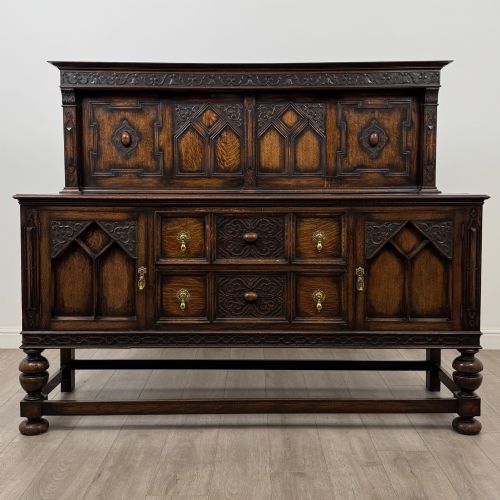
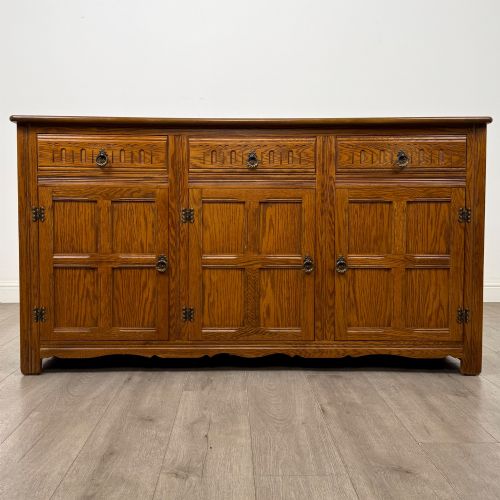
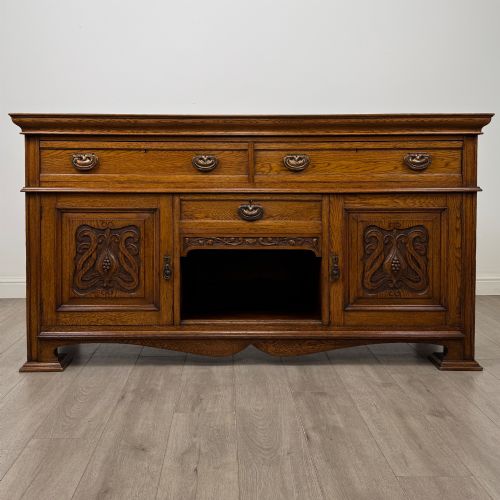
Antique Panelled Sideboard
An antique panelled sideboard delivers robust storage and period presence, bringing substantial timber craftsmanship and historic character straight into your dining room or hallway.
Antique Panelled Sideboard
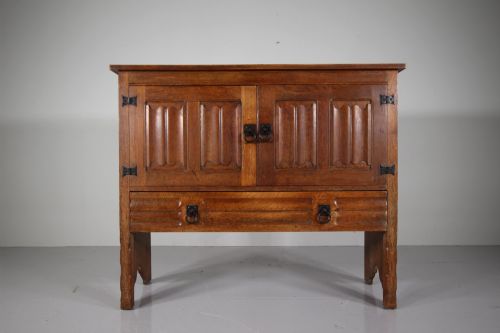
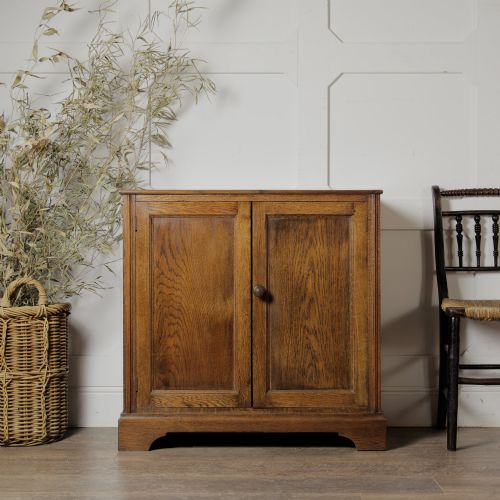
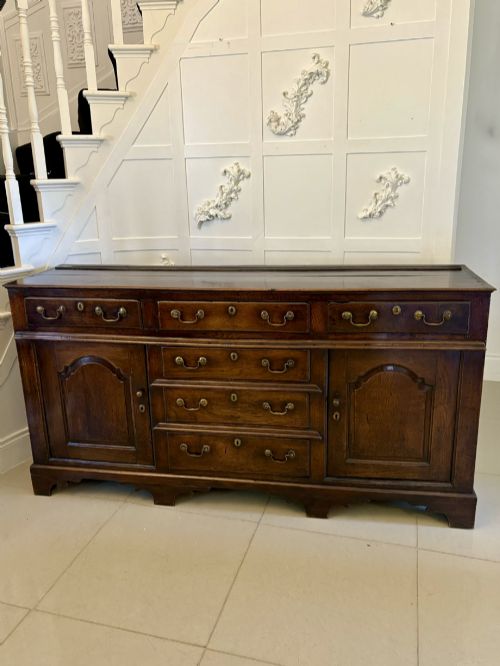
When you search for an antique panelled sideboard, you encounter substantial storage furniture built primarily for dining rooms and living spaces to hold china, linen, and provisions. The pieces gathered here span several centuries and design traditions, ranging from heavy seventeenth-century style constructions to refined Georgian and Victorian examples.
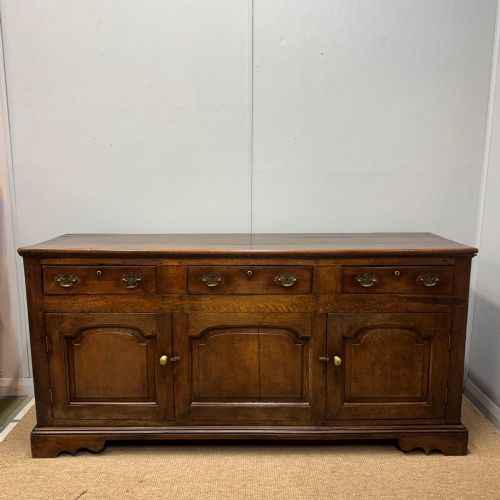
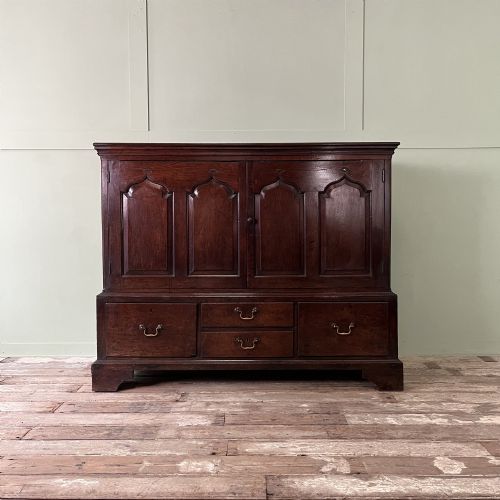
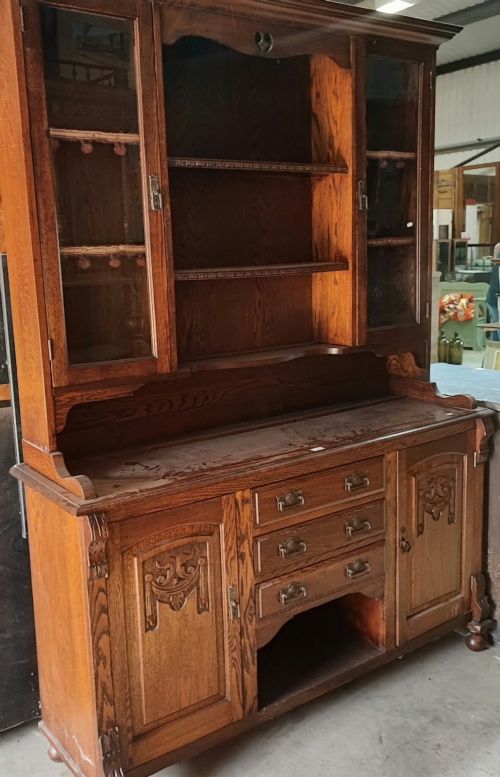
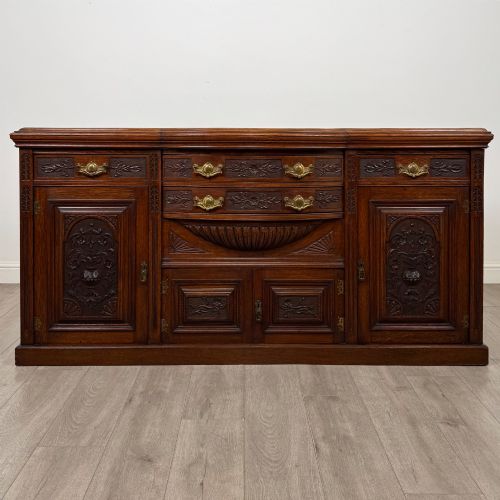
You are most likely to meet solid oak versions originating from the eighteenth and nineteenth centuries, often taking the form of dresser bases, low cupboards, or court cupboards. Mahogany, rosewood, and pine alternatives also appear, alongside variations featuring carved decorations and glazed sections.
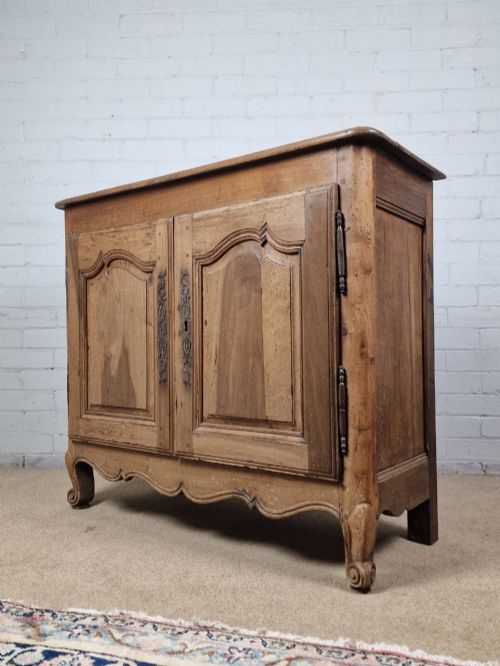
Regional British designs dominate the selection, particularly Welsh dresser bases and oak sideboards, though continental examples such as French side cabinets and Swedish buffets occasionally surface. These forms provide deep cabinets and surface space, reflecting the domestic habits of earlier eras.
How they were made
Cabinet makers relied heavily on solid native timbers, chiefly oak and mahogany, supplemented by rosewood, walnut, and pitch pine for specific aesthetic effects. Iron and brass hardware provided structural reinforcement and operational fixings such as hinges and handles.
Construction methods centred on traditional joinery, utilising panelled doors and fitted components designed to accommodate the natural expansion and contraction of timber over decades of use. Decorative surface treatments included hand carving, inlaid details, and occasionally simulated paint finishes on softer woods like pine.
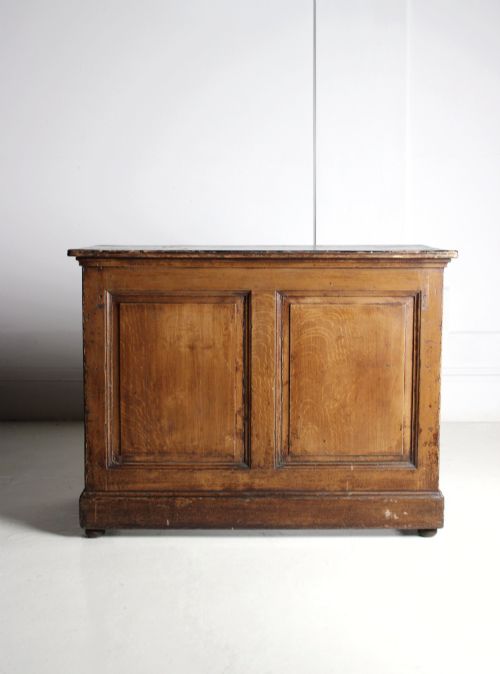
One piece arrives straight from a French barn find with a pink marble top.
What varies in quality
Quality rests in the selection of the timber and the crispness of any carved detailing, where superior pieces exhibit carefully figured grain patterns and deep, deliberate hand work rather than shallow mechanical stamping. The choice of primary and secondary woods reveals the ambition of the original workshop.
Construction integrity dictates long-term value, distinguishing tightly fitted joinery and original hardware from later replacements or structural compromises. Finer examples maintain a cohesive design language across every panel, drawer lining, and structural post.
M. D. Miller & Sons
The Antique Panelled Sideboard Glossary
- Dresser base
- A low wooden sideboard or storage cabinet, typically featuring drawers above enclosed cupboards, historically used in kitchens and dining rooms for food preparation and tableware storage.
- Chiffonier
- A compact sideboard or low cabinet popular during the Regency and Victorian periods, often fitted with enclosed lower doors and a shelf on the upper tier.
- Court cupboard
- A heavy, multi-tiered wooden storage piece originating in the seventeenth century, featuring recessed upper sections supported by carved columns or posts.
- Coffer bach
- A small Welsh chest or box on a stand, constructed from oak and utilised for storing valuables or family documents.
- Simulated rosewood
- A painted surface treatment applied to cheaper woods like pine to imitate the rich, dark grain patterns of expensive imported rosewood.
Antique Panelled Sideboard: Frequently Asked Questions
What is an antique panelled sideboard used for?
These pieces function primarily as heavy storage furniture for dining rooms, hallways, and living spaces, offering deep cupboards and drawers for tableware, linens, and household provisions.
Beyond storage, their broad top surfaces provide display areas for lamps, ceramics, and decorative objects, adding architectural weight to a room.
How do I care for an antique oak sideboard?
Protect the timber by keeping the piece away from direct heat sources and sudden humidity changes that can cause the wood to split or warp.
Maintain the finish by applying natural beeswax sparingly and buffing gently with a soft cloth, avoiding modern silicone sprays.
How can I tell a Georgian sideboard from a Victorian one?
Georgian pieces often display restrained classical proportions in mahogany or oak, focusing on clean lines and fine timber selection without excessive ornamentation.
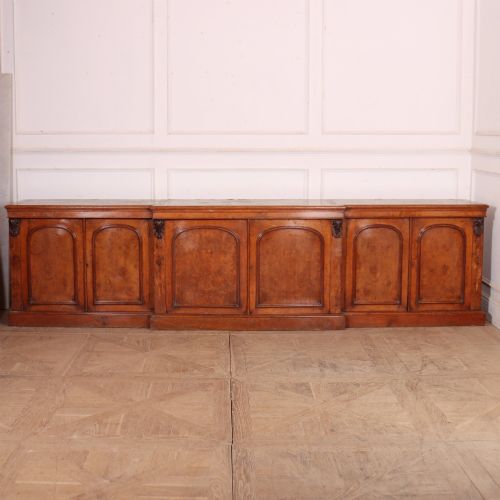
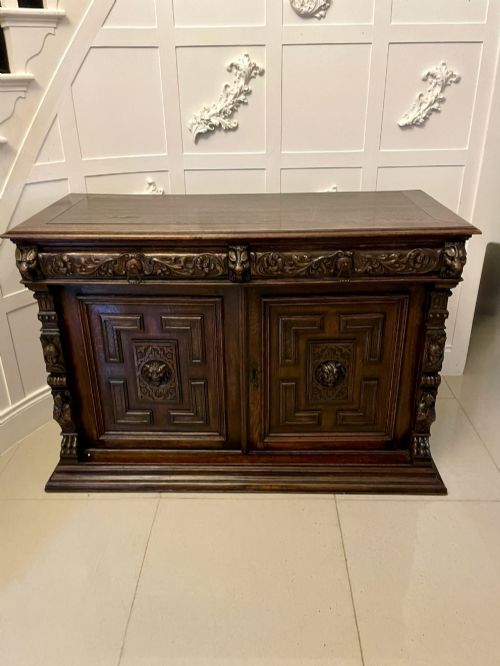
Victorian examples frequently introduce heavier carvings, darker finishes, and more elaborate door panels, reflecting industrial-era manufacturing confidence.
Are these sideboards made of solid wood?
The vast majority utilise solid native and imported timbers throughout their construction, including heavy oak, mahogany, rosewood, and pine.
Secondary woods like pine or deal frequently appear in internal drawer linings and back panels, which was standard workshop practice.