

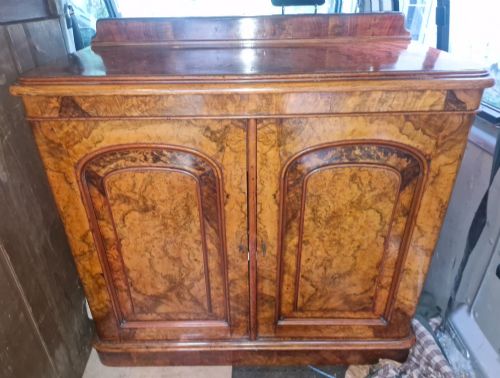
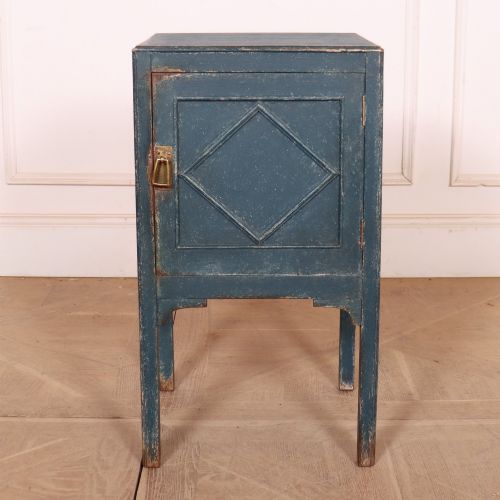
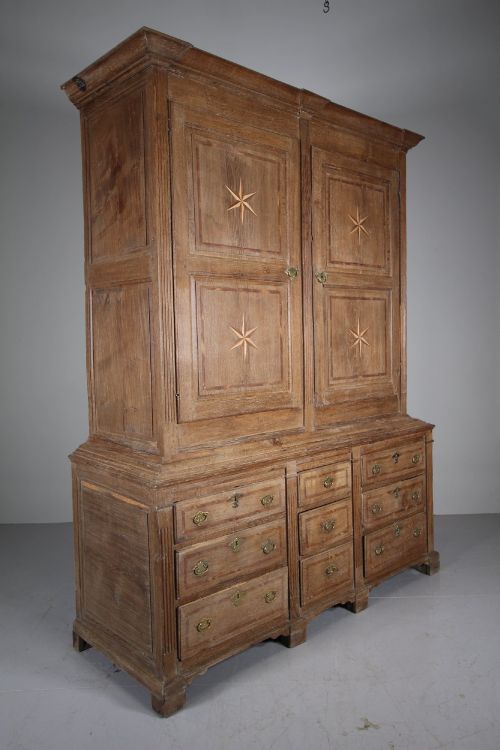
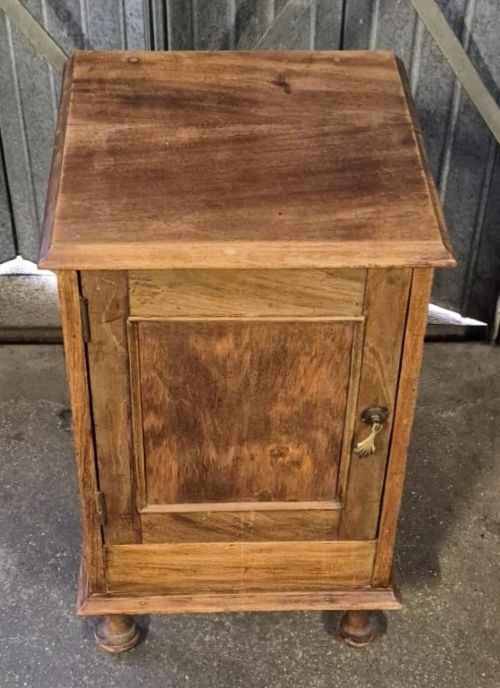
Antique Panelled Cupboard
An antique panelled cupboard brings structural depth and honest grain to a room, offering practical storage built to last centuries.
Antique Panelled Cupboard
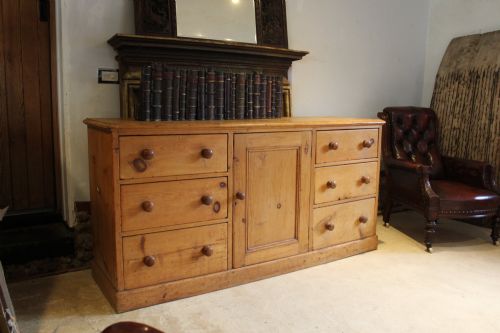
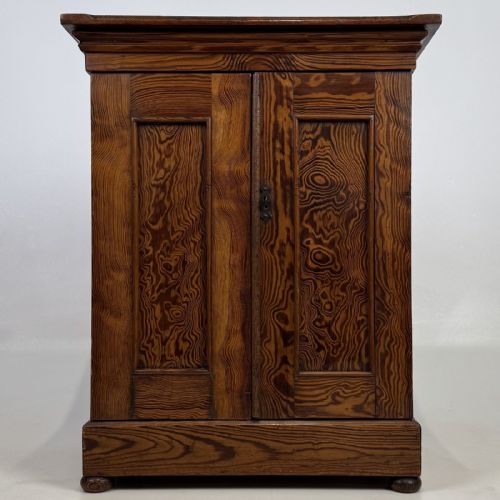
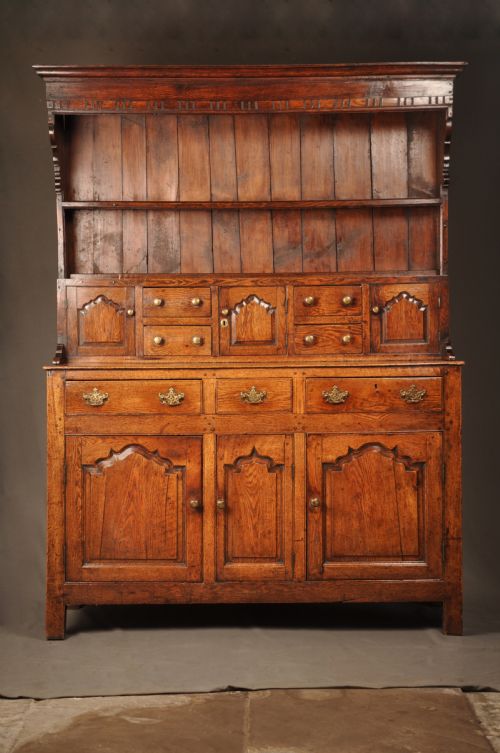
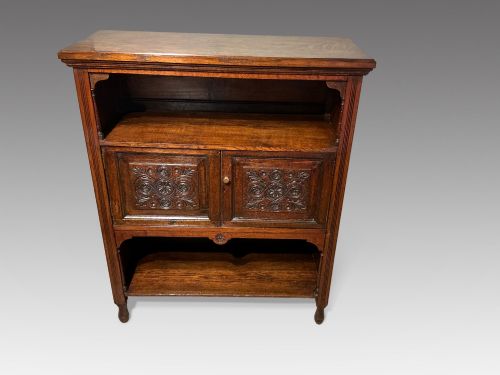
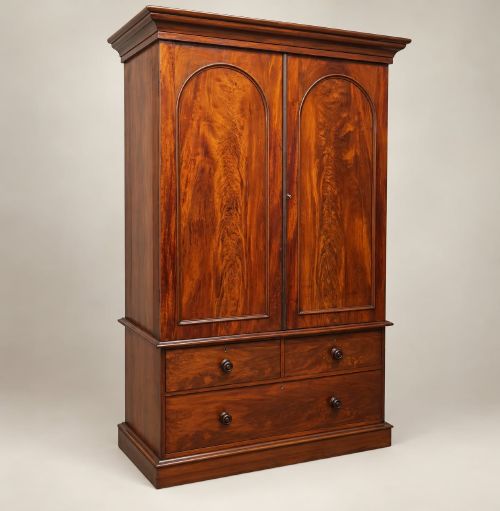
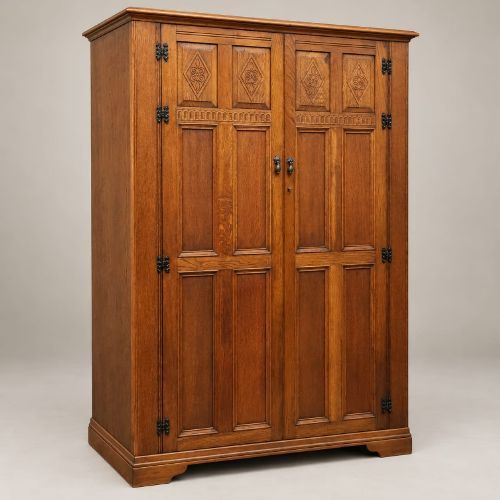
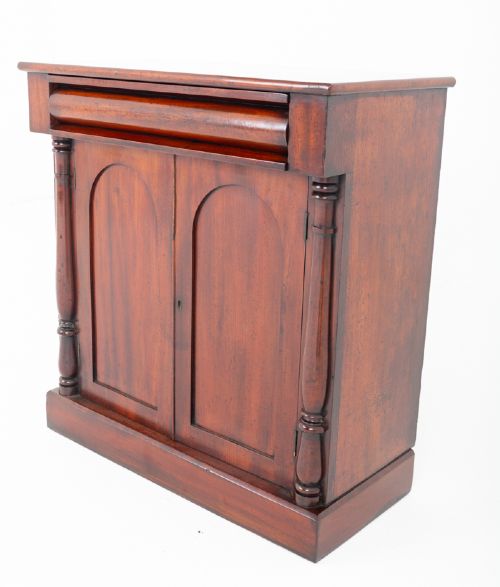
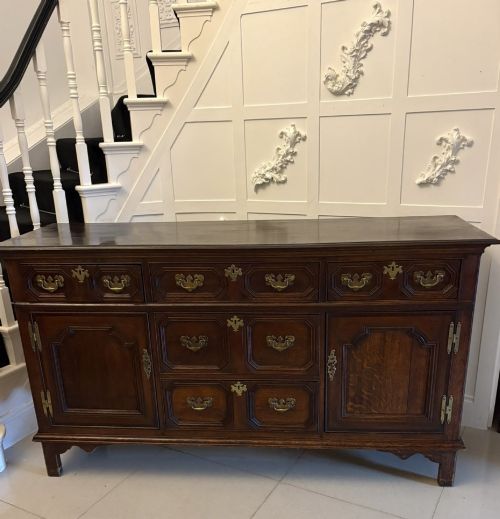
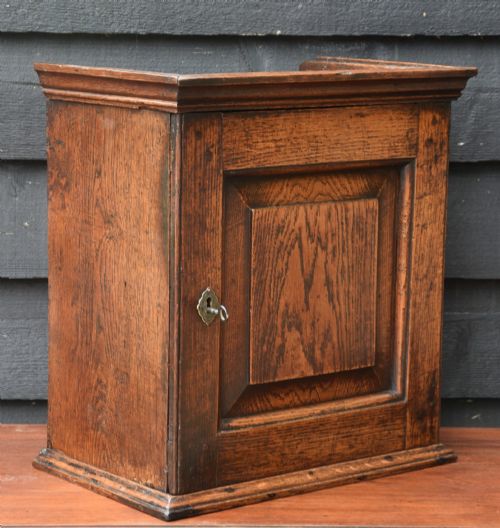
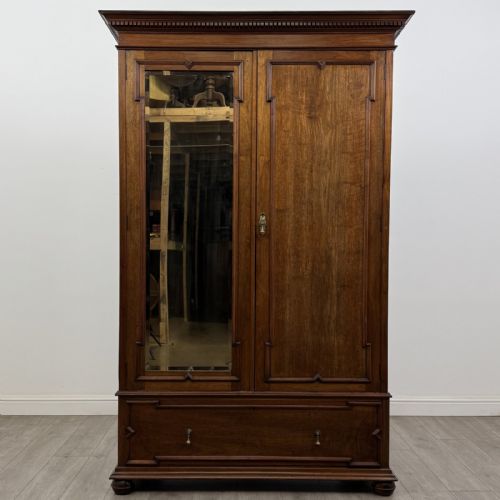
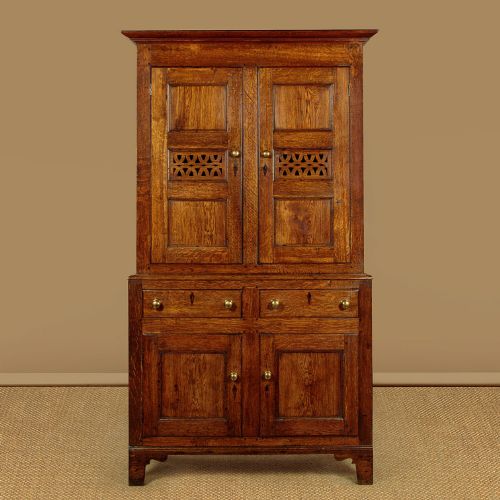
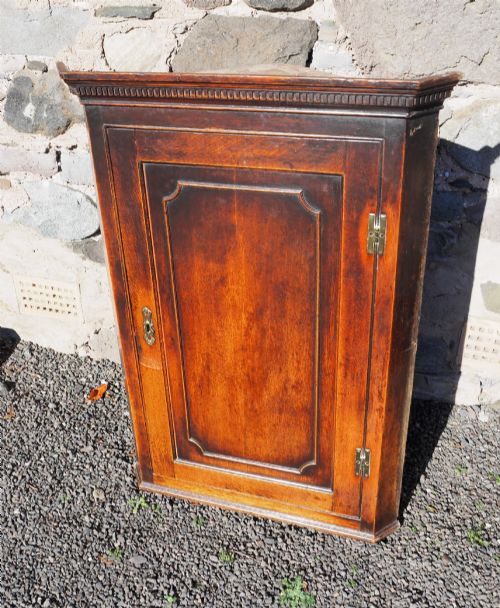
When searching for an antique panelled cupboard, buyers encounter sturdy pieces designed for domestic storage across multiple centuries. These storage items range from small wall-hanging spice boxes to large housekeeper and linen presses.
The selections on this page span the 17th, 18th, 19th, and early 20th centuries. Oak forms the most common timber, complemented by pine, mahogany, elm, and walnut.
Regional variations appear frequently, including Welsh and Dutch forms alongside English vernacular pieces. Styles stretch from plain Georgian utility through to Jacobean Revival and Gothic-influenced designs.
Materials and construction methods
Solid timber forms the foundation of these cupboards, with quarter-sawn oak providing stability and distinct grain patterns. Cabinetmakers utilised frame-and-panel construction to allow wood to expand and contract naturally with seasonal humidity changes.
Brass and iron hardware, including butterfly hinges, H-hinges, and working locks with keys, secure the doors. Hand-planed boards form the backs and internal shelves, showing tool marks from the original maker's bench.
Antique Panelled Cupboard Retail Price Guide 2026
Typical asking prices for panelled cupboard among the pieces listed under this phrase on Sellingantiques today, from the lower quarter to the upper quarter. They describe what is for sale here now, not the wider market.
Some spice cupboards retain traces of ground cinnamon and nutmeg embedded in the oak grain from centuries of kitchen use.
Assessing construction and surface depth
Quality rests in the integrity of the timber selection and the crispness of the panel mouldings. Early joined pieces demonstrate tight mortise and tenon joints held by wooden pegs rather than modern fasteners.
Surface finish dictates visual appeal, separating dry, waxed timbers with deep patination from stripped or heavily varnished alternatives. Original backboards, hinges, and untouched interior shelving elevate the standing of any individual cabinet.
The Antique Panelled Cupboard Glossary
- Panelled
- A method of construction where a central floating board fits inside a rebated frame. This technique prevents the wood from splitting as it ages.
- Patina
- The deep, lustrous surface sheen developed through decades of handling, polishing, and natural oxidation. It serves as a visual indicator of age.
- Housekeeper's cupboard
- A large storage piece traditionally used in manor houses for linens and dry goods. These typically feature multiple doors and internal shelving or drawers.
- Court cupboard
- A heavy, often carved storage unit with an enclosed lower section and a recessed upper stage. These pieces date predominantly to the 17th and 18th centuries.
- Pegged joint
- A method of securing mortise and tenon connections using carved wooden dowels. Hand-driven pins indicate traditional pre-industrial workshop practices.
Antique Panelled Cupboard: Frequently Asked Questions
How do I date an oak panelled cupboard?
Dating relies on examining construction techniques, tool marks, and hardware. Pegged joints, hand-carved mouldings, and split panels often point toward earlier 17th or 18th-century origins, while machine-cut screws and standardised hinges suggest Edwardian or later manufacture.
Secondary woods used inside the cabinet also help narrow down the period. Pine or elm used for internal drawer linings can confirm regional English or Welsh vernacular traditions from the Georgian era.
What rooms suit an antique panelled cupboard?
These versatile storage units function well in kitchens for dishware, in hallways for coats and boots, or in living spaces as linen storage. Their deep timber tones anchor a room and mix easily with modern or traditional interiors.
Measuring ceiling height and clearance for opening doors is essential before placement. Deeper wardrobe-style cupboards require adequate wall space, while corner cabinets utilise awkward room junctions efficiently.
How should I care for antique oak timber?
Maintaining dry oak requires regular applications of natural beeswax to nourish the grain and protect the surface from moisture. Avoid placing wooden furniture near direct heat sources or in areas with fluctuating humidity to prevent splitting.
Cleaning should involve only a soft, dry cloth to remove dust without stripping the historic finish. Modern chemical polishes can build up sticky layers that dull the underlying patina over time.
What is the difference between a cupboard and a press?
A standard cupboard provides general enclosed shelving accessed by one or two doors. A press, such as a linen press or housekeeper's press, incorporates deep internal sliding trays or shelves designed specifically for folded textiles.
Many period presses combine an upper cupboard section with a chest of drawers forming the base. This dual configuration offered maximum storage utility for large country houses.