


Antique Panelled Armchair
An antique panelled armchair is a solid timber seat built with pegged frame construction, prized for its architectural presence and historic joinery.

Antique Panelled Armchair
When searching for an antique panelled armchair, buyers frequently encounter heavy timber seating originating from the seventeenth century onwards.
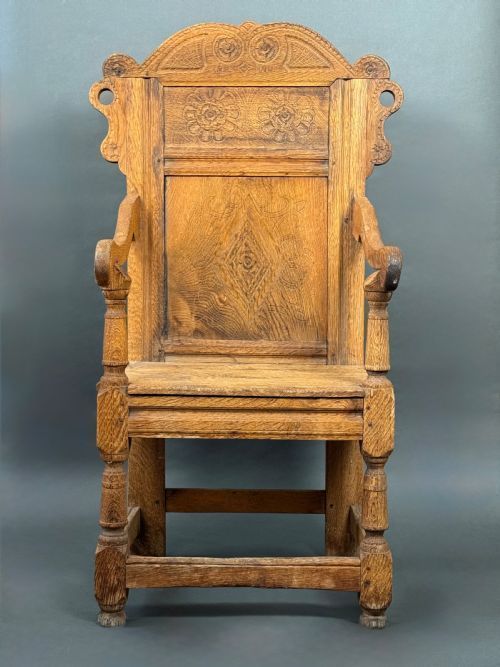
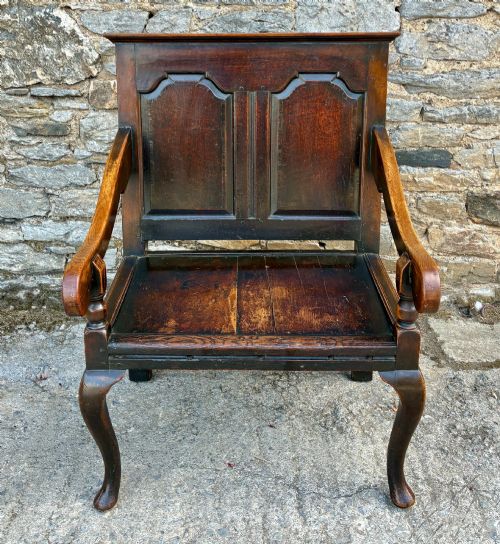
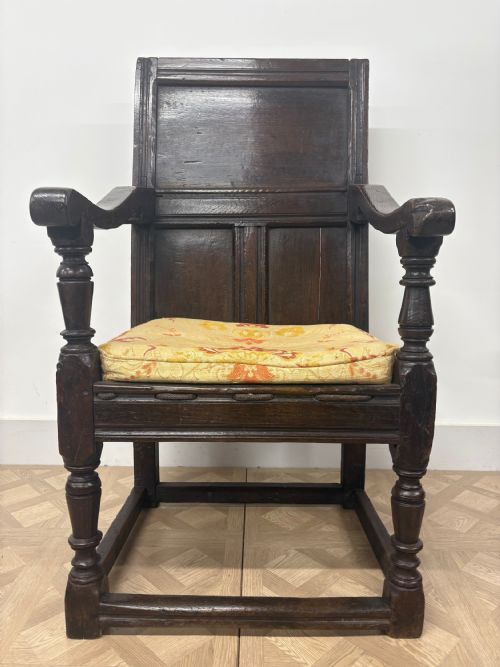
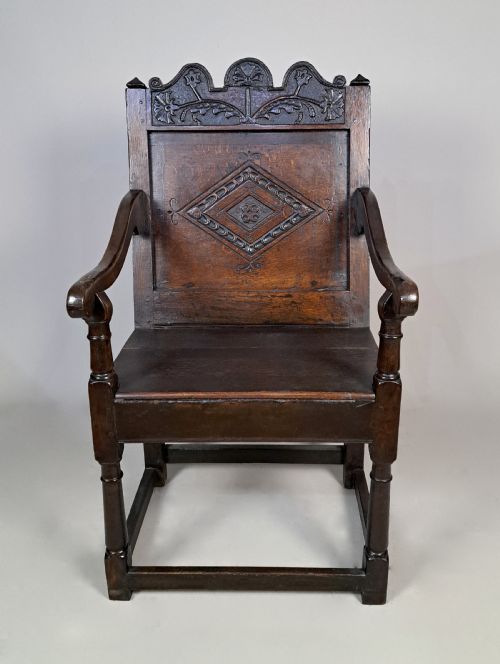
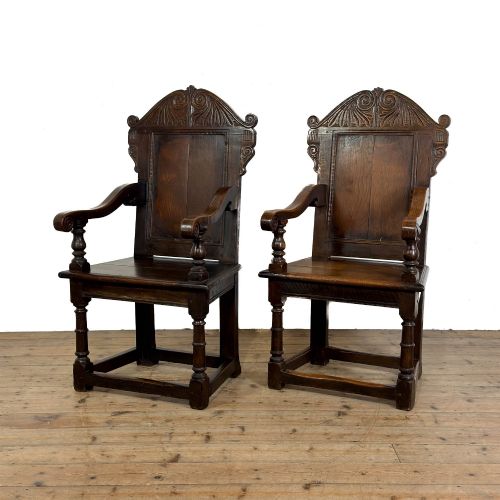
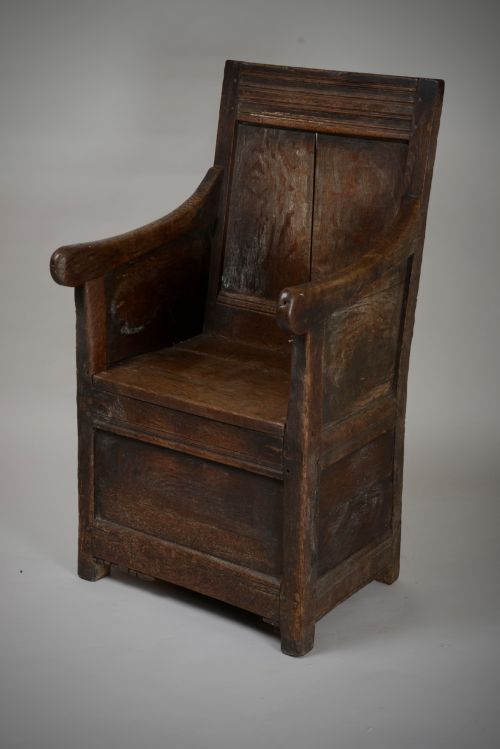
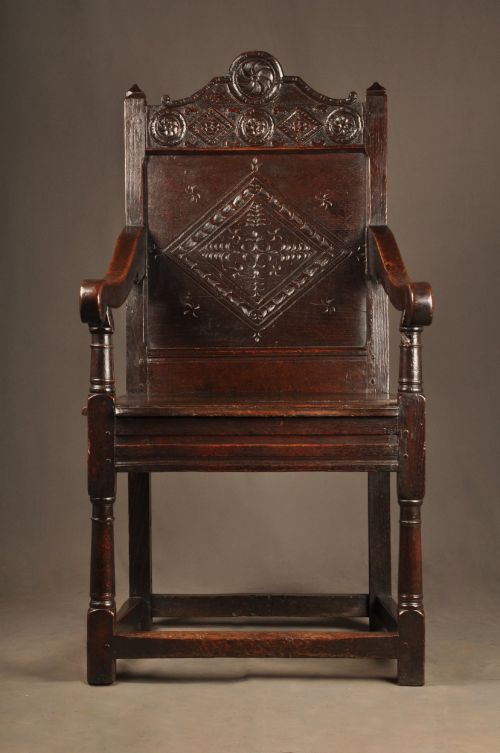
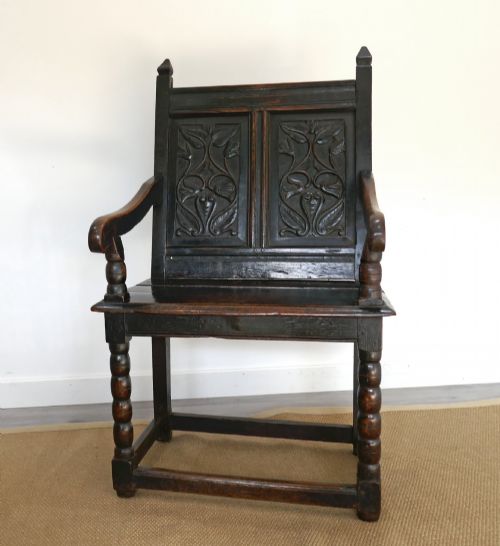
The most common form on this page is the wainscot chair, constructed with solid wood panels forming the back and sides.
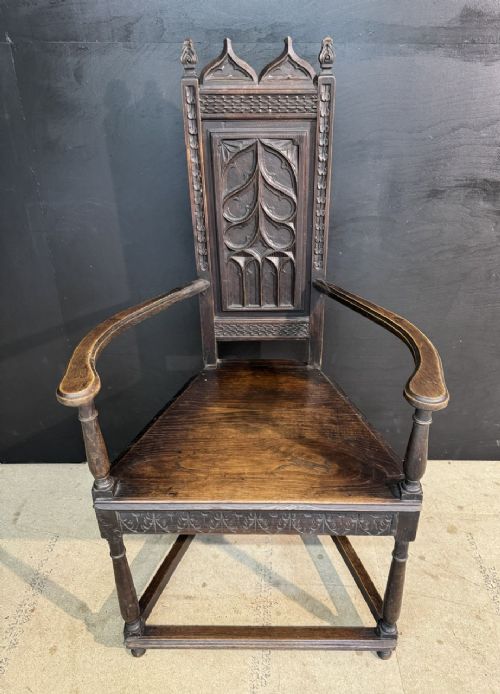
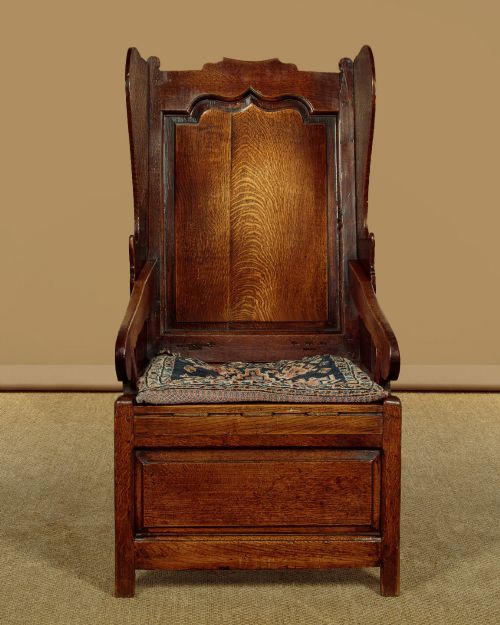
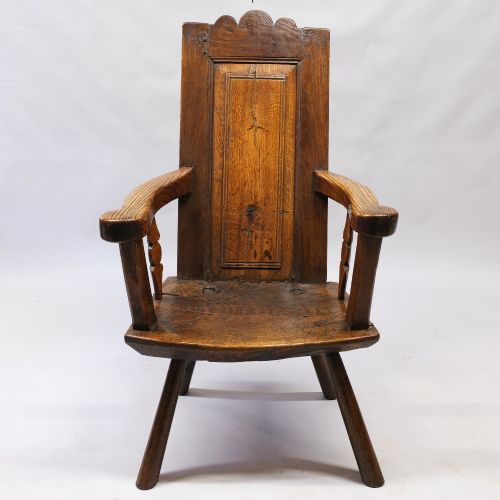
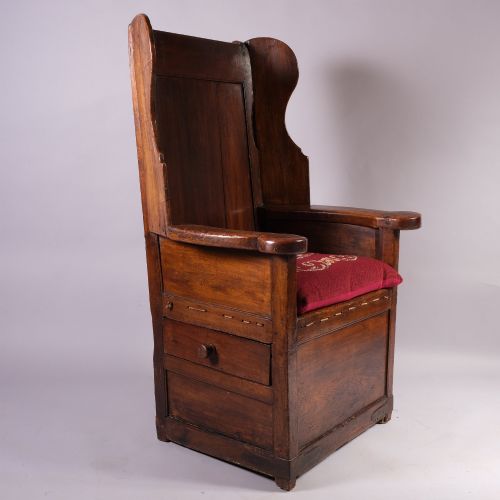
Regional variations span English, Welsh, Scottish, and continental workshops, including vernacular forms such as lambing chairs and settles.
Assessing quality
Quality rests in the crispness of hand carving, the integrity of the original joints, and the depth of the timber patination.
Pieces retaining their original panel boards and uncompromised structural framing command greater regard from collectors.
Later nineteenth-century revivals display different handling of timber compared to seventeenth-century originals.
Antique Panelled Armchair Retail Price Guide 2026
Typical asking prices for panelled armchair among the pieces listed under this phrase on Sellingantiques today, from the lower quarter to the upper quarter. They describe what is for sale here now, not the wider market.
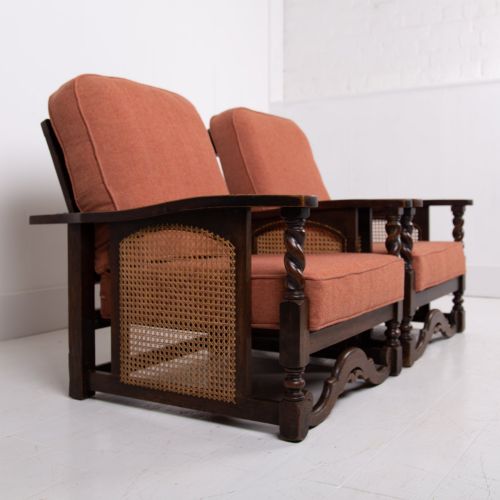
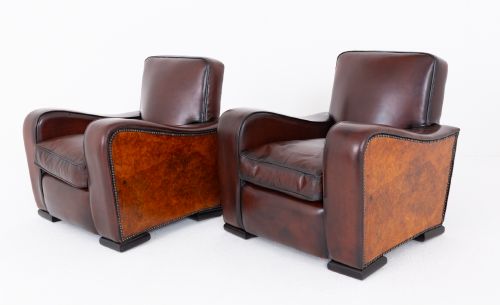
Listings feature oak predominantly, alongside elm, walnut, mahogany, and cane, spanning the seventeenth to the twentieth century.
Liberty and Co
The Antique Panelled Armchair Glossary
- Wainscot chair
- A heavy wooden armchair constructed with panelled backs and solid wooden seats, typical of the seventeenth century.
- Mortise and tenon
- A joint wherein a projecting tongue fits snugly into a square hole, locking framing timbers together.
- Lambing chair
- An enclosed vernacular armchair featuring high sides and a high back designed to shield the occupant from drafts.
- Patina
- The surface sheen and colour developed on timber through decades of handling, light, and polishing.
- Bergère
- An enclosed upholstered armchair with wooden framing and cane or fabric sides.
Antique Panelled Armchair: Frequently Asked Questions
How do I spot a genuine seventeenth-century panelled armchair?
Examine the construction methods, tool marks, and timber shrinkage. Authentic early examples display hand-split panels and pegged joints without modern fasteners.
Check for consistency in wear patterns around the arms and feet. Variations in the timber grain help confirm the age of the structure.
Where were wainscot chairs used in the home?
These heavy wooden seats traditionally occupied positions of authority in the hall or parlour. Only the head of the household or honoured guests sat in them.
Later vernacular versions moved into farmhouses and cottages, serving as durable everyday seating near hearths.
How should I care for an old oak armchair?
Keep timber furniture away from direct heat sources and drastic humidity changes to prevent the oak panels from splitting. Feed the surface periodically with traditional beeswax.
Avoid commercial polishes that build up silicones and dull the natural surface sheen.
What is the difference between a wainscot chair and a settle?
A wainscot chair is an individual armchair designed for one person, featuring a panelled back and arms. A settle is an elongated bench built for multiple occupants.
Both utilise panelled timber construction, but settles offer high backs and enclosed box bases intended to block cold drafts.