

Antique Painting on Metal
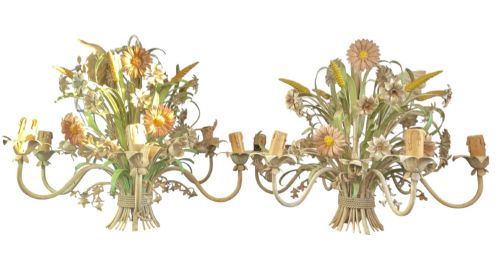
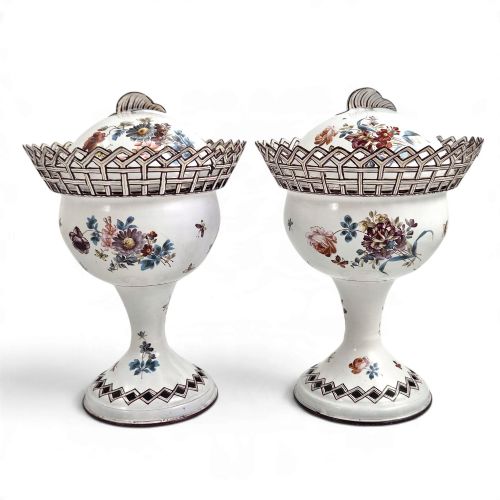
These antique painting on metal pieces bring depth and durability to a room, offering surface detail that holds firm across the centuries.
Antique Painting on Metal
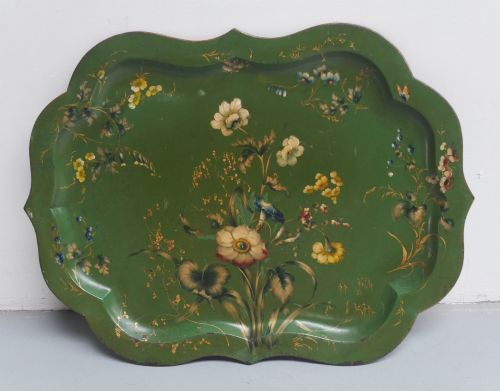
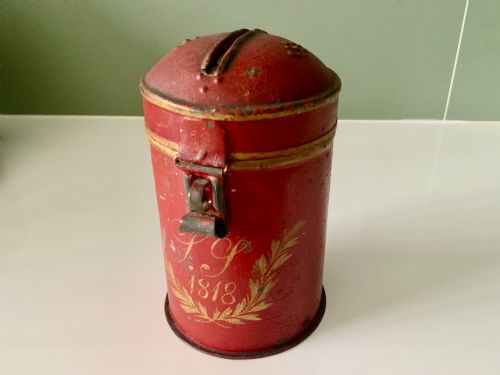
When you search for antique painting on metal, you encounter works executed directly on rigid metallic supports, ranging from eighteenth-century tin panels to nineteenth-century toleware trays and enameled boxes.
The selections on this page span several centuries and styles, including eighteenth-century panels depicting moving clock hands alongside Victorian and Edwardian decorative objects.
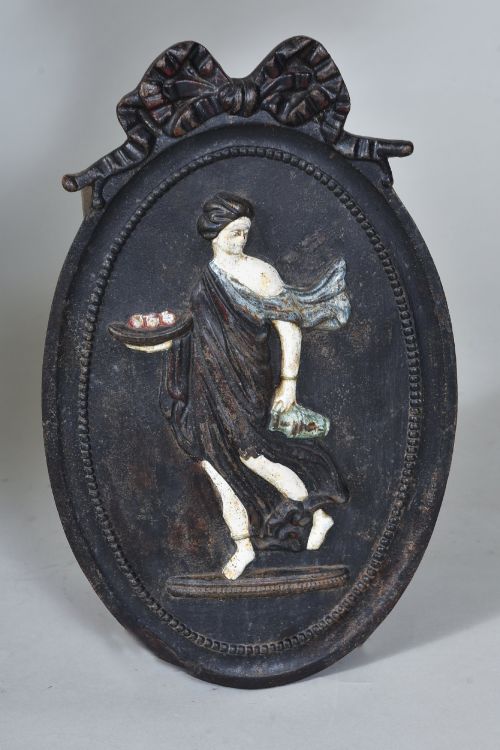
Buyers often find that these items combine utilitarian function with miniature artistry, preserving pigments on tin, iron, or copper substrates through careful conservation.
Materials and Techniques
The creation of these works relies upon preparing rigid metal bases - such as tin, iron, or copper - to receive oil or enamel paints that adhere to the metallic surface.
Artists utilised specialised priming methods to prevent rust and corrosion before applying fine brushwork, sometimes sealing the finished pigment with protective clear varnishes.
Subsequent firing or natural curing processes hardened the painted layers, allowing intricate scenes, portraits, and decorative motifs to survive decades of handling.
Antique Painting on Metal Retail Price Guide 2026
Typical asking prices for painting on metal among the pieces listed under this phrase on Sellingantiques today, from the lower quarter to the upper quarter. They describe what is for sale here now, not the wider market.
Some eighteenth-century tin panels featured moving mechanical clock hands and waterwheels driven entirely by hidden ingenuity.
Distinctions in Quality
Quality rests upon the fineness of the brushwork and the stability of the pigment against the underlying metal ground.
Pieces showing superior draughtsmanship and detailed subject matter distinguish themselves from simpler, utilitarian wares intended for everyday shop or household use.
The integrity of the original surface finish, free from extensive overpainting or flaking, separates well-preserved examples from heavily restored pieces.
Horace Hone·Raymond Subes
The Antique Painting on Metal Glossary
- Toleware
- Painted or lacquered metalware originating in France and Britain during the eighteenth and nineteenth centuries. This term often describes decorative trays, canisters, and lanterns.
- Cold Painted Bronze
- A sculptural technique where bronze figures are painted with cold enamel rather than fired in a kiln. This method produces vivid polychrome details on small animals and desk accessories.
- Enamel
- A glassy substance fused to metal through high-temperature firing to create a durable, glossy surface. It appears frequently on small snuff boxes and portrait miniatures.
- Vernis Martin
- A type of simulated Japanese lacquer developed in France during the eighteenth century. It utilises multiple coats of transparent varnish over painted surfaces to create a lustrous depth.
Antique Painting on Metal: Frequently Asked Questions
What is antique painting on metal?
These works consist of artistic scenes, portraits, or decorative motifs applied directly onto metal supports like tin, iron, or copper during past centuries.
Craftsmen prepared the metallic surfaces to receive and hold fine pigments, creating durable items that avoided the warping common to wooden panels.
How should I clean painted metal objects?
Dust these items gently with a dry, soft cloth to remove surface particles without disturbing the underlying pigment.
Avoid using water, chemical solvents, or abrasive cleaners, as moisture can penetrate hairline cracks and cause rust beneath the paint layer.
Where were these metal items displayed?
Earlier households utilised these pieces in various rooms, placing trays on side tables, hanging lanterns in entryways, and displaying small painted panels on desks.
Their robust metal construction allowed them to function practically while adding colourful decoration to domestic interiors.
How do I identify the age of a piece?
Dating relies upon examining the type of metal substrate, the formulation of the paint, and the stylistic cues of the depicted subject matter.
Manufacturing marks, the oxidation patterns of the metal, and the method of edge preparation also provide reliable clues to the period of origin.