
Antique Painted Vitrine
An antique painted vitrine holds precious objects behind glass while bringing colour and painted panels into a room.

Antique Painted Vitrine
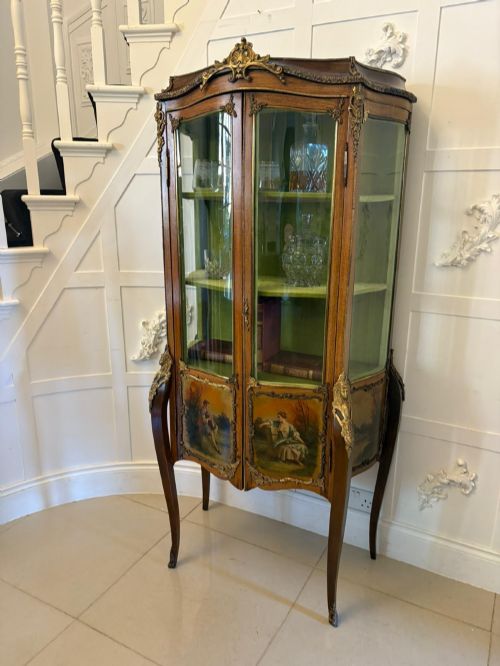
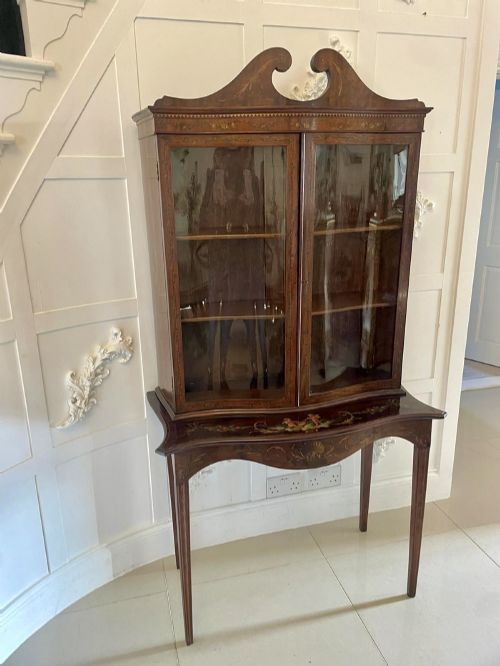
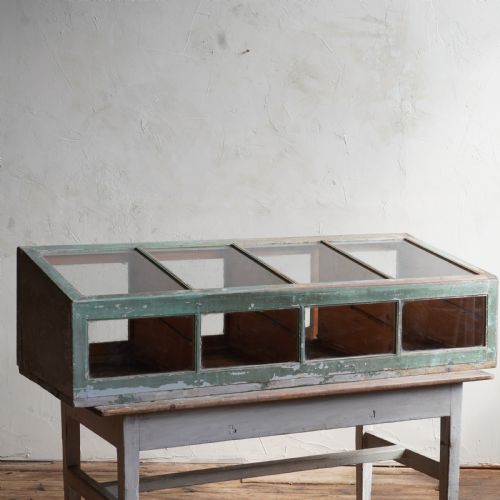
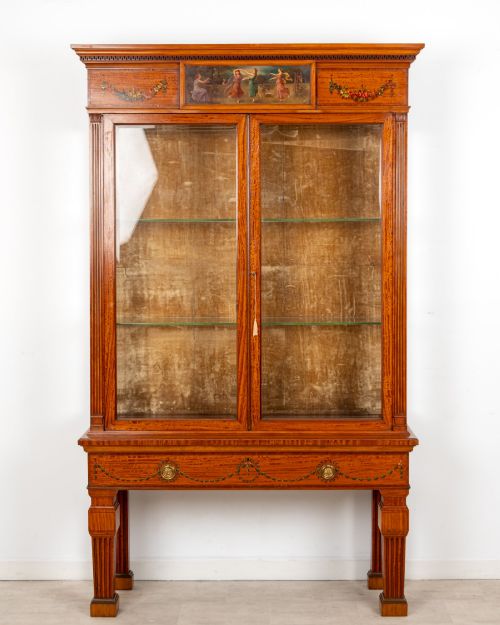
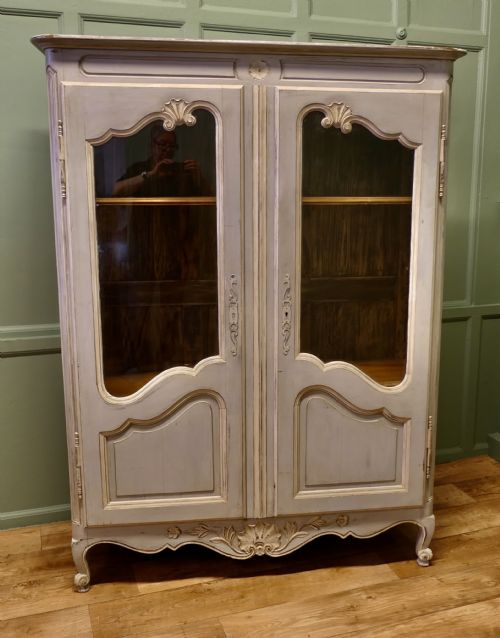
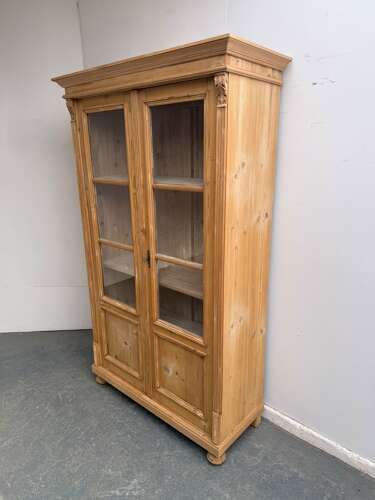
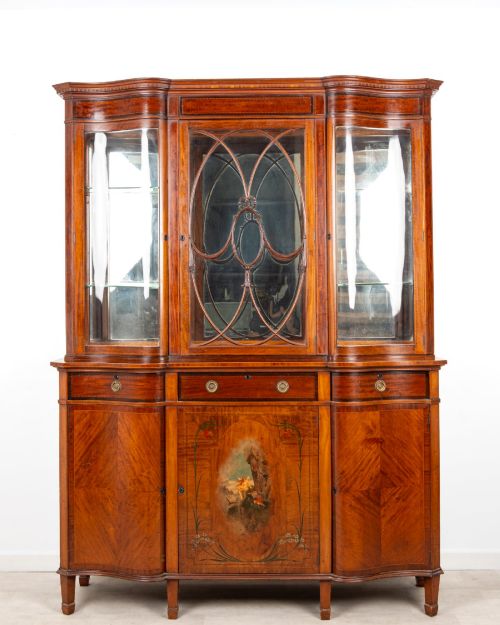
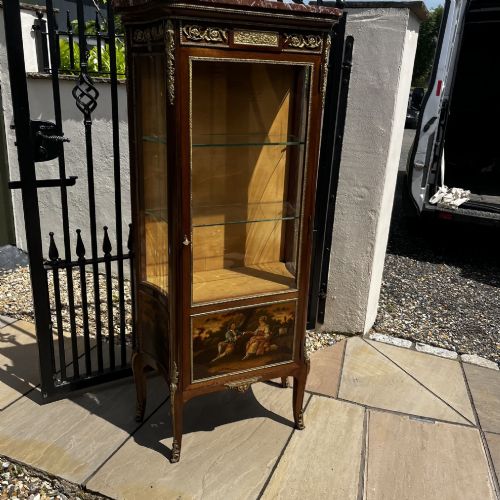
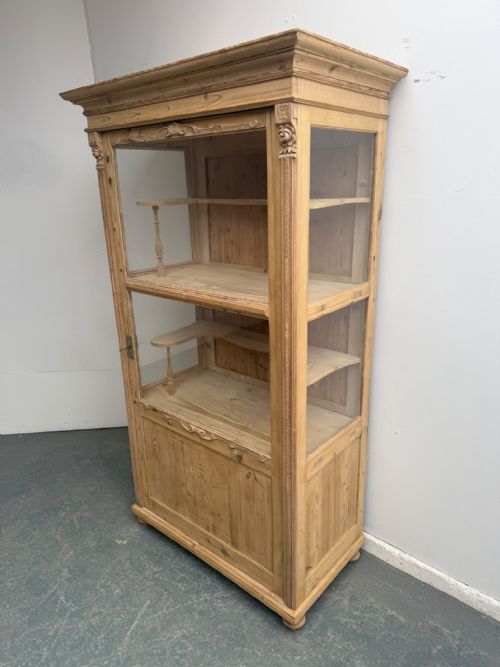
An antique painted vitrine is primarily a display cabinet or glazed bookcase designed to show off porcelain, silver and small collections behind glass panels. These pieces take various forms, from large double-door cabinets and serpentine shapes to compact countertop display cases and wall-hanging units.
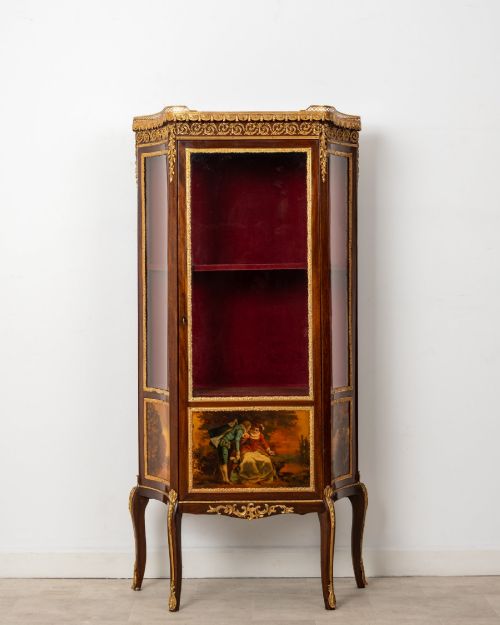
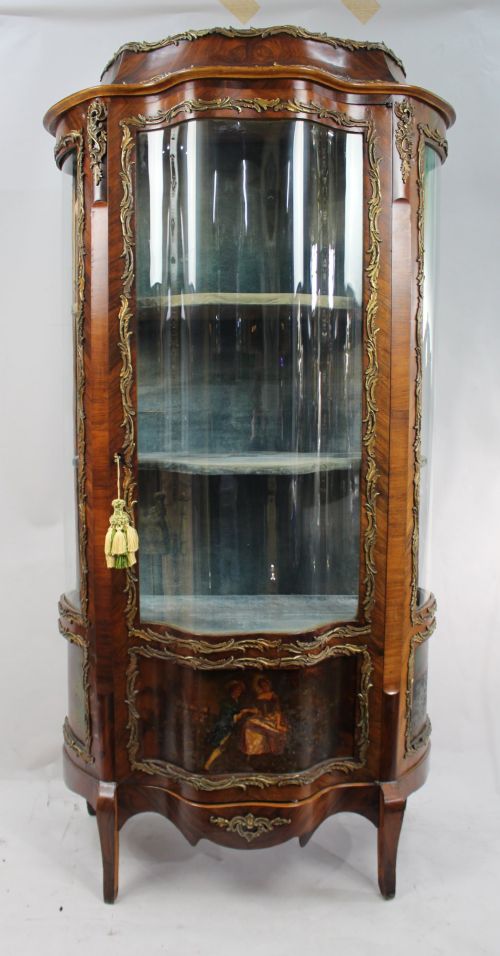
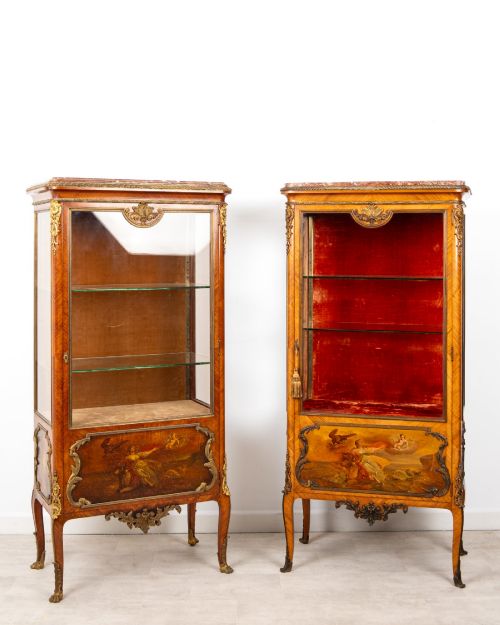
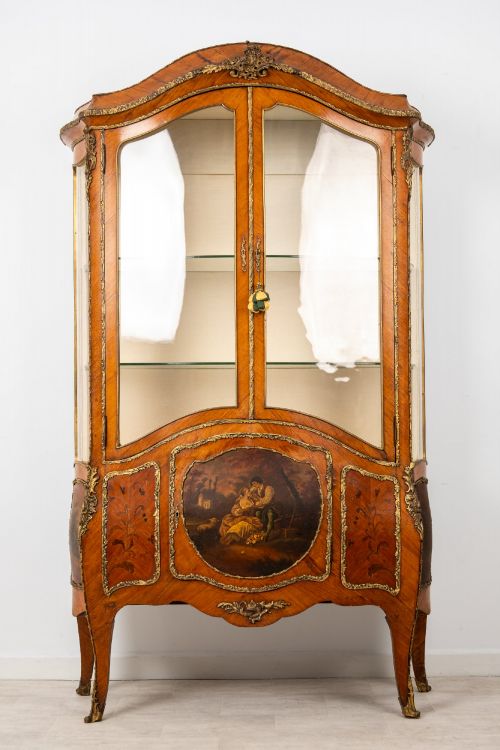
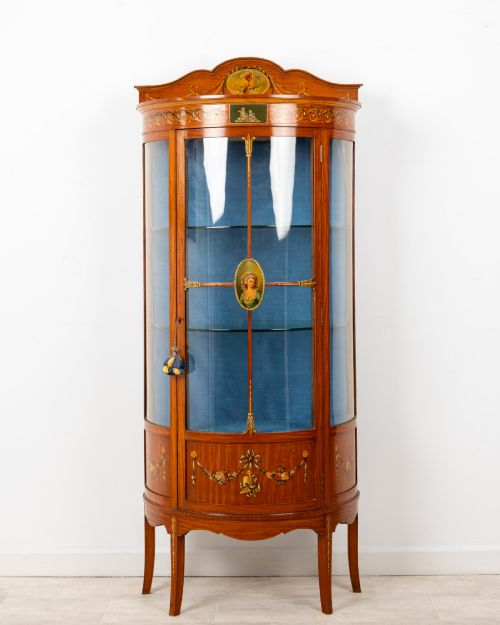
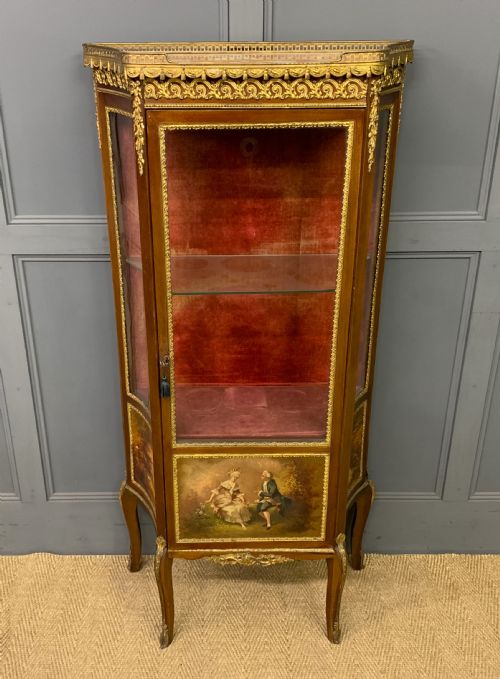
The version most commonly met on this page is the French display cabinet, often finished in the Vernis Martin technique or enriched with ormolu mounts and marble tops. Alongside these French pieces appear English satinwood and mahogany cabinets, alongside Dutch and Italian painted cupboards dating from the eighteenth century to the Edwardian era.
How they were made
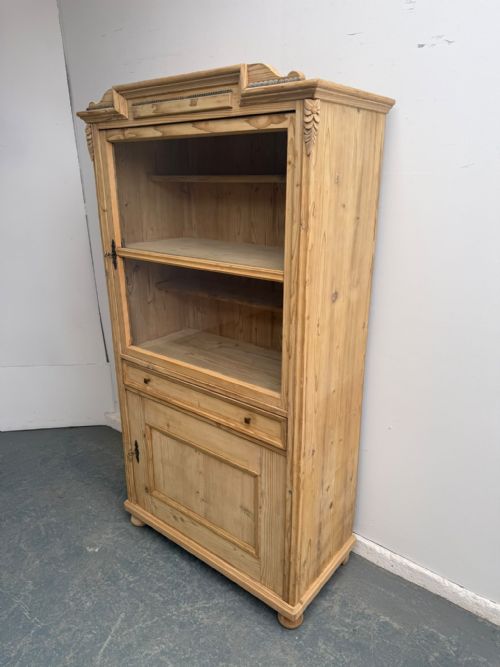
Makers built the foundational carcase from hardwoods like mahogany, kingwood or satinwood, occasionally utilising pine for pieces intended to carry paint. Craftsmen then applied decorative paint finishes, including elaborate Vernis Martin panels depicting figures or landscapes in the manner of French lacquerwork.
Metalworkers added cast ormolu mounts in gilt bronze to frame the glass doors and highlight the structural corners. Many examples incorporated shaped glass, such as bow front or concave panels, requiring specialised glazing techniques to fit the curved wooden frames.
Listings feature cabinets spanning from the eighteenth century to the Edwardian era, incorporating glass, mahogany, kingwood, ormolu, and painted wood.
What varies in quality
The standard of an antique painted vitrine depends significantly on the precision of the painted decoration and the integration of the decorative panels. Hand-painted pictorial work attributed to skilled workshops shows a depth of detail and control absent in simpler, utilitarian painted finishes.
Quality also rests on the choice of underlying timber and the crispness of the gilt bronze ormolu mounts. Cabinets utilising rich veneers like kingwood alongside heavy, finely chased brass mounts demonstrate a higher level of cabinet-making ambition than standard pine or plain mahogany carcases.
Hampton & Sons London·Jewell of Holborn
The Antique Painted Vitrine Glossary
- Vernis Martin
- A simulated lacquer finish developed in eighteenth-century France by the Martin brothers, utilising successive layers of varnish to produce a glossy surface often decorated with pastoral scenes. This technique was frequently revived during the nineteenth century for high-end display cabinets.
- Ormolu
- Gilt bronze mounts applied to furniture for decorative enrichment, cast and chased by hand before receiving a gold wash. These mounts accent the corners, feet and glass frames of fine vitrines.
- Serpentine
- A furniture shape characterised by a line that curves outward at the centre and inward at the sides, creating a dynamic, undulating front profile. This form requires careful woodworking to accommodate glass and doors.
- Satinwood
- A durable hardwood with a lustrous, golden-yellow sheen that takes a fine polish, widely utilised during the Edwardian period for painted display cabinets and decorative furniture.
- Vitrine
- A glass-fronted cabinet specifically constructed for the display of porcelain, curiosities and small art objects. These cases often feature glazed sides as well as doors to maximise light entry.
Antique Painted Vitrine: Frequently Asked Questions
What is a Vernis Martin vitrine?
A Vernis Martin vitrine is a display cabinet decorated with specialised translucent varnishes that mimic Asian lacquer. These pieces often feature painted figures or landscapes on panels integrated into the cabinet doors.
Makers adopted this decorative technique widely during the nineteenth-century revival of French eighteenth-century styles.
How do I light objects inside a vitrine?
Most antique vitrines rely on natural ambient light passing through the glazed front and side panels to illuminate the interior shelves. Placing the cabinet near a window maximises this effect.
Avoid placing modern halogen spotlights directly inside antique wooden cabinets without proper thermal insulation.
Where should I place a painted vitrine?
A painted vitrine functions best in a drawing room, dining room or hallway where ambient temperature remains stable. Keeping the cabinet away from direct sunlight protects both the painted panels and the interior display objects.
Ensure the floor is level so the glazed doors hang true and close evenly.
How do I tell Victorian cabinets apart from Edwardian ones?
Victorian display cabinets often lean towards heavier proportions, darker mahoganies or elaborate revival styles with substantial ormolu mounts. Vernis Martin finishes and serpentine fronts frequently appear in nineteenth-century French examples.
Edwardian cabinets tend to display lighter satinwood frames, more restrained painted decoration and cleaner lines associated with the Sheraton revival.