


Antique Painted Teapot
An antique painted teapot brings hand-decorated ceramic artistry and centuries of domestic history straight to the tea table.
Antique Painted Teapot
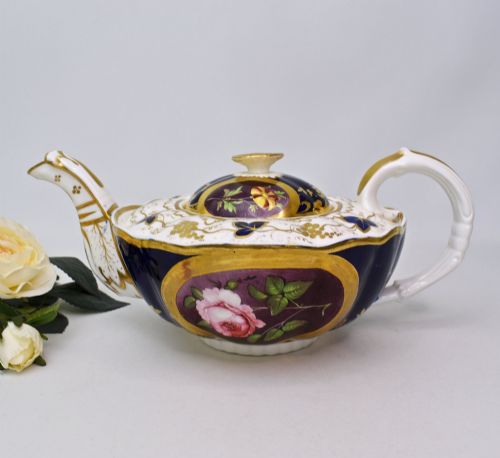
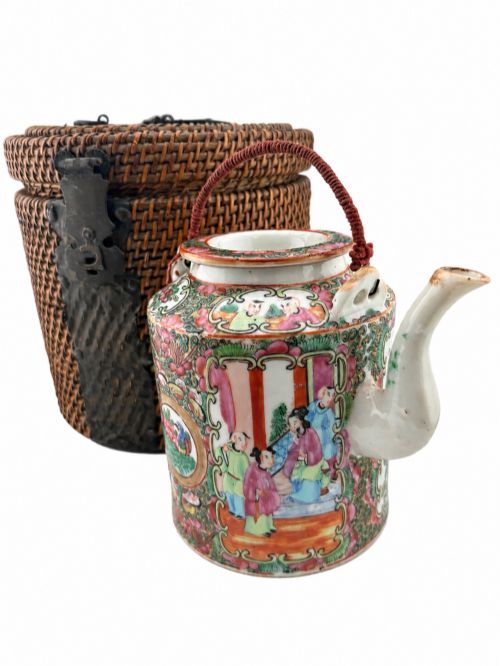
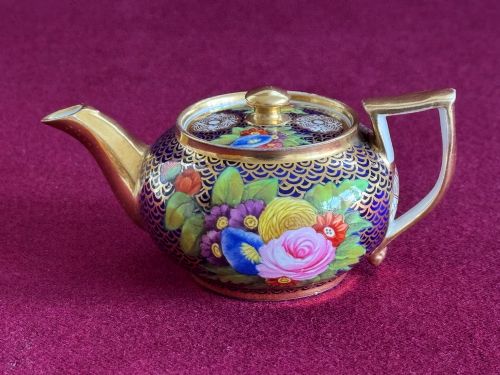
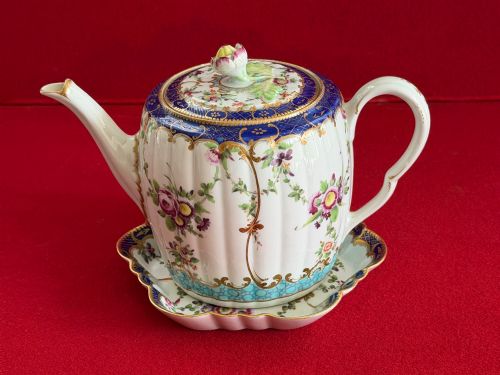
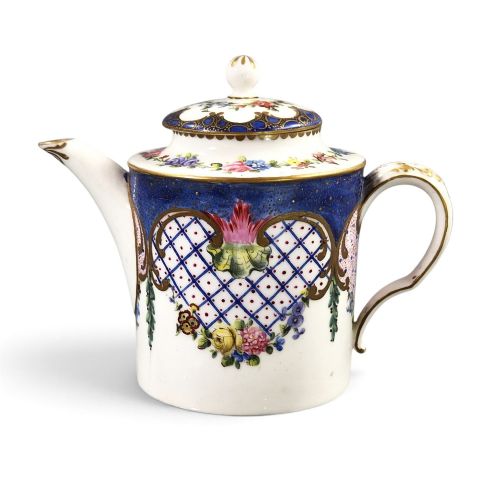
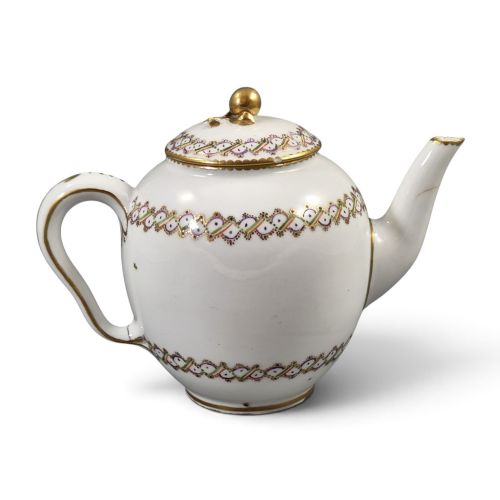
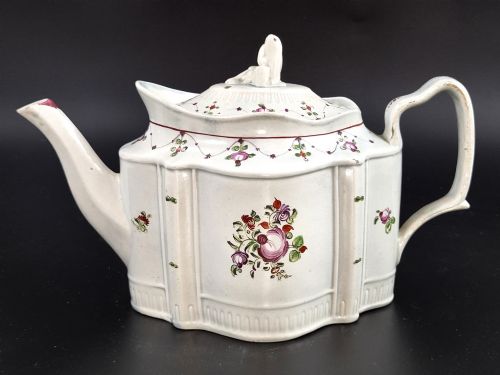
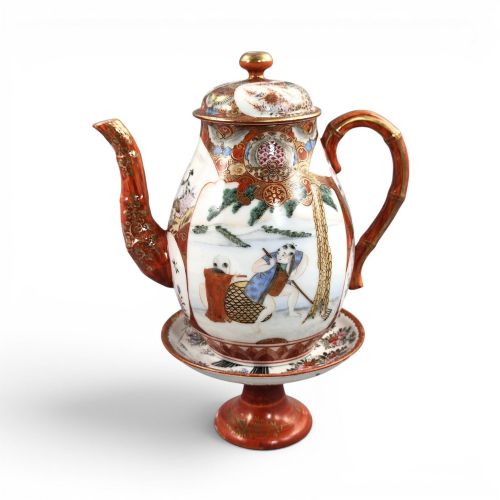
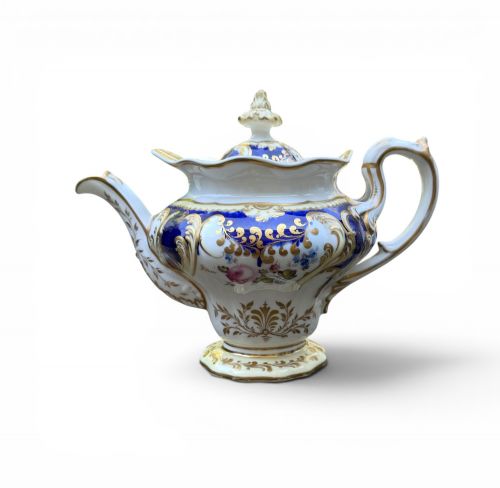
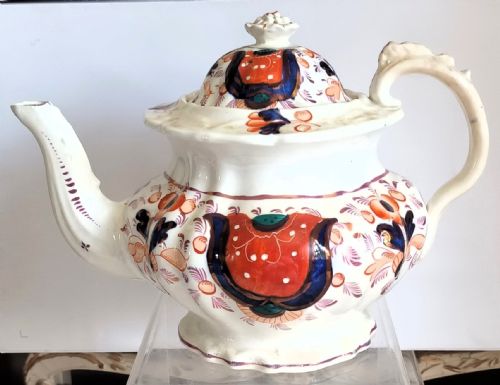
An antique painted teapot encompasses ceramic vessels decorated by hand across the eighteenth, nineteenth, and early twentieth centuries. These pieces emerge from English factories, continental European manufactories, and Asian export kilns alike, taking forms from traditional barrel shapes to commode-shaped bodies and miniature versions.
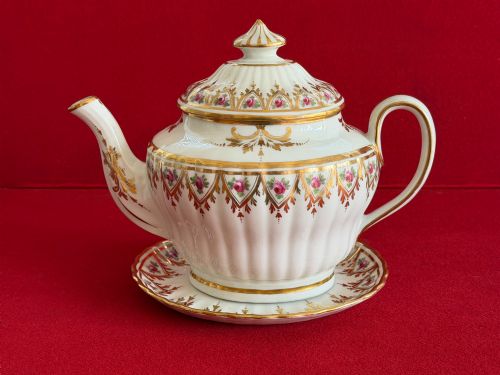
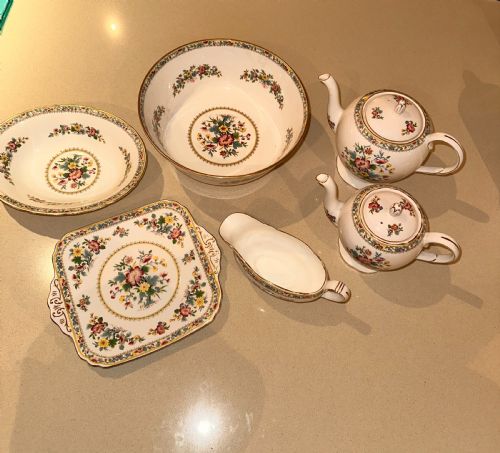
The varieties span soft-paste porcelain, hard-paste porcelain, creamware, and earthenware. Buyers frequently encounter eighteenth-century Georgian examples alongside nineteenth-century Victorian pieces, often accompanied by matching stands or forming part of larger breakfast and tea services.
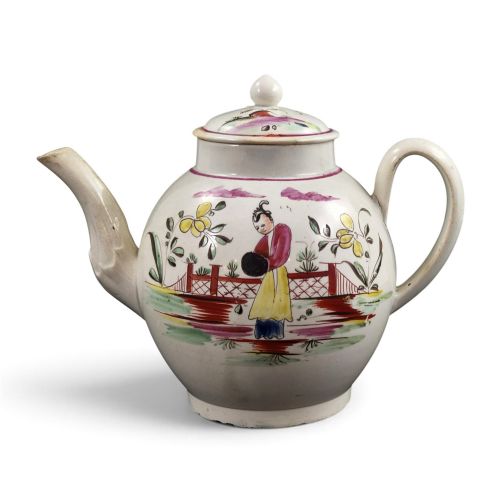
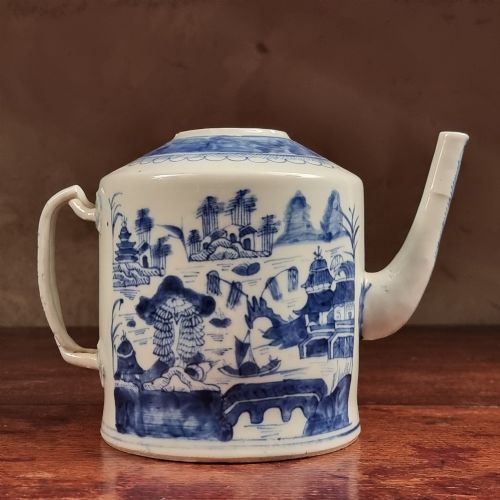
Makers range from domestic porcelain works like New Hall, Worcester, and Spode to Staffordshire potters, French Sèvres and Old Paris houses, and Japanese Kutani workshops. Chinoiserie motifs, enamel flowers, and blue and white designs appear regularly across the selection.
Materials and methods
Potters shaped these vessels using clay bodies such as creamware, soft-paste porcelain, and standard earthenware, frequently forming them in moulds or throwing them on wheels. Artisans then applied underglaze cobalt, polychrome enamels, and gold leaf by hand before firing the ceramics in kilns.
Decoration often involved detailed hand-painting featuring floral sprays, chinoiserie scenes, and geometric patterns, sometimes paired with moulded elements like widow finials or flower head knops. Gilding and cobalt glazes completed the surface work, sealing the pigments into the final glaze layer.
Antique Painted Teapot Retail Price Guide 2026
Typical asking prices for painted teapot among the pieces listed under this phrase on Sellingantiques today, from the lower quarter to the upper quarter. They describe what is for sale here now, not the wider market.
The listings span eight distinct periods, led by the 19th Century and 18th Century, alongside materials ranging from gold leaf and glaze to soft-paste porcelain.
Judging the work
Quality rests in the precision of the hand-painting and the crispness of the moulded details, from delicate enamel flower heads to complex chinoiserie panels. Superior pieces display confident brushwork and well-balanced forms that maintain their aesthetic harmony across different periods.
The refinement of the ceramic body itself, whether translucent soft-paste porcelain or finely potted creamware, distinguishes higher tier production. Preservation of original gilding and matched covers further elevates an example.
New Hall Porcelain·Spode·Royal Sèvres·Royal Worcester·Thomas Wolfe·Philip Christian·Thomas Harley
The Antique Painted Teapot Glossary
- Soft-paste porcelain
- A ceramic composition made from glass paste and white clay fired at lower temperatures than hard-paste porcelain. It produces a warm, slightly creamy glaze often found in eighteenth-century English pieces.
- Chinoiserie
- European decorative style reflecting Chinese artistic motifs and landscapes. Painters applied these imaginative scenes to ceramics during the eighteenth and nineteenth centuries.
- Enamel
- Opaque glass-based pigment fused to the ceramic surface during a secondary firing. It provides the vibrant colours seen on painted teapots.
- Finial
- The small decorative knob situated on top of the teapot lid. Common forms include floral shapes and moulded widow figures.
- Creamware
- A refined light-coloured earthenware developed in England during the eighteenth century. It offers a smooth surface suited for painted decoration.
Antique Painted Teapot: Frequently Asked Questions
How do I date an antique teapot?
Dating relies on stylistic clues, paste composition, and painted motifs that align with specific manufacturing periods. Eighteenth-century pieces often feature soft-paste bodies and hand-pencilled chinoiserie, while later nineteenth-century examples shift towards bolder earthenware and transfer-printed or heavier enamel palettes.
Examining the shape, such as Georgian barrel forms versus Victorian rococo curves, narrows the decade of production. Maker marks, where present, offer definitive production windows.
Can I still use my antique teapot?
Using these vessels requires caution due to hairline fractures, fragile nineteenth-century gilding, and historical repairs. Thermal shock from boiling water can crack aged ceramic bodies that survived centuries without stress.
Most collectors prefer display over daily use to preserve delicate enamel painting and gold leaf. If brewing tea, warm the pot gently beforehand with tepid water.
What is a teapot stand?
A teapot stand is a matching ceramic plate designed to protect wooden tables from heat and moisture. Eighteenth-century Georgian sets frequently included these matching trays alongside the main vessel.
They share the same painted patterns and porcelain bodies as the teapots they accompany. Finding a teapot with its original stand remains uncommon.