


Antique Painted Table
An antique painted table brings surface colour and vernacular character to a room, spanning rustic pine cricket tables and polished satinwood designs.
Antique Painted Table
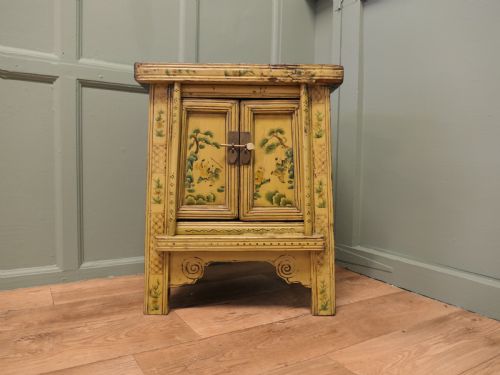
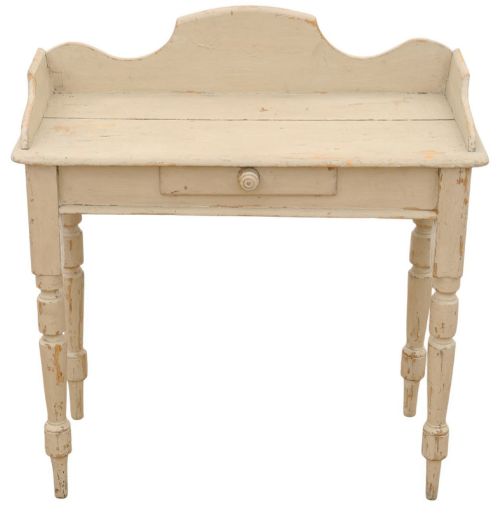
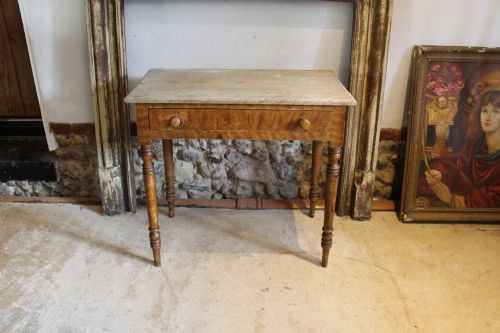
When you search for an antique painted table, you encounter a broad spectrum of domestic furniture ranging from simple 19th-century pine farmhouse and dairy tables to refined Georgian and Regency occasional pieces. These items serve practical functions as side tables, writing desks, console tables, and bedside cabinets while displaying decorative painted surfaces.
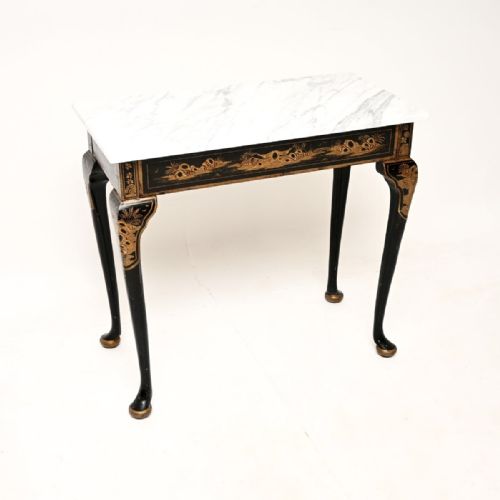
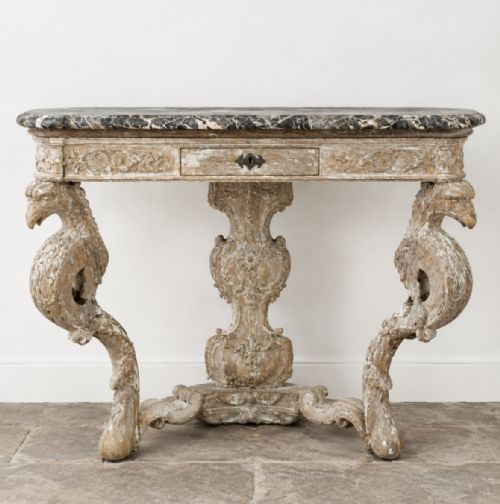
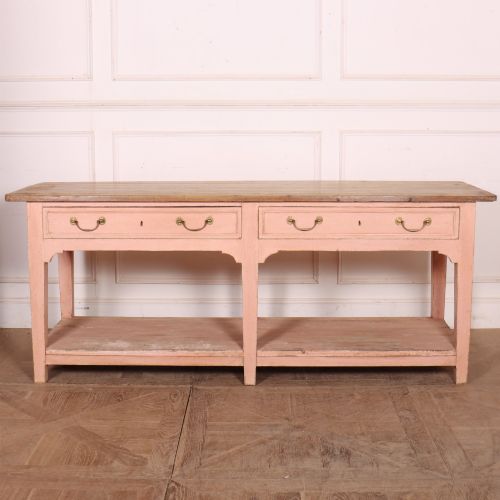
The selection frequently includes pieces finished in original scumble, plain cream or red paint, alongside more elaborate decorative treatments such as Chinoiserie lacquer and parcel gilt detailing. Vernacular items like the painted pine cricket table appear alongside cosmopolitan French console tables and Edwardian satinwood designs.
Originating across British, French, Swedish, and Asian workshops, these tables demonstrate how different periods adapted colour and pigment to timber. The domestic utility of each form remains intact, whether intended for a hallway, a corner, or beside a bed.
How they were made
Makers utilised available timbers such as pine, oak, satinwood, walnut, and beech as foundational substrates for decorative surface treatments. Carpenters constructed frames using traditional joinery before applying coats of lead-based paint, distemper, or protective lacquer.
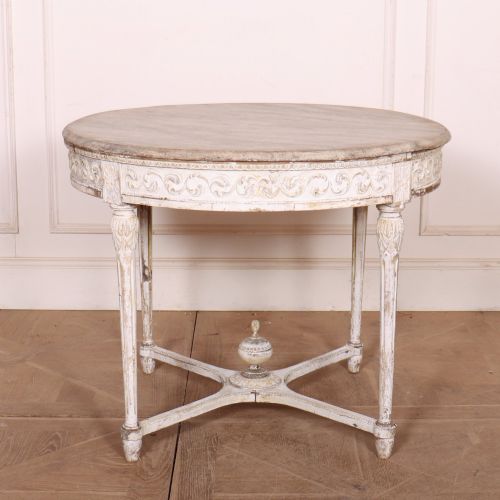
Surface ornamentation involved hand-painting, scumbling to imitate grain or age, japanning, and gilding with ormolu mounts. Artisans built up layers of colour and varnish, sometimes incorporating faux marble finishes or intricate Chinoiserie motifs directly onto the wood.
Antique Painted Table Retail Price Guide 2026
Typical asking prices for painted table among the pieces listed under this phrase on Sellingantiques today, from the lower quarter to the upper quarter. They describe what is for sale here now, not the wider market.
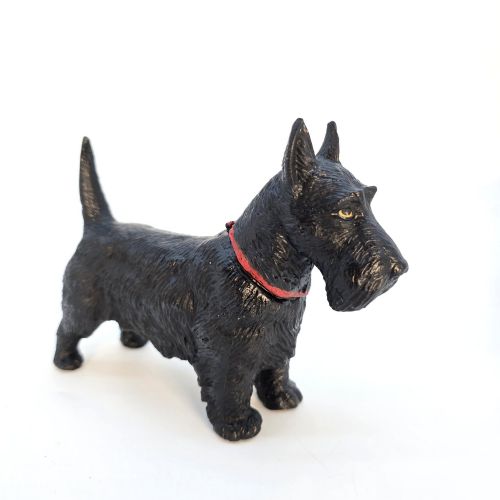
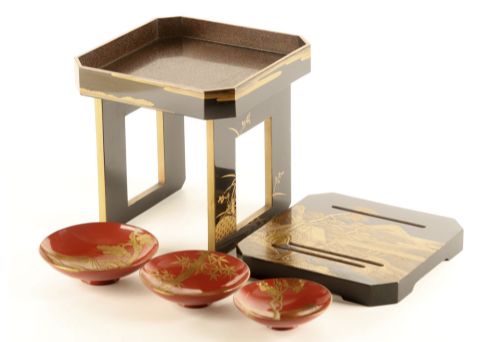
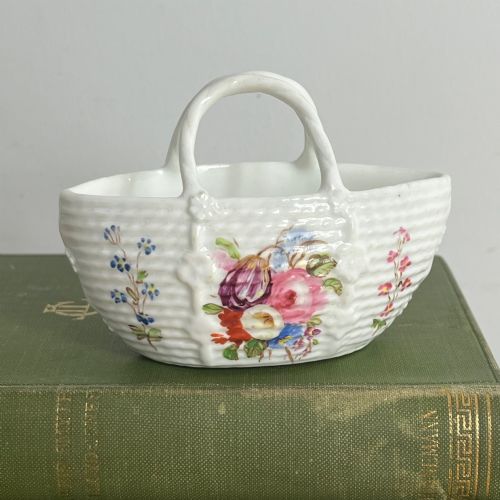
A cast metal table lighter shaped as a Scottie dog keeps company with porcelain baskets and miniature sake cups.
What varies in quality
The integrity of the original surface finish largely determines the standing of a piece, distinguishing items retaining untouched historic paint from later or repeated decoration. The subtlety of the hand-painted detailing, whether delicate floral motifs or complex lacquer work, separates standard utility furniture from finer artistic output.
Construction methods and timber selection also differentiate the range, with dense hardwoods and well-proportioned vernacular framing holding greater structural stability than hurried or over-restored examples.
Edwards & Roberts·Achille Brocot·Flight Barr & Barr
The Antique Painted Table Glossary
- Cricket table
- A small, lightweight three-legged table with a round top, typically constructed from pine and originating in rural domestic settings.
- Chinoiserie
- A European decorative style in the spirit of Chinese art, frequently executed in raised lacquer with gold and polychrome paint.
- Scumble
- A technique of applying a translucent layer of darker paint over a lighter base coat to create mottled or faux-grain visual effects.
- Demilune
- A half-moon shape characteristic of console and side tables designed to sit flush against a wall.
- Japanning
- A European imitation of East Asian lacquering, involving layered varnishes cured by heat and decorated with painted motifs.
Antique Painted Table: Frequently Asked Questions
What is a cricket table?
A cricket table is a traditional three-legged round table usually made of pine, designed to stand firm on uneven stone or flagged floors.
These pieces served as versatile household stands for domestic tasks in vernacular settings.
How do I identify original paint?
Original paint shows natural wear, craquelure, and integration with the underlying timber through decades of oxidation.
Layers of later overpaint often obscure the subtle texture and dry appearance characteristic of historic finishes.
Where should I place a console table?
Console tables sit flat against a hallway, drawing room, or dining room wall, often positioned beneath a mirror or painting.
They provide a slim surface for lamps, clocks, and decorative objects without obstructing walking space.
What is Chinoiserie decoration?
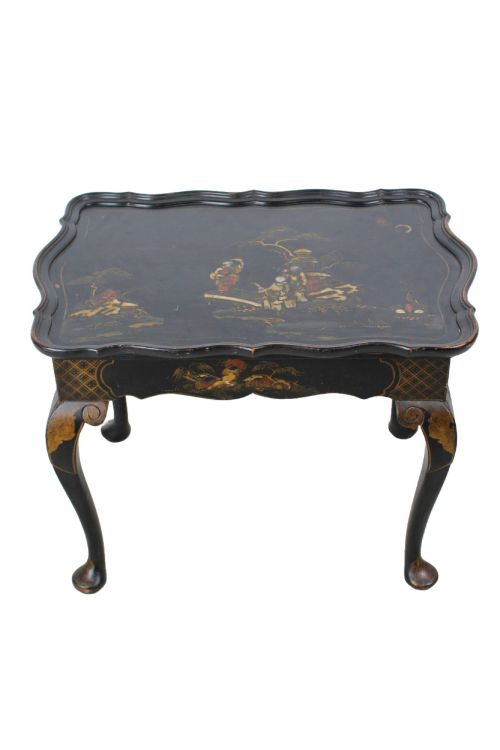
Chinoiserie is a European interpretation of Chinese aesthetic traditions, featuring painted figures, landscapes, and pavilions on lacquered surfaces.
Cabinetmakers utilised this style across 18th-century pieces and later Victorian and Edwardian revivals.