


Antique Painted Display Vases
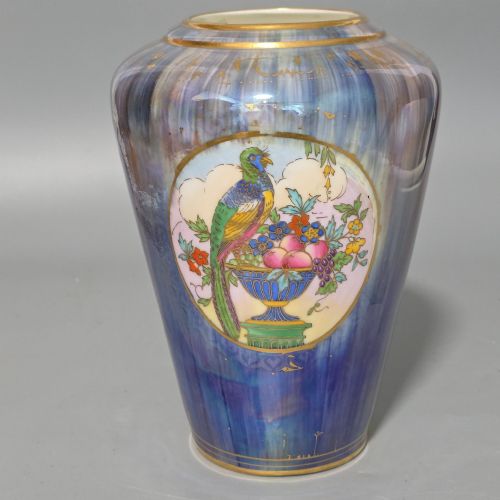
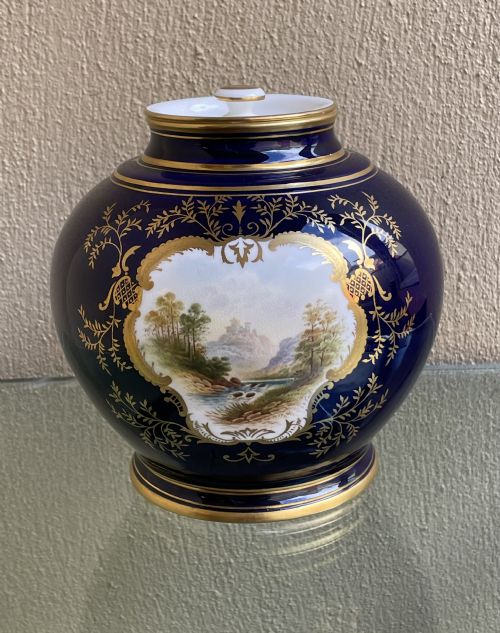
These antique painted display vases combine rich colour and intricate brushwork, drawing the eye whether placed on a mantel or showcased in a cabinet.
Antique Painted Display Vases
When you search for antique painted display vases, you encounter vessels created primarily for ornamental impact rather than utilitarian holding of flowers. These pieces span centuries of global ceramic and glass traditions, with nineteenth-century examples dominating the selection.
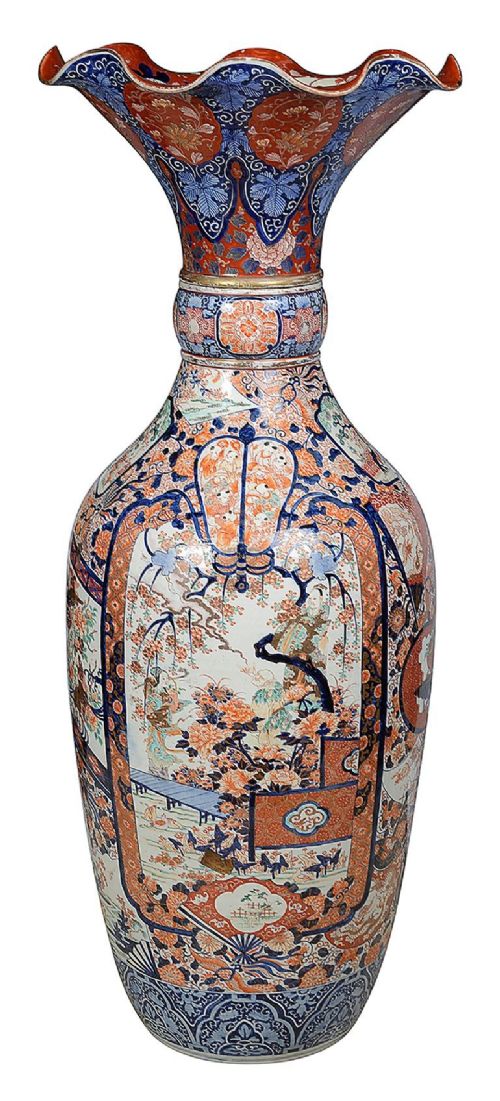
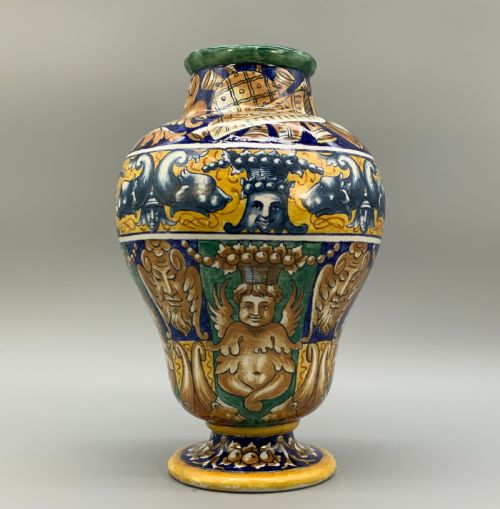
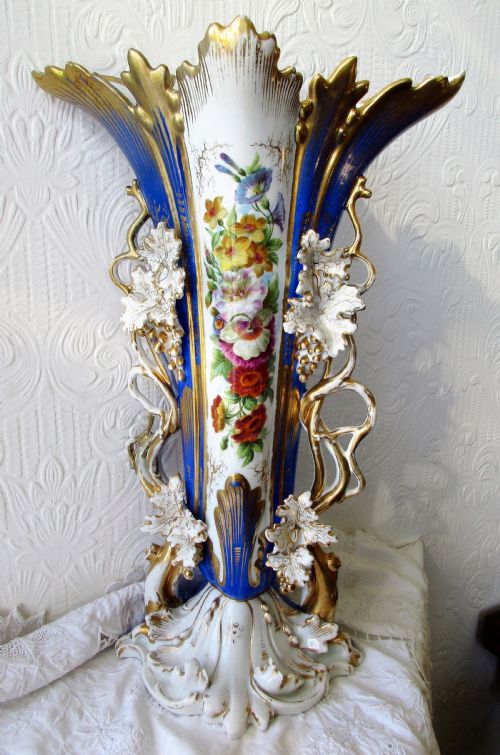
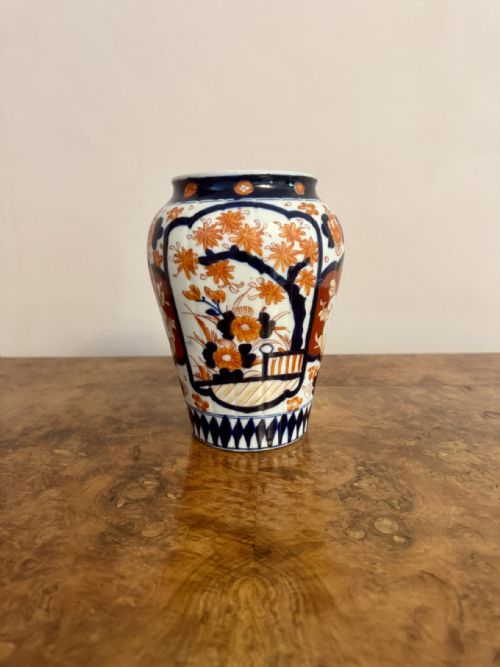
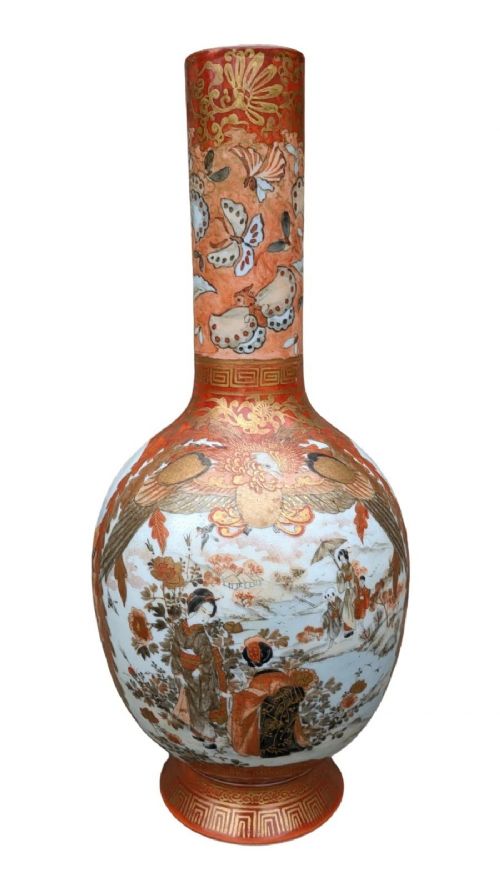
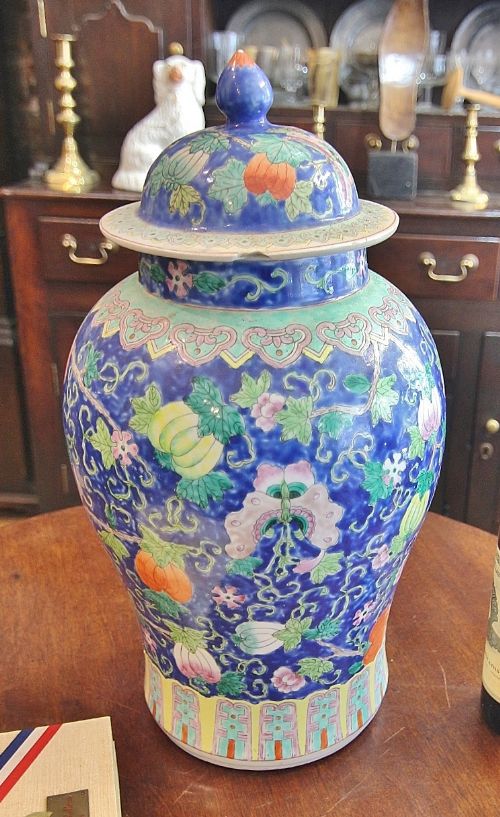
The assortment on this page ranges from monumental Japanese Satsuma and Imari earthenware to delicate English porcelain, Dutch Delft faience, and Continental glazed urns. Forms vary from floor-standing jars and covered ginger jars to slender mantel vases and decorative lustres.
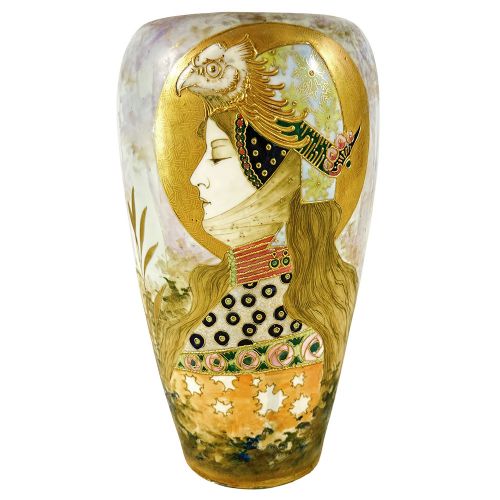
Makers utilised diverse cultural motifs, applying hand-painted scenes of landscapes, figural processions, and botanical patterns. Buyers frequently select these items to anchor a room scheme or add historical depth to an interior display.
How they were made
Potters shaped bodies from porcelain, earthenware, and faience before applying base glazes and hand-painted pigments. Artisans then integrated gold leaf and raised enamel details to achieve layered surface textures.
Kiln firing fixed the underglaze cobalt and polychrome enamels, while gilt highlights and delicate overpainting often required secondary, lower-temperature firings. Glass examples utilised opaque opaline grounds painted with detailed botanical and scenic compositions.
Parrots, flying swans, and five-claw dragons share shelf space with serene Japanese landscapes.
What varies in quality
The distinction between ordinary and superior pieces rests upon the precision of the brushwork and the complexity of the painted composition. Skilled artists achieved greater depth through nuanced shading, fine line work, and the harmonious integration of gilding.
Subtlety in the glaze finish and the crispness of moulded or thrown forms further separate workshop productions. Pieces bearing documented signatures or notable studio marks demonstrate higher standards of artistic execution.
Nicholas Kannhauser for Reissner Stellmacher and Kessel·Minton·Coalport·Royal Vienna·Wedgwood·Baccarat·Royal Worcester
The Antique Painted Display Vases Glossary
- Imari
- A Japanese porcelain style characterised by underglaze blue and iron red, frequently enriched with gold leaf. It originated in Arita and gained popularity across European export markets during the nineteenth century.
- Satsuma
- An earthenware pottery type with a fine crackle glaze, typically decorated with intricate polychrome designs and heavy gilding. Much of this ware was produced in Kyoto for international exhibitions.
- Faience
- Tin-glazed earthenware produced across Europe, notably in Delft and Italy. The white opaque glaze provided a smooth ground for hand-painted blue and white or polychrome scenes.
- Lustre
- A metallic or iridescent glaze finish that reflects light with a pearlescent sheen. Makers applied this technique to ceramics and glass to create shimmering decorative surfaces.
- Chinoiserie
- A European artistic style reflecting Chinese aesthetic influences, featuring painted landscapes, pagodas, and exotic birds. It appears frequently on Dutch delftware and English porcelain.
Antique Painted Display Vases: Frequently Asked Questions
Where were these vases meant to be placed?
These pieces were designed for prominent placement in reception rooms, on mantels, and inside display cabinets. Their primary purpose was visual enrichment rather than everyday utility.
Larger floor standing versions occupied corners or entrance halls, while miniature and covered jars sat securely on tables or enclosed shelves.
What is a mantel lustre?
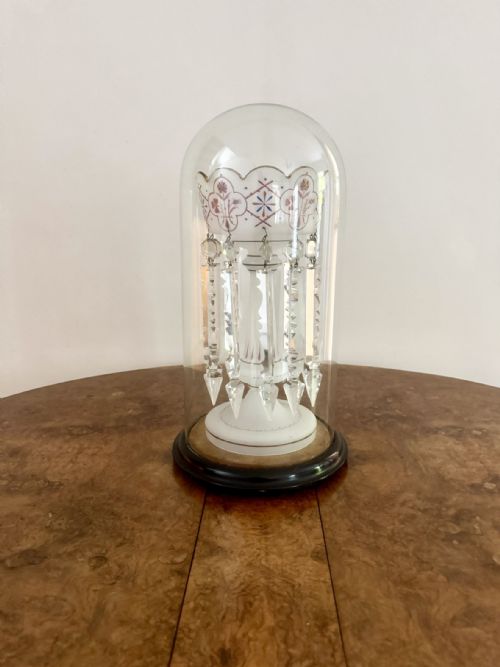
A mantel lustre is an ornamental vase fitted with hanging glass prisms intended to catch and refract candlelight. They stood upon fireplaces alongside matching garniture sets during the Victorian period.
The reflective glass pendants enhanced the visual brilliance of the painted ceramic or glass body behind them.
Are painted display vases fragile?
These vessels require careful handling due to their delicate surface decoration, applied enamel work, and fragile gilt highlights. Dusting should be performed gently with a soft dry cloth without abrasive cleaners.
Placing them away from direct sunlight preserves the vibrancy of the hand-painted pigments over time.