
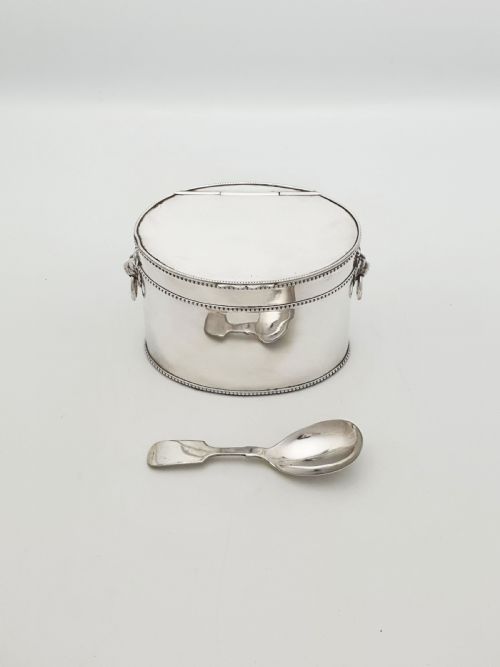
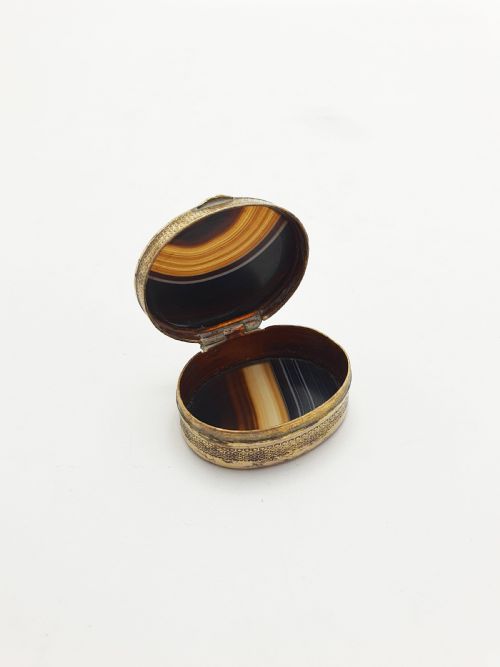


Antique Oval Caddy
An antique oval caddy is a refined wooden or silver receptacle built to store dried leaves safely.
Antique Oval Caddy
When you search for an antique oval caddy, you are looking at domestic storage vessels designed primarily for preserving precious tea leaves during the eighteenth and nineteenth centuries. These curvaceous containers appear frequently in mahogany, satinwood, and sterling silver across Georgian, Victorian, and Edwardian periods.
How they were made
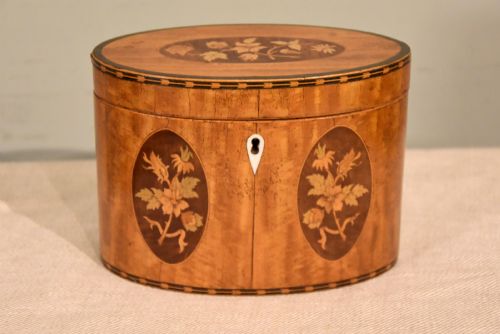
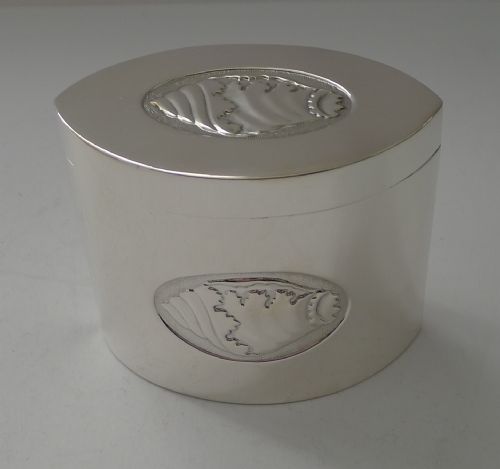
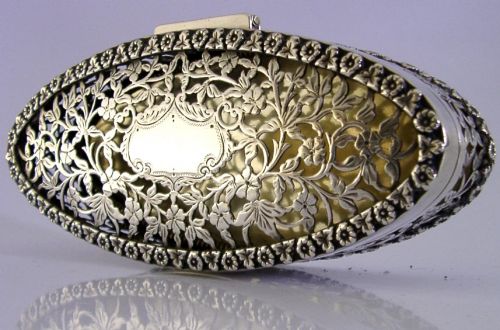
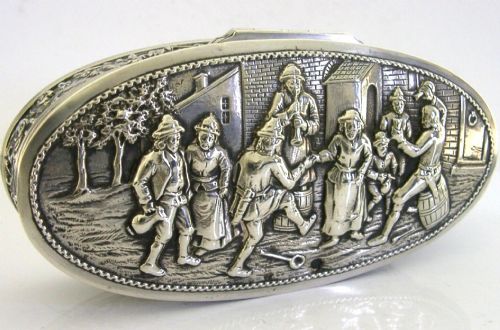
Cabinetmakers constructed wooden versions using timbers such as mahogany, satinwood, walnut, and harewood, frequently applying intricate inlay work like conch shells. Metal iterations utilise solid sterling silver, silver plating, or brass, sometimes paired with decorative elements like lion mask handles.
Detailing often incorporates boxwood and ebony stringing, alongside bone or ivory accents on specific nineteenth-century pieces. Skilled hands shaped the wood and hammered the metals to achieve the smooth contours defining this shape.
Some nineteenth-century caddies secretly hid tiny interior compartments designed to keep the tea lock and key safely out of reach.
What varies in quality
The distinction between ordinary and exceptional pieces rests upon the precision of the timber selection and the subtlety of the inlay. Finely figured grains and crisp shell motifs demonstrate superior craftsmanship compared to plain surfaces.
Weight and structural integrity also dictate the tier of an object, particularly in silver and brass examples where gauge and heft indicate substantial manufacture. Surface patination reveals how well a piece has aged and how carefully previous owners maintained the finish.
William Rudkins
The Antique Oval Caddy Glossary
- Cellarette
- A large container originally built to hold bottles of wine or spirits near the dining table. They share the curving oval form seen on smaller storage boxes.
- Inlay
- A technique where contrasting woods or shells are inserted into recesses within the primary timber surface. This creates decorative patterns across the lid and sides.
- Satinwood
- A durable, lustrous timber with a golden sheen frequently employed by eighteenth-century cabinetmakers. It provides a bright surface for geometric stringing.
- Stringing
- Thin lines of contrasting wood inlay used to outline the edges of panels and lids. It frames the curved shape with neat precision.
- Hallmark
- Official stamps pressed into silver objects to denote the assay office, standard of metal, and date of manufacture. These marks help establish the exact period of origin.
Antique Oval Caddy: Frequently Asked Questions
What is an antique oval caddy?
These pieces are lidded receptacles originally created to store and protect dry tea leaves from moisture and loss of flavour. They evolved as decorative objects for the principal rooms of historic houses.
Today, they serve as versatile trinket boxes or striking decorative accents on sideboards and desks.
How do I date an oval caddy?
Dating relies upon observing the timber species, the style of inlay, and any accompanying metal hallmarks. Georgian examples often feature satinwood and shell motifs, while Edwardian pieces introduce alternative handle designs.
Comparing construction techniques and interior linings provides further clues regarding the decade of manufacture.
Were these caddies only made of wood?
While timber remains common, makers also utilised sterling silver, silver plating, and brass. Some examples incorporate tortoiseshell, bone, and glass.
Each material dictates the specific weight and decorative vocabulary of the individual box.
How do I clean wooden caddies?
Wood surfaces respond best to gentle dusting with a soft, dry cloth to preserve the historic patina. Avoid liquid cleaners and harsh polishes that can damage old finishes.
Silver versions require appropriate metal care cloths used sparingly to maintain the natural sheen without removing hallmarks.