
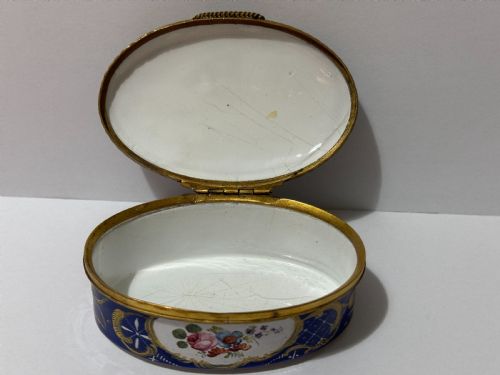


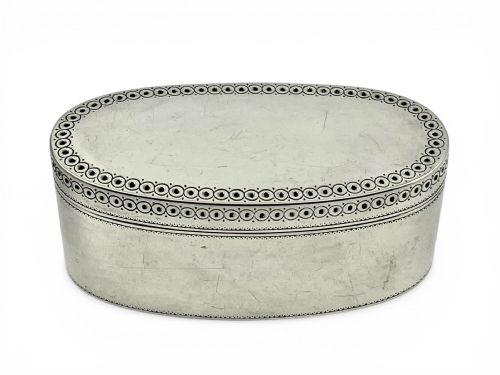


Georgian Oval Box
A georgian oval box combines neat domestic utility with the warm touch of period timber or precious metal.
Georgian Oval Box
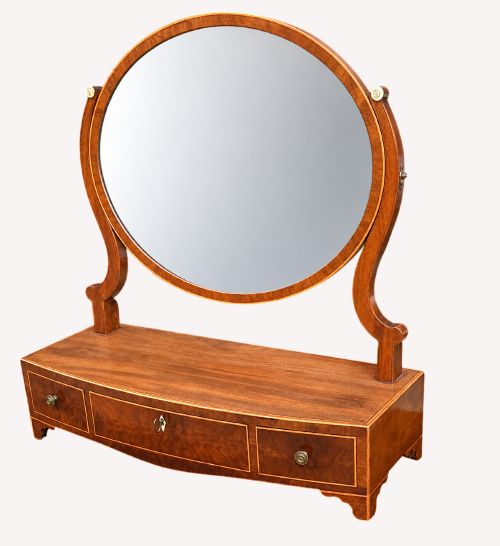
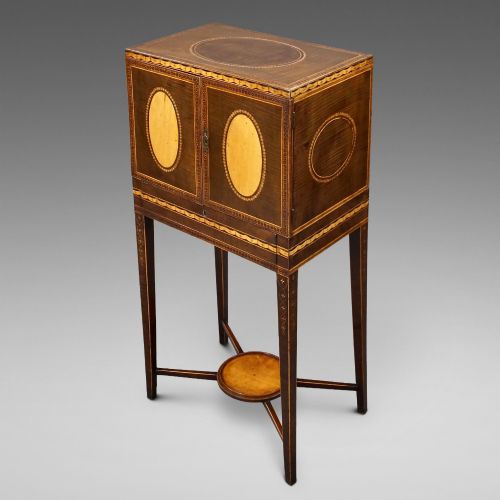
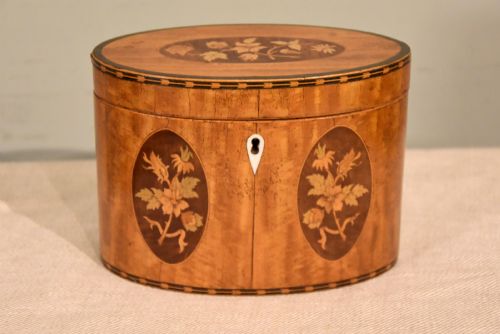
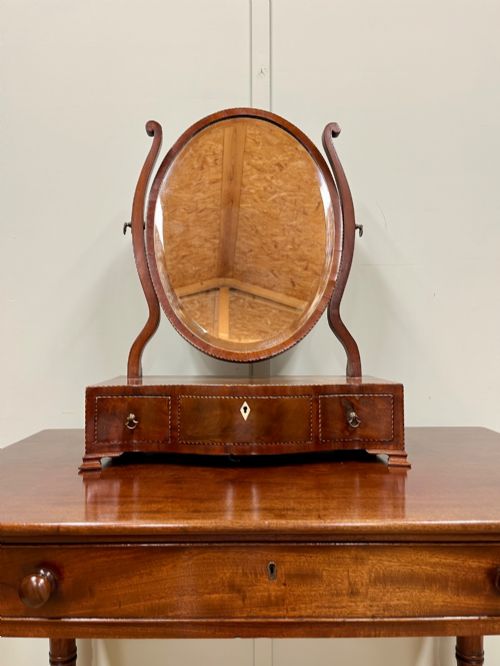
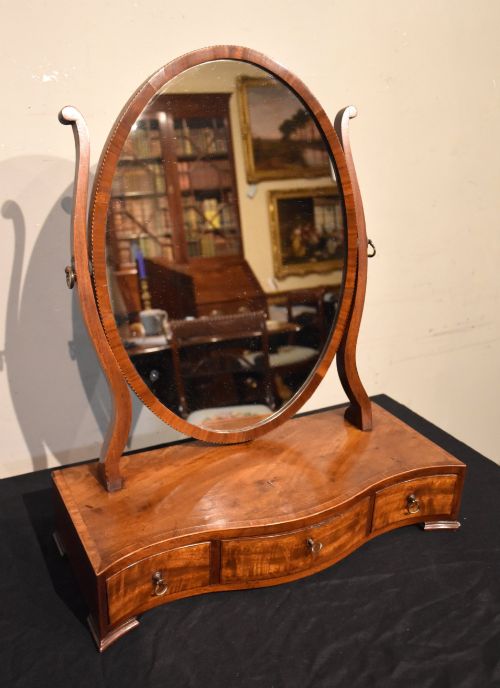
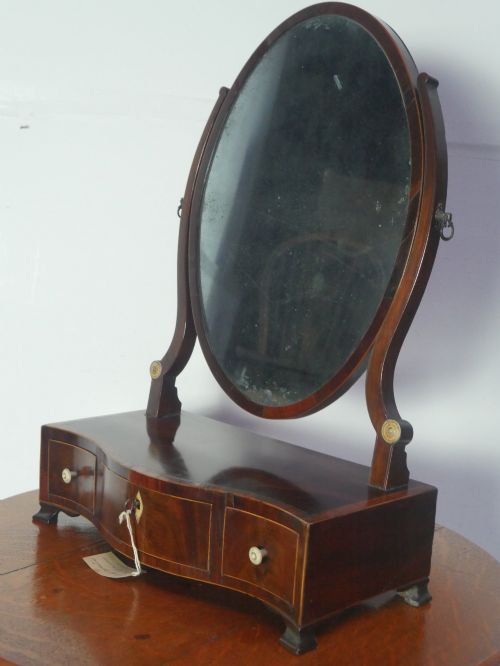
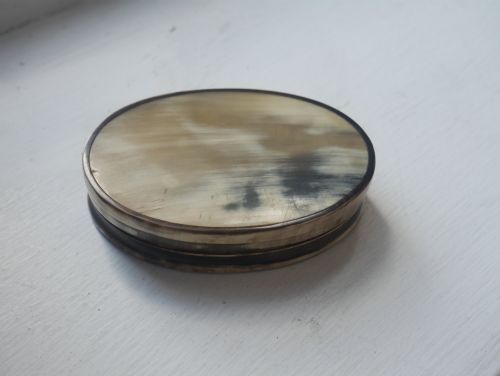
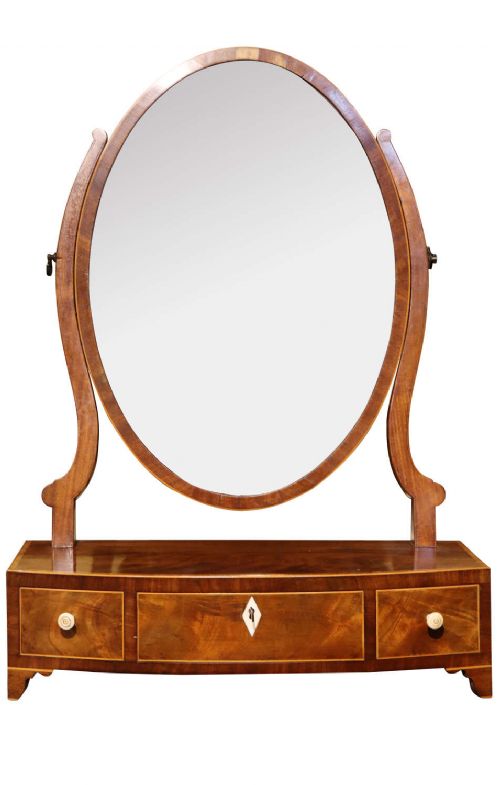
When you search for a georgian oval box, you encounter small personal containers alongside larger receptacles designed for tea, spices, or mirrors. The pieces appearing here span tea caddies, snuff boxes, and dressing table mirrors that utilise the characteristic curved outline.
Makers of the period shaped these items in mahogany, satinwood, and harewood, frequently pairing them with silver mountings or intricate crossbanding. The selection reflects domestic life of the eighteenth and nineteenth centuries through portable items meant for daily use.
How they were made
Cabinetmakers constructed wooden boxes using solid mahogany, walnut, or satinwood frames, often applying delicate veneers and stringing in harewood or boxwood. Metal containers relied on sterling silver, gold, and brass, shaped through casting, chasing, and bright-cut engraving.
Enamel surfaces on small patch and snuff boxes required skilled application over copper bases, while tortoiseshell and horn were softened and pressed to fit snugly around metal cores.
The listings span the Georgian, Regency, and Victorian periods, incorporating materials from sterling silver and gold to tortoiseshell, horn, and mahogany.
What varies in quality
The distinction between standard examples and exceptional pieces rests upon the crispness of the inlay and the depth of the timber's grain. Superior items maintain their original hinges, interior compartments, and locks without modern replacement parts.
Engraving on silver and gold boxes demonstrates the hand of a master silversmith through clean, resolute lines that retain their sharpness after centuries of handling.
Jacob Amyand·William Rudkins·Samuel Pemberton·Joseph Ash·Phipps and Robinson·Mappin and Webb
The Georgian Oval Box Glossary
- Tea caddy
- A small container originally built to store dry tea leaves securely under lock and key. These receptacles often featured internal compartments and fitted lids.
- Vinaigrette
- A small ornamental box containing a perforated internal grille that held a sponge soaked in aromatic vinegar. Victorians and Georgians carried them to counteract unpleasant odours in public spaces.
- Crossbanding
- A decorative border technique where strips of veneer are laid so their grain runs at right angles to the surrounding wood. This method framed the central panels of high-status tables and boxes.
- Patch box
- A small pocket container used to hold cosmetic fabric patches applied to the face. They frequently incorporated mirrors inside their hinged lids.
Georgian Oval Box: Frequently Asked Questions
What were small oval boxes used for?
These compact receptacles served to hold dry snuff, medicinal pills, or cosmetic patches for personal use throughout the day.
Their pocket-sized dimensions ensured they remained close at hand for fashionable owners in social settings.
How do I identify a Georgian tea caddy?
Look for distinct period wood veneers such as mahogany or satinwood paired with original brass escutcheons and internal foil linings.
Many examples feature an oval silhouette supported by small bracket feet or flat bases designed to sit upon sideboards.
Are silver boxes marked with hallmarks?
Most sterling silver and gold pieces carry clear assay office marks, maker's stamps, and date letters stamped directly into the metal.
These marks help establish the exact year of creation and the workshop responsible for shaping the item.
What distinguishes Sheraton style furniture?
Sheraton designs rely on geometric elegance, contrasting veneer borders, and light-toned woods like harewood and satinwood.
Pieces from this aesthetic emphasise symmetry and refined classical proportions rather than heavy carving.