

Antique Outdoor Statue
These antique outdoor statue pieces bring classical presence and quiet character to garden paths, terraces and lawns.
Antique Outdoor Statue
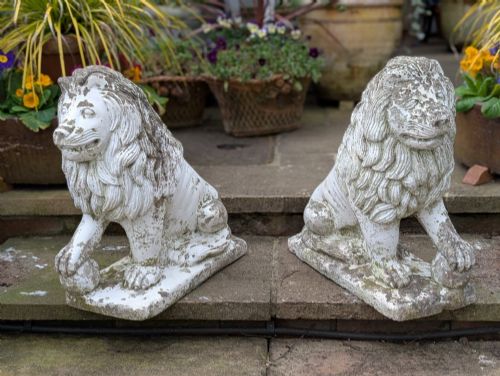
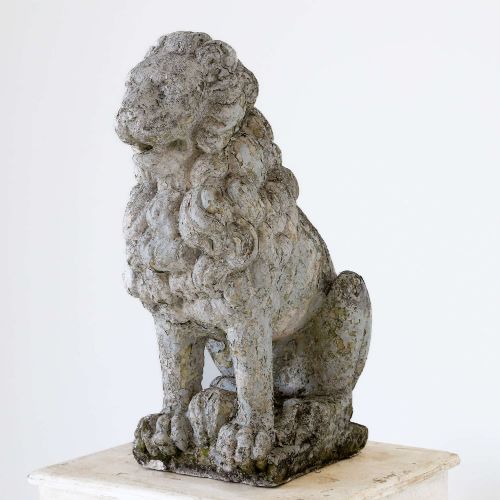
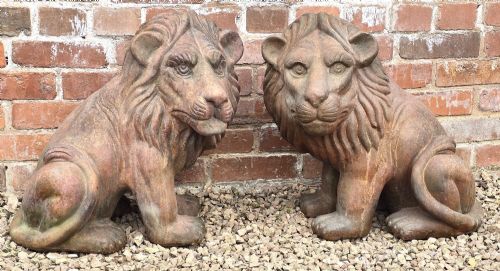
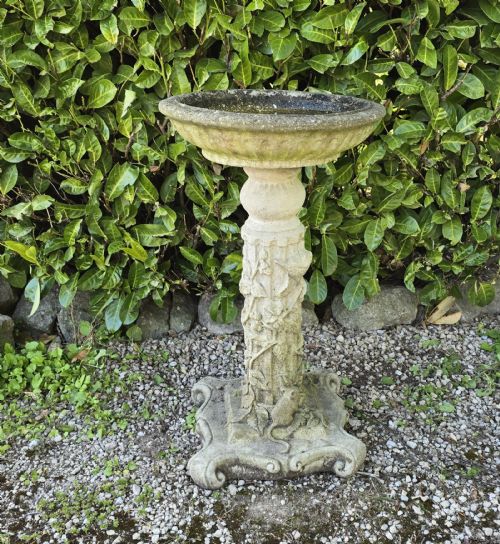
When searching for an antique outdoor statue, collectors encounter everything from monumental lions and classical figures to fountains, bird baths and monumental pier finials. These pieces transform open grounds into structured, contemplative spaces through traditional forms.
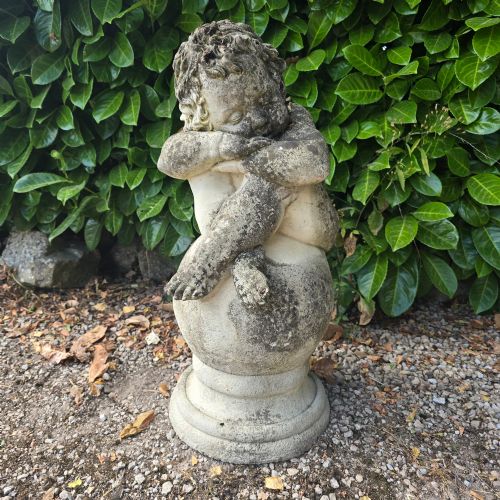
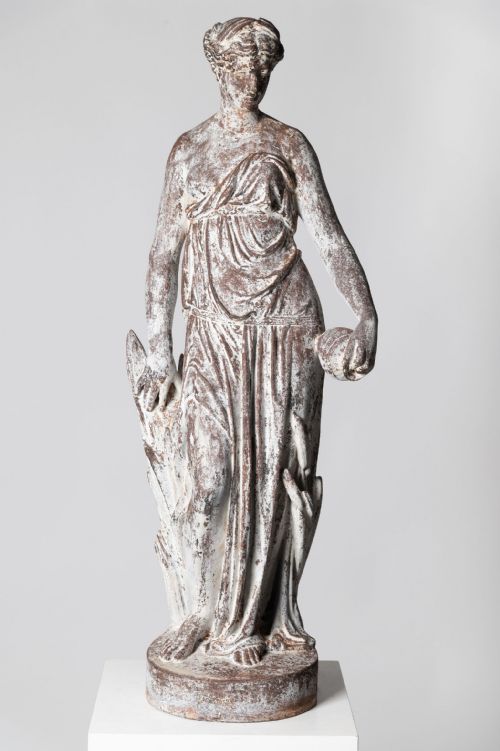
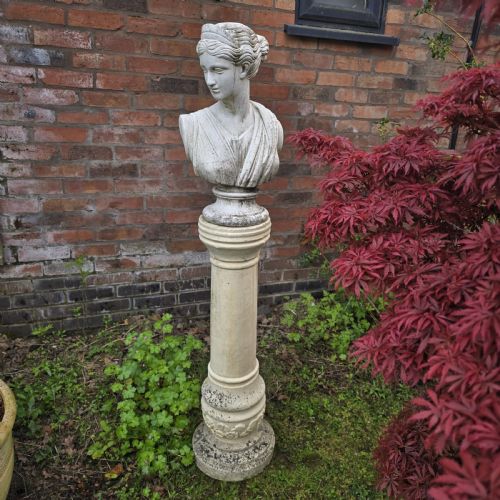
The selection here draws primarily from nineteenth-century foundations through to the middle of the twentieth century. Forms range from mythological subjects and cherubs to Japanese bronze geese and architectural guardians.
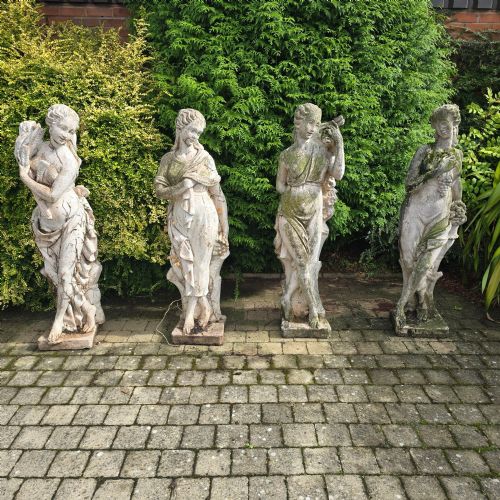
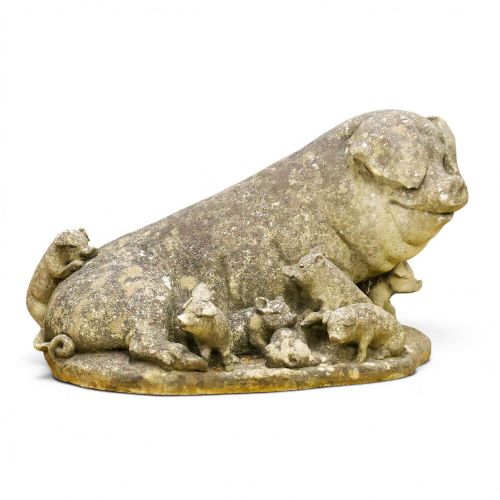
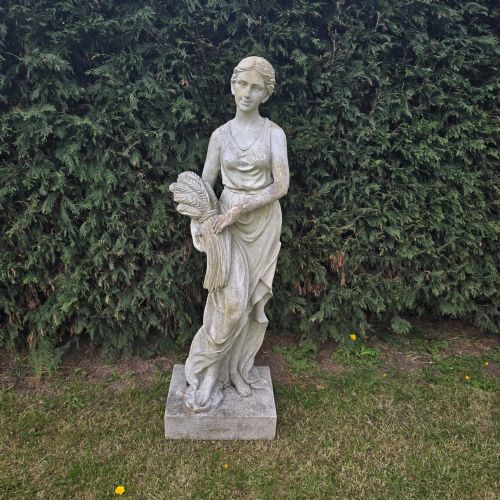
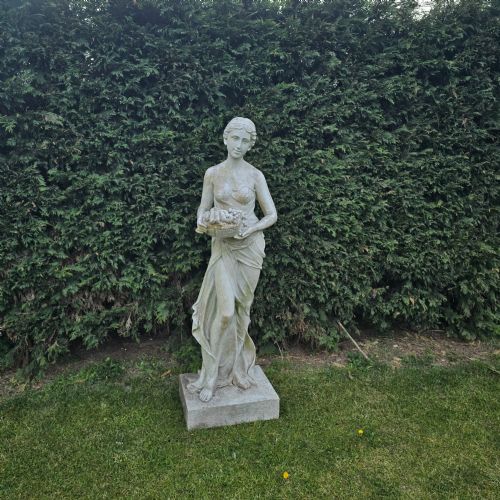
Moulded cast stone and reconstituted stone figures from the early twentieth century appear frequently alongside heavier nineteenth-century cast iron and carved marble works. Each type brings a distinct weight and weathering pattern to the garden landscape.
Materials and Methods
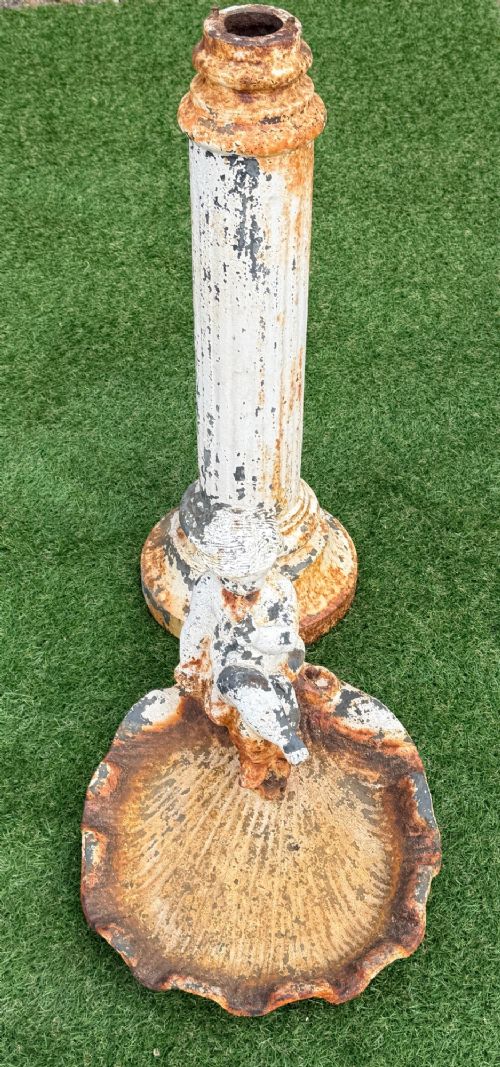
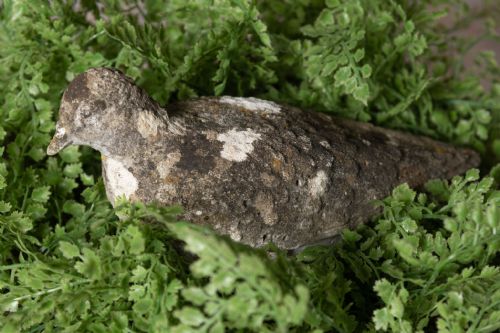
Foundries and workshops shaped these works using durable media suited to the elements, including cast iron, bronze, terracotta and various stone compositions. Cast iron pieces often emerged from notable foundries, utilising detailed moulds that captured crisp feathers, musculature and drapery.
Stone statues rely on carved granite, marble or poured composite and reconstituted stone mixtures that harden over decades. Terracotta works received high-temperature firing in kilns, sometimes retaining traces of early paint or salt-glazed finishes.
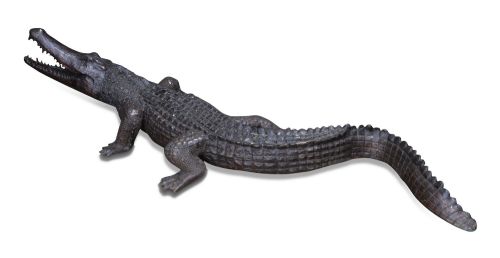
Bronze sculptures and okimono utilised lost-wax casting techniques to achieve hollow, intricate forms like dragons and waterfowl. Surface patination developed naturally through exposure or received deliberate chemical treatment before leaving the workshop.
Listings feature garden statuary spanning the eighteenth, nineteenth and twentieth centuries, executed in bronze, cast iron, terracotta, granite and various stone compositions.
Assessing Quality and Character
Quality rests in the anatomical precision of figures and the crispness of mould relief on cast metal and stone. Finer statues show careful attention to human or animal proportions, whereas utilitarian castings often display softer edges and simplified surface details.
The integrity of the material dictates longevity, with dense granites and high-grade bronzes outlasting porous stones that suffer from frost damage. Original surface treatments, such as weathered paint layers or natural lichen patination, add depth that modern reproductions lack.
Val d’Osne foundry·Hurlford Kilmarnock
The Antique Outdoor Statue Glossary
- Okimono
- A Japanese term for a decorative object or sculpture meant for display, often cast in bronze in large scales for gardens.
- Pier Finial
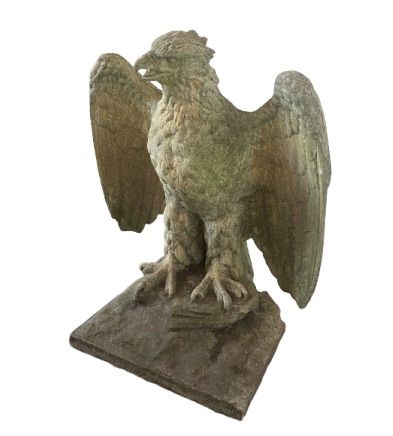
- An architectural ornament placed atop a gatepost, pier or wall end, frequently shaped as eagles, lions or stone spheres.
- Staddle Stone
- A mushroom-shaped stone support originally used to elevate granaries above damp ground and pests, now employed as a garden pedestal.
- Terracotta
- Fired clay moulded into figures, lanterns and urns, varying in colour from buff to deep red depending on the local clay composition.
- Putto
- A chubby male child figure, often winged, appearing frequently in fountain heads, bird baths and architectural statuary.
Antique Outdoor Statue: Frequently Asked Questions
Can bronze garden statues stay outside permanently?
Bronze develops a protective green or dark brown patina when exposed to rain and air, which actually shields the underlying metal from further corrosion. This natural weathering process is generally welcomed by collectors as a sign of age and authenticity.
Occasional gentle washing with clean water removes abrasive grit, but harsh scrubbing should be avoided so the historic surface skin remains undisturbed.
How do I secure heavy stone and iron statues?
Monumental pieces like marble lions or cast iron figures require stable, level foundations such as concrete pads or heavy stone plinths to prevent shifting over time. Shifting ground can cause uneven stress and fracture brittle materials.
Stainless steel dowels or discreet brackets anchored into a base provide additional security for tall or top-heavy compositions exposed to strong winds.
What is the difference between cast stone and reconstituted stone?
Cast stone is a refined architectural concrete manufactured to imitate natural cut stone, using carefully graded aggregates and cement binders in moulds. Reconstituted stone often employs similar crushed stone mixtures but can have a more varied texture depending on the workshop recipe.
Both materials weather well outdoors, gradually acquiring moss and lichen that help them blend naturally into garden borders.