


Antique Ottoman Trunk
An antique ottoman trunk brings practical storage and traditional seating together in one sturdy piece.
Antique Ottoman Trunk
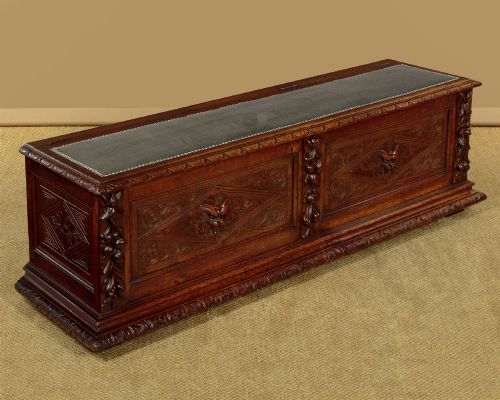
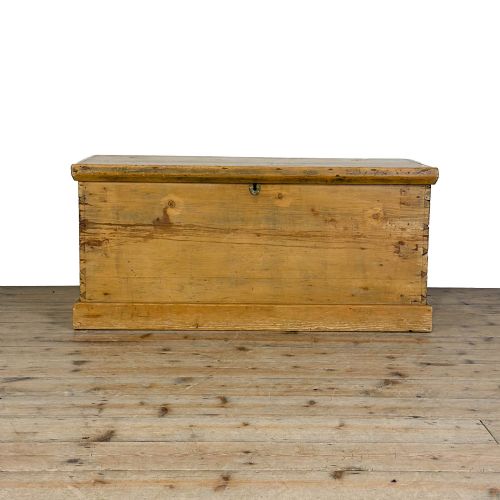
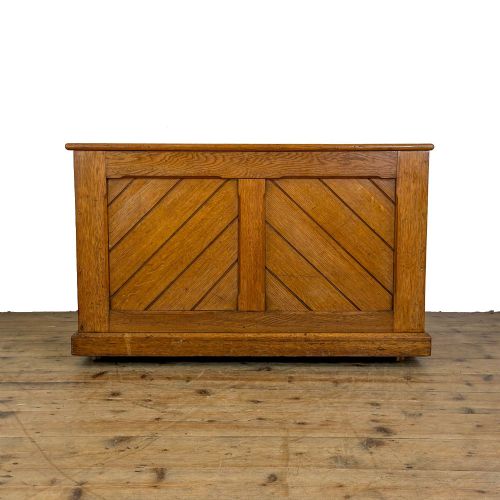
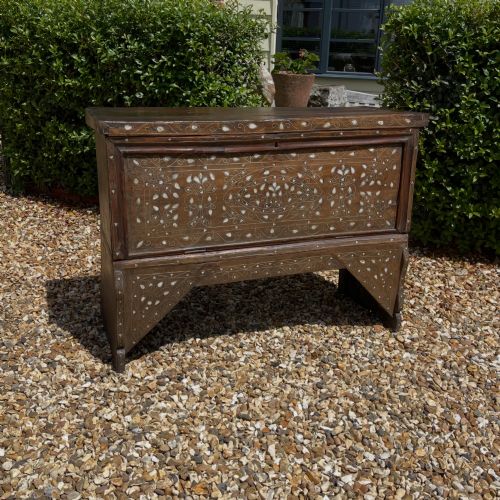
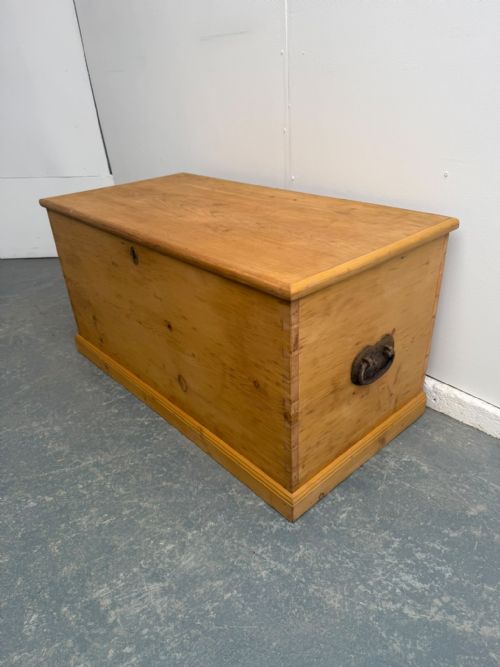
When you search for an antique ottoman trunk, you are looking at substantial storage furniture that doubles as a seat or bench. The forms range from plain pine blanket boxes and mule chests to upholstered mahogany or walnut pieces designed for the drawing room or hallway. You will frequently meet Victorian pine trunks and 19th-century upholstered ottomans in this selection.
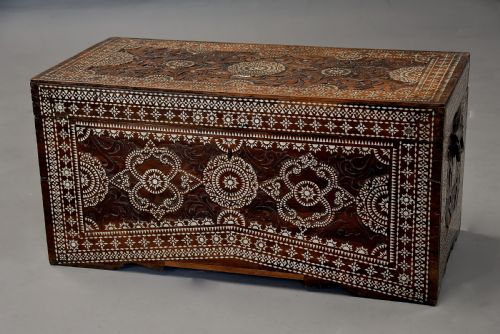
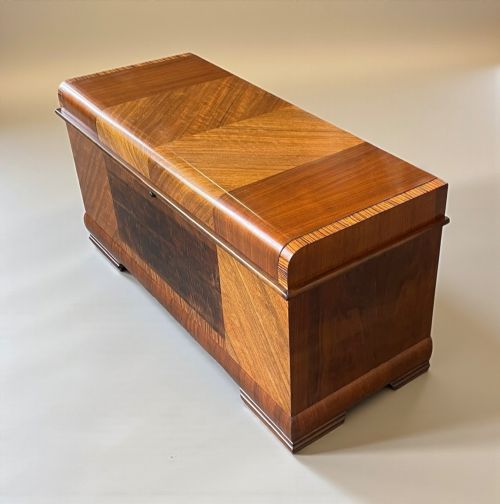
The styles span utilitarian rustic farmhouse country items to decorative inlaid Middle Eastern and Syrian pieces. Alongside these sit polished mahogany examples from the Victorian and Regency periods, often featuring concave shapes and detailed fabric covers. Each piece reflects the domestic storage needs of its original period.
The construction varies from heavy hardwood chests intended for travel or secure storage to lighter upholstered footstools and window seats. Whether plain wood or covered in leather and crewel work, these items serve multiple functions in a modern home.
How they were made
Makers built these trunks and ottomans using solid native timbers like pine, oak, elm, birch, cherry and mahogany, frequently joined with traditional corner construction. Hardwood versions often incorporated decorative elements such as mother-of-pearl inlay or carved detailing on the panels.
Upholstered examples combined internal wooden frames with stuffed padding, covered in materials ranging from leather and fabric to beige linen and crewel work. Many chests included working metal locks, iron or brass hardware, and side lifting handles for practical movement.
The listings on this page span multiple eras, including the Regency, Victorian, and early 20th-century periods.
What varies in quality
The standard of an antique ottoman trunk depends on the selection of timber, the integrity of the joinery, and the preservation of original hardware. Heavy solid wood construction and intact working locks set finer pieces apart from simpler domestic storage boxes.
In upholstered examples, the sophistication of the frame shape - such as a concave profile - and the execution of any decorative carving or inlay determine the level of craftsmanship. Pieces retaining original leather or period textile covers demonstrate superior historical integrity.
Hallett and Sons
The Antique Ottoman Trunk Glossary
- Mule chest
- A traditional storage chest featuring one or more drawers beneath the main lifting lid compartment. They became common in country houses for linen and clothing storage.
- Concave ottoman
- An upholstered seat or trunk with an inward-curving profile, popular during the Victorian period. These often functioned as dressing room or drawing room stools.
- Kist
- A regional term for a heavy wooden storage chest or box. They were typically constructed from solid pine or oak for household utility.
- Crewel work
- Embroidery executed in wool on a sturdy base fabric like linen or twill. It frequently appears on the upholstered covers of 19th-century seating.
- Campaign chest
- A modular storage chest designed to dismantle easily for military travel. They usually feature recessed brass handles and corner brackets.
Antique Ottoman Trunk: Frequently Asked Questions
What is an antique ottoman trunk used for?
These pieces function primarily as dual-purpose furniture for seating and concealed storage. They suit bedrooms for extra blankets or hallways for shoes and accessories.
Their solid construction also allows them to serve as low coffee tables in living spaces.
How do I date an antique trunk?
Dating relies on identifying the primary wood species, construction methods, and hardware styles used in the piece. Pine and mahogany items often correspond to Victorian domestic trends, while elm and oak point toward earlier Georgian utility.
Additional clues come from the type of fasteners, locks, and any upholstery techniques preserved on the frame.
Are these trunks suitable for daily seating?
Upholstered varieties and sturdy wooden blanket boxes easily handle regular daily use as benches or window seats. Solid timber lids also provide stable surfaces when closed.
It remains sensible to check the internal framing and hinge strength before placing heavy weight on older items.
How do I care for wooden and leather ottomans?
Wooden surfaces benefit from occasional waxing to nourish the grain and protect against dryness. Leather elements require gentle cleaning and conditioning to prevent cracking over time.
Keeping these pieces away from direct heat sources and strong sunlight preserves both the wood and the fabric coverings.