


Antique Ornithological Painting
These antique ornithological painting selections bring natural history into domestic spaces through detailed studies of birds rendered on paper and ceramic.
Antique Ornithological Painting
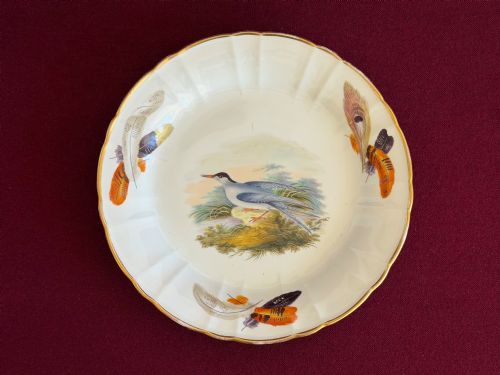
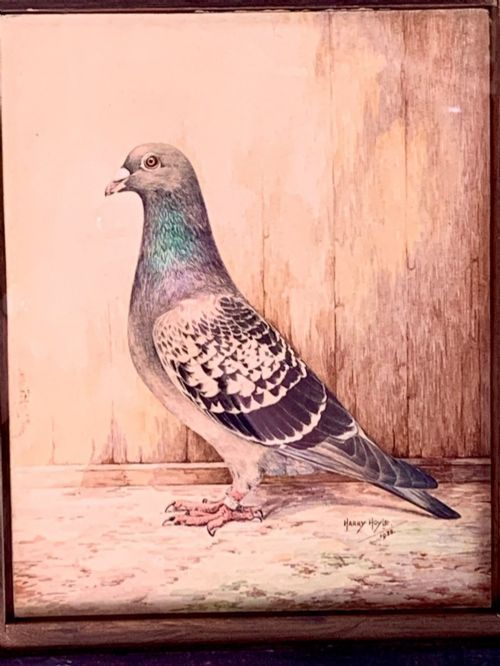
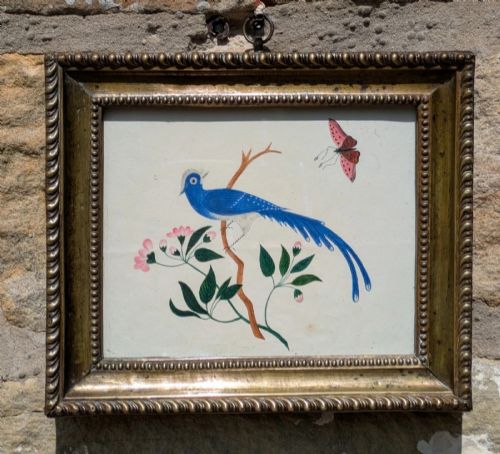
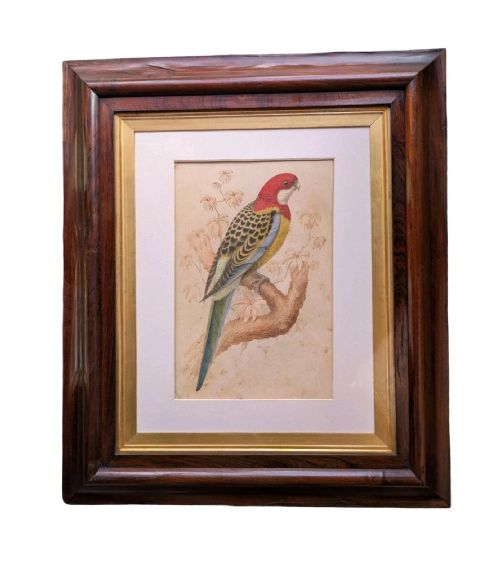
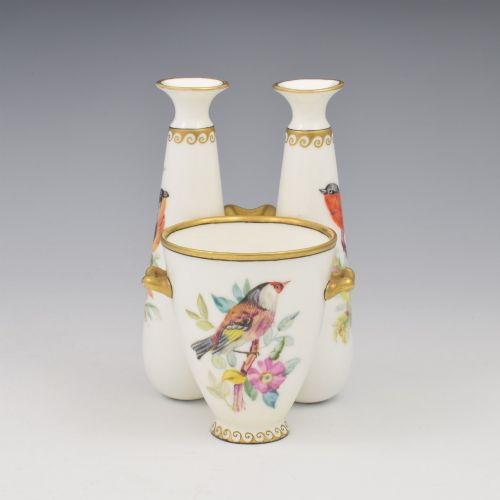
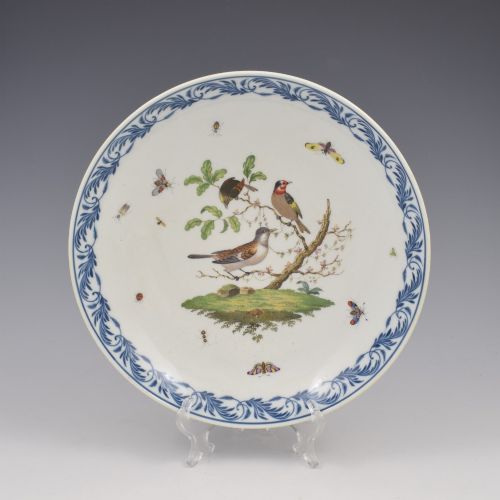
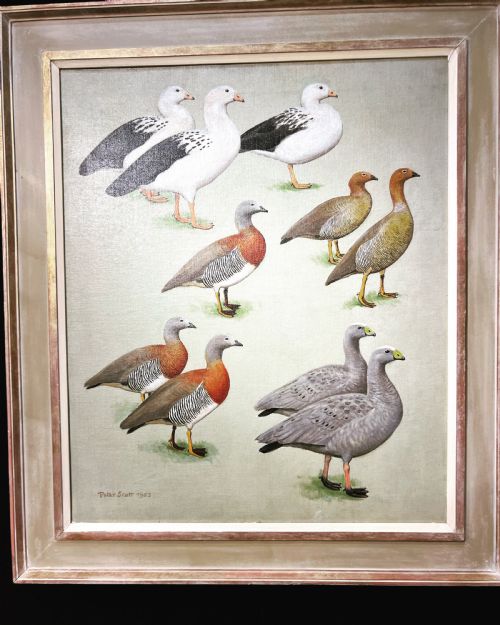
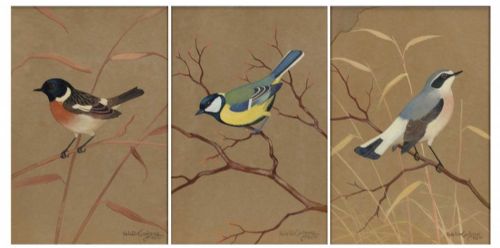
An antique ornithological painting depicts birds across various formats including watercolour on paper, framed artwork, and decorative porcelain plates. These works range from Regency studies of exotic blue birds and common terns to Victorian representations of parrots, finches, and ducks.
The most prevalent examples on this page are Victorian and Regency works executed in watercolour on paper, often preserved within ebonised frames and giltwood mounts. Ceramic interpretations from factories such as Meissen, Wedgwood, and Royal Worcester also feature prominently among the decorative plates and vases.
Distinctions in quality
Precision of brushwork and anatomical accuracy separate accomplished artist studies from standard decorative output, particularly in the rendering of plumage and natural postures. The finesse of the surrounding frame, mount material, or ceramic moulding further differentiates standard production pieces from exhibition-grade works.
Listings include works on paper, porcelain plates, and decorative vases spanning the Georgian, Regency, Victorian, and mid-twentieth-century periods.
Wedgwood Bone China·Royal Worcester·Meissen Porcelain·Sir Peter Markham Scott·William Andrews Nesfield
The Antique Ornithological Painting Glossary
- Watercolour
- A painting method in which the paints are made of pigments suspended in a water-based solution. It serves as the primary medium for the paper-based bird studies listed here.
- Cabinet plate
- A decorative ceramic plate intended for display rather than dining use. These often feature hand-painted ornithological scenes.
- Ebonised
- Wood treated to resemble ebony, typically through staining or finishing a dark black. It provides a contrasting dark border for framed watercolours.
- Bone china
- A type of porcelain containing bone ash, known for its high strength and milk-white appearance. Wedgwood and other makers utilise this material for painted plates.
Antique Ornithological Painting: Frequently Asked Questions
What periods do these pieces span?
The selection covers items from the eighteenth century up to the mid-twentieth century. Regency and Victorian examples are particularly common.
Later pieces extend into the nineteen-thirties and nineteen-forties, showing the continuation of natural history illustration.
Are these works on paper framed?
Many watercolours arrive in period frames, often utilising ebonised wood and deep giltwood mounts. These mount styles complement the character of the paintings.
Unframed sheets or alternative mountings also appear among the selections.
What ceramic forms are available?
Ceramic representations include dessert dishes, cabinet plates, platters, gravy boats, and triple vases. Factories like Meissen and Royal Worcester produced these painted items.
They combine functional or decorative ceramic shapes with detailed ornithological artwork.
How do I identify artist-signed works?
Some watercolours and porcelain pieces bear the signatures or attribution to notable painters and illustrators of natural history. Researching the recorded names helps place the work within a specific school or period.
Unsigned examples are typically categorized by school or stylistic era.