
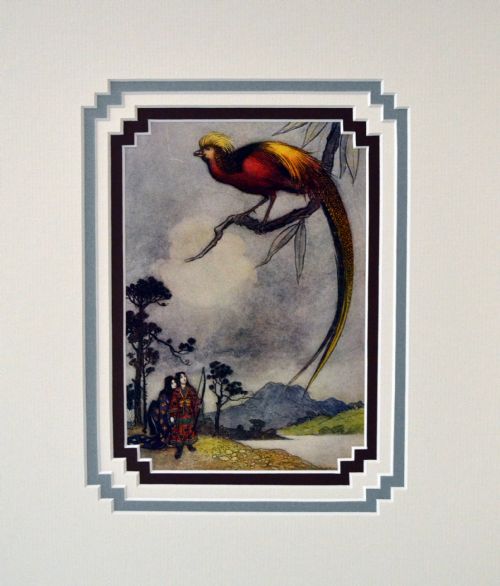


Antique Orientalist Artwork
Antique orientalist artwork brings together 19th-century paintings, prints, and bronzes capturing Middle Eastern and North African subjects.
Antique Orientalist Artwork
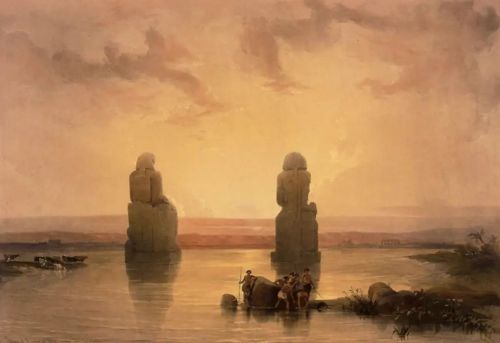
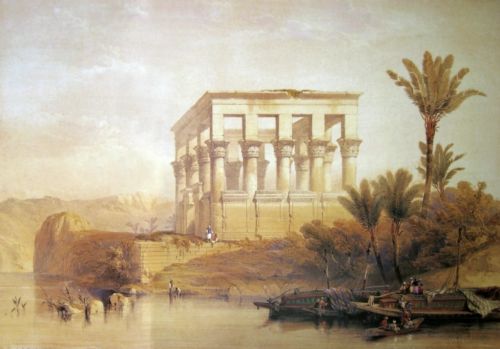
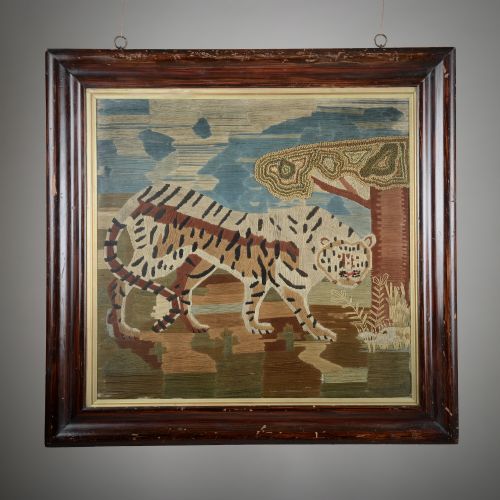
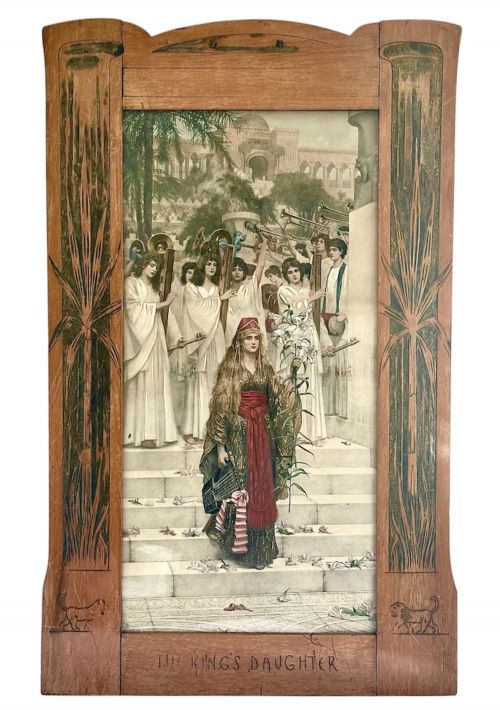
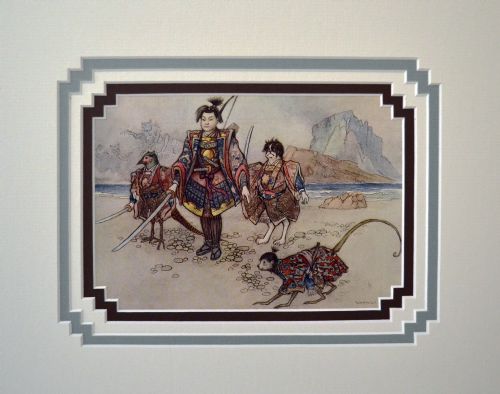
Antique orientalist artwork encompasses paintings, watercolours, bronzes, and prints created during the nineteenth and early twentieth centuries depicting scenes, people, and architecture from the Middle East, North Africa, and Asia.
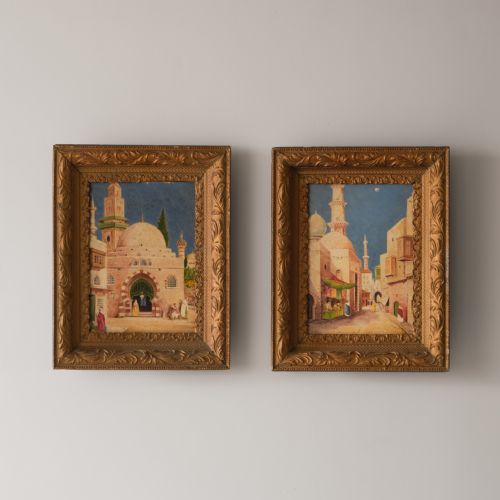
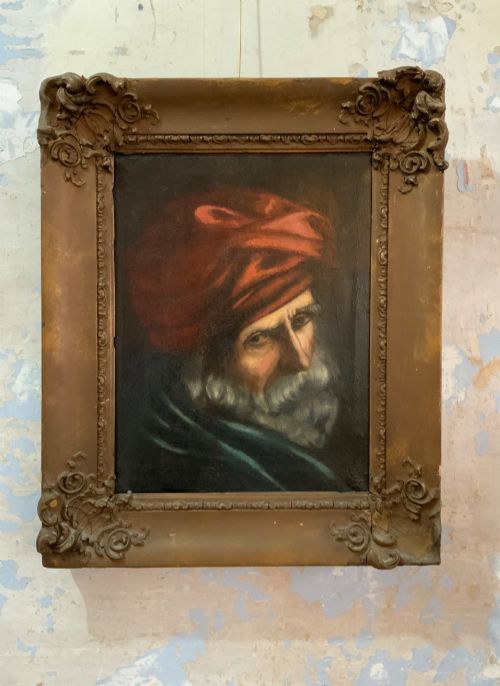
The selections available here lean heavily towards nineteenth-century oil paintings on canvas or board, alongside detailed watercolours, gouache studies, and cold-painted bronzes.
Makers and artists range from European travellers documenting foreign journeys to local painters recording native landscapes and portraits, spanning periods from the Victorian era up to the 1940s.
How they were made
Works on paper and canvas utilise traditional mediums such as oil paint, watercolour, gouache, ink, charcoal, and pastel applied to wood panels, paper, or stretched canvas.
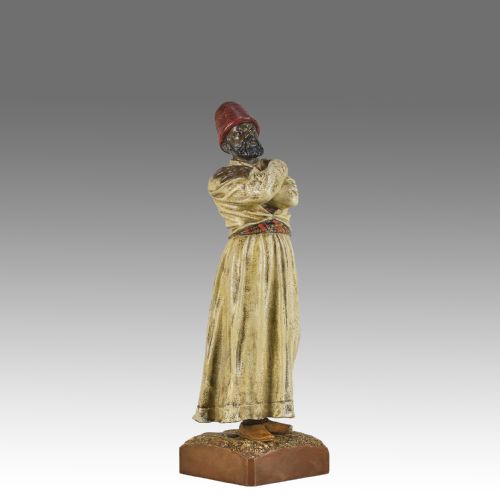
Three-dimensional pieces employ cast bronze, sometimes enhanced with cold-painting techniques to add vibrant colour to figures and garments.
Framing often involves period wood structures, including ebonised surrounds and gilt wood moulding, which complement the visual style of the period.
Listings feature paper, glass, watercolour, wood, canvas, ink, gilt wood, and oil paint across the nineteenth and early twentieth centuries.
What varies in quality
Materials and preservation dictate longevity, where original unlined canvases, stable pigments, and crisp paper retain their intended tonal depth better than heavily restored surfaces.
Signatures and documented provenance elevate specific pieces, connecting unsigned folk art or naive depictions to named academic painters of the nineteenth and twentieth centuries.
David Roberts·Herbert Gustave Schmaltz·Franz Bergman·Warwick Goble·Edwin Lord Weeks·Gabriel Puig Roda·Otto Pilny·Abdul Kadir Al Rassam
The Antique Orientalist Artwork Glossary
- Orientalism
- The artistic movement and cultural depiction of Middle Eastern, North African, and Asian subjects by Western and regional creators.
- Gouache
- An opaque water-based pigment that provides heavier coverage and brighter highlights than traditional watercolour.
- Cold-painted bronze
- Metal sculpture decorated with cold paint applied after casting rather than fired in a kiln, common in nineteenth-century decorative bronzes.
- Photogravure
- A printmaking process that produces photographic images from an engraved copper plate, utilised for fine art reproductions in the early twentieth century.
- Encaustic
- A painting technique involving heated beeswax mixed with coloured pigments, creating a textured surface on canvas or board.
Antique Orientalist Artwork: Frequently Asked Questions
What subjects appear in antique orientalist artwork?
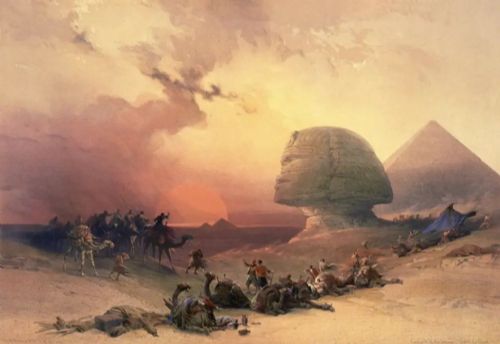
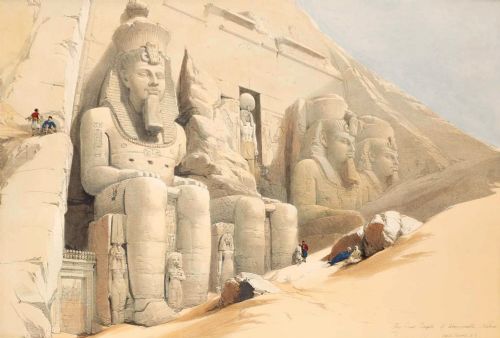
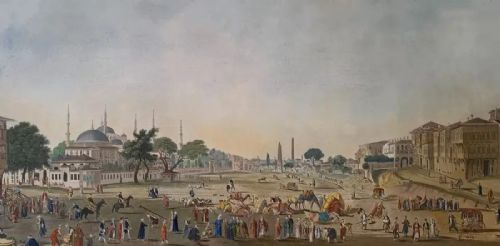
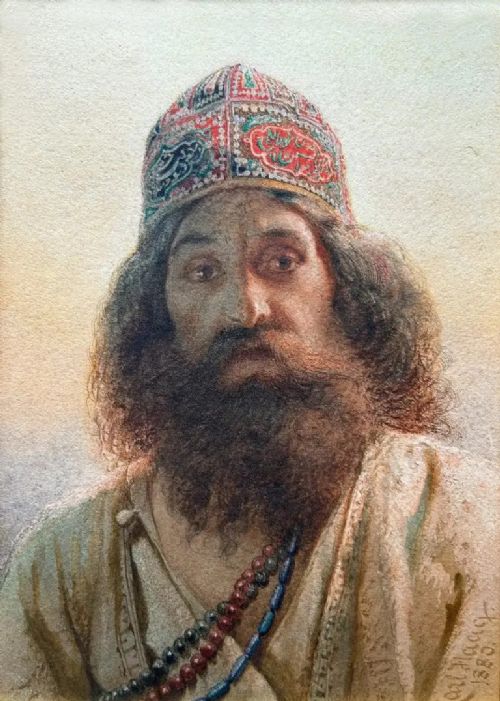
These pieces typically feature desert landscapes, bustling street scenes, ancient monuments, architectural ruins, and detailed portraits of local inhabitants.
Artists frequently documented their travels through regions such as Egypt, Turkey, Persia, and India, capturing local daily life and classical antiquities.
How do I care for antique watercolours and oils?
Works on paper require protection from direct sunlight and high humidity to prevent fading and foxing on the backing material.
Oil paintings benefit from stable room temperatures and occasional professional dusting of the canvas surface without liquid cleaners.
Are these pieces signed by the artists?
Many works bear visible signatures or monograms in the corners, while others remain attributed based on style, medium, and subject matter.
Documentation on the reverse of the frame or board often provides additional clues regarding the origin and date of creation.
How are nineteenth-century bronze sculptures finished?
Sculptures from this era often utilise cast bronze finished with patination or cold-painted enamel details applied directly to the metal.
These finishes highlight intricate patterns on clothing, rugs, and decorative items associated with figures such as dervishes or musicians.