



Antique Oriental Kilim
An antique oriental kilim brings flat-woven tribal geometry and rich regional dyes directly onto the floor or sofa.
Antique Oriental Kilim
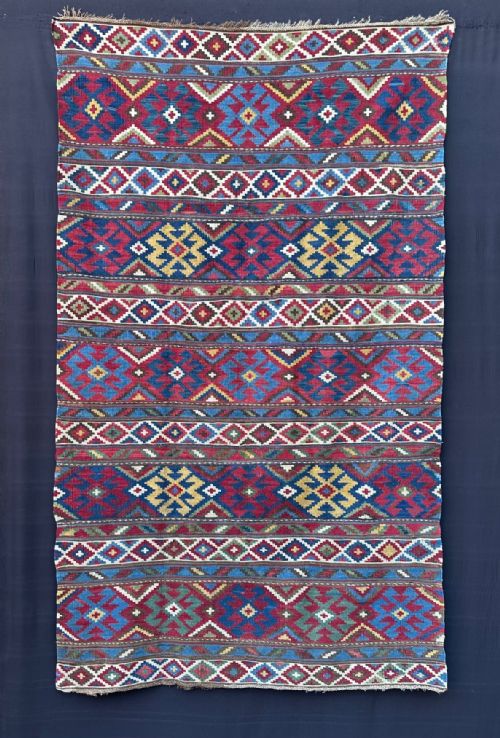
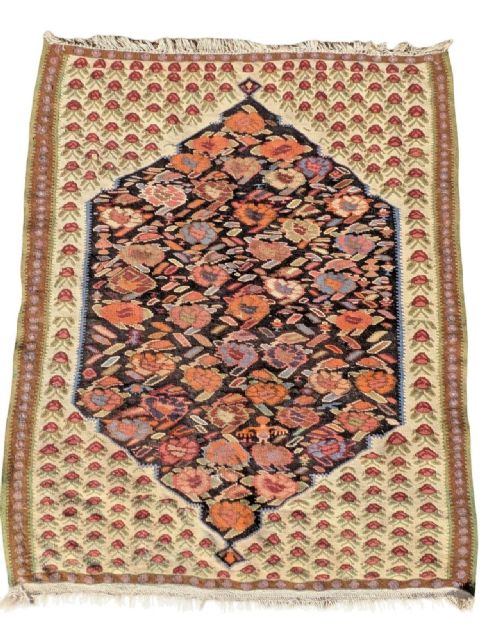
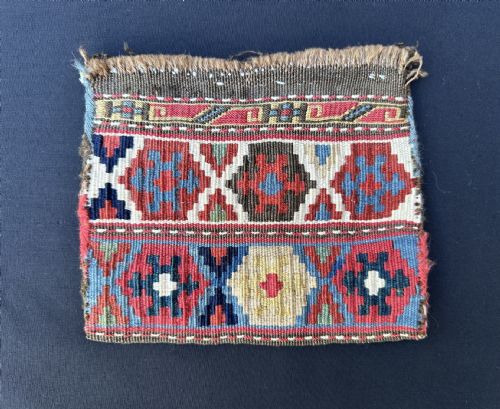
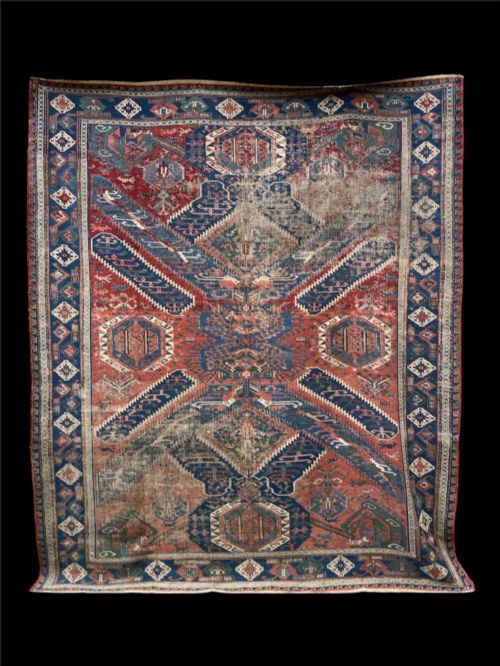
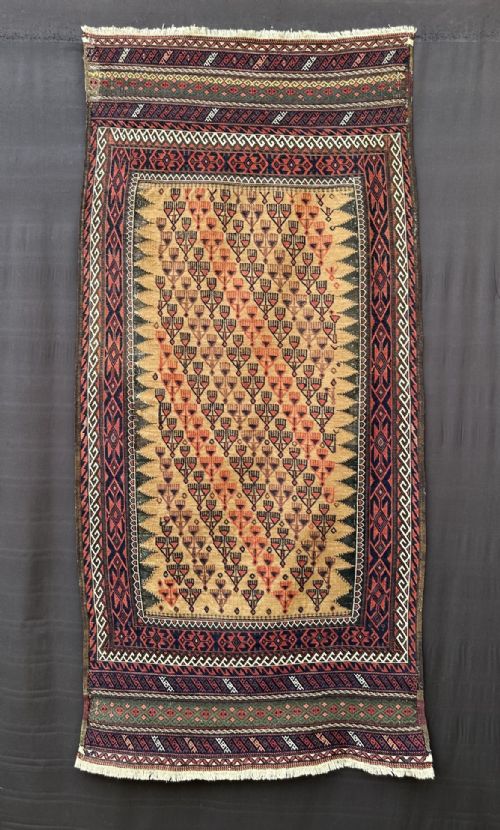
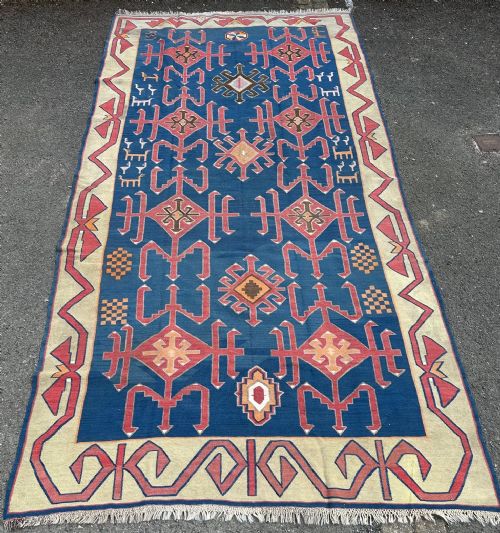
When you search for an antique oriental kilim, you encounter flat-woven carpets, runners, and cushions originating from tribal and village communities across the Caucasus, Persia, Anatolia, and Central Asia. These textiles were produced primarily by nomadic and semi-nomadic groups for utilitarian domestic purposes, including floor coverings, storage sacks, and dining spreads.
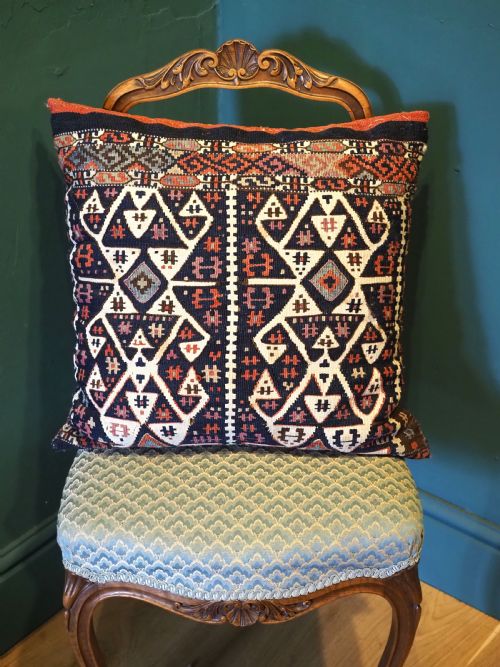
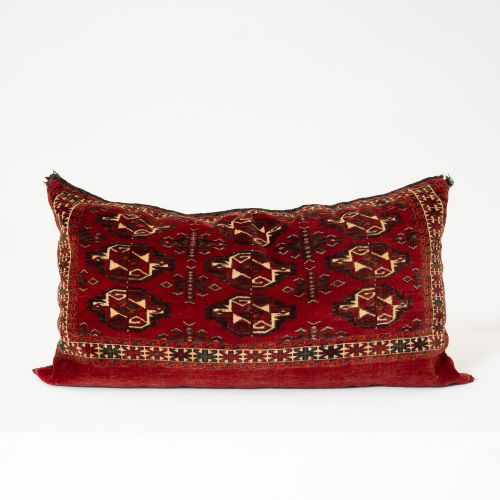
The selections available here span from the mid-nineteenth century through the early decades of the twentieth century. Common formats include room-sized carpets, narrow runners, prayer rugs, and smaller items repurposed as cushions and pillows.
Regional variations define the aesthetic, ranging from the bold geometric structures of Caucasian Shirvan and Daghestan pieces to the refined floral influences of Persian Bidjar and Senneh flat-weaves. Buyers most frequently encounter scatter-sized rugs and functional bags adapted into decorative cushions.
Materials and construction methods
These textiles rely on wool and cotton foundations, utilising hand-spun wool for the pileless flat-weave structure. Weavers employed slit-tapery techniques, leaving small vertical slits where different colour blocks meet, which creates crisp geometric outlines.
Natural dyes provide the palette, yielding soft faded reds, muted blues, and earthy tones that age with considerable depth. Many pieces incorporate supplementary weft-wrapping techniques like Soumak, adding textural relief to the flat surface.
Antique Oriental Kilim Retail Price Guide 2026
Typical asking prices for oriental kilim among the pieces listed under this phrase on Sellingantiques today, from the lower quarter to the upper quarter. They describe what is for sale here now, not the wider market.
Listings span eight distinct decades between eighteen-fifty and nineteen-forty, featuring wool, cotton, and natural dyes.
Assessing quality in flat-weaves
Quality rests upon the tightness of the weave and the purity of the hand-spun wool, which dictates how flat the textile lies and how well the structure survives daily use. Tightly packed wefts produce a crisper geometric definition and greater durability underfoot.
The secondary material choices, such as cotton warps versus all-wool construction, alter the drape and weight of the piece. Superior examples display harmonious natural dye saturation, where colour variation across the field reflects organic fading rather than synthetic instability.
The Antique Oriental Kilim Glossary
- Kilim
- A pileless flat-woven textile produced by tightly interweaving warp and weft strands. This technique creates a lightweight carpet with identical imagery visible on both sides.
- Sofreh
- A flat-woven spread used during communal dining or bread-making rituals. These long rectangular textiles often feature minimalist tribal borders.
- Sumak
- A supplementary weft-wrapping technique that leaves floats of yarn on the reverse side. It creates a thick, ribbed surface texture distinct from standard flat-weaving.
- Mafresh
- A rectangular storage box or chest panel woven by nomadic tribes to transport household goods. These panels are frequently repurposed into smaller rugs or cushions.
- Chuval
- A large face-bag utilised by Turkmen tribes for domestic storage inside tents. They typically exhibit guls and repeating geometric medallions.
Antique Oriental Kilim: Frequently Asked Questions
How were antique kilims used originally?
Nomadic and village groups utilised these flat-weaves as floor coverings, animal trappings, bedding containers, and dining spreads inside tents and dwellings.
Over generations, many functional storage items and sacks have been carefully adapted into cushions and decorative wall hangings for modern interiors.
Where do most antique oriental kilims originate?
Production centres span the Caucasus, Persia, Anatolia, and Central Asia, involving distinct tribal confederations such as the Shahsevan, Baluch, and Kurdish groups.
Each region developed specific weaving structures, dye palettes, and geometric repertoires that distinguish a Caucasian piece from a Persian or Anatolian example.
How should I care for a flat-woven kilim?
Regular gentle vacuuming without a rotating brush roll prevents dust accumulation within the tight wool weave. Professional textile cleaning is recommended for deep maintenance.
Rotating the rug periodically ensures even wear patterns from foot traffic and balances exposure to natural sunlight.
Can I place these textiles on heated floors?
Natural animal fibres such as hand-spun wool adapt well to ambient warmth when paired with a breathable rug underlay.
A quality underlay also prevents slipping on hard surfaces and reduces friction between the flat-weave structure and the flooring below.