



Antique Oriental Armchair
An antique oriental armchair brings centuries of craftsmanship into a room, offering sculptural form and deep cultural history.
Antique Oriental Armchair
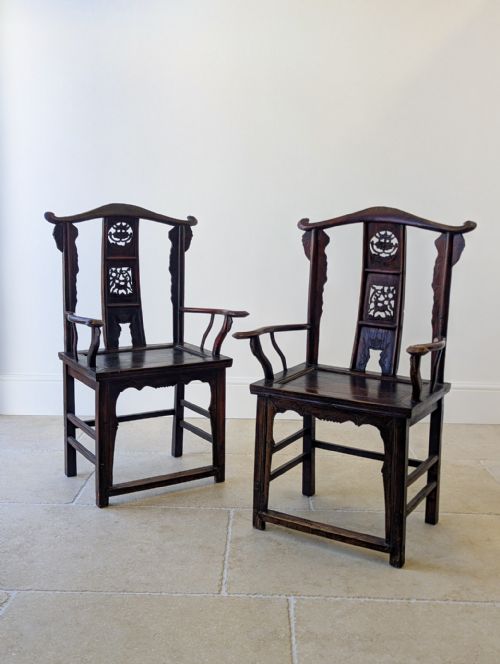
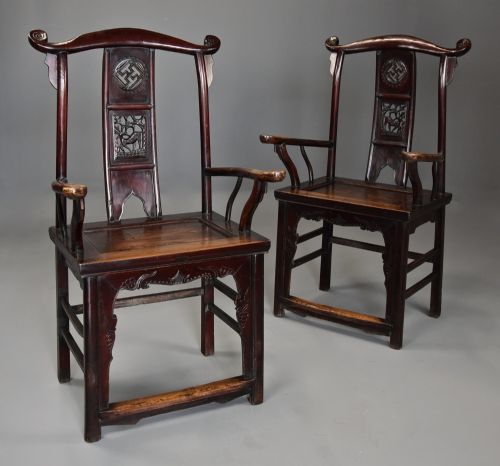
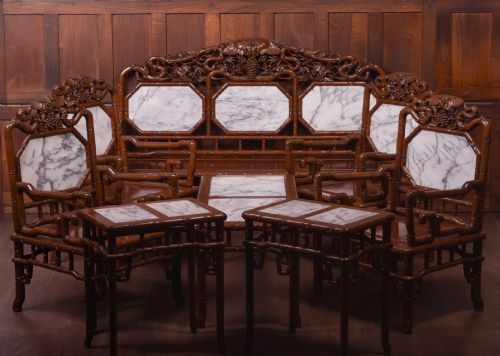
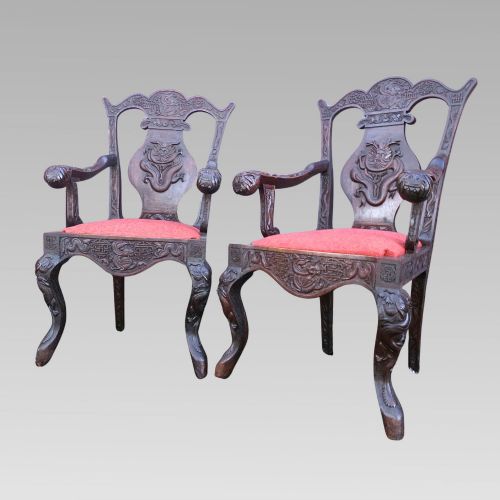
When you search for an antique oriental armchair, you encounter seating originating primarily from China and India, spanning the eighteenth, nineteenth, and early twentieth centuries. These chairs range from simple scholar forms in elm to elaborate throne chairs and horseshoe designs in dense tropical hardwoods.
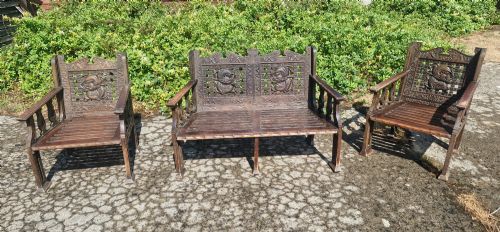
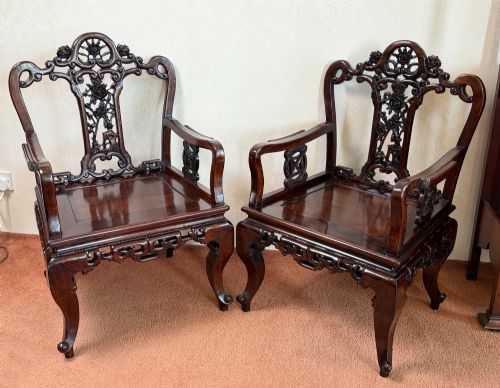
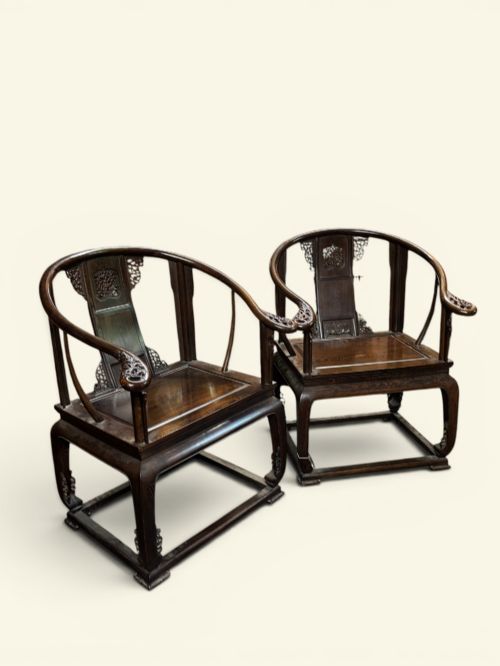
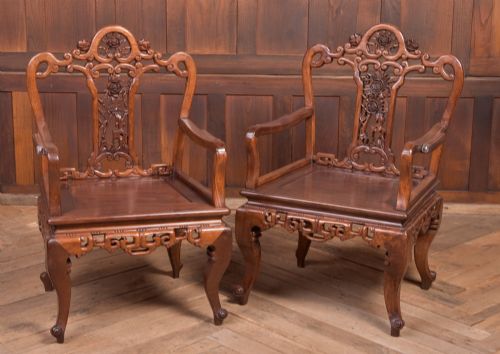
The pieces on this page appear as single items, matched pairs, or larger parlour and conservatory suites. Buyers frequently select yoke-back armchairs, folding seats, and horseshoe-back models that reflect distinct regional traditions and dynastic periods.
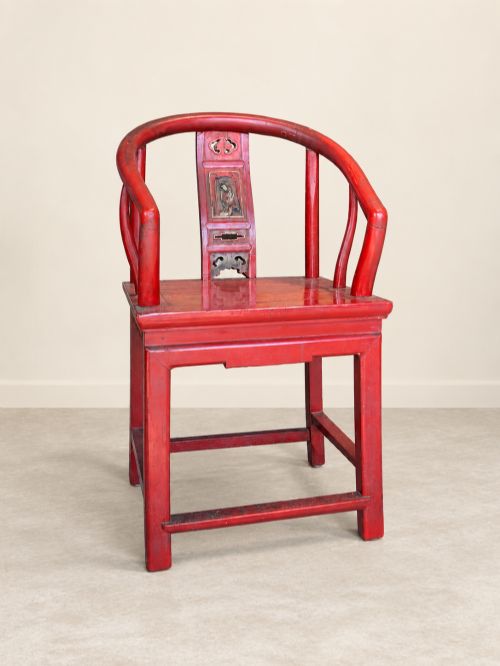
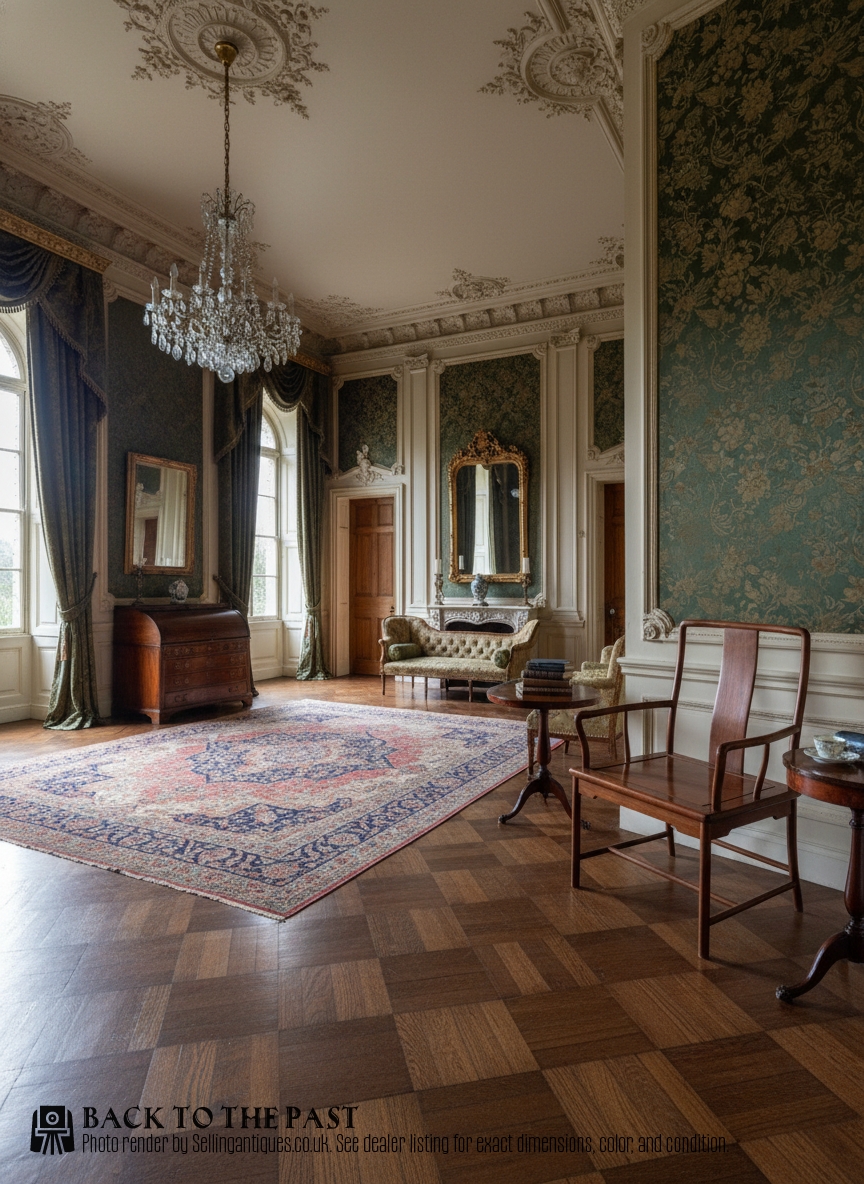
Constructed for utilitarian seating or ceremonial use, these chairs bridge decorative arts and practical domestic furniture. Their presence alters a room by introducing architectural lines and deeply figured timber or vibrant lacquer finishes.
How they were made
Joinery relies on sophisticated mortise and tenon systems that allow timber to expand and contract without metal nails or screws. Craftsmen shaped dense materials like hongmu, teak, rosewood, and domestic elm using hand chisels and saws to create rigid frames.
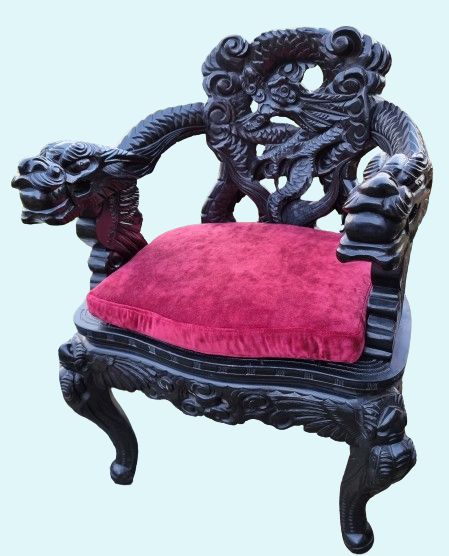
Surface treatments involve layers of natural lacquer, sometimes combined with polychrome paint, brass inlay, or mother of pearl. Canework and woven cane inserts provide seating support in specific models, while deep relief carving articulates dragons, foliage, and geometric motifs.
Listings feature eighteenth-century pieces alongside nineteenth-century Qing Dynasty examples and twentieth-century variations.
What varies in quality
The hierarchy of quality rests upon the density and selection of the timber, alongside the depth and crispness of the hand carving. Heavy hardwoods like hongmu and rosewood command greater regard than softer elm or pine, provided the structural integrity remains undisturbed.
Original surface finishes, such as untouched red lacquer or a deep natural patina developed through prolonged handling, distinguish superior examples from heavily restored or stripped pieces. The precision of traditional joinery without modern adhesives marks the work of master workshops.
The Antique Oriental Armchair Glossary
- Yoke-back
- A traditional chair design featuring a distinctive top rail curved to resemble an ox yoke. This form provides ergonomic head and neck support for scholars.
- Horseshoe-back
- A continuous curved arm and backrail that sweeps downward in a single fluid arc. It originates from early portable seating forms in East Asia.
- Lacquer
- A durable natural resin applied in multiple thin layers to wood and polished to a smooth finish. It protects the timber while offering a deep, lustrous appearance.
- Hongmu
- A translation meaning red wood, applied to various dense, dark tropical hardwoods native to Southeast Asia. Artisans favoured it for high-status furniture.
- Bergere
- An enclosed upholstered armchair with wooden framing and woven cane panels. It appears in cross-cultural trade furniture from the late nineteenth century.
Antique Oriental Armchair: Frequently Asked Questions
How do I date an antique oriental armchair?
Dating relies upon examining the tool marks, timber shrinkage, joinery methods, and the style of carving relative to dynastic periods or nineteenth-century trade eras. Subtle signs of wear and the composition of the lacquer or finish offer further chronological clues.
Changes in construction preferences over the eighteenth and nineteenth centuries help separate earlier scholarly forms from later export pieces. Comparing the specific patination on the armrests and seat confirms the age of the timber.
Are these chairs comfortable to sit in?
Many traditional scholar and horseshoe-back chairs were designed with upright posture in mind, reflecting the aesthetic values of their original period. Consequently, they offer firm seating rather than the cushioned slump of modern upholstery.
Models featuring wider seats or cane panels provide a slightly different seating dynamic compared to solid wood versions. Adding a subtle, period-appropriate squab cushion alters the daily comfort without damaging the timber frame.
How do I care for antique lacquer?
Maintain lacquer finishes by keeping the chair away from direct sunlight and maintaining stable humidity levels in the room. Sudden temperature shifts can cause the underlying wood to move and stress the delicate surface layer.
Dust the surface gently with a dry, soft cloth rather than utilising liquid polishes or chemical cleaners. Professional conservation protects the integrity of both the lacquer and the original timber beneath.