




Antique Chinese Wooden Seating
These pieces of antique chinese wooden seating bring enduring craftsmanship and regional character to an interior.
Antique Chinese Wooden Seating
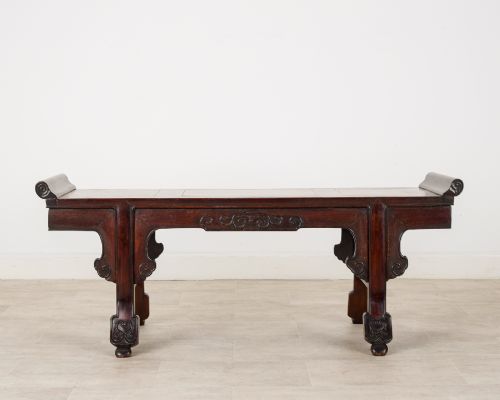
Antique chinese wooden seating encompasses diverse forms such as armchairs, benches, settles, and stools originating from various periods including the nineteenth and early twentieth centuries. These objects reflect traditional construction methods and regional aesthetic values associated with the Qing dynasty and provincial workshops.
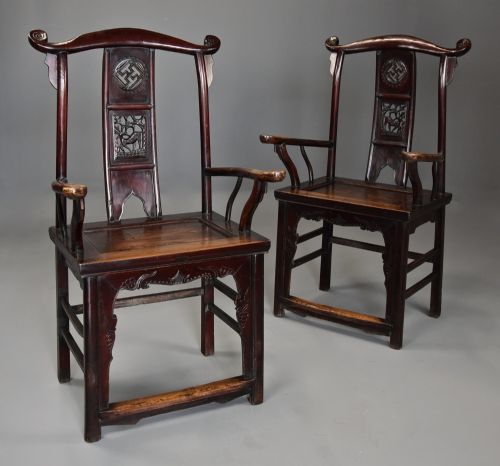
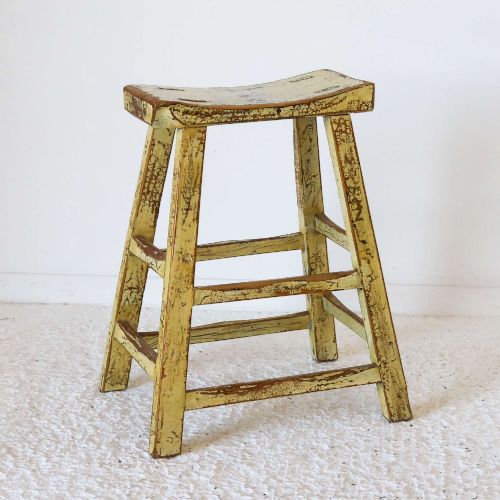
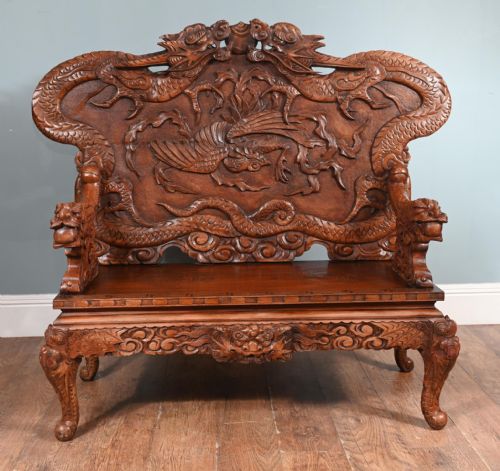
Armchairs and elm yokeback chairs display structured timber framing alongside specific regional styling, while benches and hall seats provide functional utility with carved ornamentation. Common variations include horseshoe shapes, side chairs, and dressing stools built from dense timbers.
Surviving examples range from rustic vernacular pieces to formal throne chairs and dining suites. The material palette frequently incorporates elm, rosewood, hardwood, and lacquer finishes applied over the wooden core.
How they were made
Cabinetmakers utilised dense native hardwoods, elm, and exotic timbers such as huanghuali and huali, joining components through intricate mortise and tenon joinery without reliance on modern adhesives. This structural approach allowed timber to expand and contract naturally across changing seasonal climates.
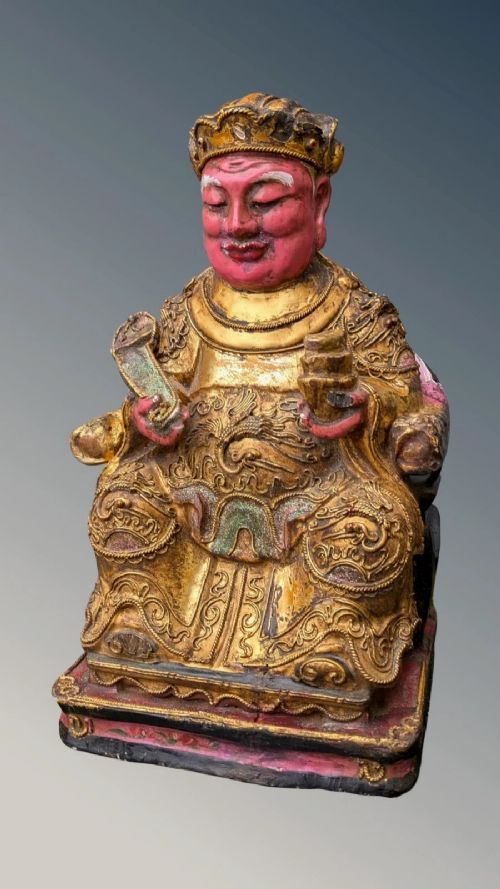
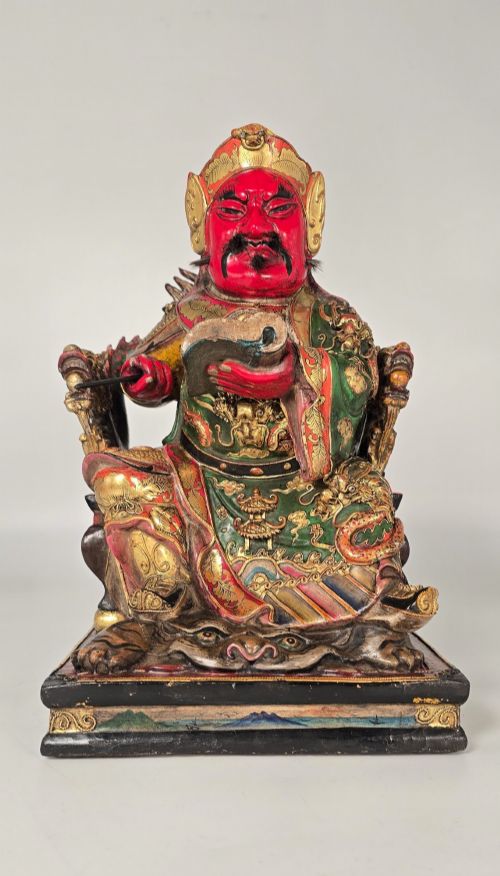
Surfaces often received protective and decorative coatings, including red lacquer, cinnabar, gesso, polychrome paint, and gold leaf, sometimes complemented by brass inlay or mother-of-pearl. Carving techniques varied from high relief figures of deities and dragons to simple turned members and geometric panels.
Listings feature items dated from the eighteenth century through the early twentieth century, spanning Qing dynasty production and provincial workshops.
What varies in quality
The standard of carving and the selection of timber dictate the distinction between vernacular pieces and high-status furnishings. Dense hardwoods and well-preserved original lacquers demonstrate superior workshop execution compared to simpler elm variants.
Structural integrity relies on the retention of original joinery and finish, where intact polychrome pigments, gold leaf, and surface patination elevate the visual presence of the seating.
Thomas Chippendale
The Antique Chinese Wooden Seating Glossary
- Yokeback
- A chair design featuring a curved top rail reminiscent of traditional yoke shapes, providing ergonomic support for the sitter.
- Lacquer
- A durable resin finish applied in multiple layers to wood, often polished or carved once set.
- Cinnabar
- A bright scarlet mineral pigment used to colour thick layers of lacquer before carving intricate low-relief scenes.
- Mortise and tenon
- A traditional joint where a projecting tongue fits snugly into a corresponding cavity to lock wooden elements together.
Antique Chinese Wooden Seating: Frequently Asked Questions
How do I identify elm seating?
Elm wood displays a distinctive interlocking grain pattern with prominent growth rings and a warm tone beneath aged clear or red lacquer finishes.
Craftsmen favoured this timber for its toughness and flexibility in bending components like yokeback rails.
Where were hall benches placed?
Hall benches and settles served as functional furniture in entrance areas, reception spaces, or along interior passageways of traditional buildings.
Their substantial wooden construction provided durable seating for daily use.
What distinguishes Qing dynasty seating?
Qing dynasty seating typically incorporates formal styling, dense hardwoods such as huali or rosewood, and elaborate carved ornamentation.
Such examples demonstrate disciplined workshop traditions and refined proportions distinct from simpler provincial items.