

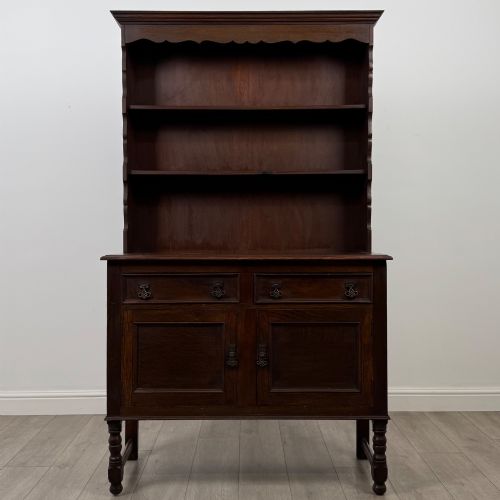
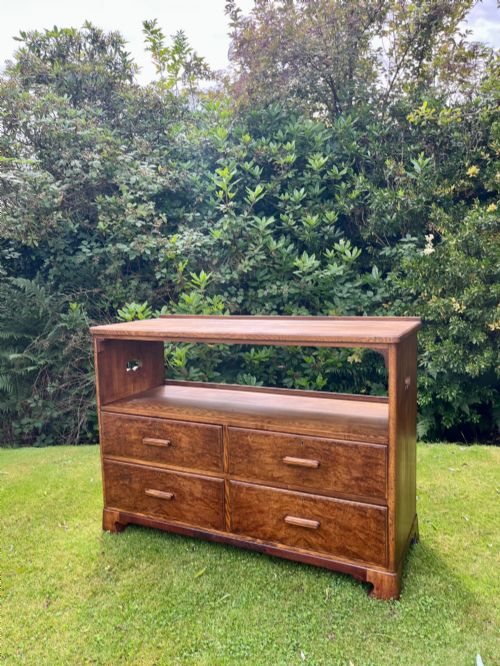
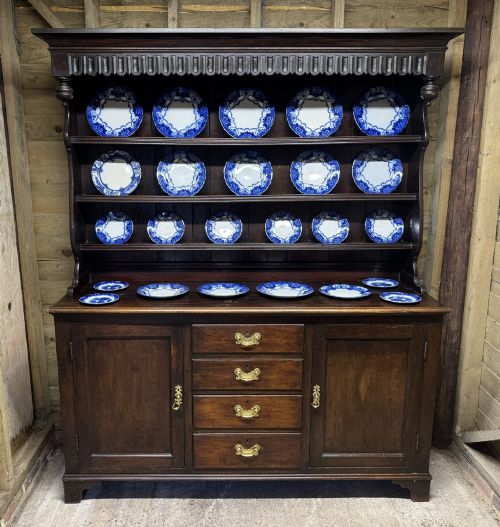
Antique Open Sideboard
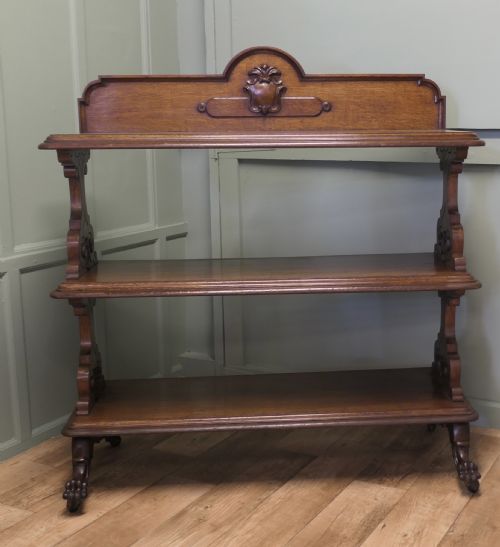
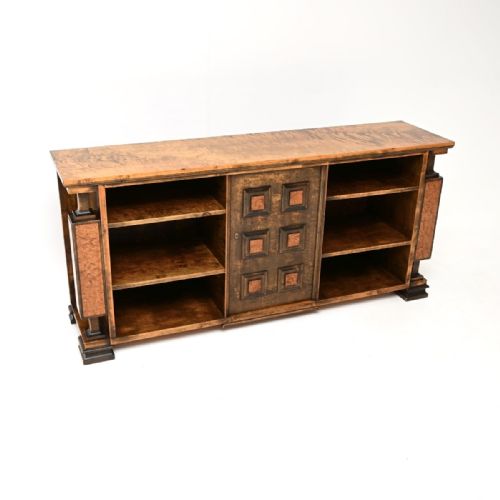
An antique open sideboard offers practical surface space and display capability, bringing time-served timber and traditional craftsmanship directly into a modern room.
Antique Open Sideboard
When you search for an antique open sideboard, you encounter a varied group of heavy serving pieces, potboard bases, and open-backed dressers originating primarily from the eighteenth and nineteenth centuries. These items reflect regional British cabinet-making traditions, particularly from Welsh and English country workshops, alongside refined urban production in oak, mahogany, and walnut.
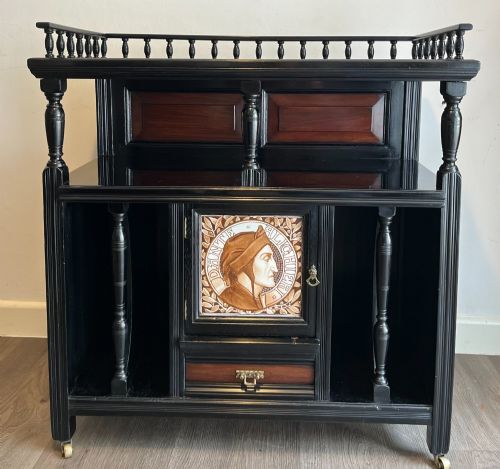
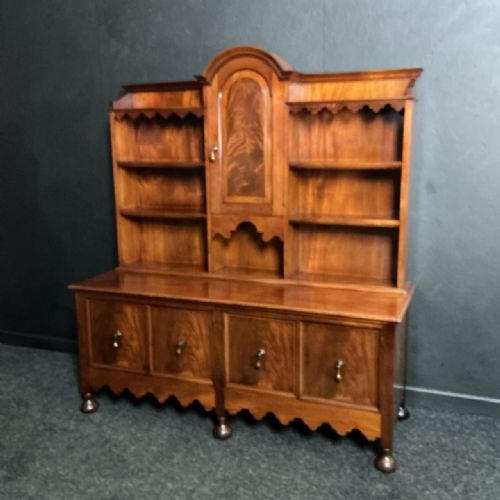
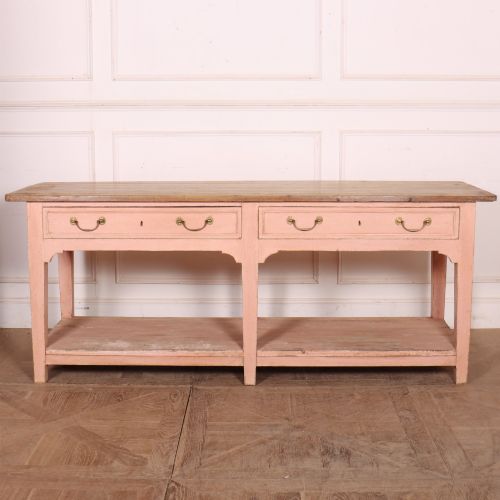
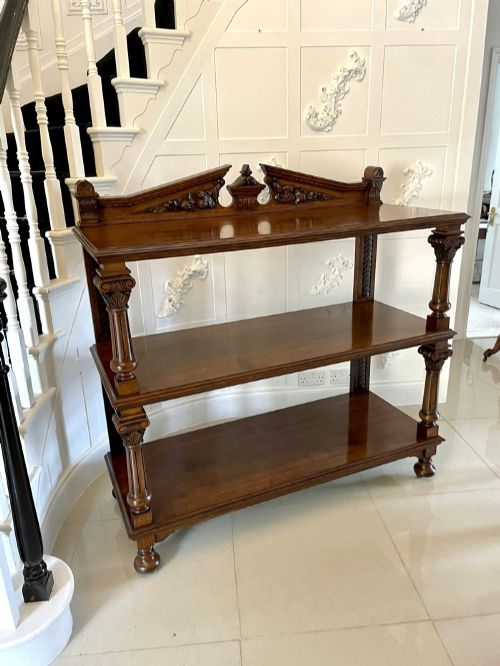
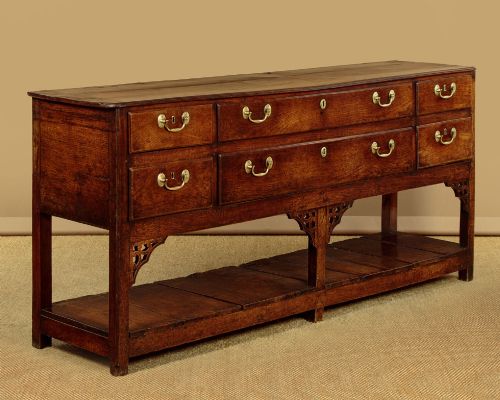
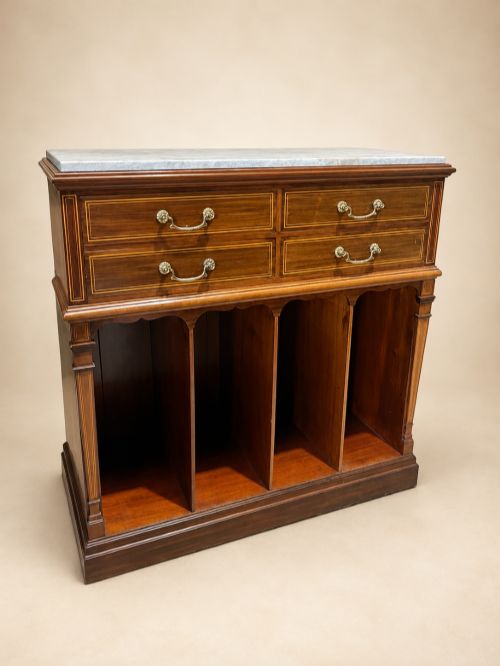
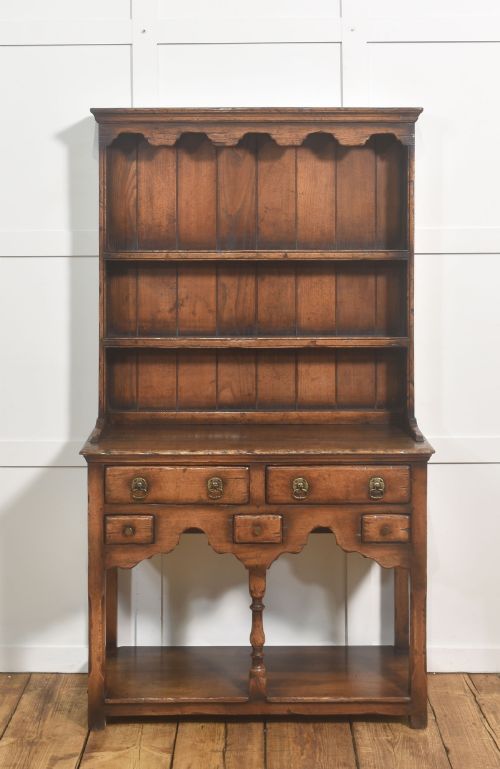
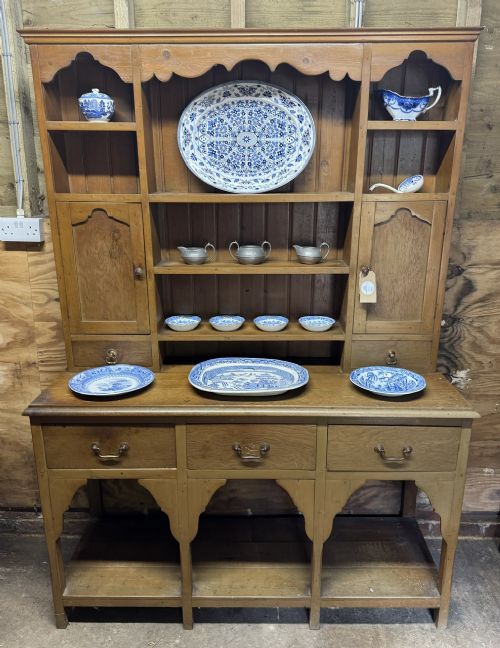
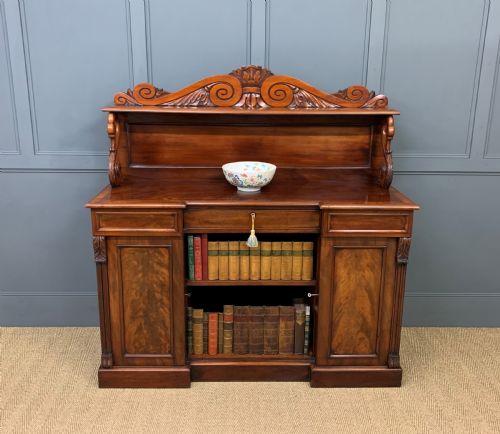
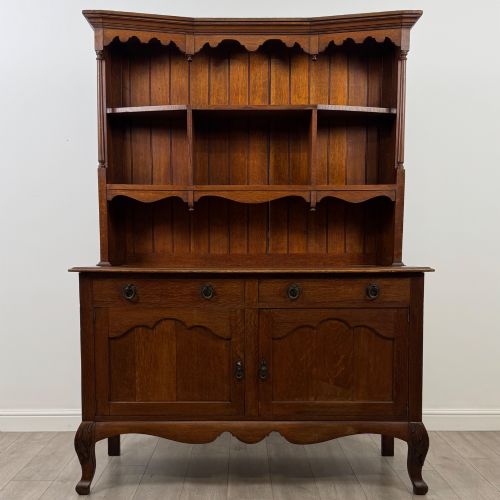
The most frequent examples on this page are sturdy oak dresser bases and potboards featuring open lower shelves, alongside credenzas and buffets from the Victorian and Edwardian periods. Pieces range from utilitarian Welsh country furniture with original plate racks to inlaid mahogany cabinets designed for formal reception rooms.
Materials and Construction
Cabinet-makers relied heavily on solid oak, mahogany, and walnut, frequently enhancing surfaces with burr veneers, flame graining, and boxwood or ebony inlay. Secondary woods like pine appear in regional construction, whilst brass hardware and gilt ormolu mounts provide decorative contrast on high-status Victorian pieces.
Joinery techniques combine pegged mortise and tenon frames in earlier country pieces with fine dovetailing in drawer construction and hand-carved ornamentation. Many items retain aged patinas developed through centuries of domestic use and polishing.
The listings span from the eighteenth century through the Edwardian era, featuring native oak, mahogany, and burr walnut alongside painted finishes.
Assessing Merit
The refinement of brass mounts, the subtlety of marquetry inlay, and the retention of original glass or potboards distinguish standard utility items from exceptional workshop productions.
Whytock and Reid·Gillows·Liberty and Co
The Antique Open Sideboard Glossary
- Potboard
- A lower open shelf built into the base of a dresser or sideboard, traditionally used for storing pots and pans. This feature is particularly characteristic of eighteenth-century English and Welsh country furniture.
- Credenza
- A grand Victorian display cabinet or sideboard, frequently mounted with ormolu and featuring glass doors. These pieces were often utilised in formal dining rooms for serving and display.
- Buffet
- A sideboard or serving table used for food presentation. Nineteenth-century examples often incorporate tiers or enclosed cabinets beneath a serving surface.
- Chiffonier
- A compact sideboard or cabinet equipped with enclosed lower cupboards and sometimes upper shelving. They became widely popular during the Regency and Victorian eras for smaller drawing rooms.
- Vernacular
- Furniture built by local country craftsmen using regional styles and native timbers rather than following strict urban academic designs. Welsh and West Country pieces frequently display these distinct local characteristics.
Antique Open Sideboard: Frequently Asked Questions
What is a potboard base?
A potboard base is a heavy table or sideboard featuring a low open shelf running near the floor beneath the drawers. Craftsmen designed these boards to hold heavy kitchen pottery and metalware off damp flagstone floors.
Over time, these sturdy open shelves became a defining characteristic of regional English and Welsh country furniture, prized today for displaying ceramics.
How do I date an oak sideboard?
Dating relies on examining construction methods, timber choice, and hardware styles. Eighteenth-century pieces typically feature pegged joints, hand-carved details, and solid native oak boards with deep patinas.
Victorian and Edwardian versions often employ machine-sawn elements, mahogany or walnut veneers, and factory-made brass fittings. Regional vernacular pieces may retain traditional forms long after urban workshops moved to new styles.
Where should I place a sideboard?
These pieces suit dining rooms, hallways, and living spaces where surface area and low-level storage are needed. Open-shelf versions and dressers work well for displaying collections of ceramics or glass.
Ensure the piece sits clear of direct heat sources and strong sunlight to protect aged timber surfaces and original polished finishes.
What is the difference between a dresser and a sideboard?
A traditional dresser includes an upper plate rack attached to the base, designed for storing and displaying tableware. A sideboard is strictly a base unit with cupboards or drawers, used primarily for serving food.
Many antique examples bridge these categories depending on whether the upper rack survives alongside the lower cabinet.