
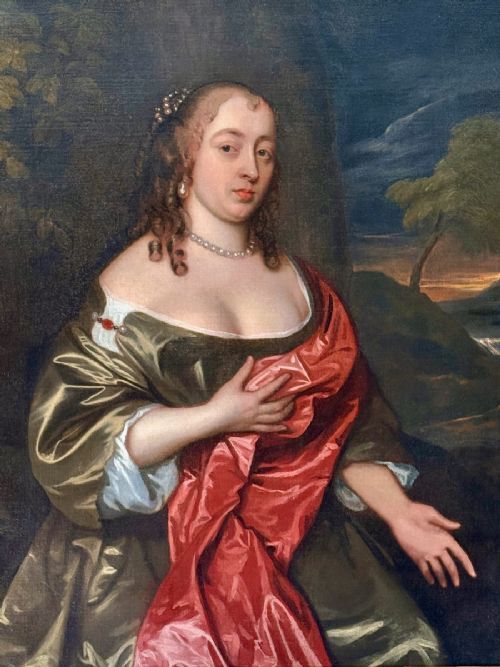

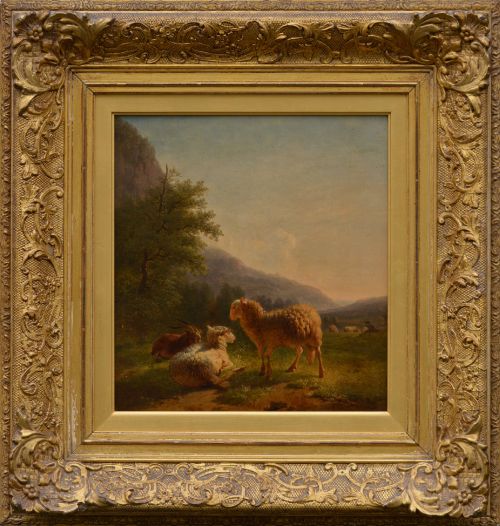
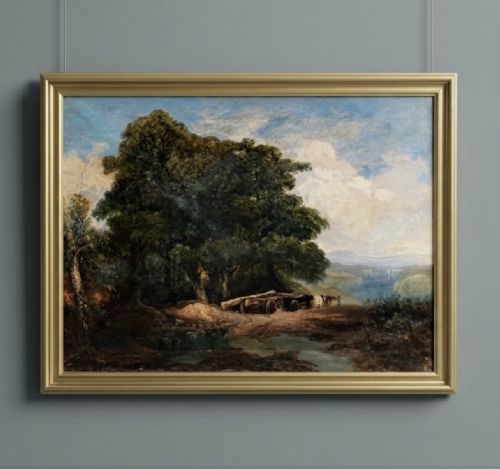
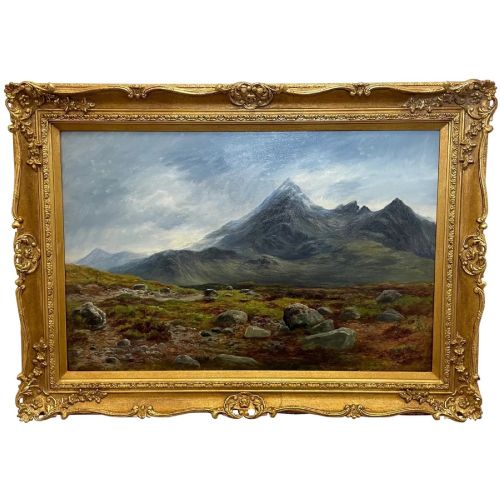



Antique Oil Landscape Canvas
An antique oil landscape canvas brings the depth of past centuries into a room through rich pigments applied to woven fabric.
Understanding the antique oil landscape canvas
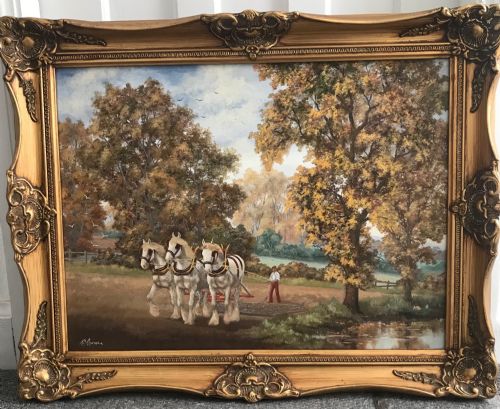
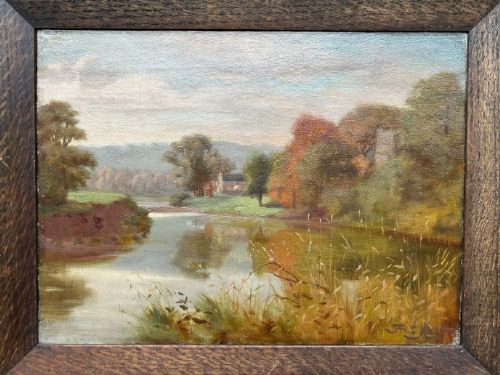
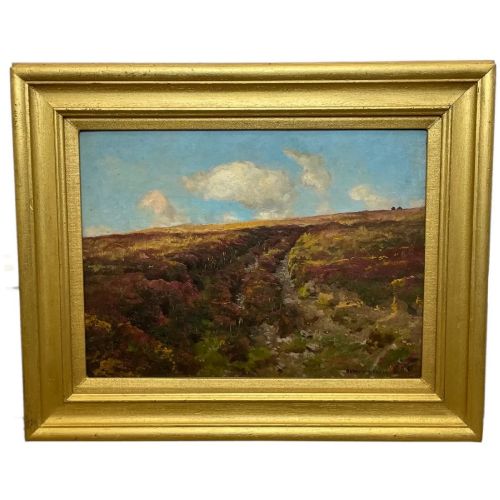
An antique oil landscape canvas captures pastoral scenes, rugged mountains and quiet rivers through traditional painting methods. Collectors seek these pieces to bring historical depth and natural beauty into interior spaces.
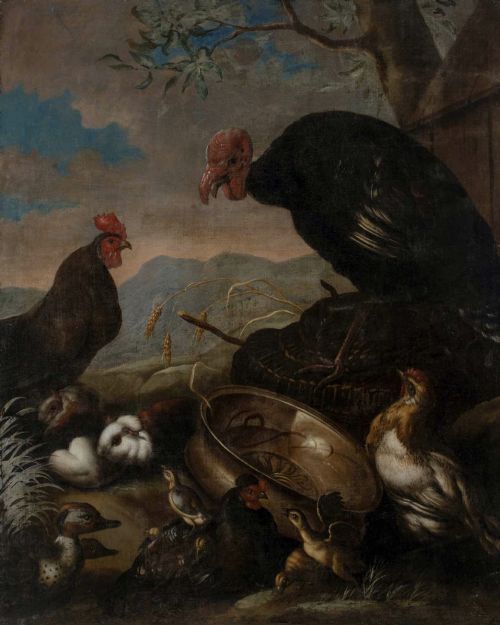
The selections available range from classical compositions influenced by earlier continental traditions to specific regional views across Britain and Europe. Works from the Victorian era and the late nineteenth century appear frequently.
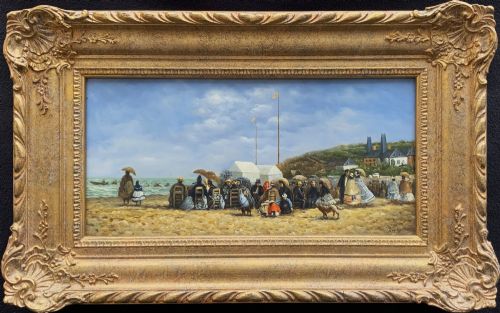
Subjects span from Highland moorlands and rural farmsteads to tranquil river banks and coastal harbours. Each canvas serves as a historical window into past topography and artistic interpretation.
Materials and construction
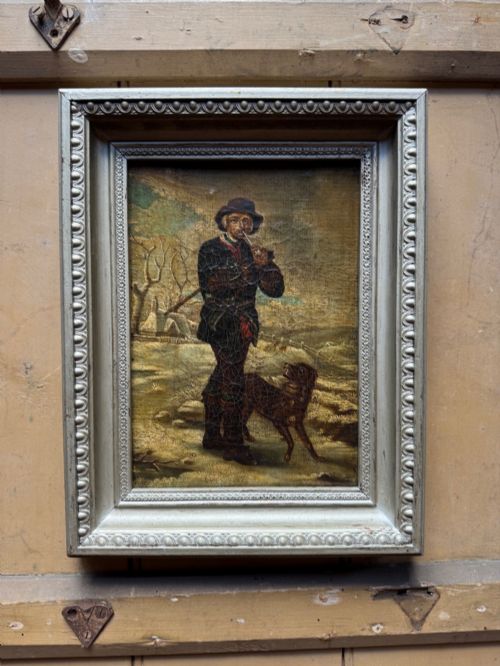
Painters applied oil paint onto stretched canvas, often supported by wooden stretchers or mounted onto boards for stability. Ground layers provided a prepared surface for the pigments.
Many works sit within decorative gilded wood frames finished with gesso and gold leaf. These ornate surrounds complement the painted scenes and protect the edges of the fabric.
Retail Price Guide 2026
Typical UK retail prices for oil landscape canvas, calculated from the Sellingantiques database of over a million retail prices indexed since 2003. This retail price guide relies exclusively on Sellingantiques data; no external sources or auction records are used, so the figures do not describe the wider market.
Materials recorded across the archive include oil paint, canvas, wood, gesso, gold leaf and gilded wood frames.
Assessing the work
Skill in handling light, atmosphere and perspective separates accomplished compositions from simpler decorative works. The treatment of foliage, water and atmospheric distance demonstrates the painter's ability.
The integrity of the canvas and the preservation of the original paint layer influence the overall standard. Original period frames that match the age of the painting add significant character.
Sidney Richard Percy·Alfred de Breanski·David Cox Senior·John Macwhirter·Henry Cheadle
The Antique Oil Landscape Canvas Glossary
- Oil on Canvas
- Pigments bound in a drying oil medium applied directly to a woven fabric support. This combination allows for rich colour blending and textured brushwork.
- Gesso
- A plaster-like mixture applied to wooden frames before gilding. It provides a smooth base for gold leaf application.
- Canvas Laid Onto Board
- A conservation or construction method where fabric is adhered to a rigid backing. This technique offers extra support to older supports.
- Gilded Wood
- Timber frames treated with metallic leaf or powder to create a bright finish. These surrounds enhance the visual impact of the artwork.
- School
- A group of artists working in a similar style or region during a specific period. This term often links unsigned works to a regional tradition.
Frequently Asked Questions
How do I date an oil painting?
Examine the materials of the stretcher, the weave of the canvas and the style of the frame. Pigment analysis and signatures also offer clues to the period.
Compare the subject matter and clothing styles of any figures to historical records. Conservation marks on the reverse can reveal previous handling.
How were these paintings displayed?
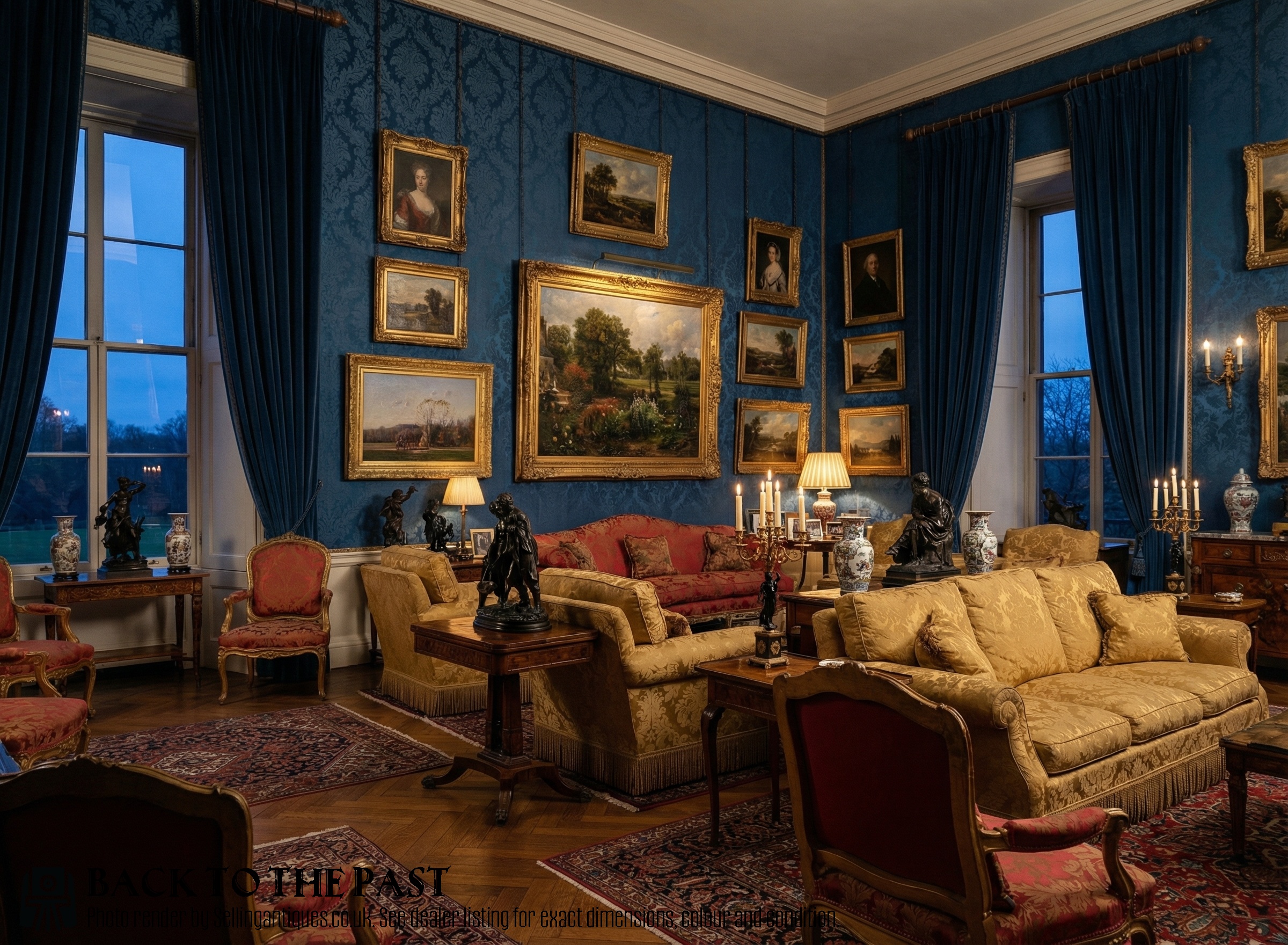
Most works hung in formal drawing rooms or parlours within substantial homes. Their gilt frames were designed to catch candle or gas light.
Today, they suit traditional and contemporary interiors alike. Proper placement avoids direct sunlight to protect the pigments.
Are all canvases signed?
Many works bear artist signatures or monogram initials on the front or verso. Others remain attributed to specific schools or followers of known masters.
Unsigned pieces often reflect the widespread production of regional landscape art. Quality of execution matters more than a signature when assessing merit.
How do I care for an old canvas?
Keep the painting away from excessive humidity and rapid temperature changes. Dust the surface gently with a soft, dry brush.
Avoid using water or chemical cleaners on the paint layer. Professional conservators should handle any structural repairs or cleaning.