



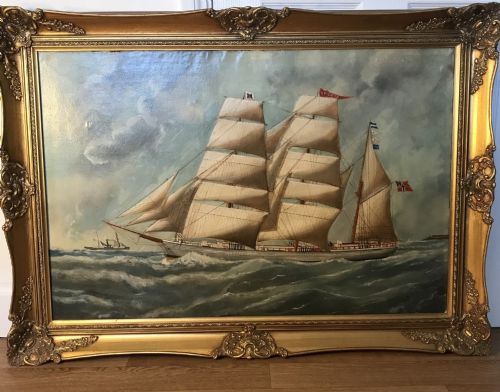
Antique Oil Canvas Ship
When you collect antique oil canvas ship paintings, you secure maritime history captured through master brushwork on woven fabric.
Antique Oil Canvas Ship
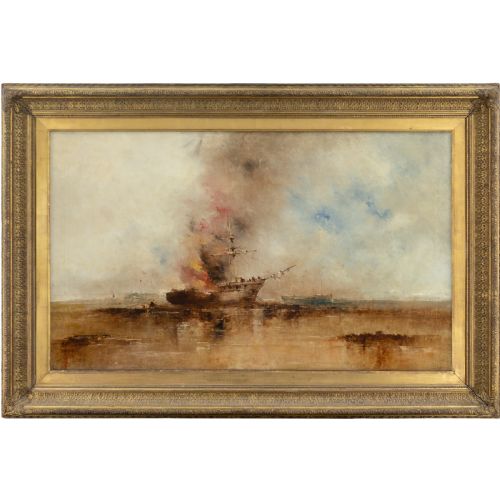
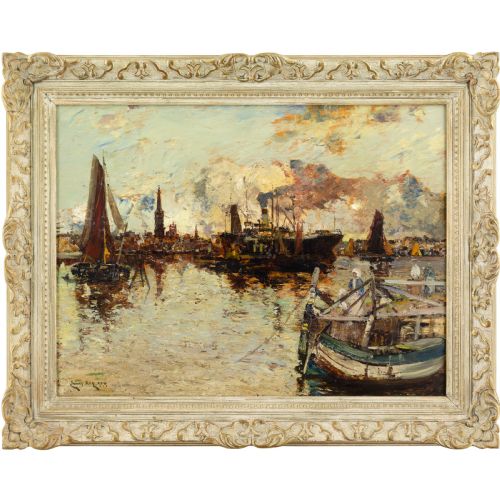
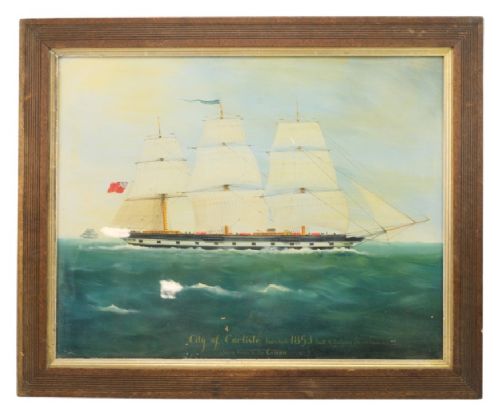
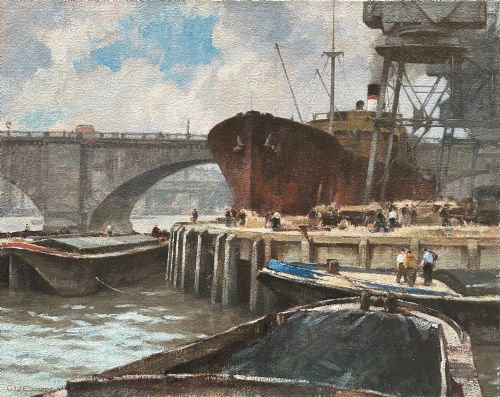
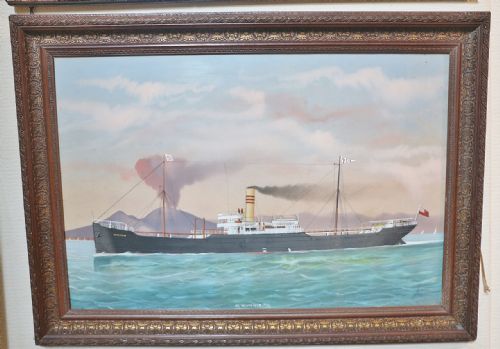
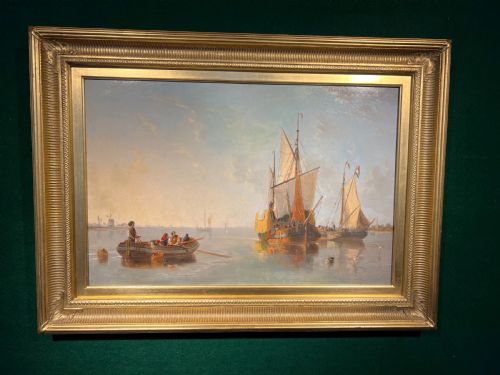
Collectors seeking an antique oil canvas ship will encounter fine art paintings, wall art, and marine paintings depicting naval engagements, merchant vessels, and coastal scenes. These works capture maritime history primarily through nineteenth-century Victorian pieces, alongside eighteenth-century depictions and early twentieth-century Edwardian works.
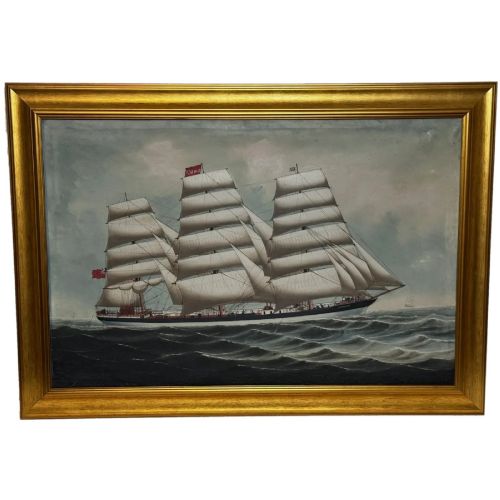
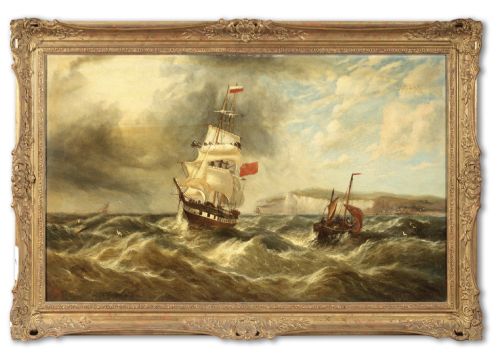
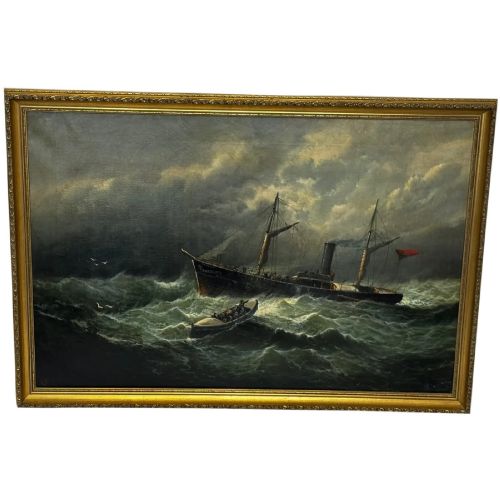
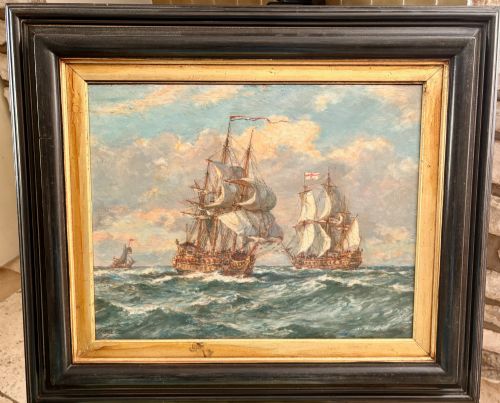
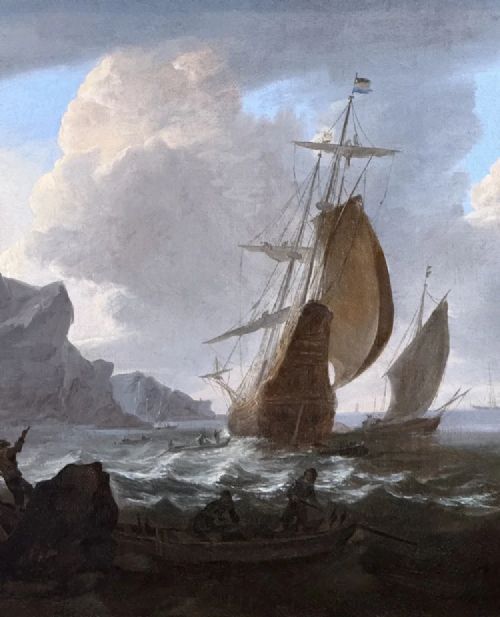
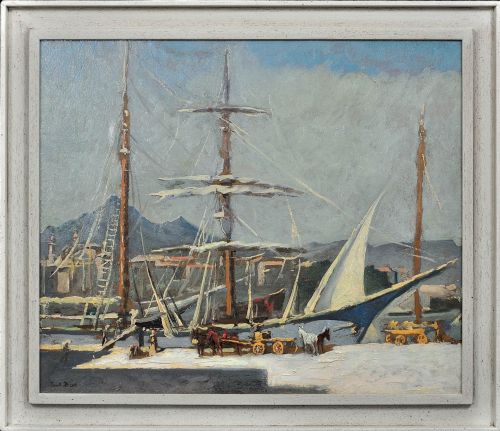
The selections available range from peaceful harbour scenes and calm coastal waters to dramatic shipwrecks in heavy seas and turbulent gales. Prominent vessel types include three-masted schooners, clippers, wooden barques, and warships with raised sails operating near the coast or navigating open waters.
The origins span English, French, Norwegian, and Dutch schools, reflecting global maritime trade and naval power. These artworks document specific vessels, such as the clipper Slieve Roe or the barque Vick, anchoring historical events and commercial shipping routes directly onto canvas.
Materials and technique
Artists painted these marine scenes utilising oil paint applied to woven canvas supports, stretched over sturdy wooden frames. The medium allowed painters to build up rich textures for churning waves, billowing sails, and atmospheric skies.
Finished canvases were frequently housed within decorative gold leaf and giltwood frames, which complemented the maritime subject matter. Artisans prepared the canvas grounds with priming layers to ensure the stability and longevity of the oil pigments over centuries.
Sailors occasionally commissioned pierhead paintings simply to prove to tavern keepers in the next port that their ship truly survived the gale.
Separating the ordinary from the exceptional
Quality in these marine paintings rests upon the artist's command of atmospheric perspective, accurate vessel rigging, and the convincing depiction of water movement. Superior examples capture the specific weight of heavy seas and the precise architectural details of maritime craft.
The handling of light upon sails and water distinguishes master practitioners from standard regional recorders. Furthermore, the condition of the original canvas and the presence of a period gilt frame influence the overall integrity of the piece.
Eugène-Louis Gillot·William McAlpine·Reginald Arthur Borstel·John Rose Miles·James Kay·William Broome·Bernard Gribble·Bonaventura Peeters·Bernard Benedict Hemy·John Wilson Carmichael·Lai Fong·Nicholas Condy·Richard B. Spencer·Abraham Hulk I·Charles William Wyllie·Daniel Sherrin·George Shaw·Charles Sim Mottram·Hendrik Willebrord Jansen·George Gregory·Marie-Edouard Adam·John Callow·E K Redmore·C W Williamson·S A Galton
The Antique Oil Canvas Ship Glossary
- Barque
- A sailing vessel with three or more masts having the fore-and-aft sail set only on the mizzenmast. This rig was common for long-distance cargo transport in the nineteenth century.
- Clipper
- A very fast nineteenth-century merchant sailing ship with three masts and a square rig. These vessels prioritised speed for trade routes carrying tea, wool, and passengers.
- Giltwood
- Wood carved and covered with a thin layer of gold leaf. Period frames utilise this technique to enhance the visual presentation of fine art.
- Marine painting
- Artwork that depicts ships, the sea, or coastal views. This genre encompasses historical naval battles, portraiture of specific vessels, and coastal scenes.
- Pierhead painting
- A specialised genre of marine art created for sailors and ship owners, depicting specific ships arriving at or departing from a port.
Antique Oil Canvas Ship: Frequently Asked Questions
What subjects do these maritime paintings show?
These artworks record a wide variety of nautical subjects, ranging from naval warships in battle and merchant vessels navigating rough seas to peaceful harbour scenes and coastal figures.
Specific historical events, wartime hospital ships, and named commercial clippers also appear across the selection.
How do I identify the period of a marine painting?
Dating relies on costume details of figures, the architecture of coastal buildings, and the type of vessel depicted, such as early galleons versus nineteenth-century iron-hulled clippers.
Signatures, artist dates, and framing styles often provide additional chronological context.
Where were these ship paintings created?
The works originate from various European and international art schools, notably English, French, Dutch, and Norwegian marine painters.
Many artists painted active commercial ports, coastal landmarks like Plymouth Breakwater, or specific international waters.
How should I care for an antique oil canvas painting?
Keep the artwork away from direct sunlight, high humidity, and rapid temperature fluctuations to protect both the oil paint and the woven canvas support.
Avoid using liquid cleaners on the painted surface and consult a professional art conservator for maintenance.