



Traditional Framed Marine Picture
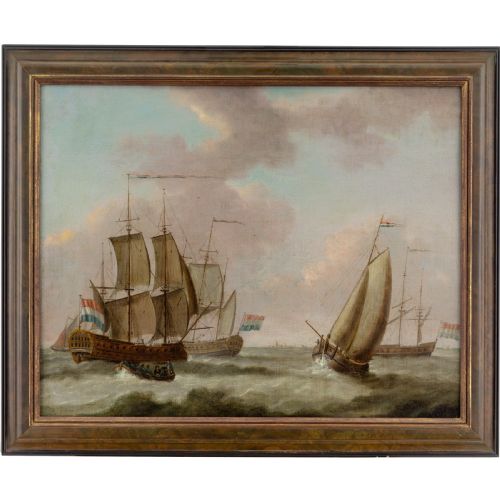
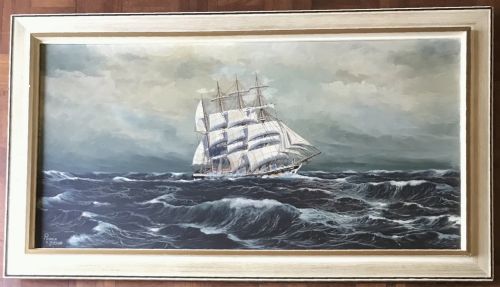
A traditional framed marine picture captures the enduring power of the sea, offering a window into historic coastal life and maritime trade through oil and watercolour.
Traditional Framed Marine Picture
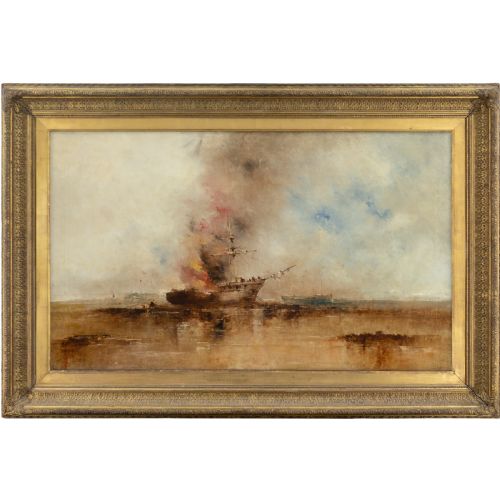
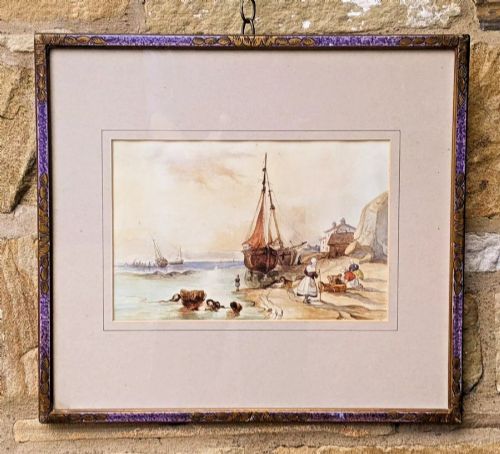
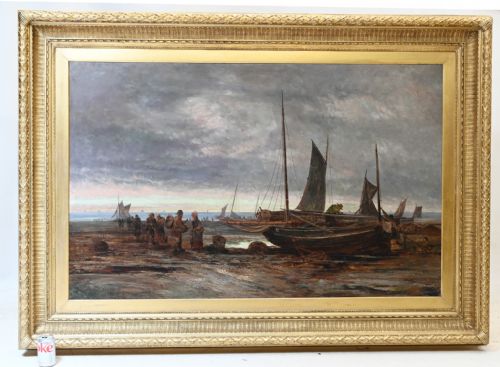
A traditional framed marine picture encompasses oil paintings, watercolours, and wall art depicting coastal scenes, harbours, and ships. These works document maritime history through depictions of naval vessels, fishing boats, and coastal towns from the nineteenth century onward.
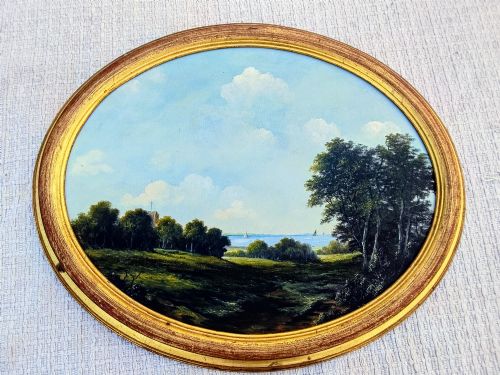
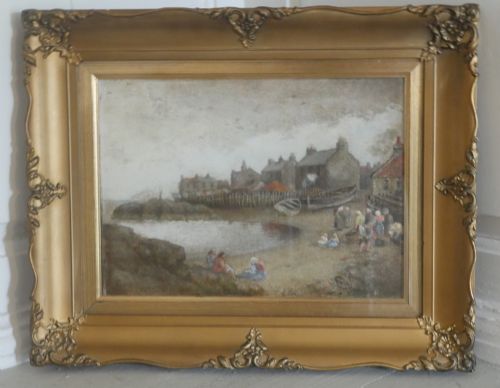
The pieces available here lean heavily into nineteenth-century and Victorian aesthetics, alongside twentieth-century works ranging up to nineteen sixty. Buyers frequently encounter detailed oil on canvas landscapes, pastoral harbour views, and dramatic seascapes housed in period wood or giltwood surrounds.
Subjects stretch from local British coastal points like Cornwall and Norfolk to international waters and Venetian lagoons. Whether showing a quiet beach with fisher folk or a towering clipper ship under full sail, each picture records a specific maritime moment.
How they were made
Artists applied oil paint or watercolour onto woven canvas, prepared wood panels, or heavy paper sheets. These mediums allowed painters to capture the shifting light of the sea, the transparency of coastal water, and the heavy texture of wooden ship hulls.
Frames are integral to the presentation, typically constructed from solid wood, oak, or intricately moulded giltwood. Some works feature hand-enamelled polychrome frames that complement the maritime subject matter within.
Traditional Framed Marine Picture Retail Price Guide 2026
Typical asking prices for traditional framed marine picture among the pieces listed under this phrase on Sellingantiques today, from the lower quarter to the upper quarter. They describe what is for sale here now, not the wider market.
Materials recorded across the inventory include oil on canvas, oak, glass, paper, and giltwood.
What varies in quality
Quality rests upon the artist's command of atmospheric perspective, marine architecture, and the natural movement of water. Works by named painters display superior handling of light, shadow, and coastal topography compared to anonymous school pieces.
The integrity and originality of the surrounding frame significantly influence the overall character of the piece. Hand-carved giltwood or period wood frames that match the age of the canvas elevate the presentation far beyond later replacements.
William McAlpine·Edward Mills·John McDougal·James Webb·Jane Vivian·Alfred Henry Vickers·George Henry Knight·Thomas Rose Miles·Ebeneezer Colls·Owen Bowen·Edward Henry Holder·Peter Ghent·Herbert James·John James Wilson·Micheal Matthews·William Shayer·James Hardy
The Traditional Framed Marine Picture Glossary
- Oil on canvas
- Pigment suspended in a drying oil, usually linseed, applied to stretched woven fabric. This medium dominated nineteenth-century marine art for its depth of colour and durability.
- Giltwood
- Timber, such as gesso-coated wood, covered with a thin layer of gold leaf. This material frequently frames important Victorian oil paintings.
- Watercolour painting
- Pigments suspended in a water-soluble vehicle, typically painted on paper. Artists utilised this technique for delicate coastal scenes and detailed ship portraits.
- Seascape
- A work of art depicting the sea, coastal views, ships, or marine engagements. This genre forms the core of traditional maritime art collections.
Traditional Framed Marine Picture: Frequently Asked Questions
What periods do these pictures cover?
The selection spans from the early nineteenth century through the Victorian era and into the mid twentieth century. Pieces range from historic depictions of sailing vessels dating to eighteen hundred up to twentieth-century canvases painted around nineteen sixty.
Victorian marine art forms the bulk of the offering, capturing maritime trade and coastal communities during a period of intense seafaring activity.
How should I care for an oil marine painting?
Keep oil paintings away from direct sunlight and steady temperature fluctuations to prevent the canvas or wood panel from warping. Maintain a stable indoor environment to protect both the painted surface and the original wooden or giltwood frame.
Dust the frame gently with a soft, dry brush and avoid using chemical cleaners on the canvas.
Are watercolours framed differently from oils?
Watercolour paintings require protection under glass to shield the paper and water-soluble pigments from moisture and atmospheric dust. They are typically mounted within card borders and fitted behind glass inside wood or gilt frames.
Oil paintings on canvas or board are traditionally displayed unglazed so the textured brushwork remains visible.
How can I tell a watercolour from an oil painting?
Oils present a thick, textured surface with visible brush marks and a canvas weave underneath. Watercolours appear flat and smooth, with transparent washes of pigment on paper.
Oils are generally displayed without glass protection, whereas watercolours require glazing to preserve the paper support.