

Antique Officer Portrait Painting
An antique officer portrait painting captures military rank and service on canvas, paper or wood panel, drawing collectors to historical uniforms and notable sitters.
Antique Officer Portrait Painting
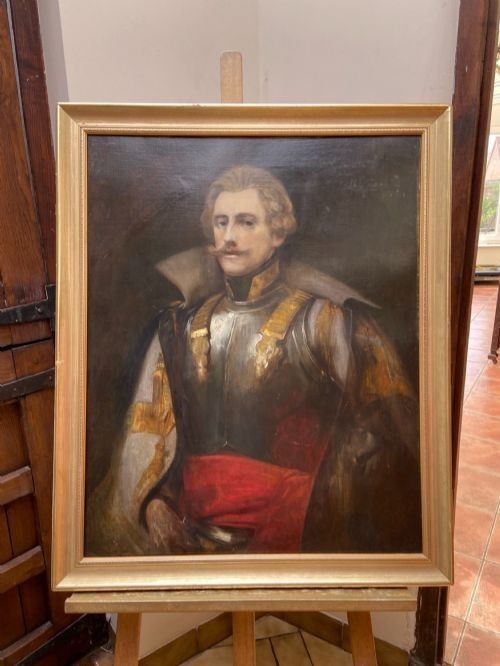
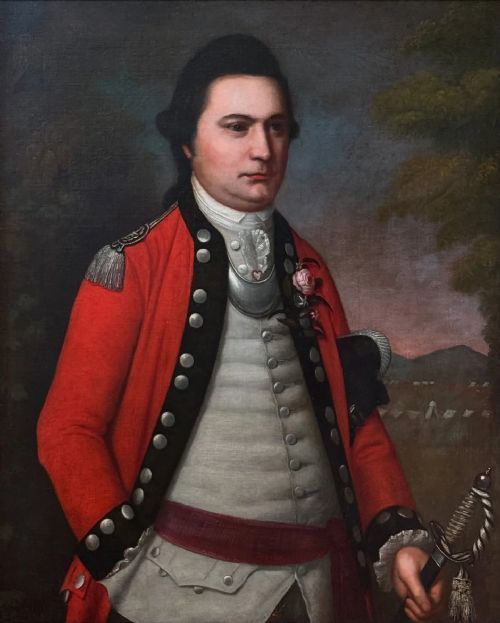
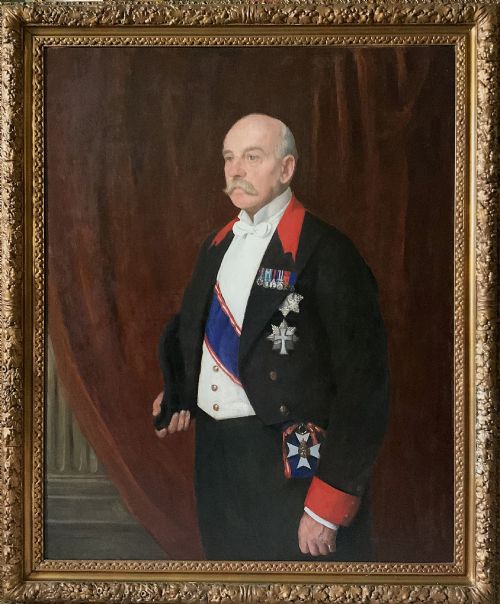
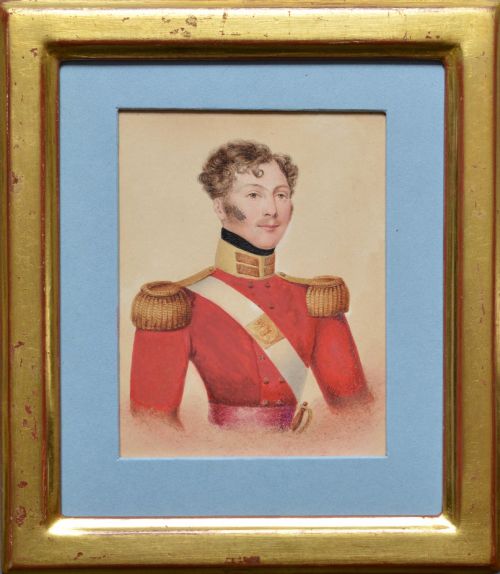
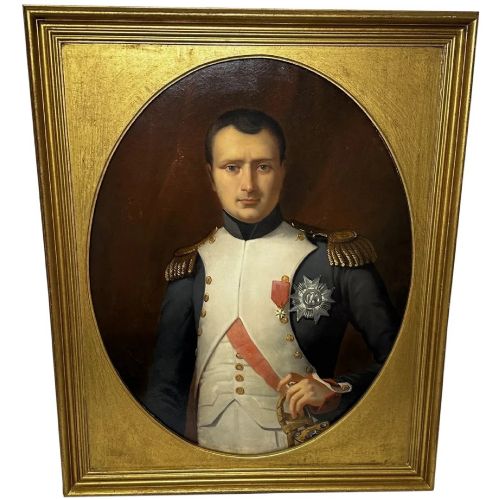
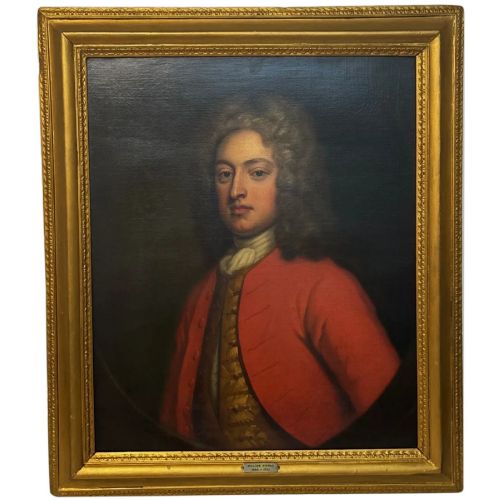
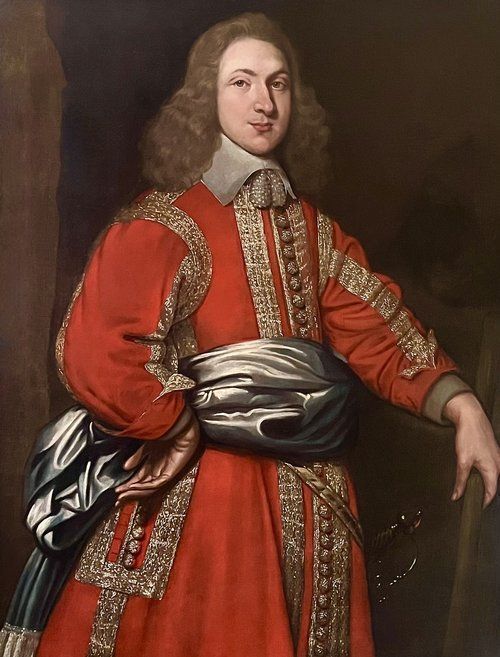
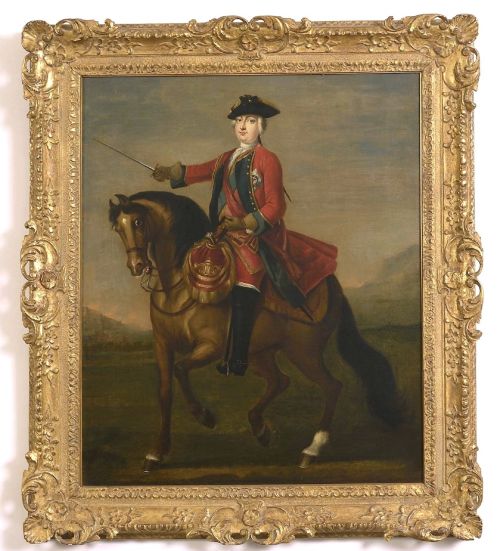
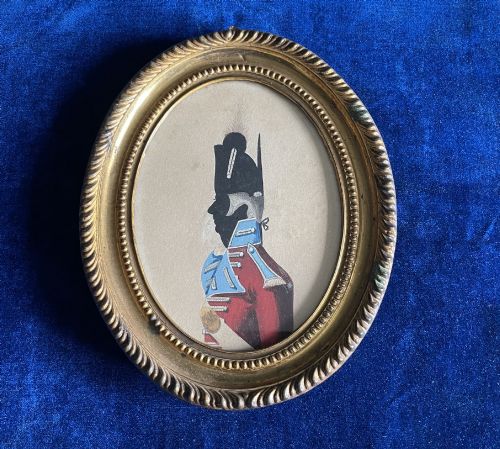
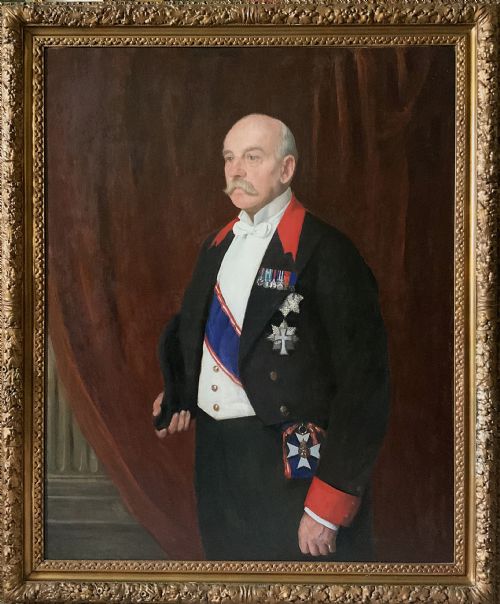
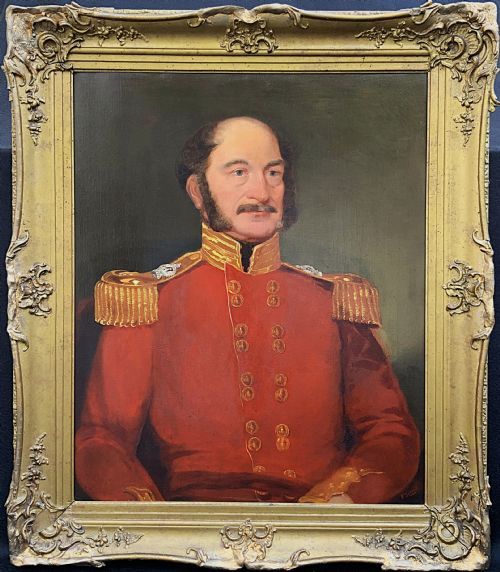
An antique officer portrait painting depicts military and naval figures from the seventeenth century through to the mid-twentieth century, recording officers in red coats, uniforms, armour and service dress. The phrase covers both large formal canvases intended for stately homes and intimate portrait miniatures painted on ivory, agate or paper.
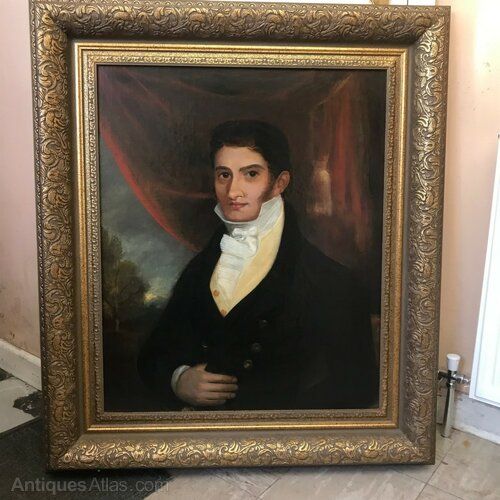
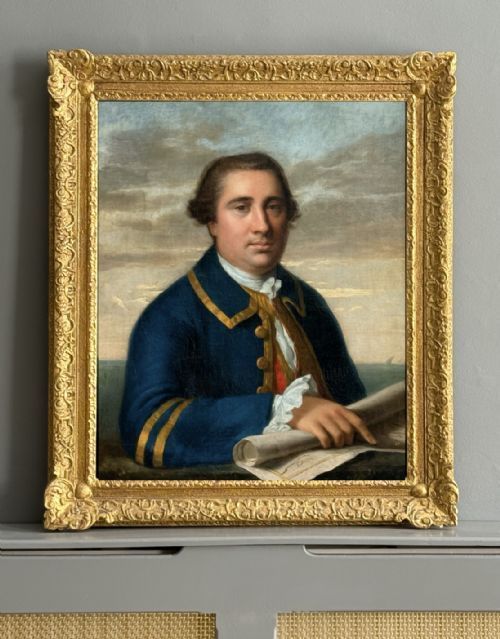
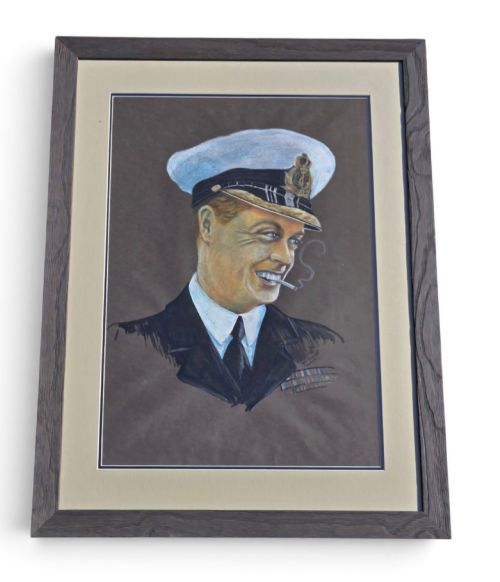
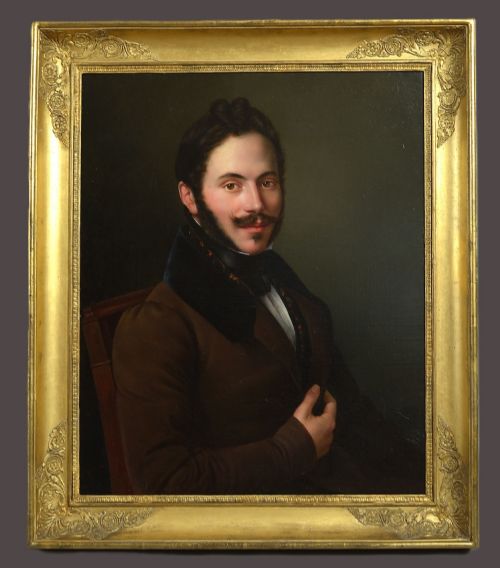
The most common examples on this page date from the eighteenth and nineteenth centuries, often showing British, French or Anglo-Dutch commanders, captains and generals. These works range from accomplished oils by named artists to anonymous school pieces and delicate wartime sketches.
Subjects include identifiable historical figures such as naval captains, generals and regiment commanders, alongside lesser-known military personnel. They appear framed in period giltwood or wood, presenting uniforms that reflect the specific regiments and campaigns of their era.
Materials and techniques
Oil paint applied to stretched canvas or wood panels forms the primary medium for larger works, allowing artists to build rich textures in red coats, gold braid and dark armour. Watercolour, gouache and pastel on paper appear frequently in smaller sketches, portrait miniatures and wartime drawings.
Many works utilise fine detailing on paper or agate panels, sometimes housed in gold or glass frames. The preparation of the canvas or panel involves traditional gesso grounds, over which pigments capture the precise hues of military uniforms and facial likenesses.
Several officers gaze out alongside horses, grooms and even pet dogs who managed to share the studio.
What separates the fine from the ordinary
The strength of the likeness and the confidence of the brushwork separate accomplished portraiture from formulaic studio production. Master painters capture the texture of lace, wool tweed and metallic insignia with precision, whereas weaker works rely on rigid postures and flat application.
Provenance and documentation elevate a piece, particularly when the sitter, artist or regiment is clearly identified. The quality of the original frame, whether carved giltwood or eighteen-carat gold housing for miniatures, also influences the standing of the artwork.
Lemuel Francis Abbott·Stickland Lowry·John Wootton·Thomas Hudson·Edouard Pingret·Henry Bone·John Simmons·Sir Thomas Lawrence·Edward Pugh
The Antique Officer Portrait Painting Glossary
- Portrait Miniature
- A small, highly detailed painting executed on vellum, paper, card, enamel or ivory. These portable works often featured military sitters and were worn or kept in private chambers.
- Giltwood
- Wood carved and coated with a thin layer of gold leaf. Frames made from this material were standard for significant oil paintings of military officers.
- Oil on Canvas
- Pigments bound in a drying oil applied to a woven fabric support stretched across a wooden frame. This method dominated British and European portraiture for centuries.
- School
- A group of artists working in a similar style or region during a particular period, often used when an exact individual painter remains unknown.
- Gouache
- An opaque water-based paint consisting of pigment, water, and a binding agent such as gum arabic. It appears alongside pastel in wartime officer sketches.
Antique Officer Portrait Painting: Frequently Asked Questions
How do I identify the regiment?
Study the uniform details, including collar colours, facings, lace patterns and buttons, which often correspond to specific British or European regiments of the period.
Contemporary records, medal ribbons and cap badges further clarify the military branch and campaign associated with the sitter.
What is the difference between an oil and a miniature?
Oils are painted on canvas or wood panels in larger formats suited for prominent wall display. Miniatures are executed on a much smaller scale using delicate media like watercolour or enamel on paper, agate or ivory.
Miniatures were designed for personal, intimate possession rather than public display in a grand room.
How should I hang and care for these paintings?
Keep works away from direct sunlight and sources of extreme heat or humidity to protect canvas, paper and pigments from fading or cracking. Stable indoor environments preserve both the paint layer and the original period frame.
Use professional picture hooks rated for the weight of heavy giltwood frames when hanging large oil paintings.
How can I tell the period of the portrait?
The cut of the uniform, the style of the wig or hair, and the technique of the brushwork provide reliable chronological markers. Red coats, tricorn hats and high stocks change shape across the seventeenth, eighteenth and nineteenth centuries.
Artist signatures, dates inscribed on the canvas reverse, and framing styles offer additional dating evidence.