



19th Century Soldier Art
These nineteenth century soldier art pieces capture military history through paintings, watercolours, and sculptures of regiments and officers.
19th Century Soldier Art
When searching for 19th century soldier art, buyers encounter a diverse range of historical depictions spanning infantrymen, cavalry officers, and battle scenes. These pieces reflect military life and portraiture across the Victorian era and earlier decades.
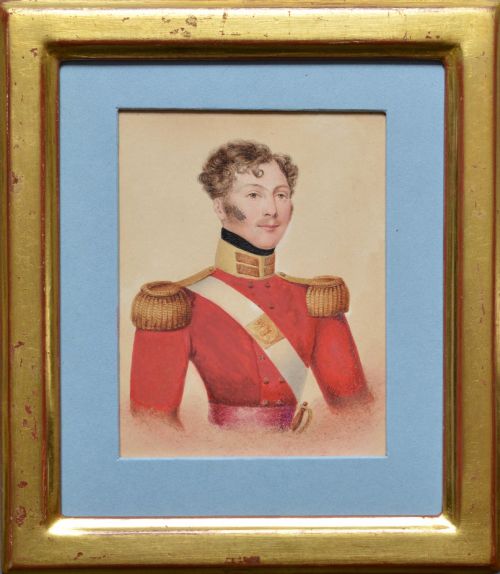
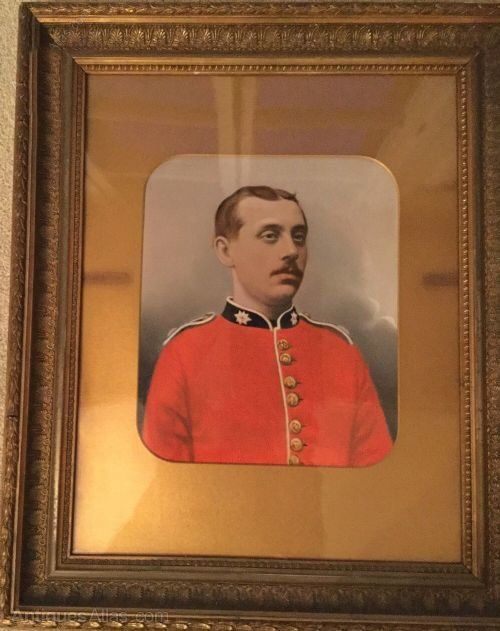
The selections on this page most frequently include oil paintings and watercolours on canvas, paper, or panel, alongside bronze sculptures and figures. Examples range from formal officer portraits to folk art and theatre scenery boards.
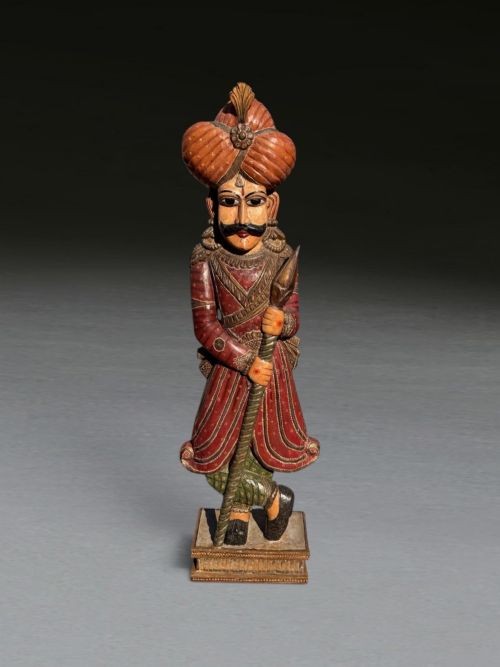
Origins stretch across British, French, and Anglo-Indian makers, documenting specific regiments like the Staffordshire 80th Regiment of Foot and the Coldstream Guards. Buyers find both intimate sketches and large framed wall art representing historical campaigns.
How these pieces were made
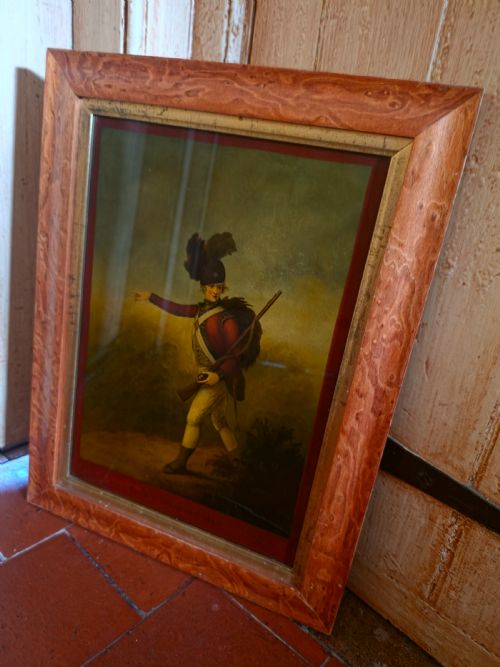
Makers utilised traditional painting methods, applying oil and watercolour paint onto canvas, paper, wood panels, and glass surfaces. Reverse glass painting created specific glossy pictures of light infantrymen.
Sculptural works were cast in bronze, often mounted on gilt wood or standard wooden bases, capturing detailed uniforms and figures in three dimensions. Pen and ink drawings on paper offer precise linear details of battle scenes.
Listings feature oil paintings, watercolours, glass pictures, and bronze sculptures documenting British and French military history.
What varies in quality
The standard of 19th century soldier art rests primarily on the skill of the draughtsman or painter in capturing accurate uniform details and facial expression. Works by documented artists command greater attention due to their established provenance and technical mastery.
Condition also dictates standing, particularly regarding the preservation of pigment on canvas, paper, or reverse glass panels. Original frames, such as gilt wood surrounds, enhance the overall integrity of paintings and watercolours.
E.H. Dumaige·Paul Leon Jazet·Ernest Crofts·Albert Ferdinand Le Dru·Frederick Henry Howard Harris·William Edward Millner
The 19th Century Soldier Art Glossary
- Reverse glass painting
- A technique where the artist paints directly onto the back of a glass sheet so the image is viewed through the front. This method protects the pigment and yields a distinct glossy surface.
- Oil on panel
- A painting executed on a flat wooden board rather than stretched canvas. Panels provide a rigid, stable support favoured by nineteenth century artists.
- Watercolour painting
- Pigments suspended in a water-soluble base applied to paper or card. These works often show rapid preparatory sketches or finished military portraits.
- Bronze sculpture
- A three-dimensional metal cast figure produced using the lost-wax method or similar foundry techniques. These capture military uniforms and horses in solid form.
- Regiment
- A permanent unit of an army commanded by a colonel. Military art frequently identifies specific units like the Coldstream Guards or the Staffordshire 80th Regiment of Foot.
19th Century Soldier Art: Frequently Asked Questions
What periods do these pieces date from?
The works span the nineteenth century, with specific dates extending from the early eighteen hundreds through to the nineteen twenties.
Creators captured changing military uniforms and campaign styles across the Victorian era and Napoleonic periods.
How were reverse glass pictures created?
Artists painted the image backwards on the rear side of a glass pane so the finished composition appeared correctly when viewed from the front.
This fragile medium preserved the bright pigments of light infantrymen and soldiers over the decades.
Where should I hang a military portrait?
These works suit studies, libraries, or living spaces with traditional decor that complements historical oil paintings and watercolours.
Owners should protect delicate paper and canvas pieces from direct sunlight to prevent fading.
Are these works signed by the artists?
Certain paintings and bronzes bear the signatures or inscriptions of named painters and sculptors from the period.
Other works remain attributed to broader regional schools or anonymous British and European makers.