



Antique Office Seat
An antique office seat brings substance to a workspace, offering solid timber frames, swivel actions and leather upholstery designed for daily use.
Antique Office Seat
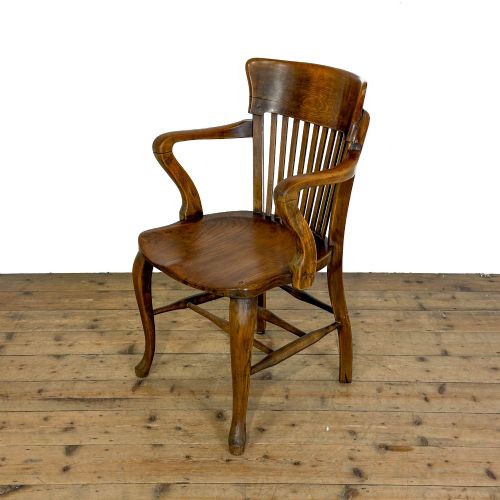
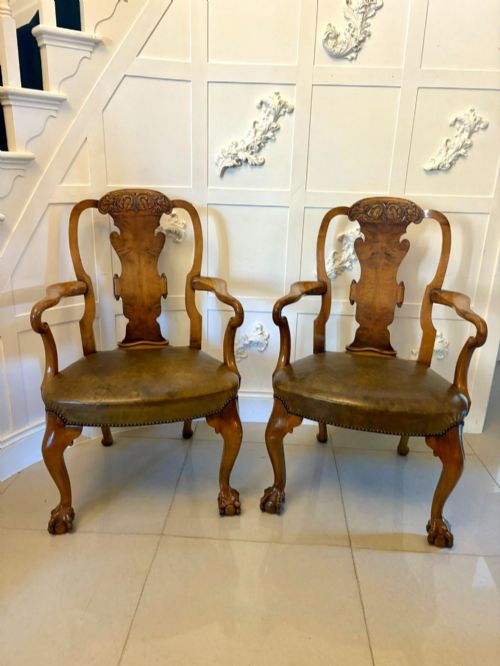
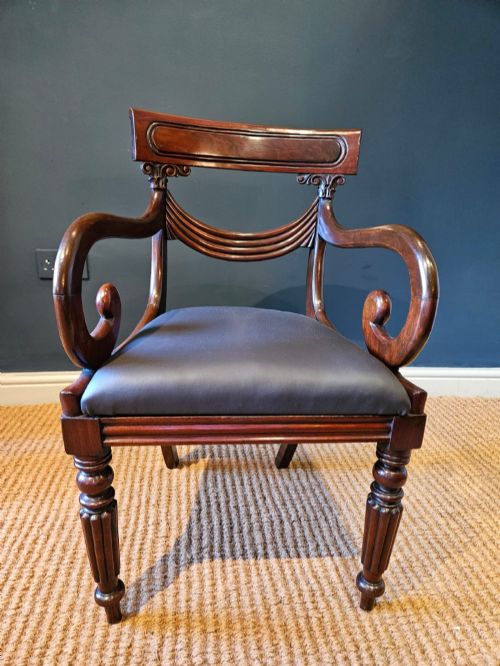
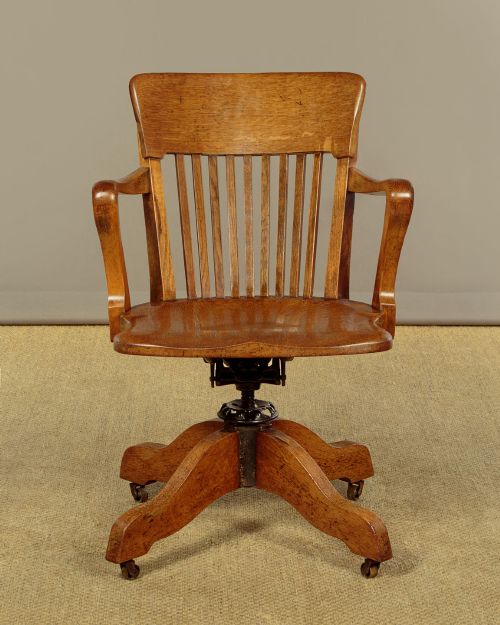
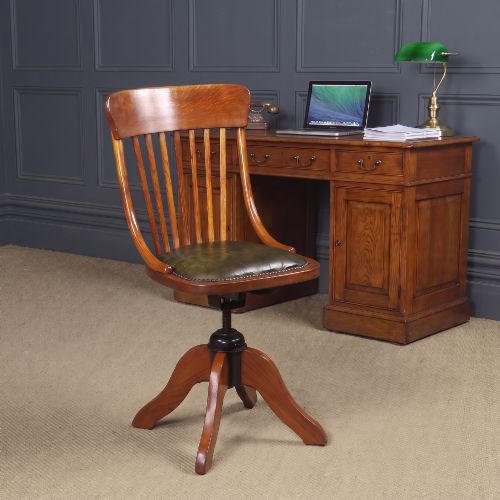
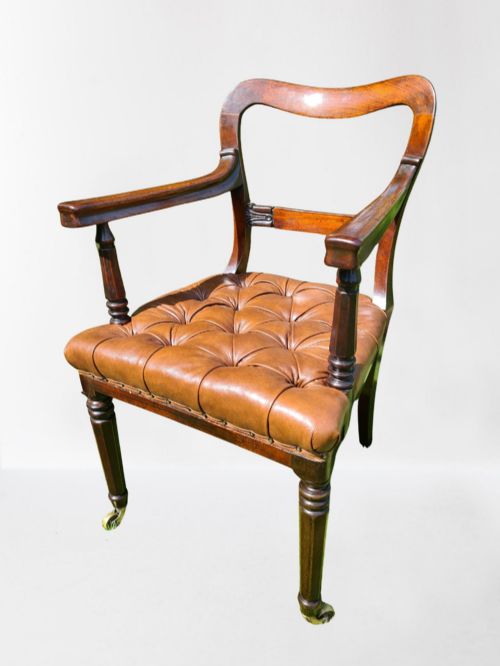
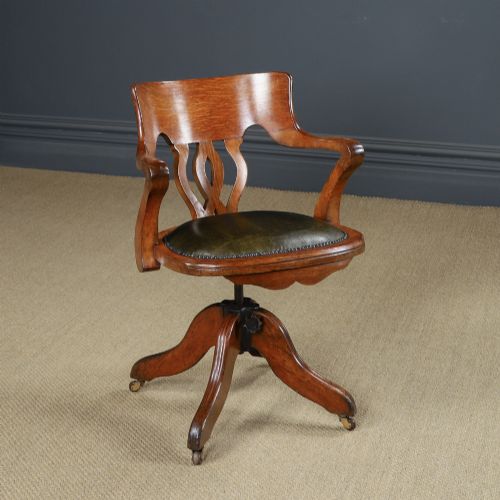
When searching for an antique office seat, buyers encounter working furniture built primarily during the nineteenth and early twentieth centuries, spanning the Victorian and Edwardian periods. These forms range from revolving captain's chairs and swivel desk armchairs with leather pads to library chairs and sturdy elm or beech country models adapted for writing desks.
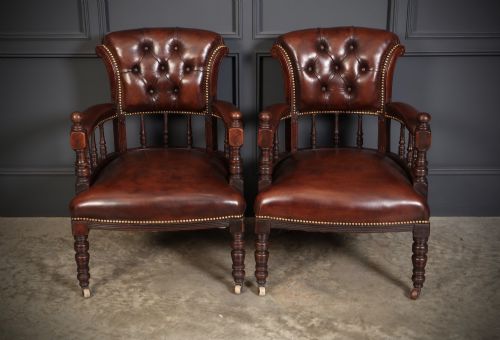
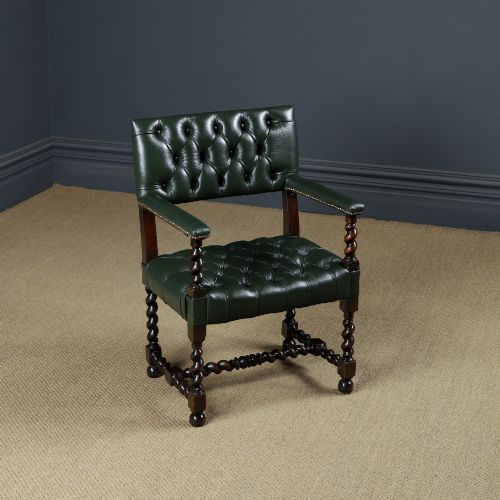
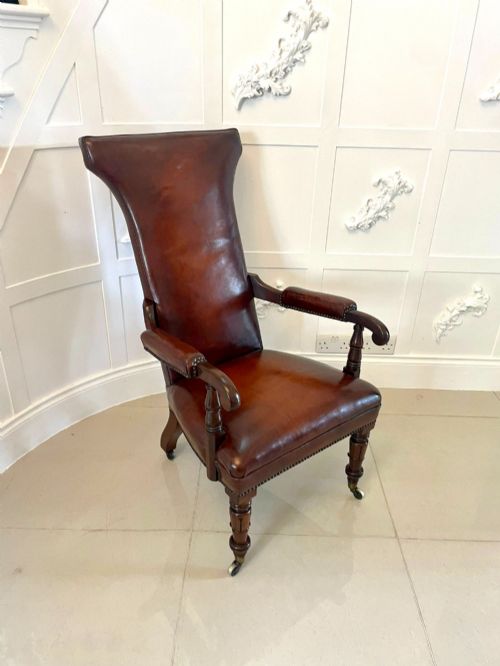
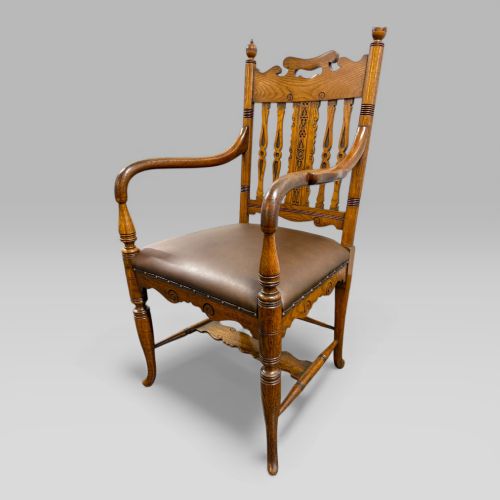
The pieces on this page are heavily represented by mahogany, oak and walnut framing, often fitted with mechanical swivel and tilt mechanisms. The most common varieties combine supportive wooden armrests with upholstered seats in green, red or tan hide, reflecting the practical requirements of period studies, offices and libraries.
How they were made
Makers utilised dense hardwoods such as mahogany, oak, beech, elm and walnut to construct rigid frames capable of withstanding constant movement and weight. Joinery relied on traditional techniques like mortise and tenon joints to secure stress points, particularly where the backrest meets the seat base.
Revolving and swivel variants incorporate robust iron and brass undercarriage mechanisms that allow rotation and tilt functions. Seats were traditionally upholstered in leather, fabric or cane, finished with brass studs securing the hide to the wooden rail.
Antique Office Seat Retail Price Guide 2026
Typical asking prices for office seat among the pieces listed under this phrase on Sellingantiques today, from the lower quarter to the upper quarter. They describe what is for sale here now, not the wider market.
Several listed models originated on passenger vessels, serving as revolving P & O ships chairs designed to keep travellers steady at sea.
What varies in quality
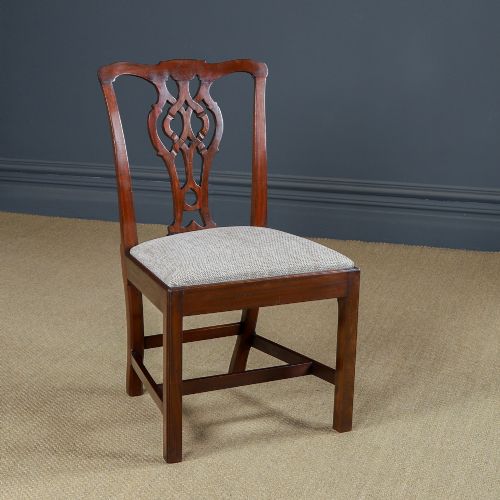
Quality in an antique office seat is dictated by the selection of timber, the sophistication of the carving and the original integrity of the swivel mechanism. Superior examples feature figured mahogany, burr elm or golden oak, combined with deeply carved detail such as Gothic revival motifs or Chippendale style tracery.
The distinction between standard utility seating and exceptional pieces lies in the fluidity of the revolving action, the weight of the brass and iron fittings, and the preservation of original leather upholstery with hand-tooled borders.
Gillows
The Antique Office Seat Glossary
- Captain's chair
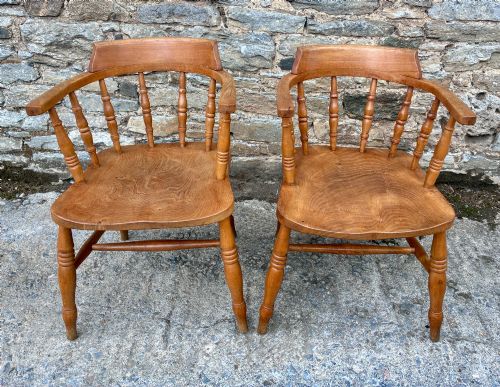
- A sturdy wooden armchair with a horseshoe-shaped backrest supported by turned spindles. These seats were originally designed for use on ships and later adopted for domestic studies.
- Revolving desk chair
- An office seat mounted on a central spindle that allows the upper portion to turn fully. They often feature an integrated tilt mechanism controlled by iron tension screws.
- Saddle seat
- A wooden seat base carved into a contoured, concave shape resembling a horse saddle for ergonomic support. This form is frequently found in elm and beech captain's chairs.
- Gothic Revival
- A nineteenth-century design style drawing inspiration from medieval architecture. Pieces feature pointed arches, quatrefoils and heavy carved tracery in oak or walnut.
- Library chair
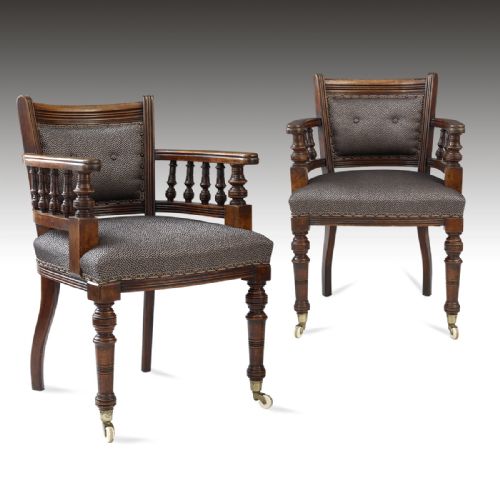
- A substantial armchair designed for reading rooms and studies, typically upholstered in leather or fabric. They provide generous elbow rests and deep seating proportions.
Antique Office Seat: Frequently Asked Questions
Are antique office seats comfortable for daily work?
Many period office seats provide solid ergonomic support through curved wooden backrests and padded leather pads. Their proportions suit writing desks, though they lack the adjustable height springs of modern furniture.
Revolving and tilt mechanisms allow movement throughout the day. Pairing a vintage chair with a modern desk requires checking the clearance height of the armrests against the underside of the tabletop.
How do I identify a Victorian desk chair?
Victorian desk chairs often display distinct timber choices such as mahogany, walnut or golden oak combined with turned spindles and leather upholstery. Construction details from this era include cast-iron swivel mechanisms and hand-carved detailing.
Stylistic influences from the period range from plain utilitarian office forms to ornate Gothic Revival designs. Examining the undercarriage reveals the transition from fixed wooden frames to early mechanical swivel technology.
What is the difference between a captain's chair and a desk chair?
Captain's chairs traditionally feature a low, continuous wooden backrail supported by vertical spindles above a solid saddle seat. They were originally stationary forms made from elm, beech or fruitwood.
Desk chairs encompass a broader category that frequently includes upholstered leather pads, armrests, and mechanical swivel bases. While both serve studies, swivel desk chairs prioritize movement and extended seating comfort.
How should I care for leather upholstery on an antique seat?
Leather upholstery requires gentle cleaning with a damp cloth followed by a specialist wax or leather conditioner to maintain flexibility. Avoid placing the seat near direct heat sources or strong sunlight to prevent drying and cracking.
Preserving the original hide involves avoiding harsh chemical cleaners. Regular light dusting helps protect the surface grain and maintains the appearance of hand-applied brass studs.