




Antique Oak Spice Cabinet
An antique oak spice cabinet brings small-scale timber storage into domestic spaces, prized for fitted drawers and compact proportions.
Antique Oak Spice Cabinet
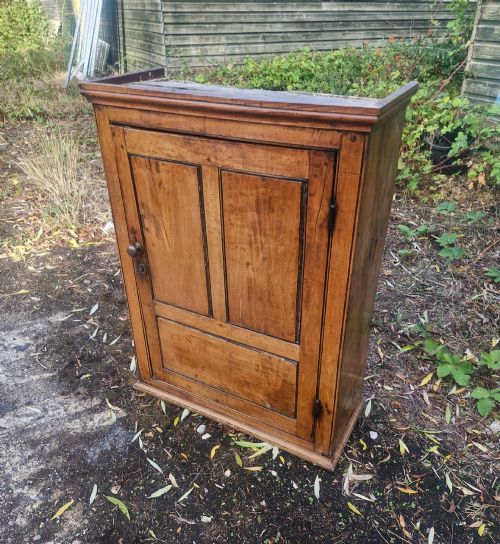
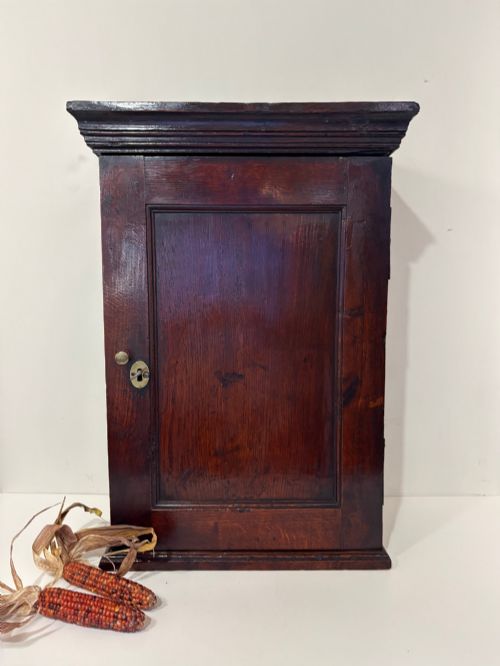
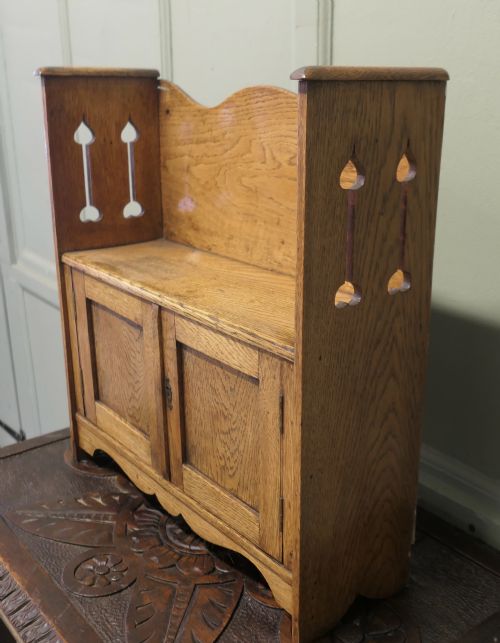
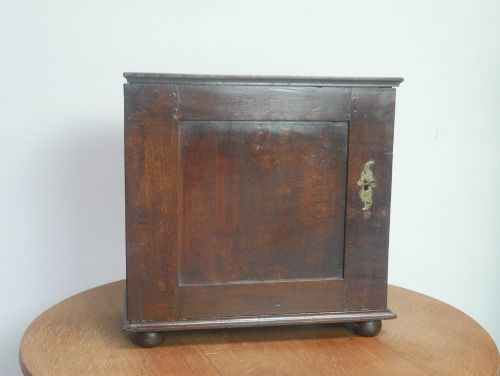
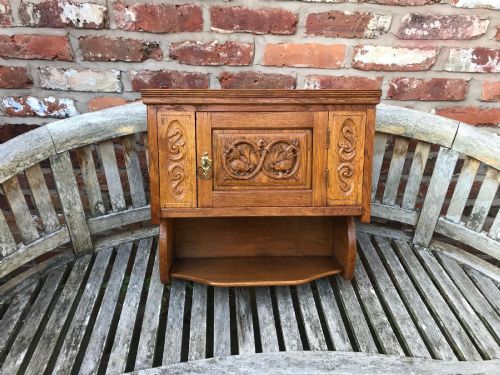
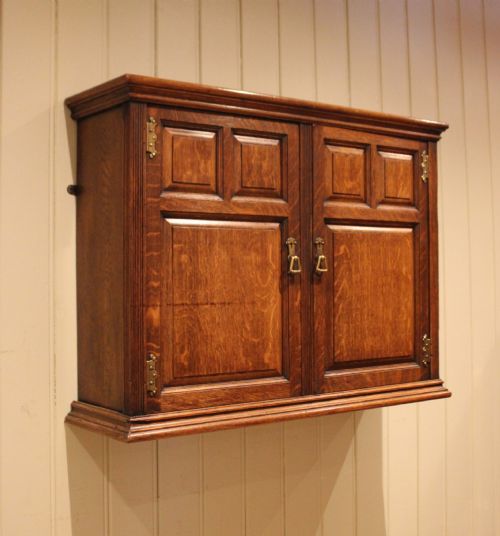
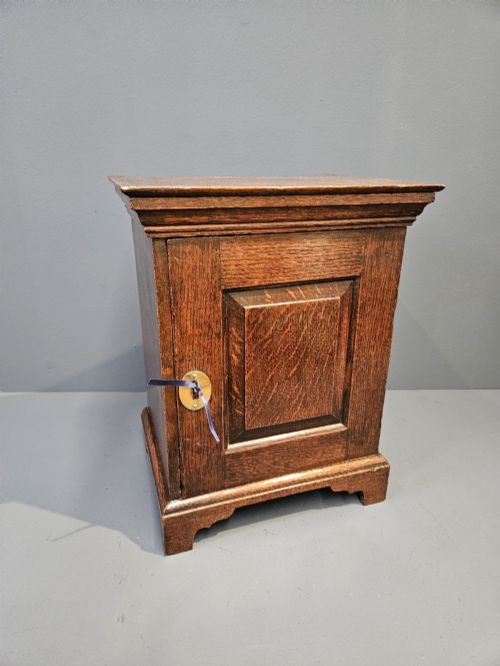
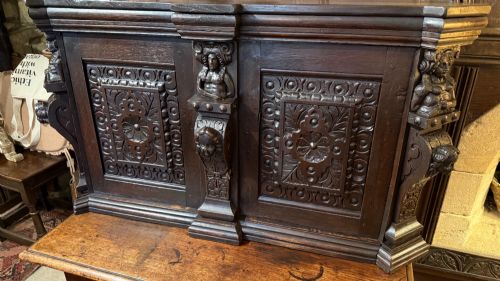
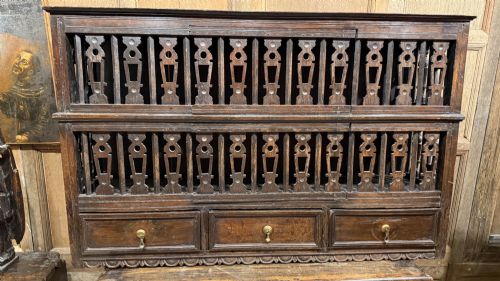
When you search for an antique oak spice cabinet, you encounter compact timber enclosures designed to secure valuable seasonings, medicinal powders and precious kitchen goods. The examples appearing here span the seventeenth, eighteenth and nineteenth centuries, including Georgian pieces alongside provincial French, Welsh and Flemish variants.
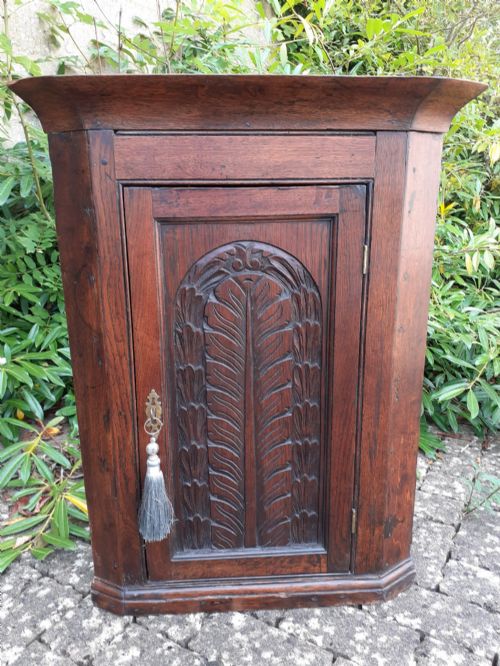
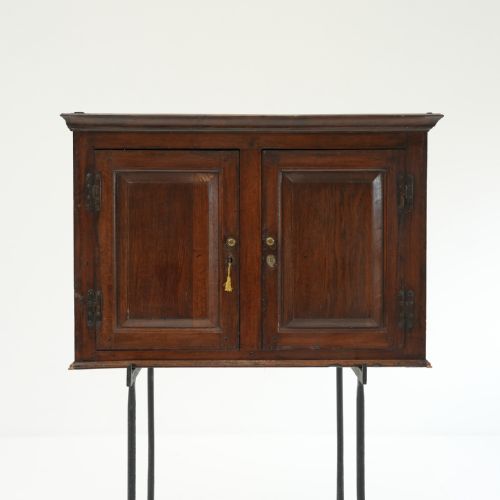
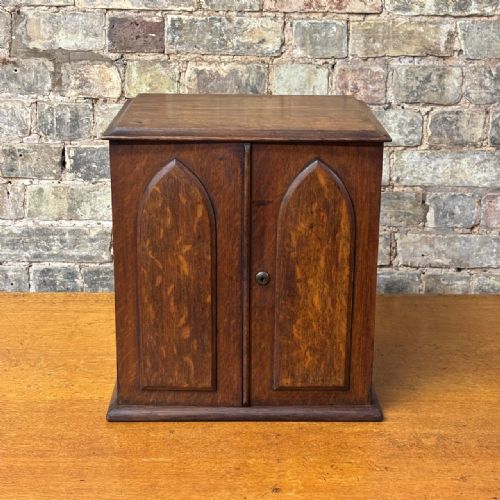
Most items take the form of wall-hanging cupboards or small table cabinets featuring single panel doors that conceal internal nests of small drawers. You also discover corner cupboards, miniature tallboys and wall boxes that serve the same domestic storage purpose in period interiors.
Materials and construction methods
Makers built these pieces primarily from solid oak, sometimes combining secondary woods like pine for internal linings and carcase backs. Selected items incorporate fruitwood inlay, wood inlay, or carved surface enrichment to articulate the exterior panels.
Hardware forms an integral part of the fabrication, utilising brass hinges, escutcheons and latches alongside iron or wrought iron straps. Joinery relies on traditional pegged mortise and tenon frames, panelled doors and hand-dovetailed drawer boxes.
Antique Oak Spice Cabinet Retail Price Guide 2026
Typical asking prices for oak spice cabinet among the pieces listed under this phrase on Sellingantiques today, from the lower quarter to the upper quarter. They describe what is for sale here now, not the wider market.
Cellar-found French manoir cupboards bring the scent of old wine and damp earth right into your modern hallway.
Distinguishing quality across examples
The standard of an antique oak spice cabinet rests upon the crispness of any carved decoration, the depth of colour in the timber and the integrity of the original hinges and locks. Pieces featuring sophisticated internal arrangements of multiple small drawers command greater attention than simple single-compartment boxes.
Proportion and execution drive value, separating vernacular workshop output from finer Georgian or continental cabinet work. Retaining original surfaces, backboards and interior drawer furniture distinguishes superior survivals from heavily restored pieces.
The Antique Oak Spice Cabinet Glossary
- Spice cabinet
- A small storage case designed for holding culinary spices and medicinal ingredients, typically fitted with internal banks of drawers.
- Wall cupboard
- An enclosed storage unit intended to be hung directly onto a wall rather than resting on the floor or a table.
- Table cabinet
- A portable miniature cabinet designed to sit securely upon a desk, counter or table surface.
- Corner cupboard
- A specialised storage piece constructed with a triangular cross-section to fit neatly into the corner of a room.
- Vernacular
- Objects made by regional craftspeople following local traditions rather than metropolitan academic designs.
Antique Oak Spice Cabinet: Frequently Asked Questions
What were spice cabinets used for originally?
These small cupboards stored expensive imported spices, culinary herbs and dried ingredients in domestic kitchens or parlours.
They also held precious medicinal powders, apothecary items and small documents requiring secure containment away from dampness.
How do I hang a wall cabinet safely?
Most antique wall cupboards utilise original hanging brackets, strap hinges or sturdy internal fixing holes bored through the backboards.
Due to the weight of solid oak and internal contents, secure wall anchors fixed directly into masonry or wooden studs are essential.
How do I tell Georgian from Victorian oak pieces?
Georgian examples from the eighteenth century generally display lighter timber patination, hand-cut dovetails and understated mouldings or fielded panels.
Victorian pieces from the nineteenth century often feature heavier carved enrichment, darker finishes and machine-sawn components.
Where should I place a table cabinet at home?
Table cabinets suit placement on sturdy sideboards, chest tops or large desks where their compact proportions remain visible.
Keep them away from direct sunlight, radiators and fireplaces to prevent the solid oak panels from drying and splitting.