
Antique Oak Small Storage
These antique oak small storage pieces offer compact utility in rich timber, spanning centuries of domestic joinery from coffers to bedside cabinets.
Antique Oak Small Storage
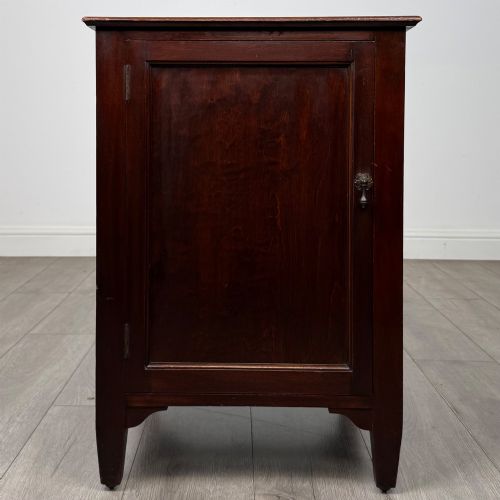
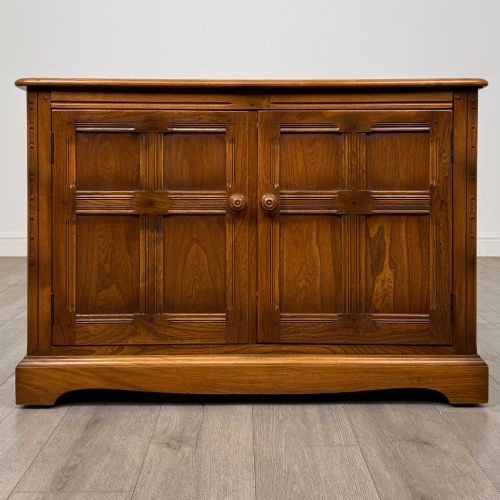
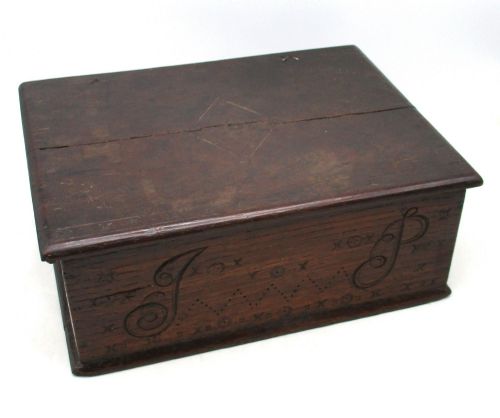
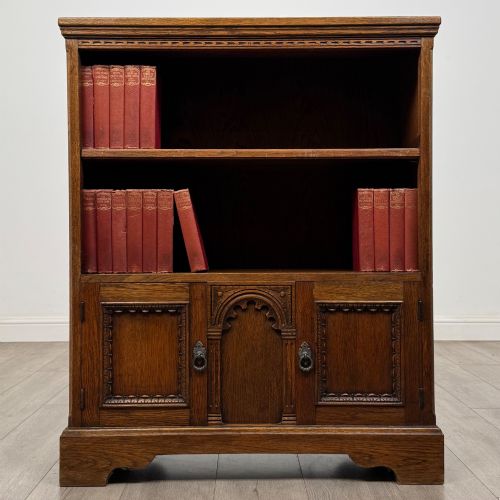
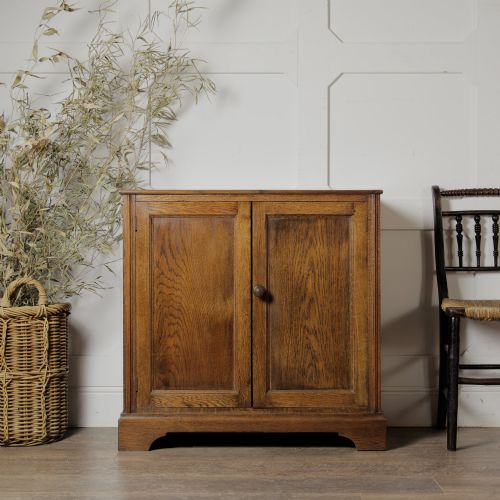
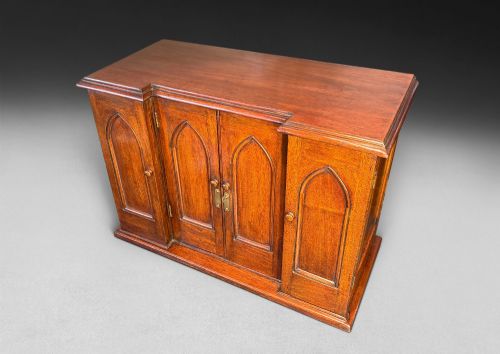
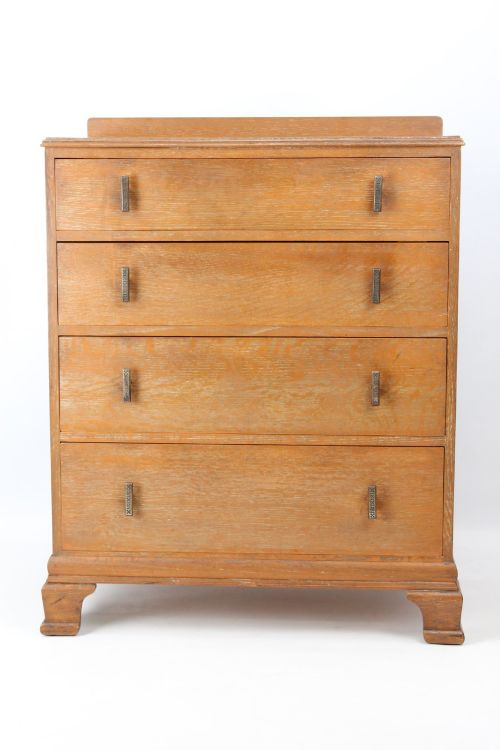
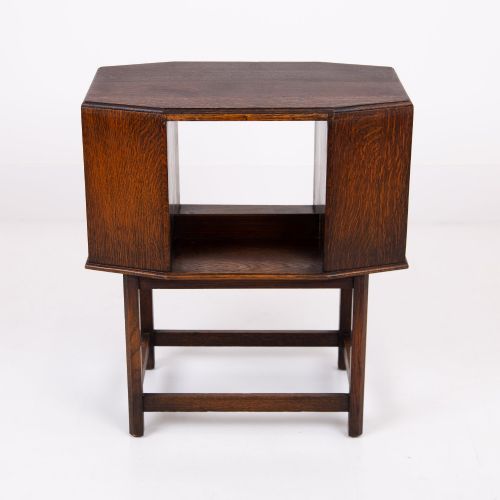
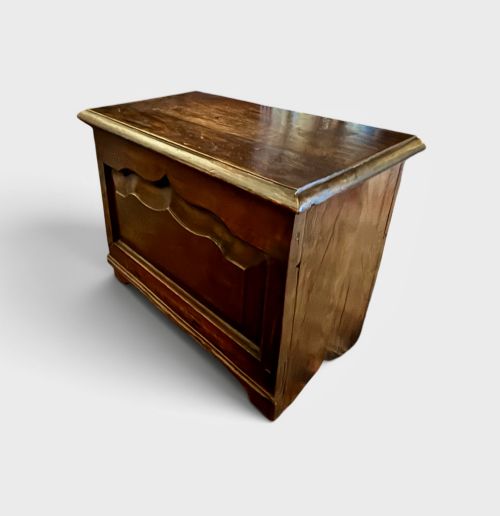
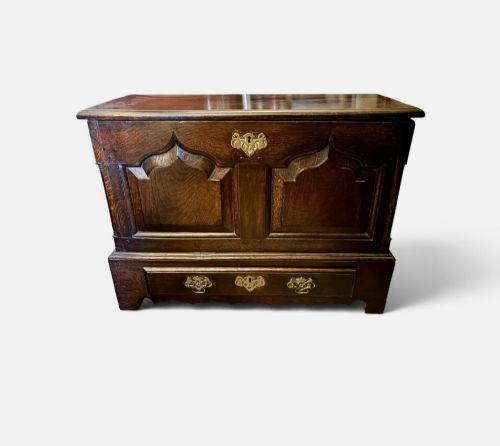
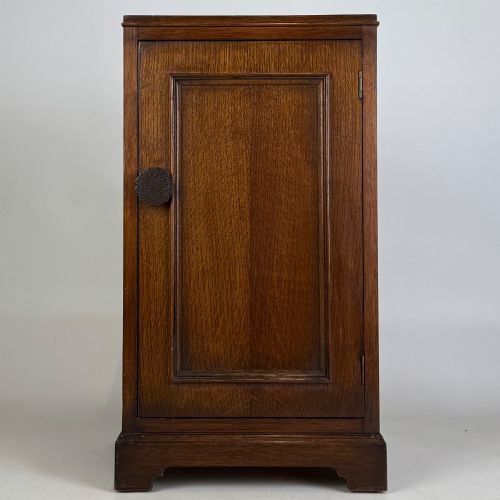
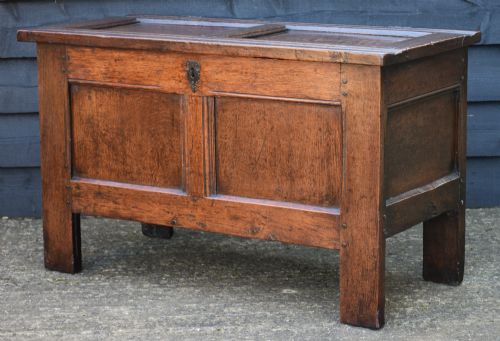
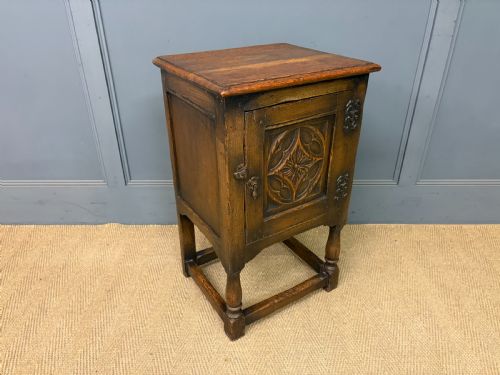
When you search for antique oak small storage, you are looking at domestic furniture designed to hold belongings in compact footprints. The selection ranges from seventeenth-century panelled coffer boxes and coffer bach pieces to Edwardian bedside cabinets, low cupboards, and open bookcases.
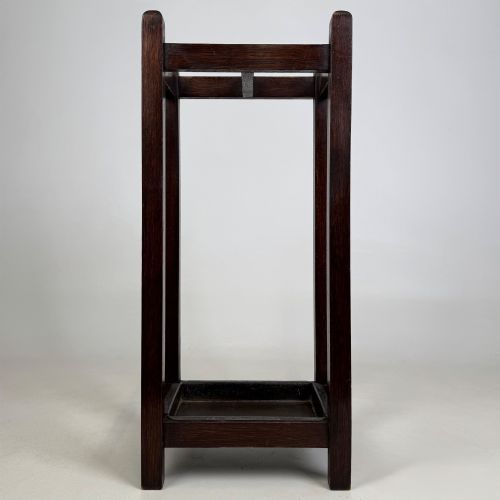
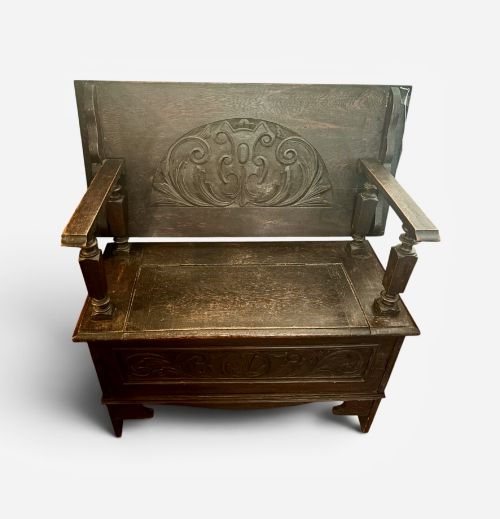
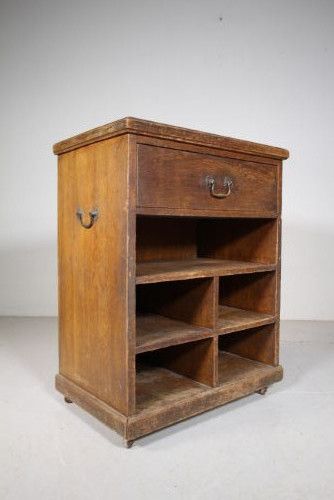
You are most likely to meet twentieth-century Edwardian and 1920s iterations on this page, alongside Georgian spice cupboards, Victorian chests of drawers, and seventeenth-century boxes. Forms include bookcases, document boxes, umbrella stands, hall seats, and filing cabinets.
The regional and period variety is wide, taking in Welsh coffer bach designs, Flemish coffers, and Heal's style art deco pieces. These items serve the same organisational purpose today as they did centuries ago, scaled for modest rooms.
Materials and construction methods
Makers utilised solid oak, dark oak, golden oak, and light oak, selecting timber for its strength and grain pattern. Boards were joined using traditional methods suited to the period, whether seventeenth-century panelled construction or twentieth-century joinery.
Hardware played a functional role in assembly and operation, incorporating brass, iron, wrought iron, metal, and steel for hinges, locks, and handles. These secondary materials provided structural reinforcement to chests, trunks, and cupboards.
Listings span from the late sixteenth century through to the 1930s, featuring oak alongside brass, iron, and steel hardware.
Distinctions in craftsmanship and design
Quality rests on the integrity of the timber and the precision of the joinery, distinguishing standard utilitarian items from finer decorative examples. Earlier pieces often display hand-carved details, panelled construction, and well-fitted interiors.
Proportion and surface finish further define the tier of a piece, with desirable examples maintaining original patination and balanced dimensions. The presence of period hardware or maker stamps elevates the standing of an item within its category.
Peter Waals
The Antique Oak Small Storage Glossary
- Coffer bach
- A small Welsh chest traditionally used for linen or valuables. The term translates from Welsh as little coffer.
- Spice cupboard
- A miniature wall-hanging or table-top cupboard fitted with internal drawers for storing valuable spices. These date predominantly from the Georgian period.
- Document box
- A small box with a hinged lid designed for storing papers and legal deeds. They frequently feature carved decoration on the exterior.
- Jacobean Revival
- A nineteenth and twentieth-century style imitating seventeenth-century English furniture. It utilises dark oak and heavy geometric mouldings.
- Panelling
- A method of construction where a frame holds thin central boards, allowing timber to expand and contract safely with humidity changes. This technique is common in seventeenth-century coffers.
Antique Oak Small Storage: Frequently Asked Questions
What is a coffer bach used for?
A coffer bach served as a small storage chest for household valuables, documents, or textiles in Welsh homes. Their compact scale allowed them to sit on tables or desks.
Today, they function well as decorative storage boxes in living spaces or bedrooms, holding smaller items while displaying traditional joinery.
How do I date an oak coffer?
Dating relies on construction techniques, hinge types, and decorative motifs. Seventeenth-century examples often feature hand-carved panels and pegged mortise and tenon joints.
Later Victorian and Edwardian pieces show machine-sawn timber and different fastening methods, though revival styles intentionally imitate earlier centuries.
Where should I place a small oak cabinet?
These compact pieces fit easily into hallways, beside beds, or against smaller wall spaces in modern rooms. Their modest depth makes them practical for urban interiors.
Keep them away from direct heat sources and radiators to prevent the solid oak timber from drying out and splitting.