


Antique Oak Low Table
An antique oak low table brings centuries of practical joinery and sturdy character directly to your sitting room.
Antique Oak Low Table
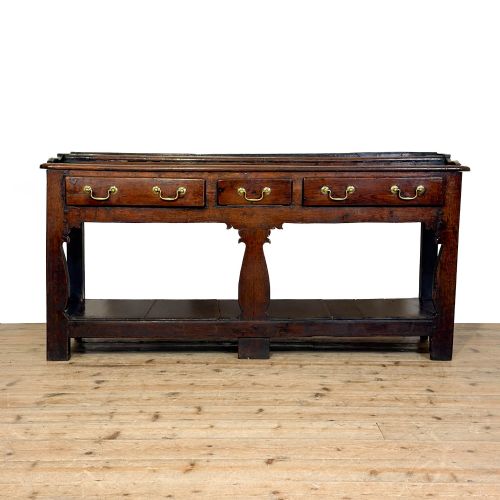
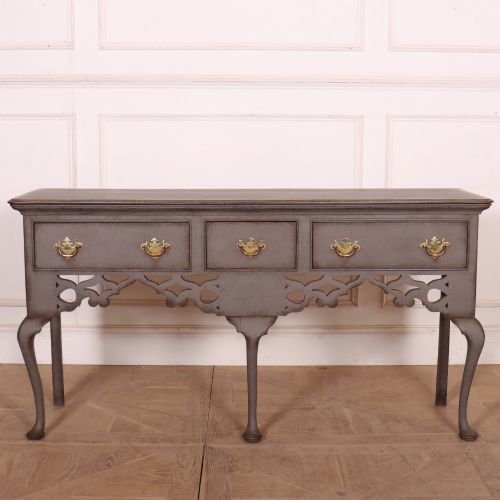
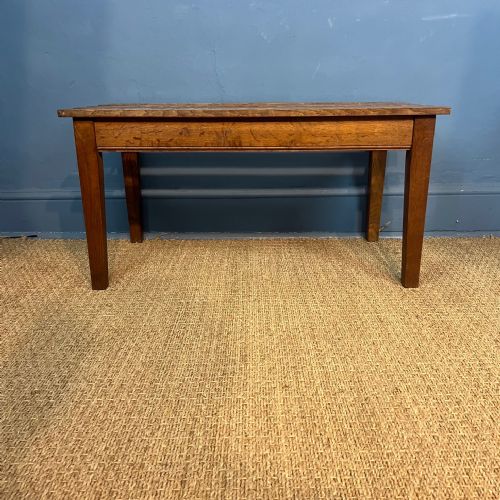
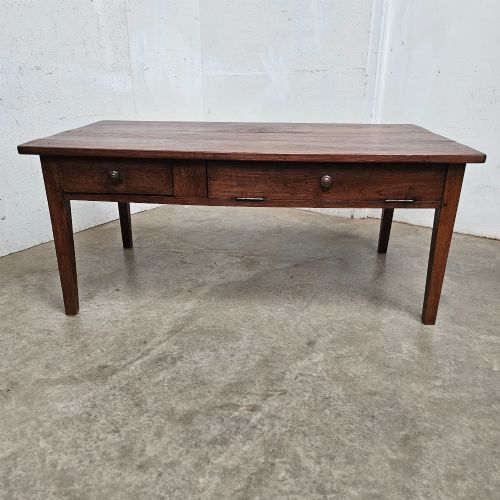
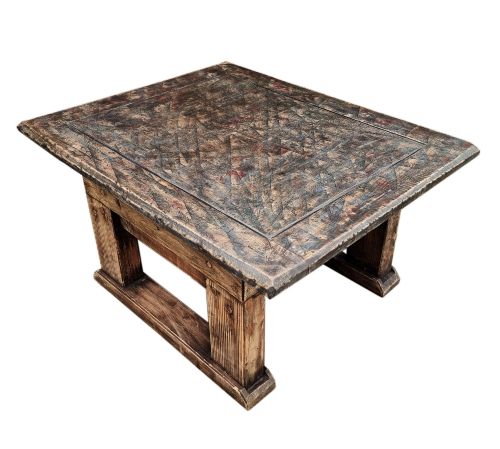
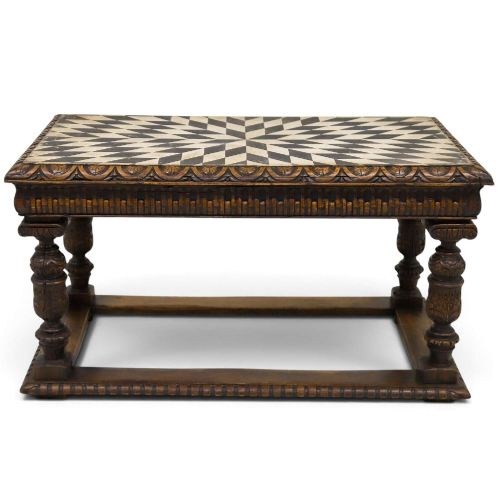
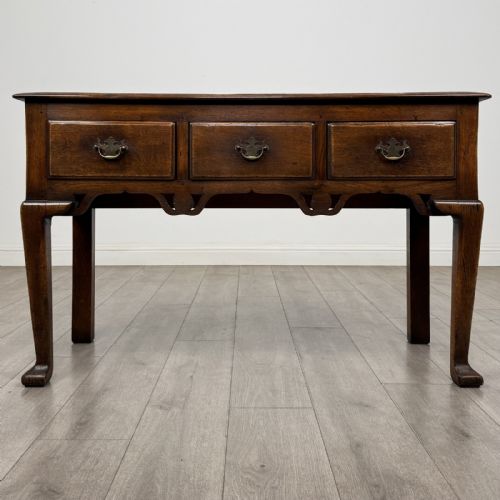
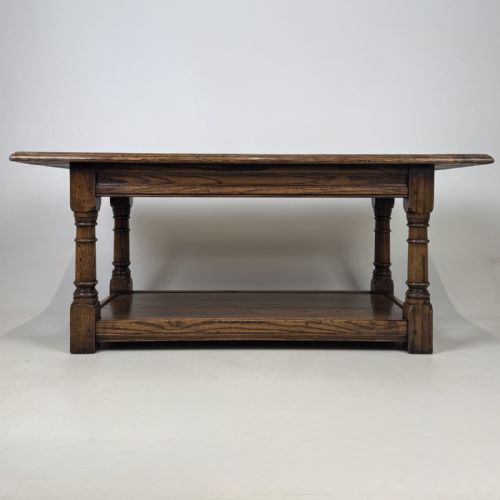
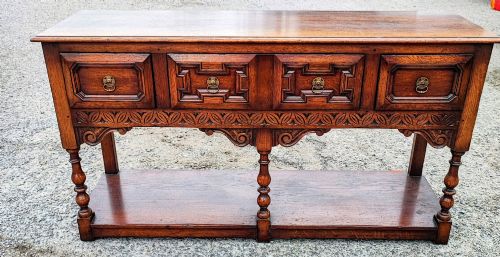
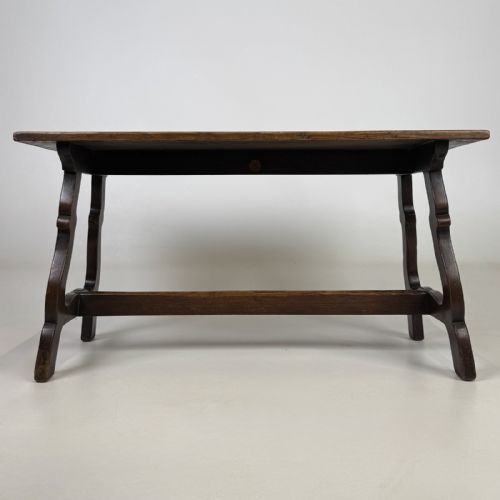
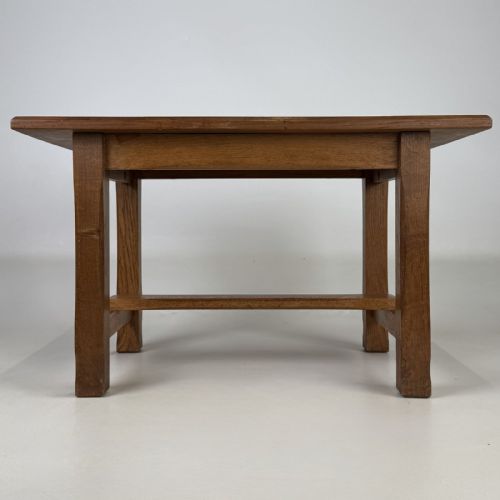
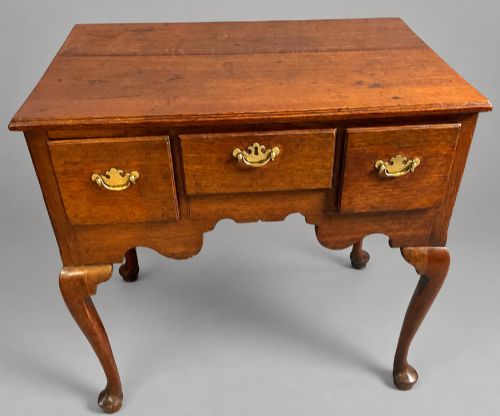
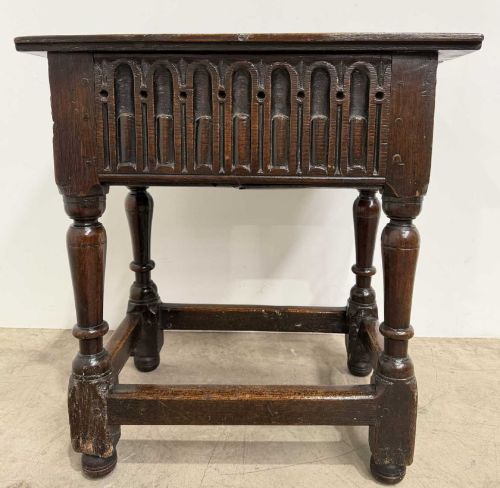
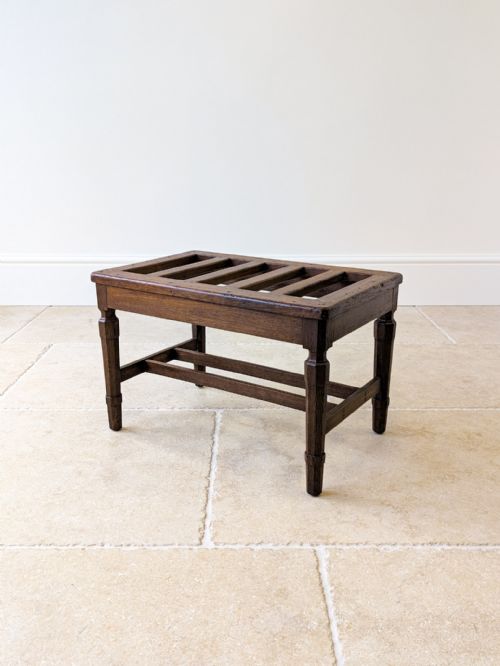
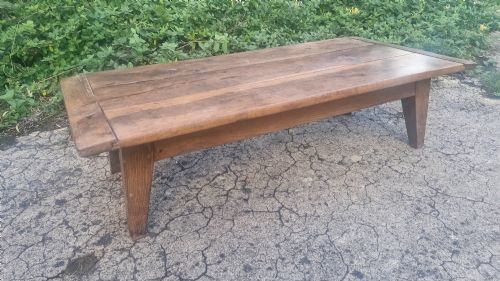
An antique oak low table encompasses versatile forms such as coffee tables, side tables, lowboys, and occasional writing pieces. The selection draws heavily from the eighteenth and nineteenth centuries, alongside regional interpretations like Welsh country furniture and revival pieces.
The aesthetic ranges from rustic farmhouse styles to Jacobean revival work and cross-banded Georgian sophistication. Each piece reflects the functional needs of past domestic spaces, adapted today for low-level placement in modern interiors.
How they were made
Construction relies primarily on native oak, frequently paired with secondary timbers like chestnut and ash, and held together with iron hardware. Timber was selected for durability and finished by hand, reflecting the methods of provincial workshops and country makers.
Joinery methods include traditional techniques suited to heavy domestic timber, creating rigid frames designed to withstand generations of use. Surfaces often display the natural grain and texture inherent to slow-grown oak.
Antique Oak Low Table Retail Price Guide 2026
Typical asking prices for oak low table among the pieces listed under this phrase on Sellingantiques today, from the lower quarter to the upper quarter. They describe what is for sale here now, not the wider market.
One historical specimen offered a fifteen-foot boardroom table, proving that antique oak can scale from low tea tables straight to parliamentary lengths.
What varies in quality
Quality manifests in the integrity of the timber selection and the refinement of the regional joinery. Tables featuring cross-banding or integrated drawers demonstrate higher craftsmanship than simpler, strictly utilitarian pieces.
The balance between original structural elements and later replacements dictates the standing of an individual table. Finer examples retain their original surface patination and honest proportions without excessive intervention.
Waring & Gillows·Gillows
The Antique Oak Low Table Glossary
- Lowboy
- A small table with one or more drawers, standing on relatively short legs and traditionally used as a dressing or side table.
- Cross-banded
- A decorative border technique where veneer strips are applied across the grain of the primary wood.
- Jacobean Revival
- A nineteenth-century style drawing heavily on seventeenth-century motifs, heavy turning, and dark oak finishes.
- Provincial
- Denoting furniture made in the regions rather than major urban centres, often displaying robust local characteristics.
Antique Oak Low Table: Frequently Asked Questions
What is an antique lowboy table?
A lowboy is a small, low table equipped with drawers, originally utilised for storage and personal grooming in domestic chambers. Over time, these pieces transitioned into versatile side tables suited for various rooms.
Today, they function effectively as compact coffee tables or lamp tables, combining historical utility with low-profile living requirements.
How do I style a low oak table?
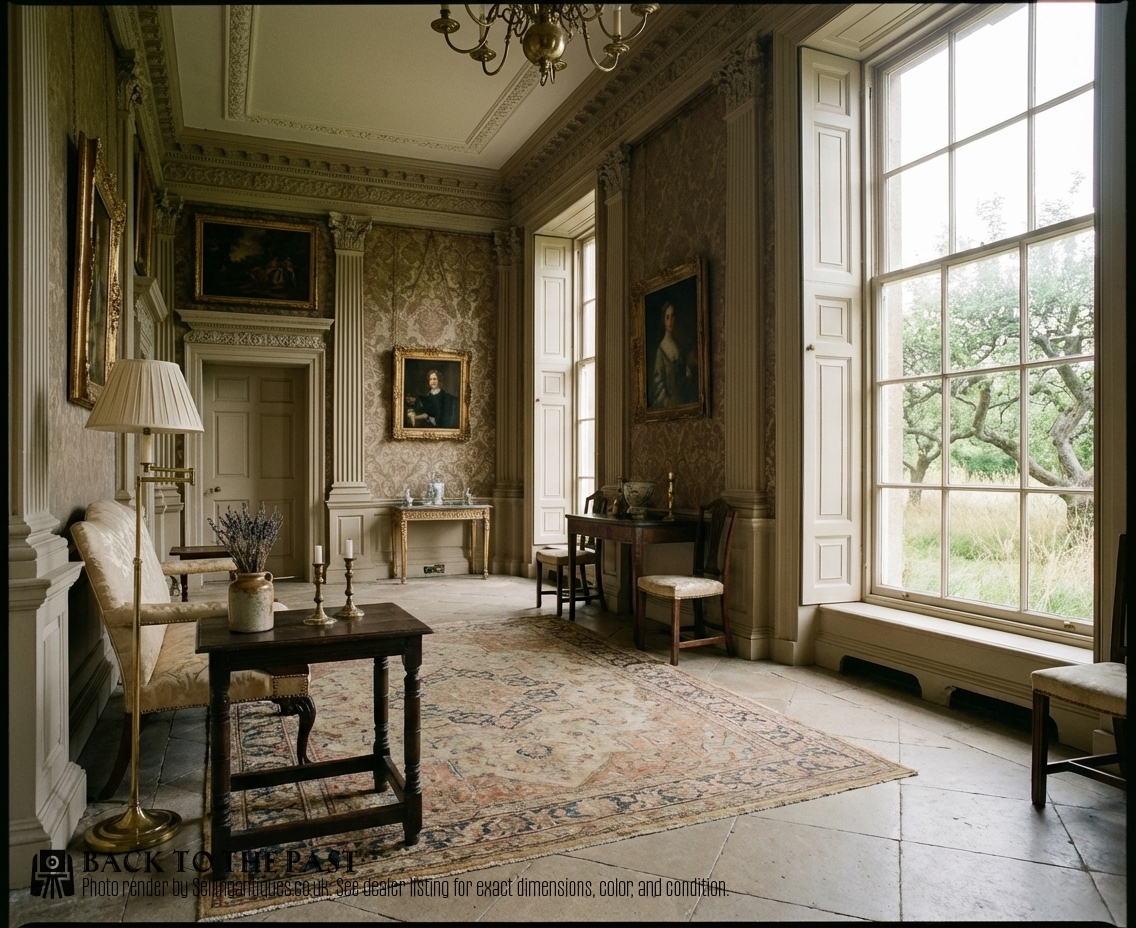
Pair these low surfaces with upholstered seating to create a balanced proportion in a living area or study. Their neutral timber tones complement both traditional interiors and modern minimalist spaces.
Keep surface decoration minimal to allow the grain and construction details of the aged oak to remain the focal point.
How do I date an antique oak table?
Dating relies on examining the timber species, joinery techniques, hardware, and overall proportions relative to known stylistic periods. Eighteenth-century examples often exhibit hand-cut joints and distinct regional variations.
Later nineteenth-century revival pieces frequently incorporate machine-sawn elements and historical stylistic revivals distinct from authentic Georgian output.
Were these tables always low?
Many pieces began as taller side or writing tables before being reduced in height to serve modern coffee table dimensions. Other forms, such as traditional lowboys, were constructed low from their origin.
Evaluating the leg proportions and lower stretchers helps determine whether a piece retains its original height configuration.