


Antique Oak Furniture Chest
These pieces of antique oak furniture chest encompass robust chests of drawers, coffers and storage vessels built to endure generations of daily domestic use.
Antique Oak Furniture Chest
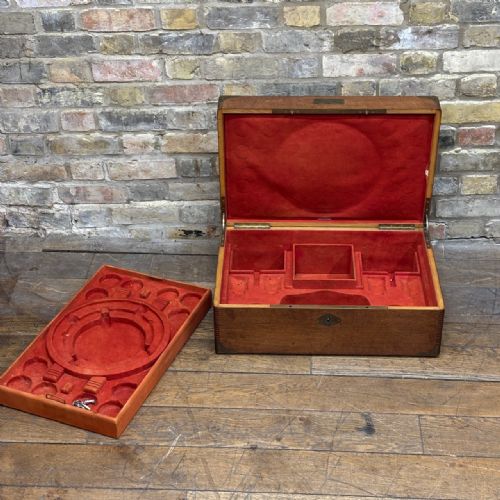
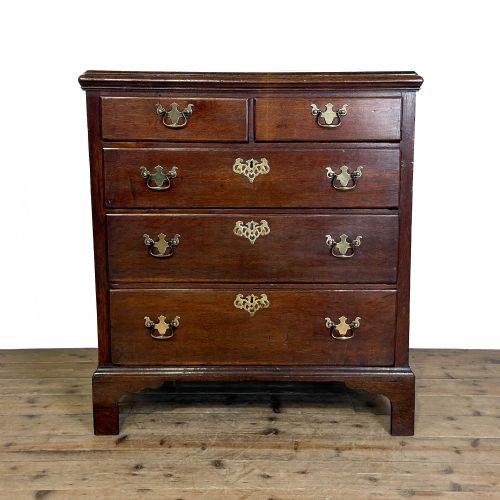
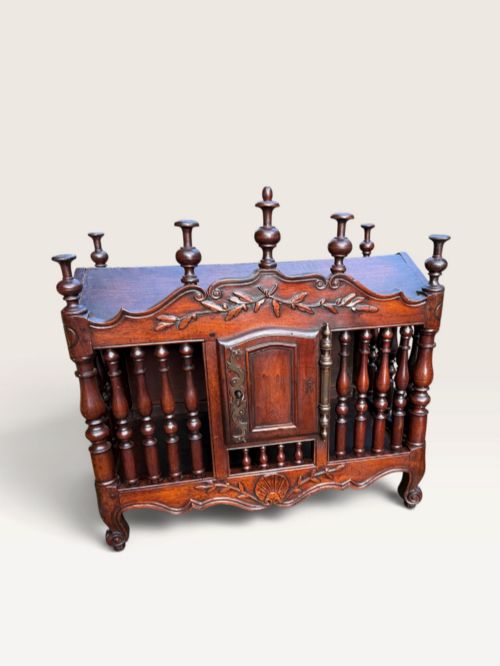
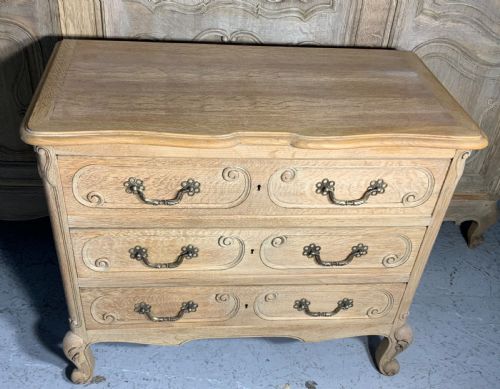
When you search for antique oak furniture chest, you encounter practical storage forms including chests of drawers, coffers, strong boxes and dressing chests originating from the seventeenth century through to the twentieth century.
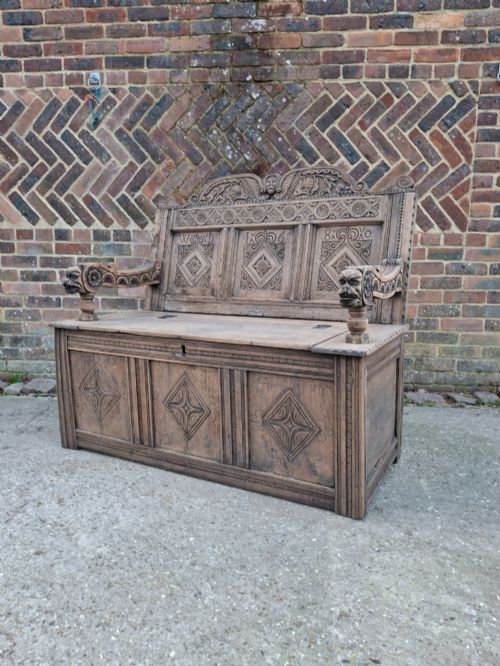
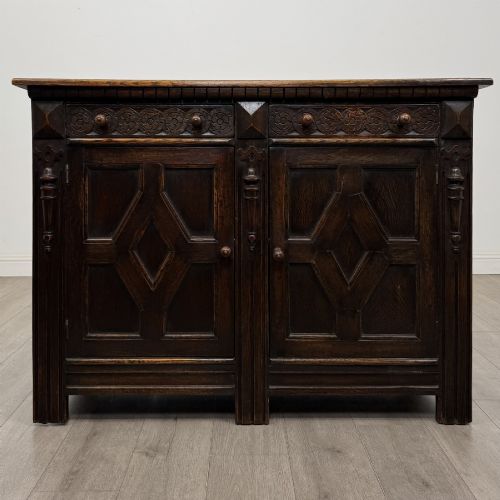
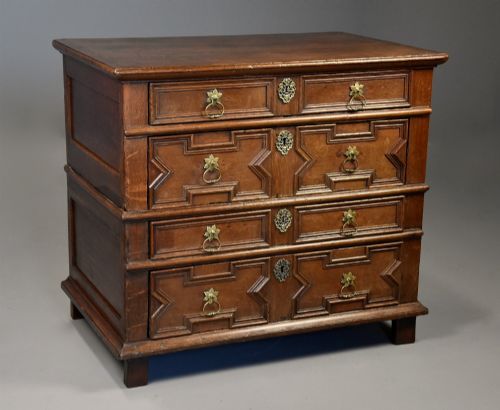
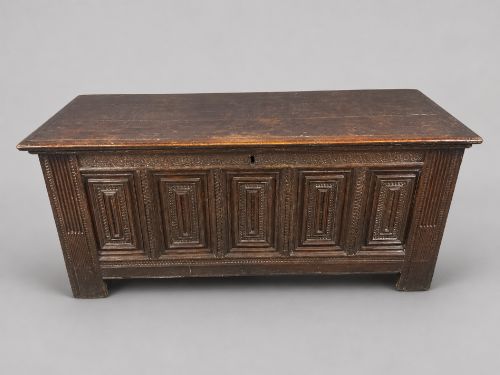
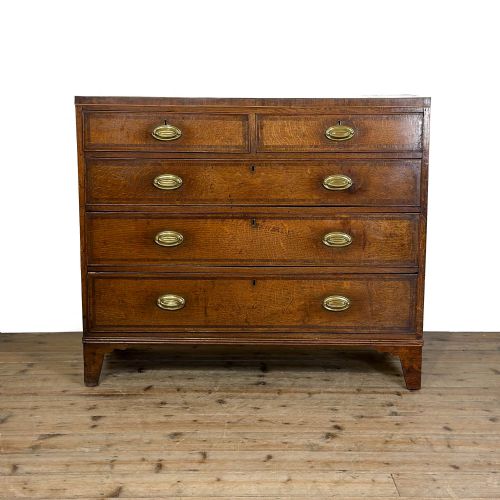
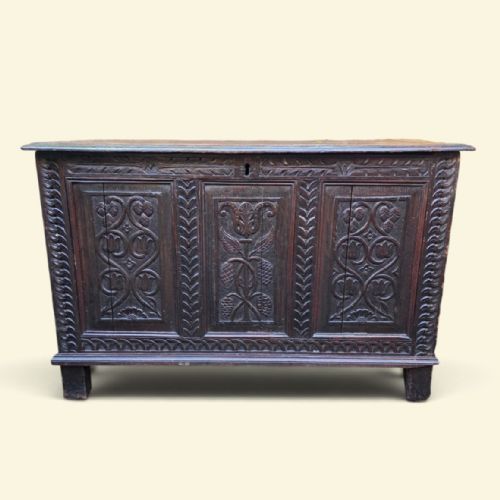
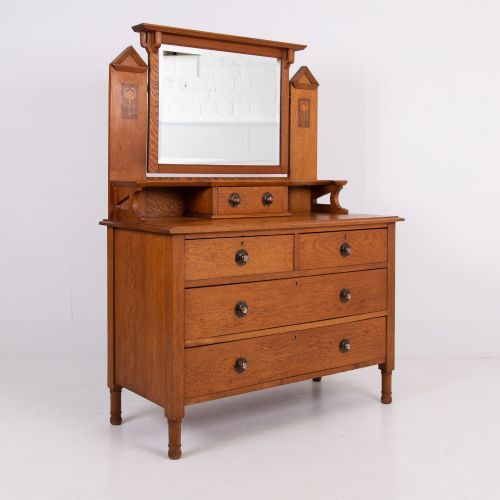
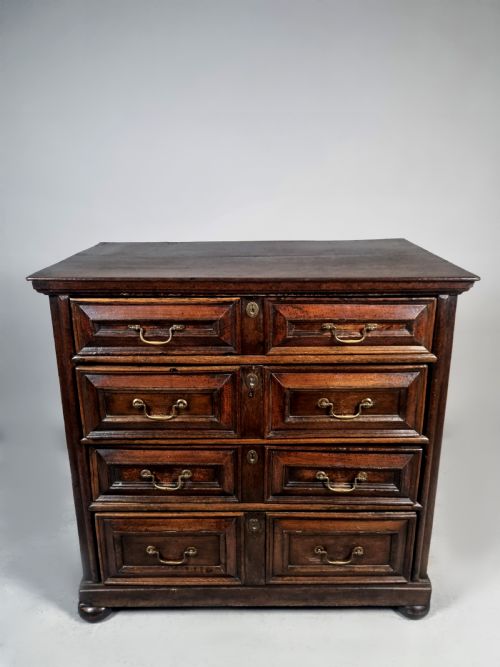
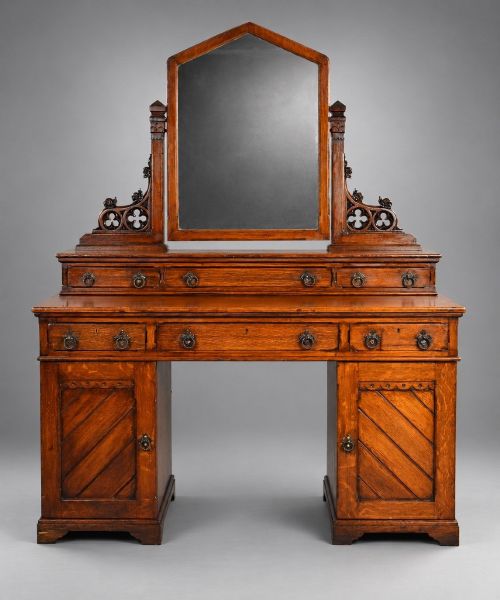
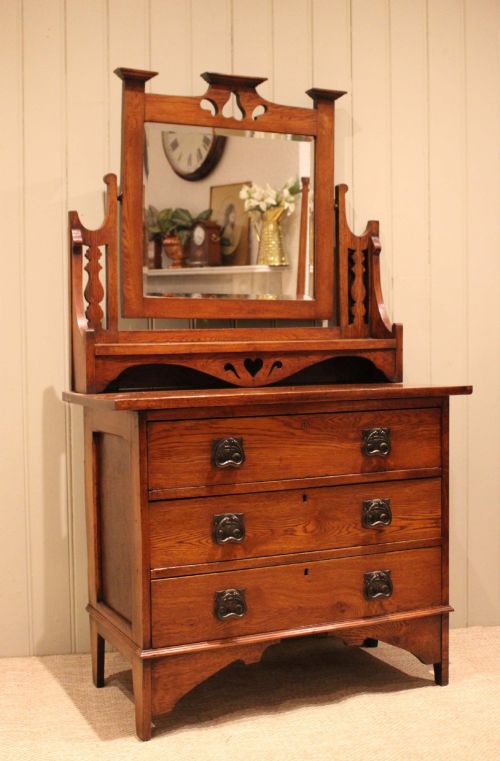
The pieces on this page range from early seventeenth century Charles II joined coffers and geometric chests to eighteenth century Georgian chests of drawers, nineteenth century Gothic Revival designs and early twentieth century Arts and Crafts examples.
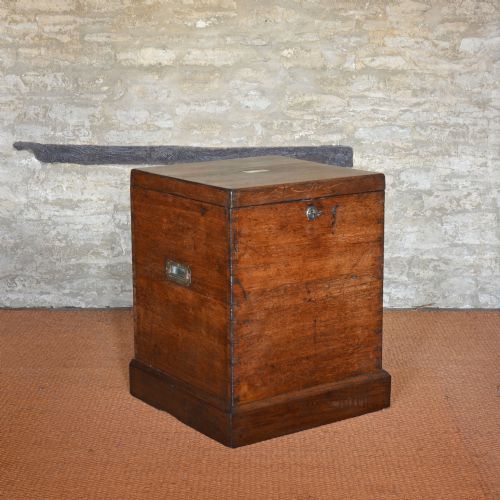
You will regularly find regional variants such as Suffolk or Norfolk chests alongside tall upright filing cabinets, hall benches and specialised wine coolers utilising pollard oak or elm.
How They Were Made
Cabinet makers constructed these pieces primarily using solid oak, frequently augmented with secondary native timbers such as elm, walnut and ash.
Joinery techniques relied heavily on panel construction, hand cutting, and pegged joints for structural integrity in pieces like six plank coffers and geometric moulded drawers.
Metalwork played a functional role through wrought iron hinges, copper fittings and cast brass drop handles or acorn pulls.
Antique Oak Furniture Chest Retail Price Guide 2026
Typical asking prices for oak furniture chest among the pieces listed under this phrase on Sellingantiques today, from the lower quarter to the upper quarter. They describe what is for sale here now, not the wider market.
Listings include oak alongside elm, walnut, and ash, spanning periods from the seventeenth century through to the Edwardian era.
What Varies in Quality
Quality rests upon the crispness of hand carving, the depth of geometric mouldings, and the preservation of original timber surfaces showing honest patination.
Construction methods distinguish everyday vernacular storage from finer joined examples, seen in the precision of drawer linings and the retention of original brass hardware.
Proportion and scale dictate desirability, with small provincial chests and diminutive seventeenth century examples commanding greater interest than standard utilitarian storage pieces.
Heals
The Antique Oak Furniture Chest Glossary
- Coffer
- A large wooden chest used historically for storing valuables, linen, or documents. These sturdy boxes often feature hinged lids and front panels decorated with carvings.
- Patina
- The surface sheen and mellow colour developed over decades through handling, waxing, and ageing. It represents the natural evolution of the timber.
- Geometric moulding
- Raised wooden mouldings applied to drawer fronts or panels in geometric patterns. This decorative technique is particularly associated with the seventeenth century.
- Six plank coffer
- A primitive form of chest constructed simply from six boards joined at the edges. These pieces rely on board thickness rather than complex internal framing.
- Wellington chest
- A tall, narrow chest of drawers secured by a vertical locking flap hinged on one side. They were designed to hold multiple small items securely.
Antique Oak Furniture Chest: Frequently Asked Questions
What periods do these chests come from?
The pieces span multiple centuries, starting from seventeenth century examples through Georgian and Victorian eras up to early twentieth century Arts and Crafts designs.
Craftsmanship and decorative styles evolved across these periods, moving from geometric mouldings and joined construction toward streamlined Edwardian and twentieth century forms.
How were these chests used originally?
Households utilised these storage vessels to safeguard textiles, valuables, clothing, and domestic documents in an era before fitted wardrobes existed.
Different forms served specific domestic needs, ranging from sturdy coffers for travel or linens to specialised chests of drawers and dressing chests for bedrooms.
How do I identify early oak furniture?
Early pieces from the seventeenth century typically display joined framework, pegged joints, hand sawn panels, and distinctive geometric mouldings rather than simple flush boards.
Inspect the construction methods, timber grain, and hardware such as iron lock plates or brass drop handles to understand the era of manufacture.
Can I use an antique chest in a modern room?
These robust storage pieces fit naturally into contemporary living spaces, serving as bedside tables, hallway benches, or functional bedroom chest of drawers.
Their neutral timber tones and varied proportions allow them to mix easily with modern interiors while providing practical hidden storage.