
Antique Oak Dining Furniture
These pieces of antique oak dining furniture bring sturdy timber and centuries of craft to the modern room.
Antique Oak Dining Furniture
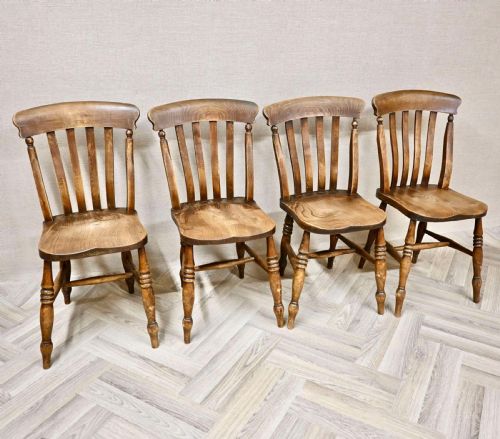
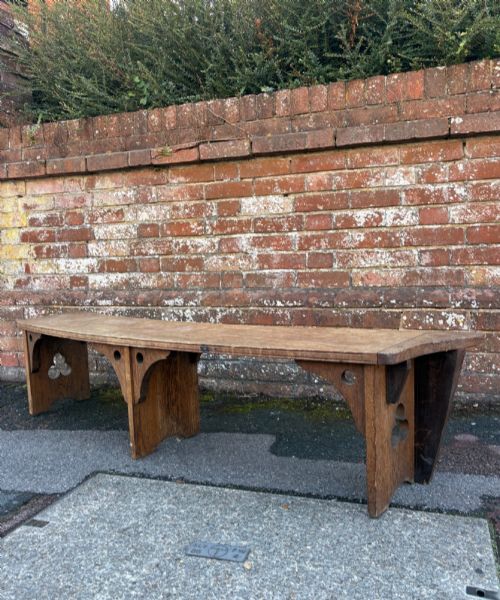
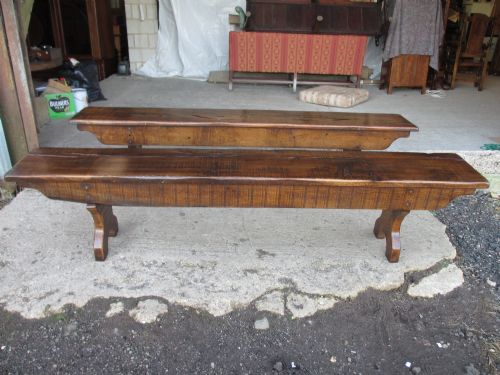
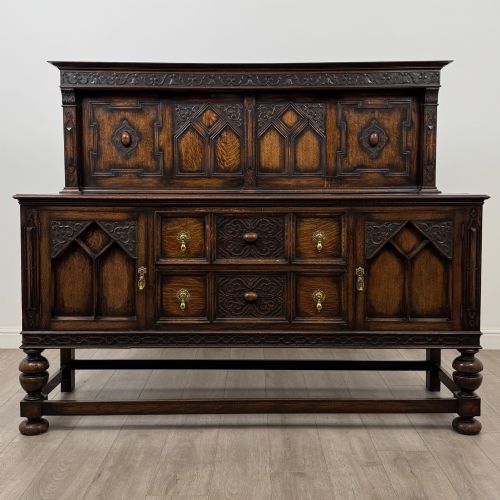
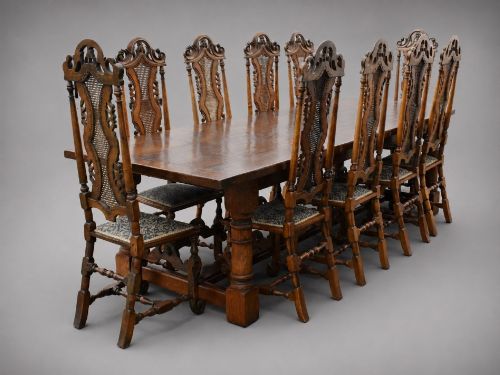
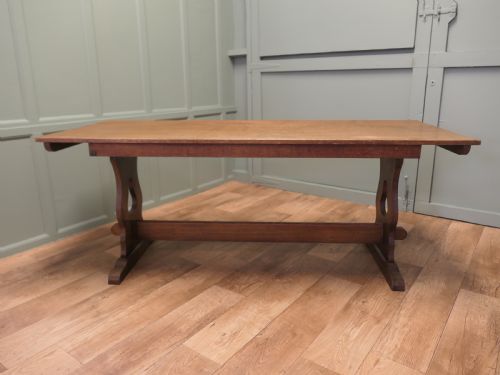
The selection ranges from seventeenth century gateleg and refectory tables with elm or oak planks to nineteenth century Victorian sideboards and Arts and Crafts dining chairs. Sets of chairs often accompany large tables, while benches and dressers provide additional seating and storage options.
How they were made
Makers utilised solid oak alongside supporting timbers like elm, applying traditional joinery methods such as mortise and tenon. Metal fittings in iron and brass appear on hinges, handles, and structural braces.
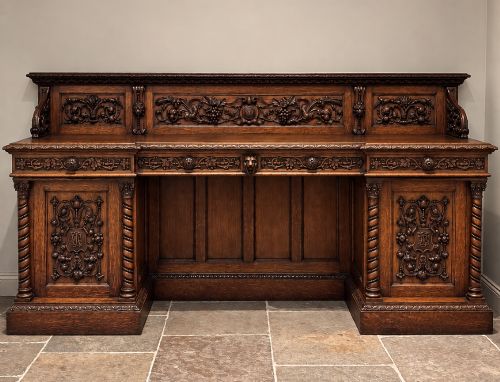
Surface treatments range from simple waxed patinas to carved Gothic motifs and applied mouldings. Upholstered pieces incorporate materials like velvet and woven fabric over internal padding.
Listings feature oak alongside elm, brass, iron, and pollard oak across periods from the seventeenth century to the twentieth.
What varies in quality
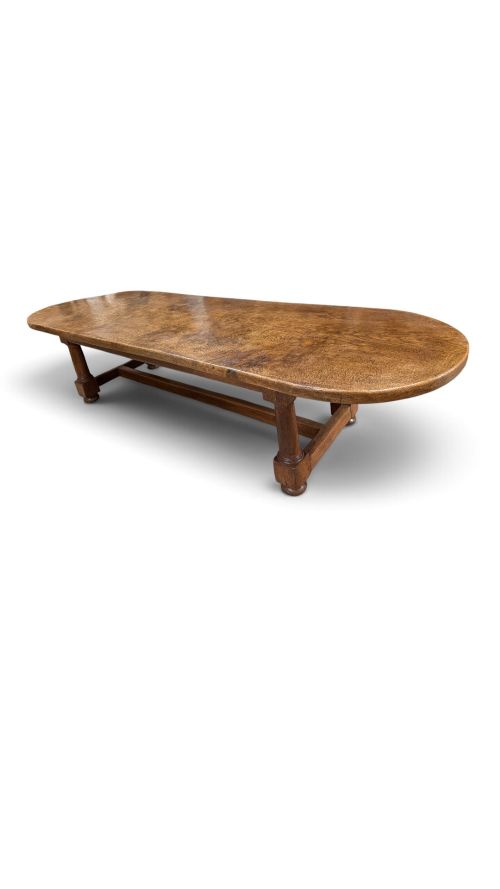
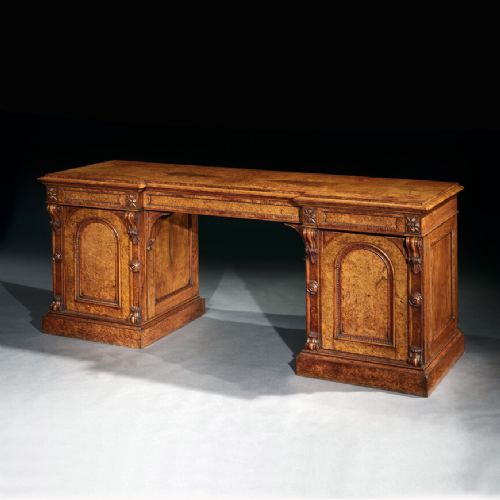
The standard of carving and the selection of timber dictate the distinction between everyday vernacular items and high-end commissions. Figured grains such as pollard oak and pieces bearing maker stamps indicate workshops of greater note.
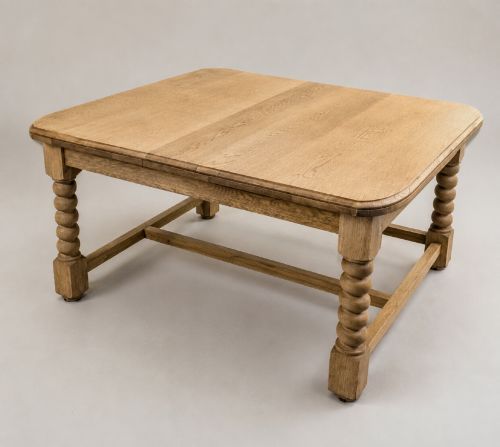
Structural integrity depends on the retention of original timber planks and authentic turnings, such as bobbin legs, rather than extensive later replacements.
Strahan of Dublin·Edward Barnsley·Heals of London·William Morris
The Antique Oak Dining Furniture Glossary
- Gateleg table
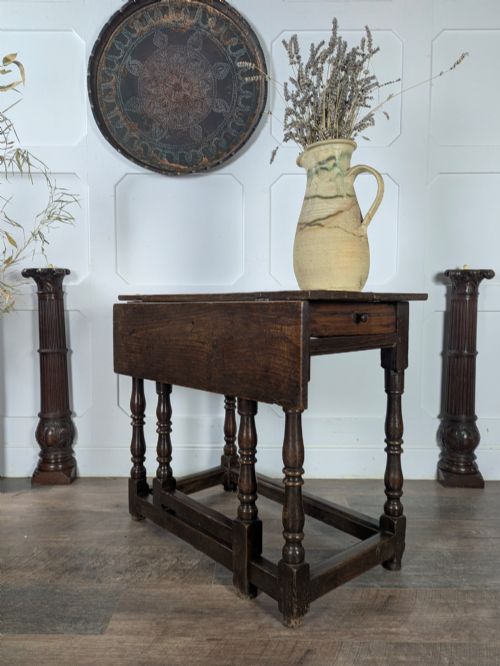
- A table with hinged drop leaves supported by swing-out legs that pivot from the frame. This form allowed tables to fold compactly against a wall when not in use.
- Refectory table
- A long, narrow dining table traditionally used in communal halls and supported by substantial legs connected by floor stretchers. Early examples often utilise single plank oak or elm tops.
- Draw-leaf table
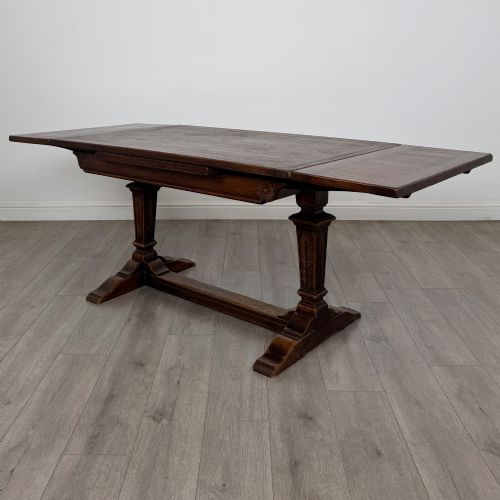
- A table equipped with sliding extension leaves hidden beneath the main top that pull out to increase surface length. This mechanism offers flexible seating capacity.
- Dumbwaiter
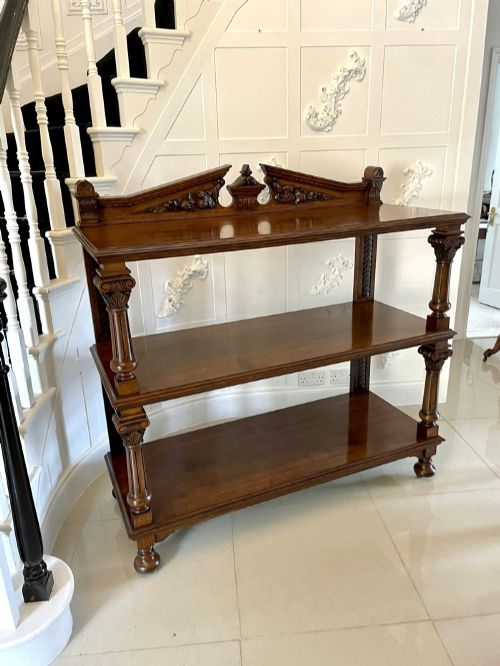
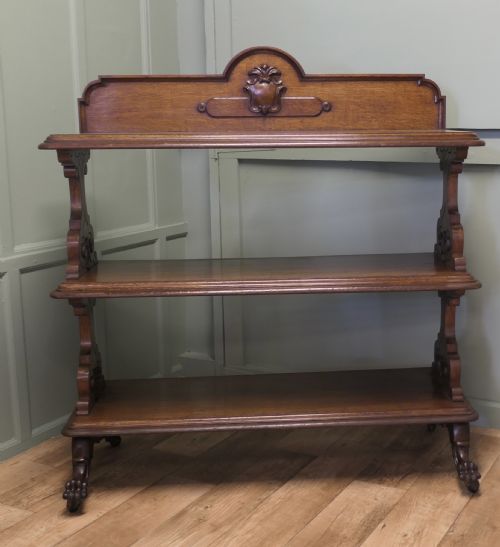
- A tiered serving piece or small stand placed near the dining table to hold dishes and utensils without requiring servant attendance. These items frequently feature carved decoration.
- Bobbin turned
- A style of woodturning characterised by a series of rounded, bead-like shapes resembling spools of thread. This decorative turning appears extensively on seventeenth-century legs and stretchers.
Antique Oak Dining Furniture: Frequently Asked Questions
How do I date an oak table?
Examine the construction marks, timber selection, and leg turnings to determine the period of origin. Seventeenth-century pieces often display hand-sawn board marks and pegged mortise and tenon joints.
Later Victorian and Edwardian reproductions frequently adopt earlier styles like Jacobean revival but utilise machine-cut components and standardised hardware.
Are gateleg tables practical for daily dining?
Gateleg tables provide flexible proportions that suit both compact spaces and larger gatherings. The folding leaves allow the footprint to expand or contract according to requirements.
Care should be taken to support the swinging legs properly when extending the leaves to protect the pivot joints.
How do I care for antique oak surfaces?
Maintain the timber by applying a traditional beeswax polish to nourish the grain and protect the patina. Avoid placing solid oak furniture near direct heat sources or in fluctuating humidity.
Use coasters and placestats to guard against moisture rings and heat marks on the polished wood.
What defines Arts and Crafts dining furniture?
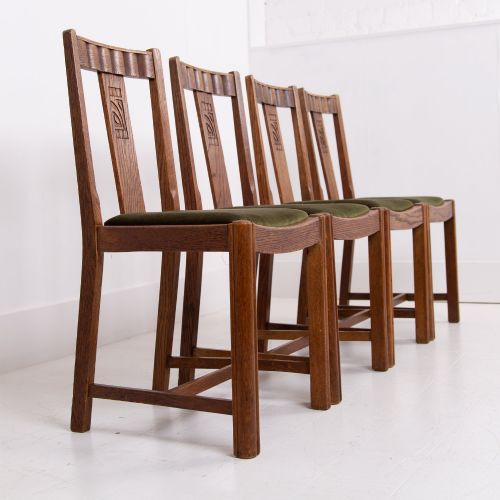
Arts and Crafts pieces emphasise visible construction, honest materials, and functional simplicity over excessive surface ornamentation. These items often feature golden oak finishes and straightforward geometric lines.
Chairs from this movement frequently incorporate high backs and slat supports reflecting a vernacular vernacular aesthetic.