

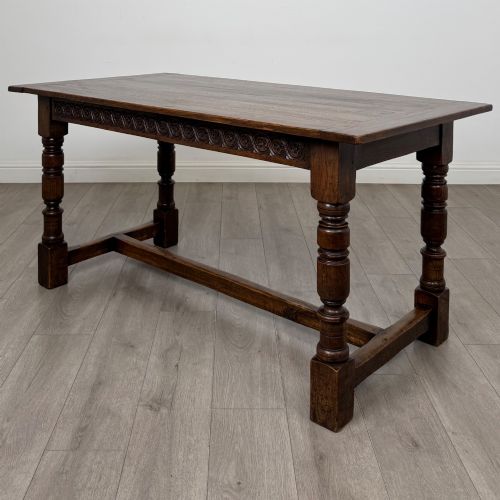
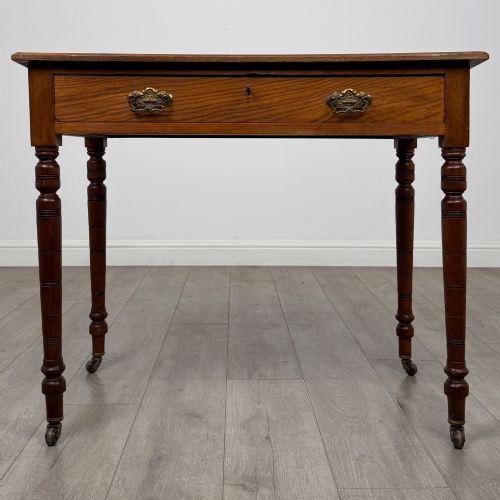
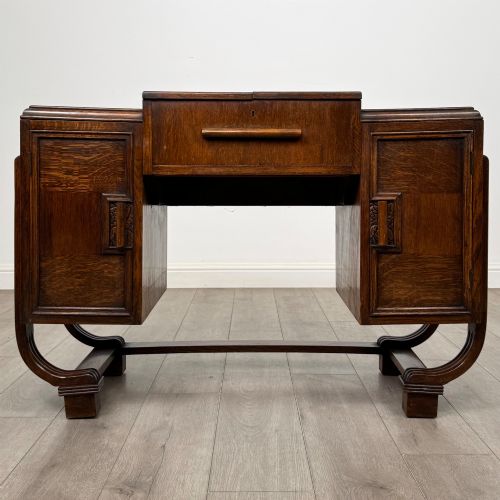
Antique Oak Desk Table
An antique oak desk table offers sturdy construction and rich grain, bringing functional workspace and historic character to a room.
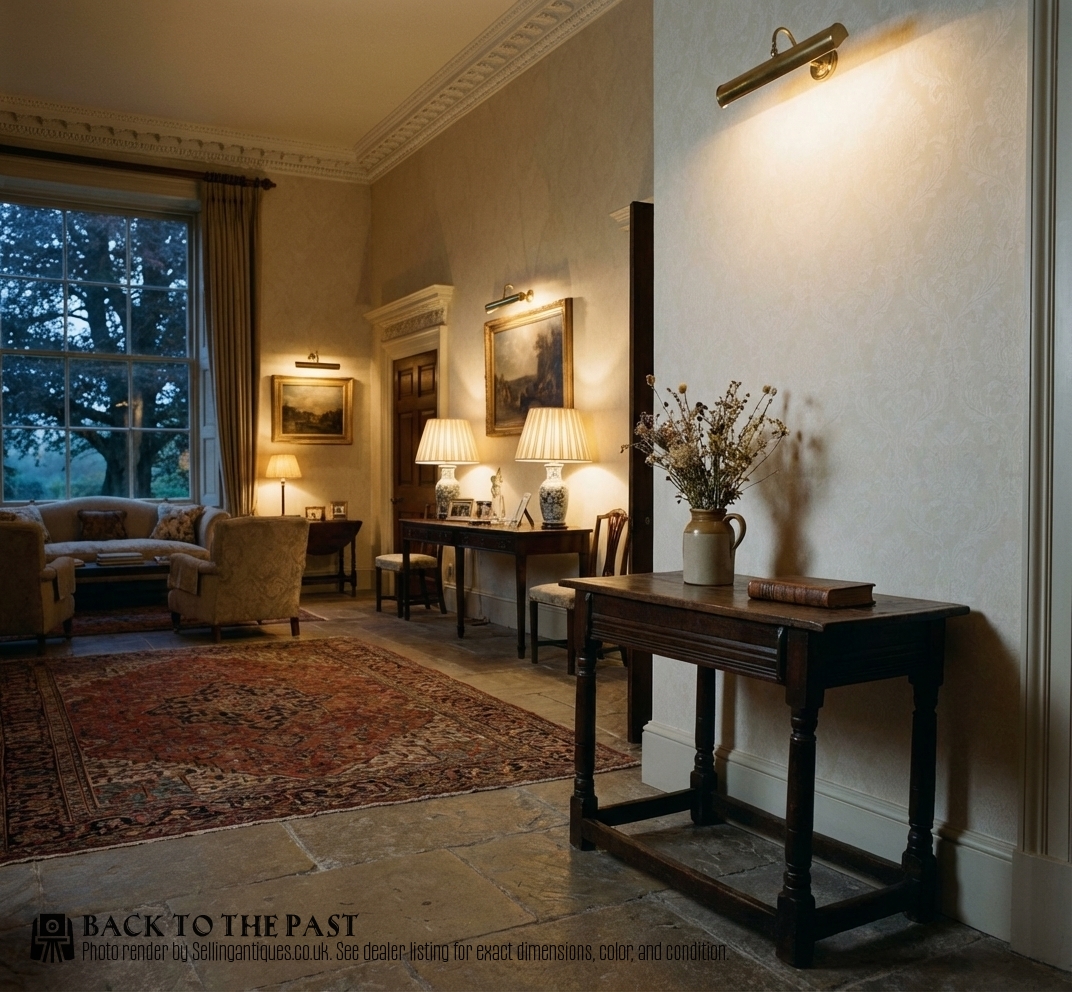
Antique Oak Desk Table
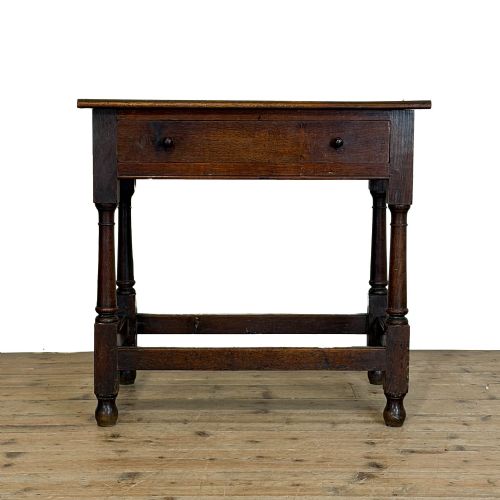
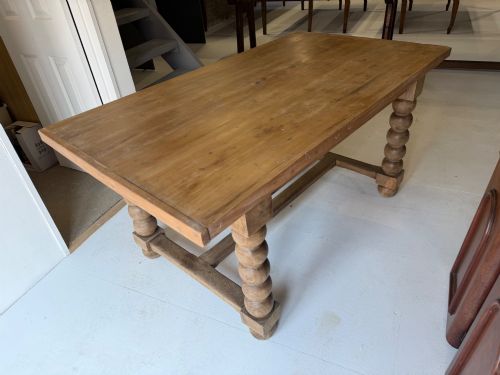
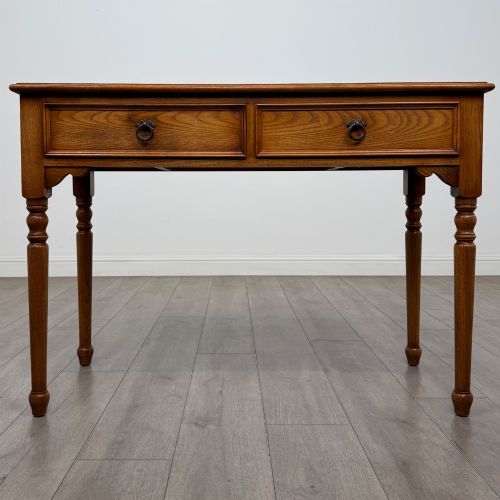
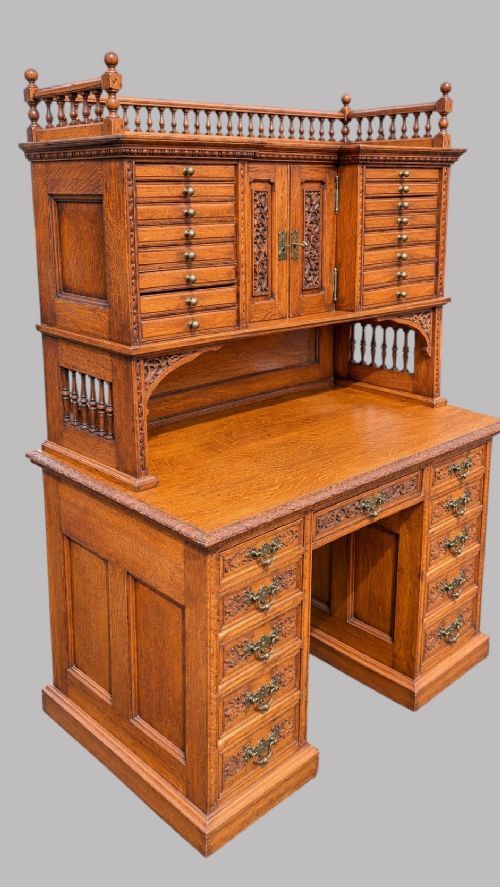
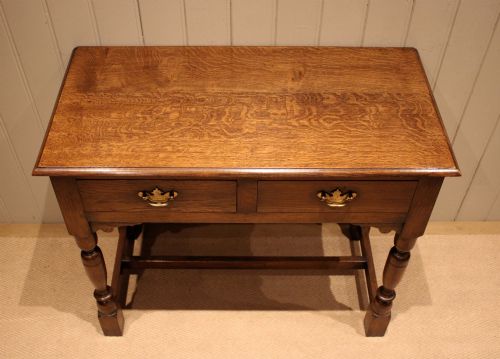
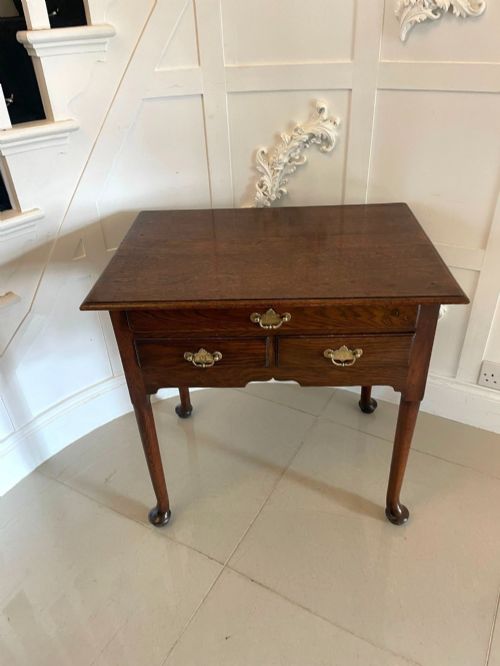
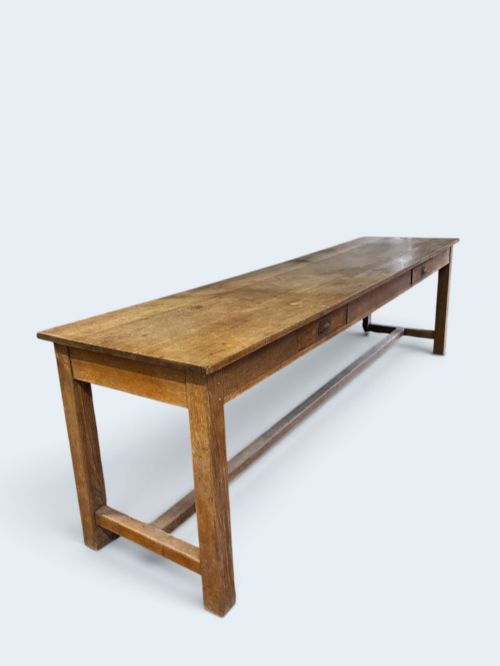
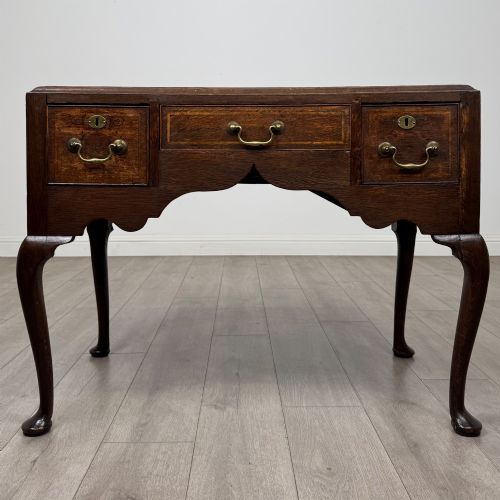
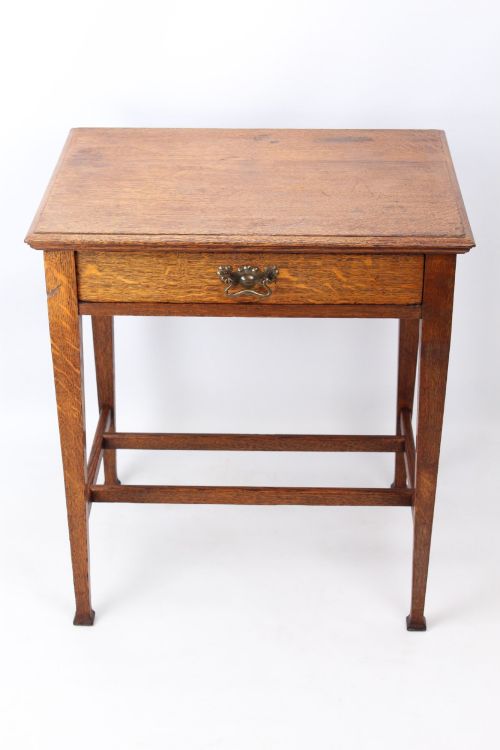
The term antique oak desk table encompasses a diverse group of practical workspace furniture, ranging from simple side tables and lowboys to large pedestal desks and partners tables.
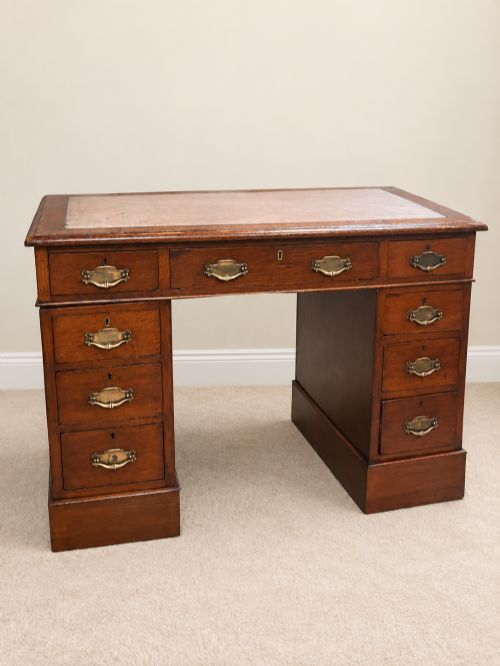
Buyers browsing this selection frequently encounter Victorian pedestal models, Edwardian writing tables, and earlier Georgian side tables equipped with fitted drawers.
Form follows function across these pieces, with many featuring leather inserts, tiered compartments, or multi-drawer configurations designed for administrative tasks or correspondence.
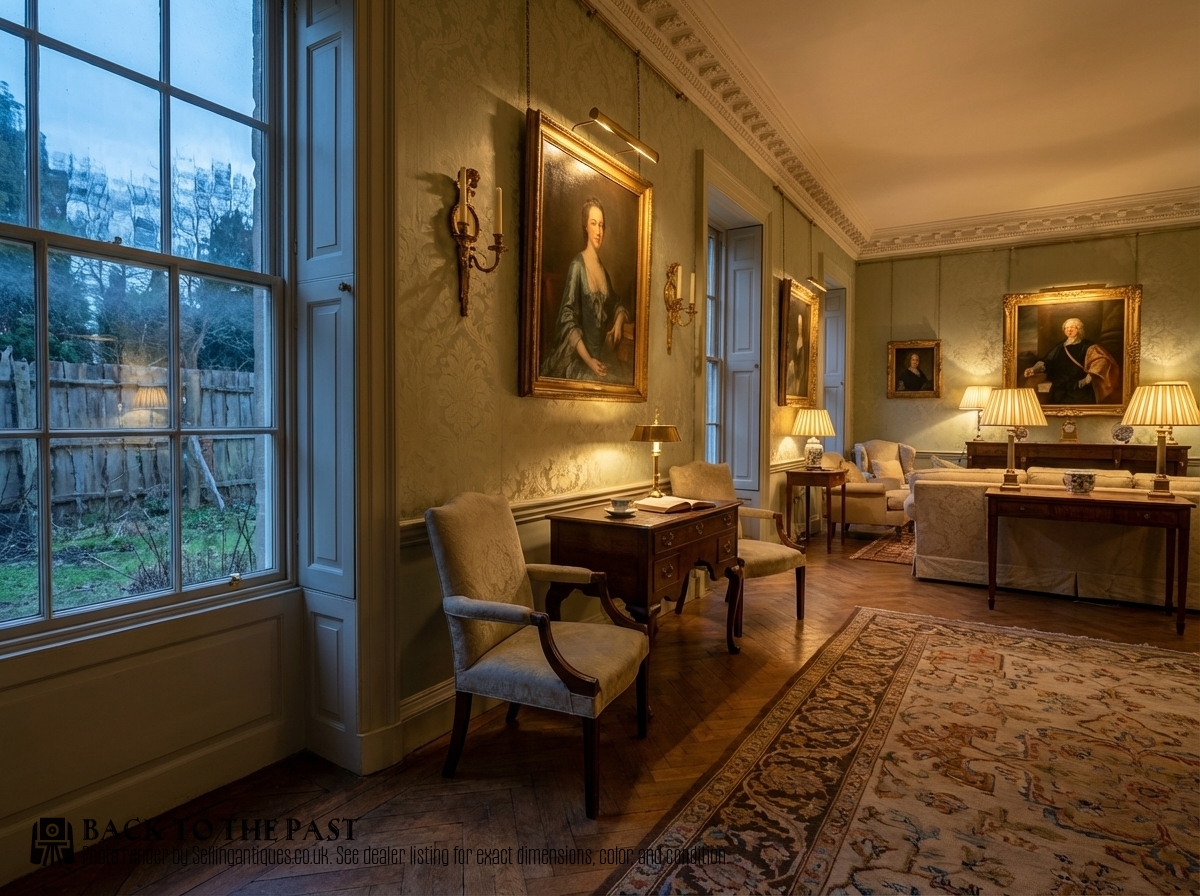
Markers of Quality
Superior examples display careful timber selection, showcasing pronounced medullary rays in quarter-sawn oak and harmonious grain matching across large surfaces.
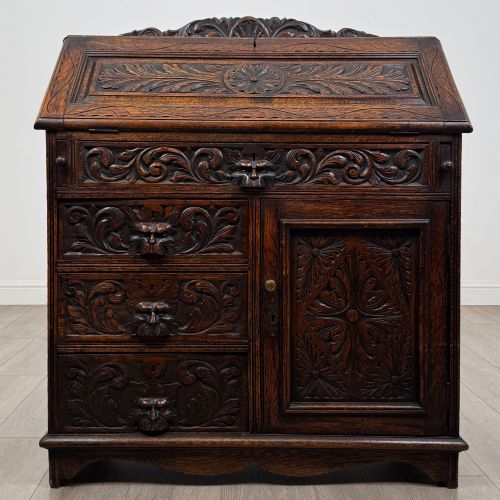
The crispness of hand-carved details, such as linenfold panels or Green Man motifs, distinguishes finer artisan workshops from standard production furniture.
Originality of components, including matching brasses, intact leather surfaces, and functional locking mechanisms with working keys, elevates the standing of a piece.
Secret compartments occasionally emerge behind false drawer fronts, designed to guard nineteenth-century postage stamps and private correspondence.
The Antique Oak Desk Table Glossary
- Lowboy
- A small table with one or more drawers, typically dating from the eighteenth century and used as a dressing or writing table.
- Pedestal desk
- A heavy freestanding desk comprising two pedestals of drawers supporting a single desktop.
- Partners desk
- A large double-sided desk designed for two people to work opposite one another.
- Linenfold
- A style of wood carving representing folded linen, common on panels from the Tudor period onwards.
- Kneehole desk
- A desk with a central recess for the user's legs, flanked by banks of drawers.
Antique Oak Desk Table: Frequently Asked Questions
How do I date an oak desk?
Dating relies on examining construction methods, such as hand-cut dovetails, tool marks on secondary timbers, and overall style evolution from seventeenth-century joined furniture to twentieth-century commercial production.
Hardware styles, timber preparation techniques, and the presence of maker stamps or signatures also provide reliable chronological markers.
Are these desks suitable for daily use?
Most antique oak tables and desks were built for heavy administrative duties using solid hardwoods, making them exceptionally durable for modern computer work or writing.
Routine maintenance involves treating leather surfaces with appropriate balms and protecting the timber from excessive direct heat or moisture.
What is the difference between a side table and a writing table?
Side tables typically feature a shallower profile with a single, central drawer intended for occasional storage rather than prolonged clerical work.
Writing tables and desks provide greater knee clearance, larger surface areas, and often multiple drawers specifically arranged for stationery and documents.
How should I care for an antique leather top?
Original leather inserts require gentle cleaning with a damp cloth followed by a specialised leather preservative to prevent cracking and maintain suppleness.
Modern writing materials should be used with underlying blotters to protect aged leather from ink stains and deep indentation.