


Antique Oak Corner Furniture
Antique oak corner furniture brings practical storage and architectural presence to awkward rooms, uniting sturdy native timber with centuries of craftsmanship.
Antique Oak Corner Furniture
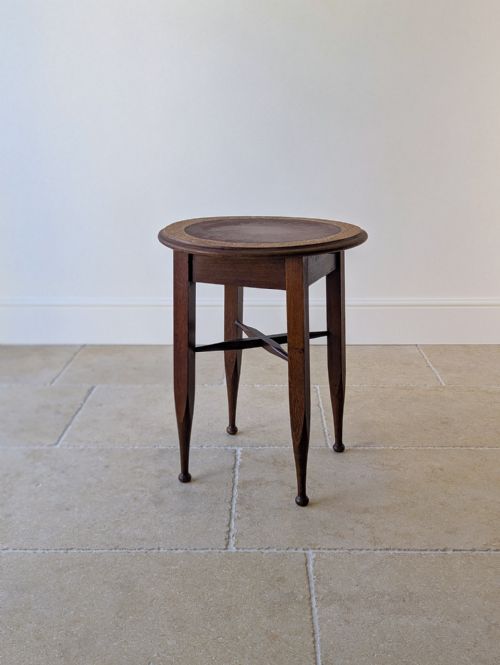
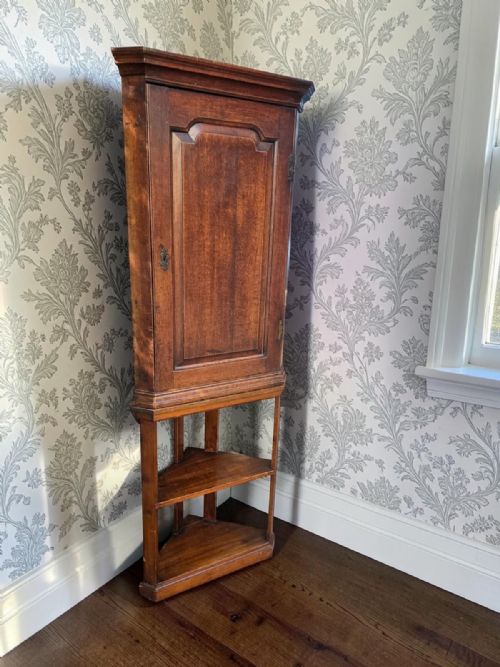
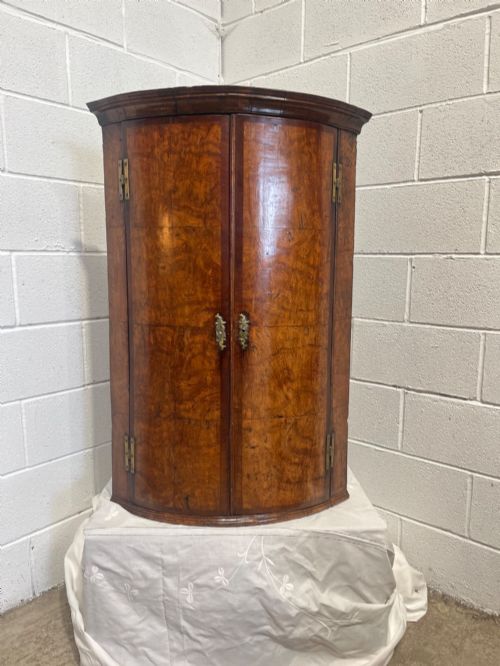
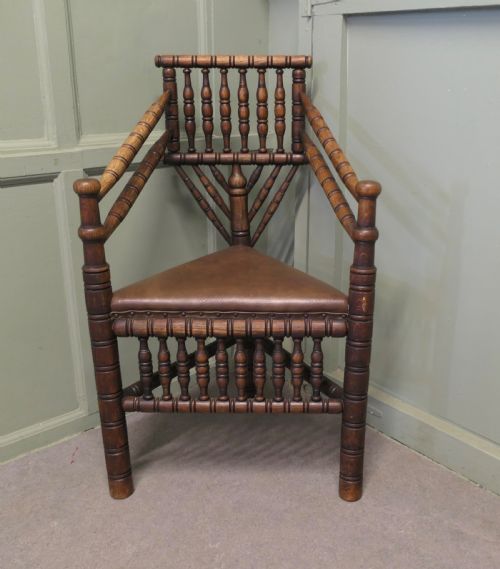
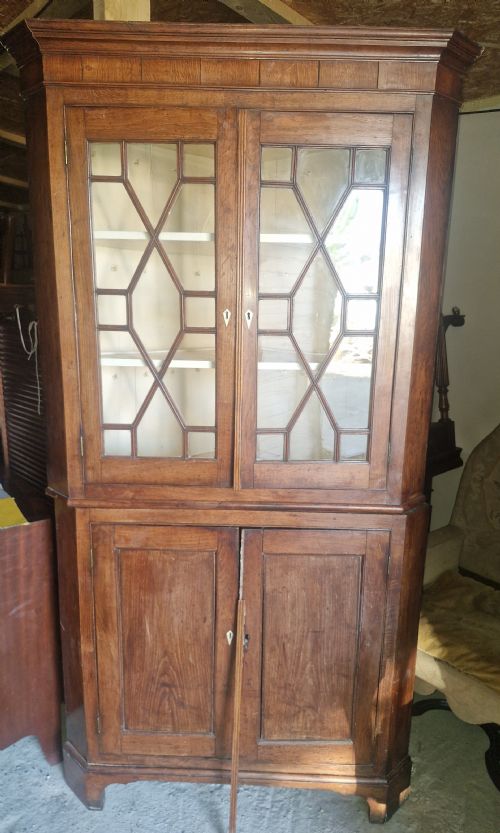
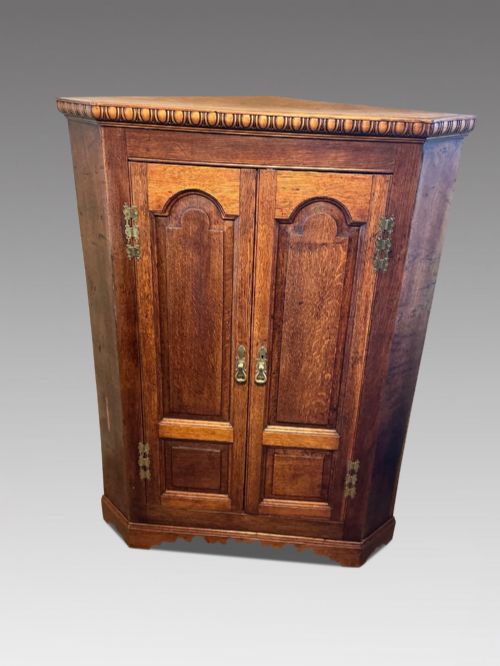
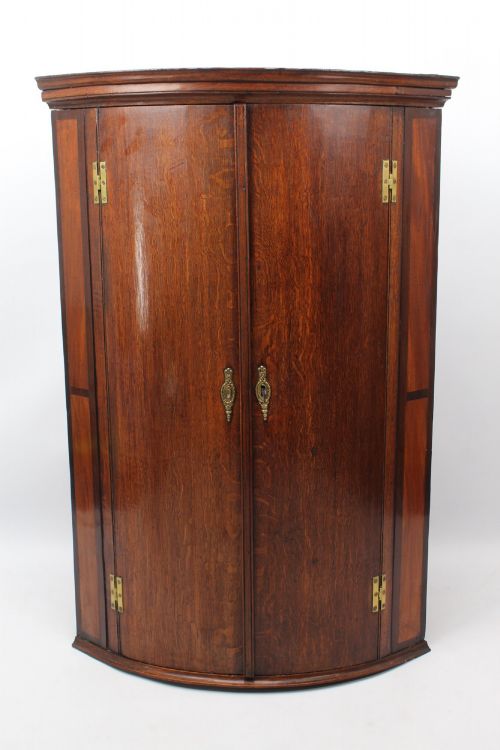
Antique oak corner furniture encompasses fitted and freestanding timber pieces designed to utilise dead space in room junctions. The selection spans robust hanging cupboards, panelled floor-standing cabinets, and occasional tables originating from Georgian, Victorian, and Edwardian periods.
Regional variations appear frequently, particularly substantial Welsh oak two-part cupboards and English country pieces displaying local vernacular traits. These practical storage items evolved from simple 18th-century wall cupboards into taller architectural fixtures.
Indicators of quality and distinction
Quality rests upon the selection of timber figures, such as burr or golden oak, and the crispness of hand-carved mouldings and panel bevels. Superior examples retain their original brass hardware, working locks, and structural integrity without excessive timber replacement.
Proportion and architectural harmony separate standard utility pieces from exceptional works, particularly in floor-standing cabinets and two-part Welsh cupboards. Original patination and undisturbed surface finishes demonstrate careful historical preservation over centuries of domestic use.
Selected regional pieces include a West Country bacon settle designed for curing meats beside the hearth.
S&H Jewell·Garnett & Sons
The Antique Oak Corner Furniture Glossary
- Fielded panel
- A raised wooden panel with bevelled edges designed to fit securely within a grooved frame. This technique allows the timber to expand and contract naturally with humidity changes.
- Two-part cupboard
- A cabinet constructed in separate upper and lower sections stacked together. This method facilitated transport and installation in domestic rooms.
- Hanging corner cupboard
- A wall-mounted storage unit fitted with internal shelving and a single front door. These units utilised upper wall space efficiently.
- Vernacular furniture
- Domestic pieces made by local regional craftsmen using native materials rather than adhering to metropolitan academic styles. Such items reflect practical rural requirements.
- Patina
- The surface sheen and colour acquired by wood through age, handling, and waxing. It serves as an indicator of authenticity.
Antique Oak Corner Furniture: Frequently Asked Questions
How do I hang a heavy corner cupboard?
Hanging cupboards require secure fixing to solid masonry or internal wall studs using robust bracket systems suited to the weight of oak timber. Professional installation ensures the cabinet supports the load of heavy contents safely.
Because these historical units lack modern mounting brackets, a carpenter should inspect internal battening and fixings before loading shelves with heavy porcelain or glass.
What is the difference between standing and hanging cupboards?
Standing cupboards rest directly on the floor or a dedicated base stand, offering greater storage capacity and a heavier architectural presence in a room. Hanging versions mount directly to walls to save floor space.
Floor-standing examples often feature two-part construction to ease movement, whereas wall-mounted variants rely on sturdy internal framing to bear their own weight.
How can I date an 18th-century oak cupboard?
Dating relies on examining construction marks, such as hand-cut dovetails, pegged joints, and the configuration of internal shelving and panel assembly. Eighteenth-century pieces frequently display adze marks and pegged frames rather than modern machine-cut screws.
Hardware styles, including wrought iron H-hinges and brass escutcheons, also provide reliable clues to the manufacturing decade when evaluated alongside the timber grain and patination.
Are these pieces suitable for modern homes?
These cabinets fit efficiently into neglected room corners, providing practical storage for modern living areas without dominating floor space. Their neutral timber tones complement contemporary and traditional interiors alike.
Daily care involves gentle dusting and occasional waxing to maintain the natural oak grain and historical surface sheen against dry household environments.