


Antique Novelty Stick
An antique novelty stick brings ingenuity and wit to daily life, offering hidden functions and carved animal forms that collectors treasure.
Antique Novelty Stick
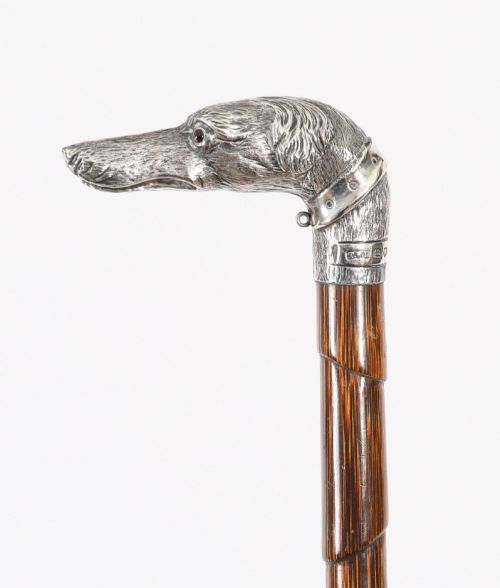
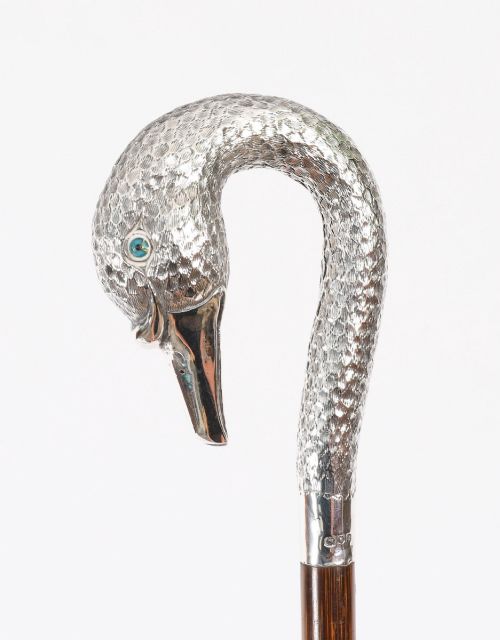
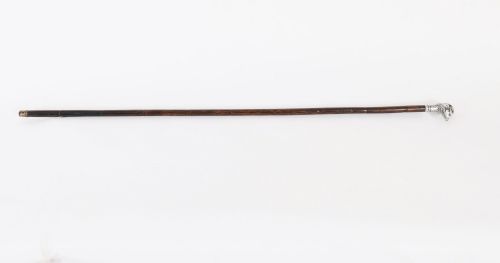
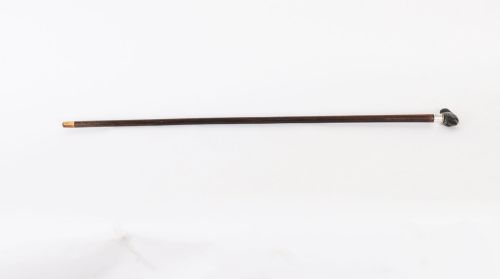
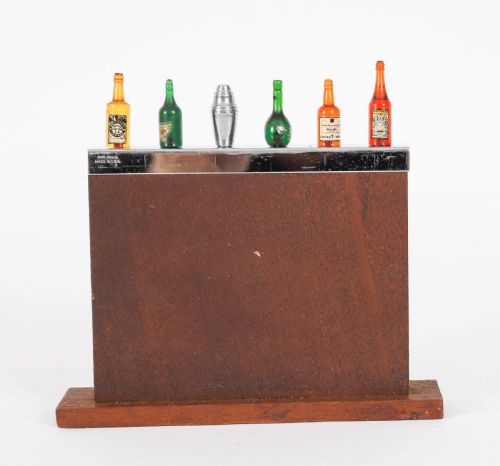
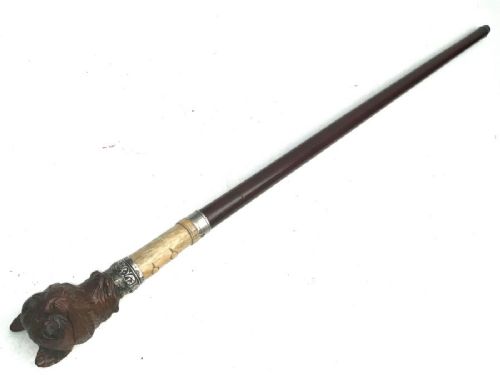
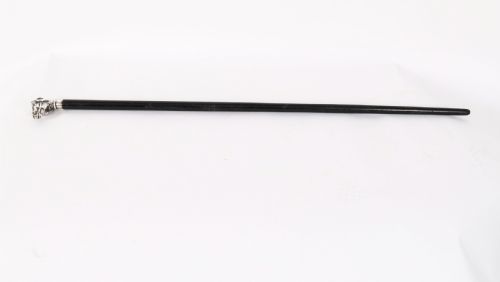
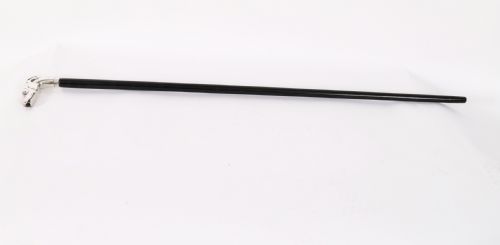
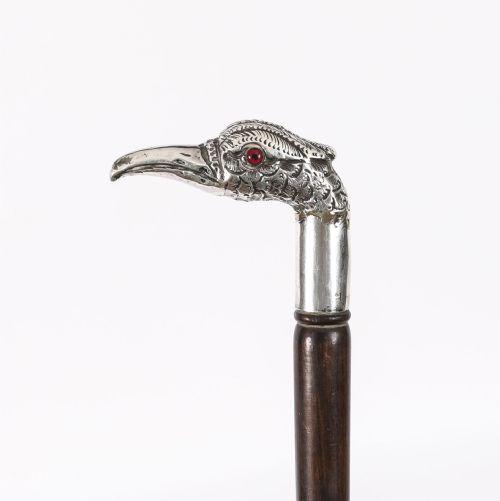
When you search for an antique novelty stick, you encounter walking canes, swagger sticks, and barware accessories designed with clever hidden mechanisms or distinctive animal handles. The most common examples on this page are nineteenth century walking sticks featuring silver-mounted greyhound, duck, swan, and horse heads, alongside early twentieth century cocktail stick sets.
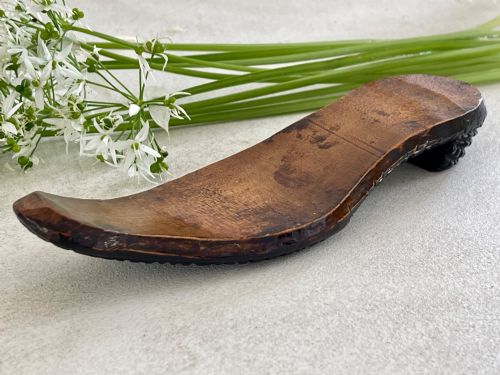
Beyond walking canes, the selection includes treen knitting sheaths, barware sets, and umbrella stands displaying folk art carving or Art Deco styling. These items served both practical daily purposes and amused companions with concealed utility, such as built-in corkscrews, watches, telescopes, or swords.
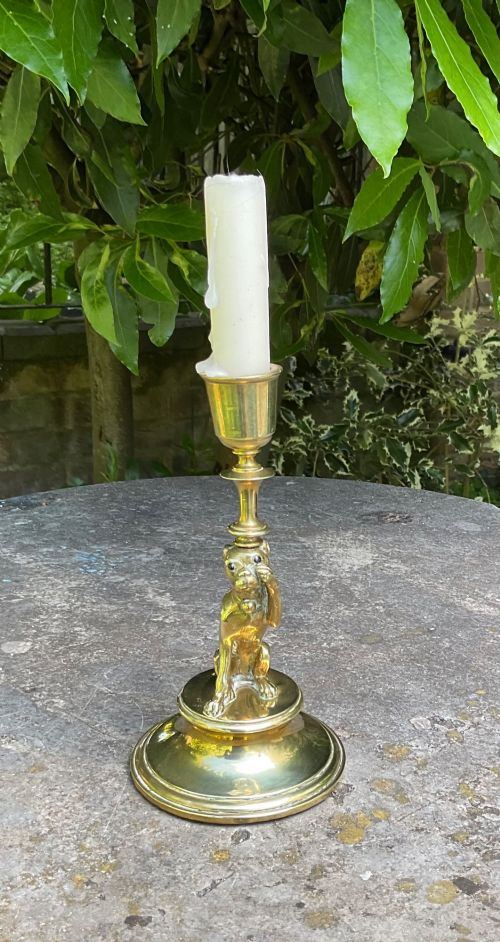
The objects span the Victorian, Edwardian, and Art Deco periods, originating from English workshops, German Black Forest carvers, and French designers. Pieces range from carved wooden bears and dogs to polished brass and chrome bar accessories.
How they were made
Craftsmen shaped these items from timber, hardwood, and snakewood, often pairing natural grain with metals like silver, brass, gold, chrome, and iron. Handles were carved from wood or cast in metal to form detailed animal heads, human figures, or sporting motifs.
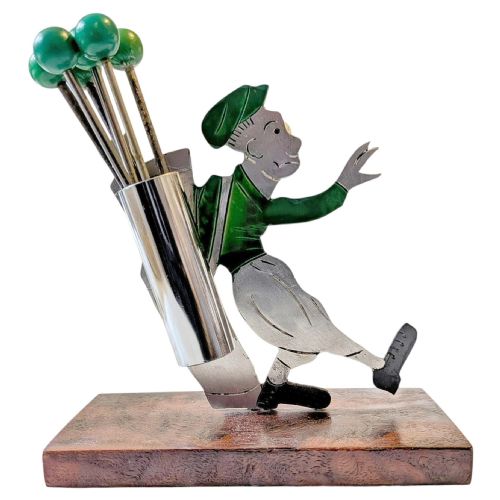
Makers integrated complex mechanisms into the shafts and handles, including concealed watch movements, telescopes, musical flutes, and threaded corkscrews. Art Deco barware utilised chrome, Bakelite, and glass to achieve sleek geometric stands for individual cocktail picks.
What varies in quality
The fineness of hand-carving and metal casting defines the upper tier of these pieces, distinguishing crisp animal expressions from softer, worn details. Natural materials like horn, bone, and precious metals display superior hand-finishing and tighter joints in hidden mechanisms.
Completeness dictates value among gadget sticks and bar sets, particularly where original internal components like corkscrews, watches, or matching cocktail picks remain intact. Maker attribution, such as signed French cocktail sets or marked silver mounts, elevates a piece above unmarked workshop output.
Sudre·William Comyns·Asprey
The Antique Novelty Stick Glossary
- Swagger stick
- A short, light cane carried by gentlemen as a fashion accessory rather than for physical support.
- Gadget stick
- A walking cane concealing a functional tool such as a telescope, sword, watch, or corkscrew within the shaft or handle.
- Treen
- Small handmade wooden household objects and curiosities produced through turning or carving.
- Helixophile
- A collector of corkscrews and wine-opening tools, often applied to canes housing hidden openers.
Antique Novelty Stick: Frequently Asked Questions
What is an antique novelty stick?
An antique novelty stick is a walking cane, swagger stick, or bar accessory featuring an amusing handle or a concealed mechanical purpose.
These pieces combine decorative appeal with practical jokes or hidden tools like blades, watches, and corkscrews.
How were gadget canes used?
Gadget canes served as walking supports while secretly housing everyday items required by Victorian and Edwardian gentlemen.
Owners could extract a telescope, measure time with a hidden watch, or open wine using the built-in corkscrew.
What materials do these sticks use?
Maker materials typically include hardwoods, snakewood, and treen paired with cast silver, brass, gold, and chrome mounts.
Handles frequently display hand-carved bone, horn, or detailed animal forms executed in wood or metal.
How do I identify Art Deco pieces?
Art Deco novelty items utilise geometric designs, Bakelite, and chrome alongside stylised animal or human figures.
Cocktail stick sets from this era often feature painted metal figures mounted on matching stands rather than traditional walking cane shafts.