


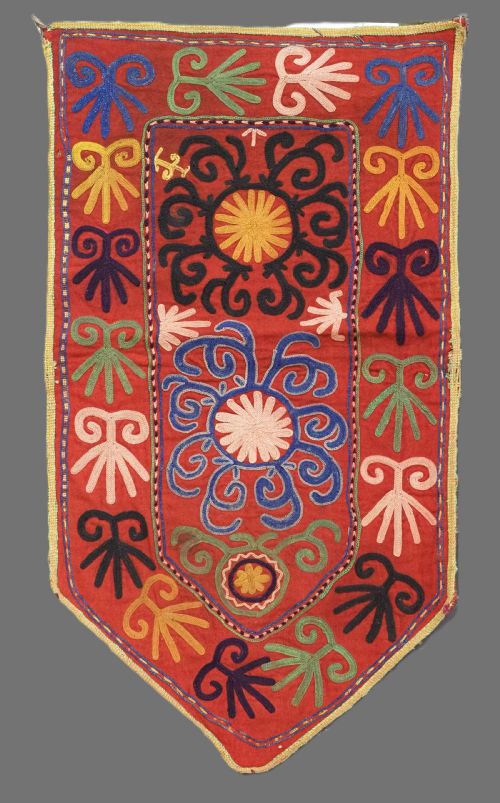
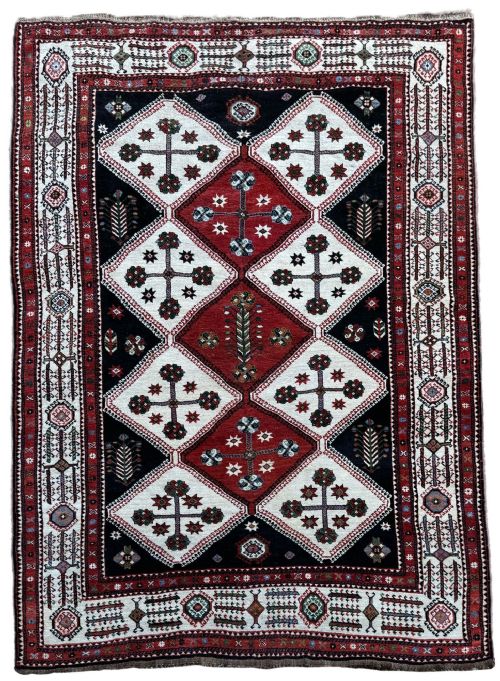
Antique Nomadic Wool Rug
An antique nomadic wool rug brings the tactile warmth and geometric vitality of tribal weaving directly into an interior.
Antique Nomadic Wool Rug
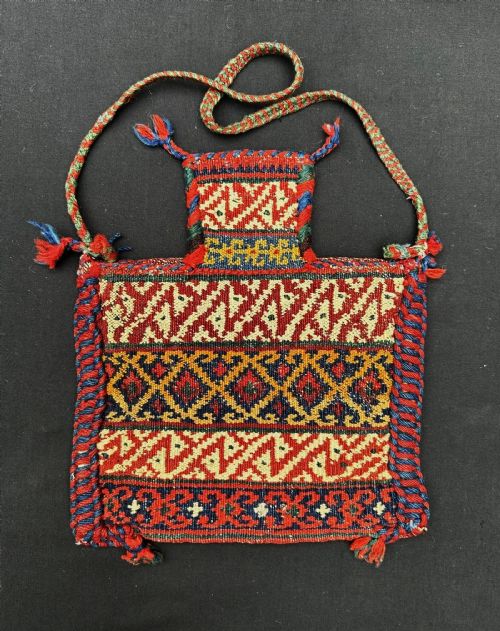
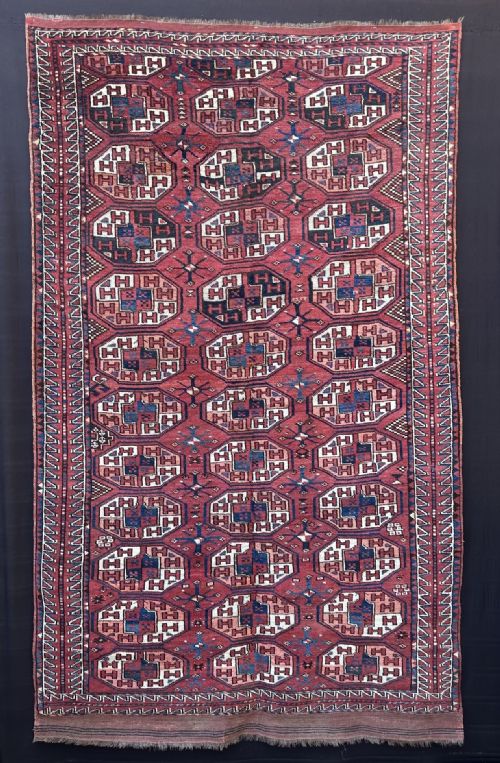
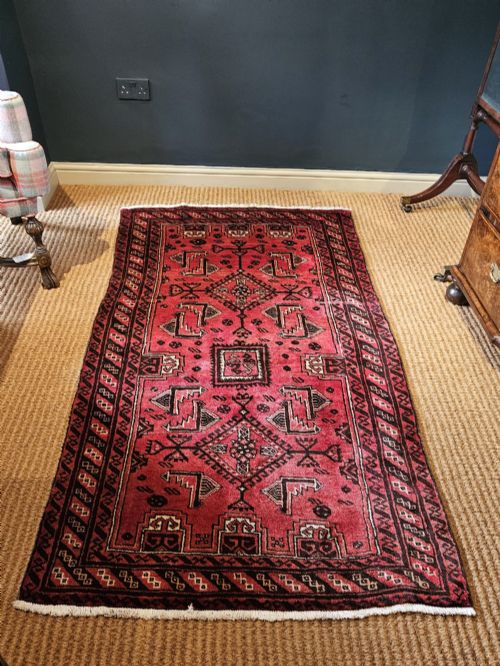
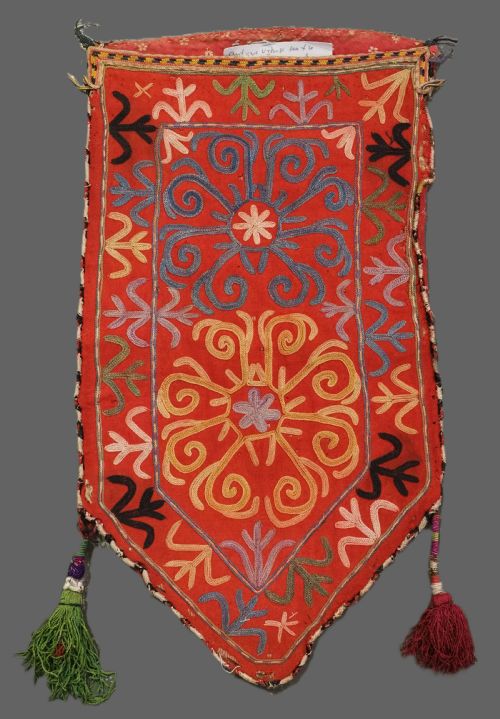
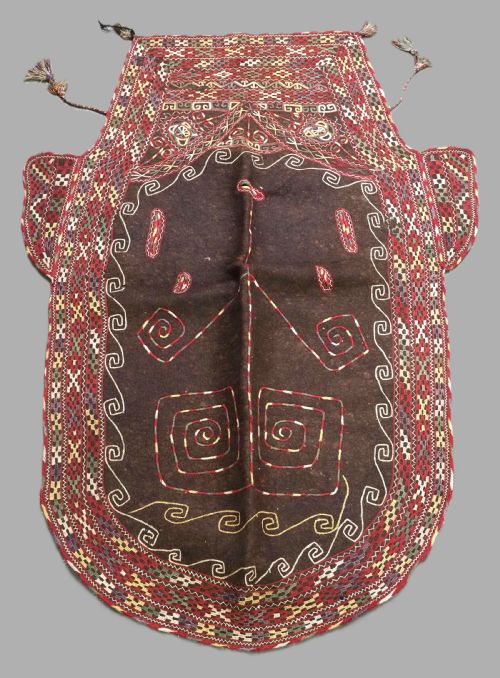
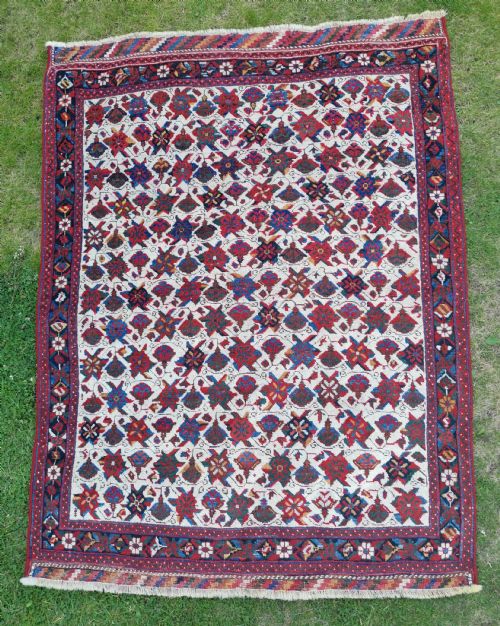
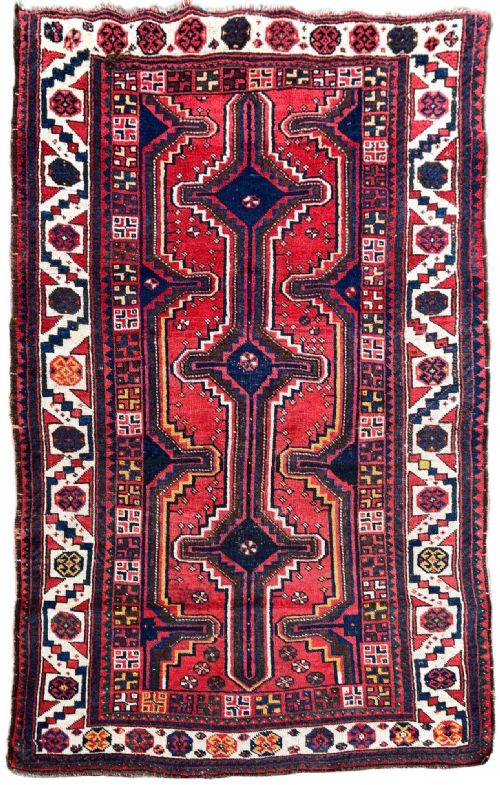
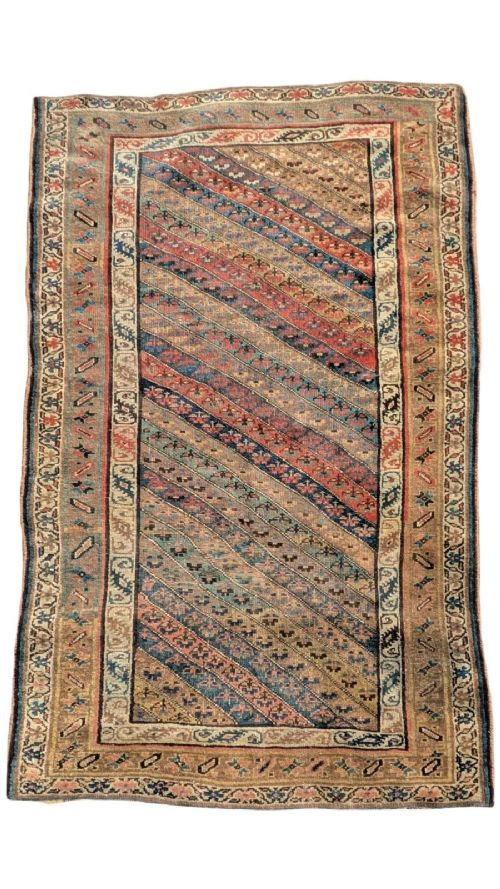
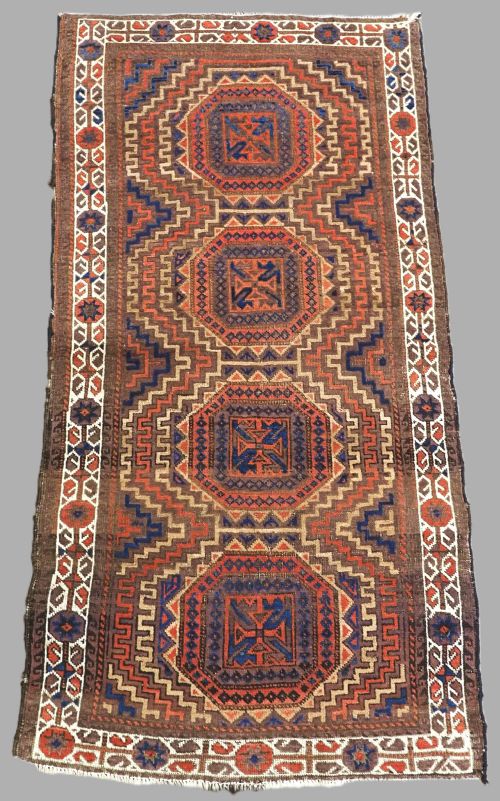
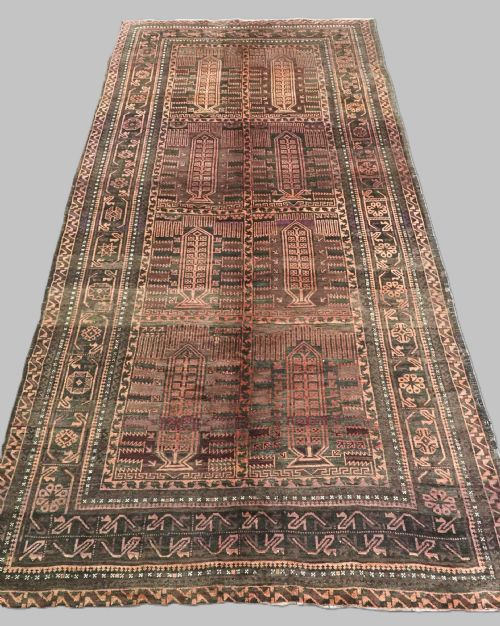
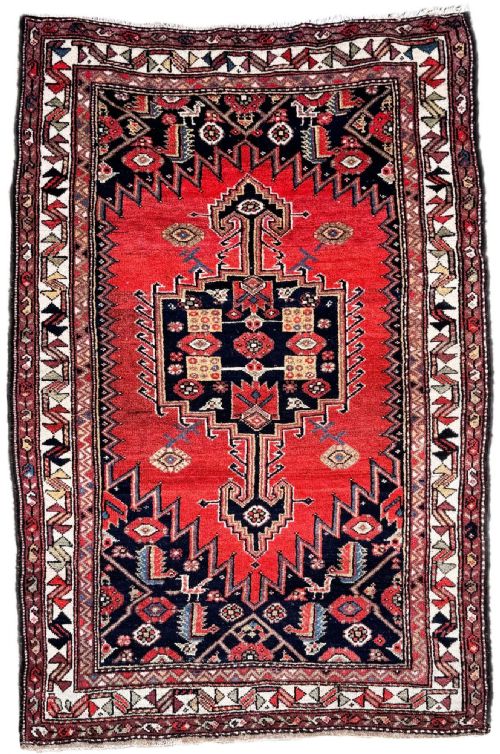
An antique nomadic wool rug encompasses hand-knotted tribal carpets and runners produced by weaving groups such as the Qashqai, Afshar, Baluch, Kizyl Ayak Turkmen, and Luri tribe. These pieces serve as functional floor coverings that carry the distinct cultural motifs and visual storytelling of their makers.
Buyers browsing this selection will most frequently encounter Persian tribal rugs and runner formats dating from the late nineteenth century through to the early decades of the twentieth century. These textiles showcase traditional field patterns including latch hook medallions and repeat shield designs.
The origins of these carpets lie in the nomadic and village traditions of weavers who utilised local resources to create durable floor coverings for daily use. Each piece reflects the specific aesthetic vocabulary of the tribe that produced it, distinguishing village and nomadic work from formal court manufactories.
How they were made
Production relies heavily on natural materials, with wool forming the primary pile and foundation yarns, often supplemented by cotton or camel hair within the structural elements. These organic fibres provide the resilient base required for heavy domestic use in pastoral settings.
Weavers employed traditional hand-knotting techniques alongside natural dyes to create enduring patterns with rich tonal depth. The integration of materials like camel hair introduces subtle textural variations and un-dyed colour fields that develop a distinct patina over time.
Antique Nomadic Wool Rug Retail Price Guide 2026
Typical asking prices for nomadic wool rug among the pieces listed under this phrase on Sellingantiques today, from the lower quarter to the upper quarter. They describe what is for sale here now, not the wider market.
What varies in quality
The distinction between standard examples and the finest pieces rests upon the crispness of the tribal geometry and the harmonious saturation of the natural dyes. Superior execution reveals itself in balanced proportions and tightly packed knots that preserve the clarity of complex repeat motifs.
Structural integrity and the retention of original pile condition also divide the range, as well-preserved carpets demonstrate the enduring quality of early weaving traditions. Variations in the handling of camel hair and secondary foundation yarns further distinguish regional outputs.
The Antique Nomadic Wool Rug Glossary
- Natural dye
- Colourants derived from plant, insect or mineral sources utilised before the widespread introduction of synthetic alternatives. These dyes yield harmonious secondary shades that age gracefully.
- Camel hair
- Un-dyed natural fibre incorporated into tribal rugs to provide soft brown or golden tones. Its inclusion adds both tactile variation and structural contrast to the wool pile.
- Tribal rug
- A hand-knotted floor covering produced by nomadic or semi-nomadic groups for domestic use or local trade. These textiles rely on traditional memory patterns rather than written cartoons.
Antique Nomadic Wool Rug: Frequently Asked Questions
How do I identify a tribal rug?
Tribal rugs are recognised by their geometric motifs, asymmetrical designs, and the use of traditional symbols rooted in nomadic culture. They often display spontaneous variations in pattern that reflect the hand of the individual weaver.
Examination of the materials reveals traditional wool foundations and natural dyes. These characteristics separate nomadic pieces from urban workshop carpets.
Where were these rugs made?
These textiles originate from nomadic and village groups across Persia and Central Asia, including the Qashqai, Afshar, Baluch, and Turkmen tribes. Each group maintained distinct weaving traditions and colour palettes.
Makers utilised locally sourced materials available during seasonal migrations or in permanent village settlements. This regional specificity defines the unique character of each piece.
How should I care for an antique wool rug?
Care requires regular gentle vacuuming without beater bars to protect the wool pile and foundation threads. Professional cleaning suited for antique textiles preserves the natural dyes and fibres.
Placing the rug away from direct, harsh sunlight prevents premature fading of natural colours. Using a quality underlay provides cushioning and prevents slipping on hard floors.
What is a runner format?
A runner is a long, narrow carpet designed specifically for hallways, corridors, or staircases. These pieces accommodate restricted spatial dimensions while displaying continuous repeat patterns.
Nomadic weavers adapted their standard tribal designs to fit these elongated formats. They provide functional floor protection and visual interest in narrow architectural spaces.