
Antique Nomadic Textile Hanging
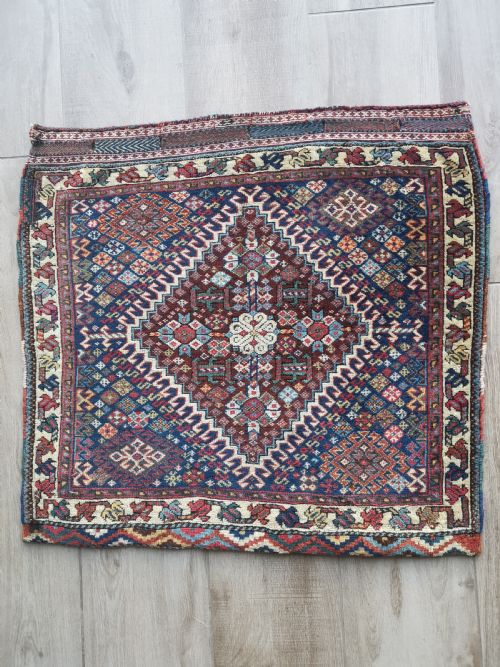
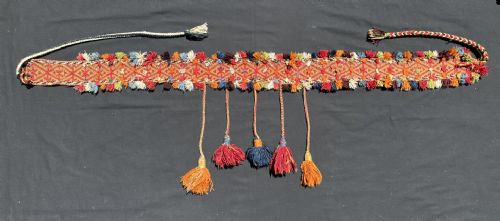
An antique nomadic textile hanging brings tribal artistry from Persia, Central Asia, and Afghanistan directly into domestic spaces through woven bags, covers, and embroideries.
Antique Nomadic Textile Hanging
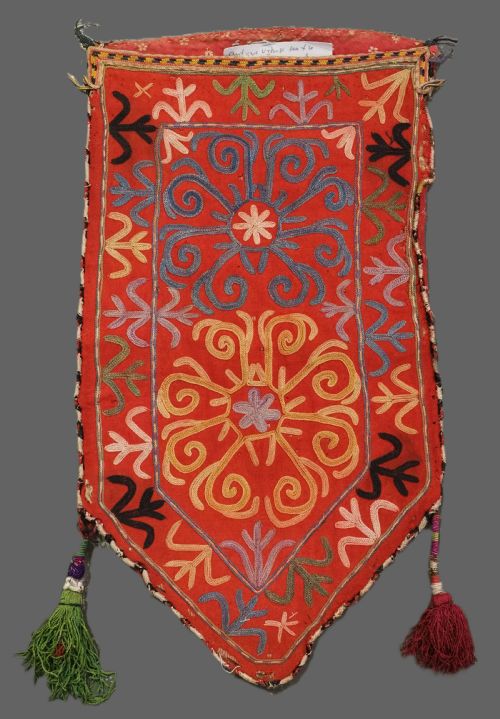
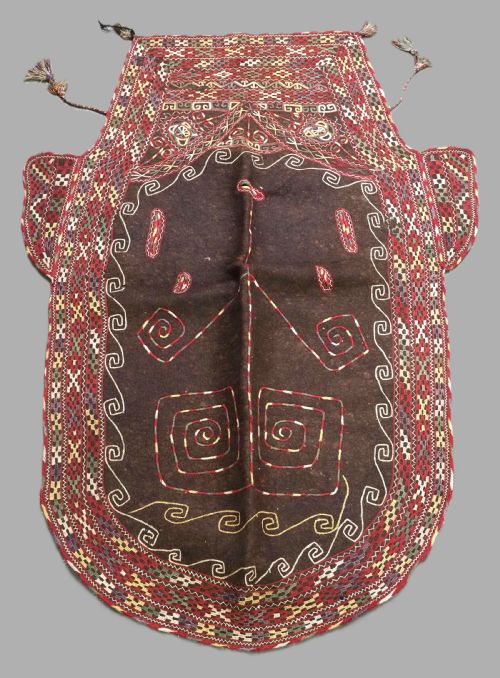
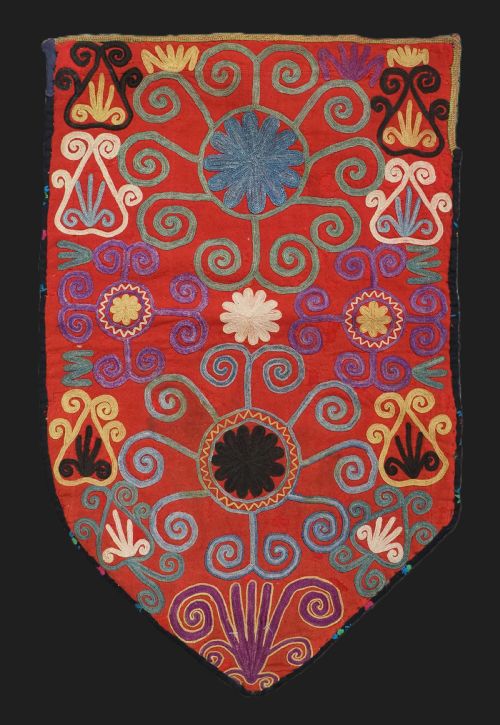
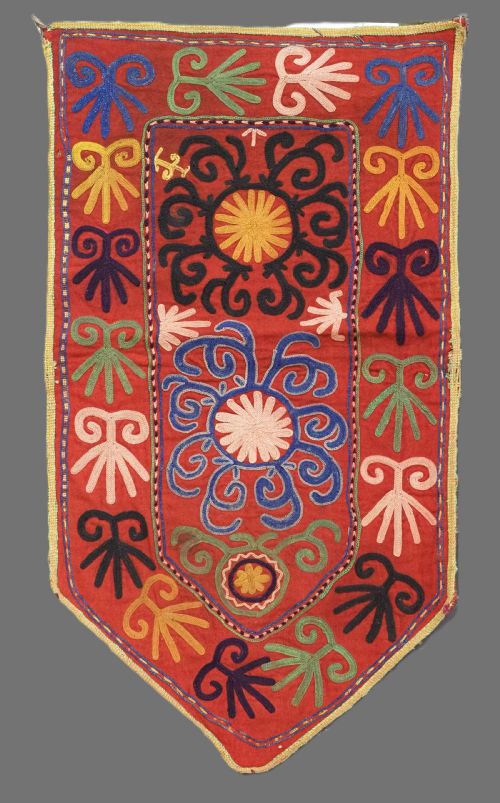
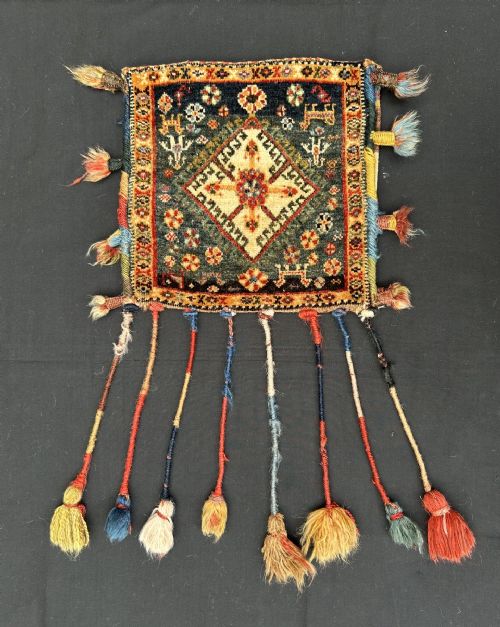
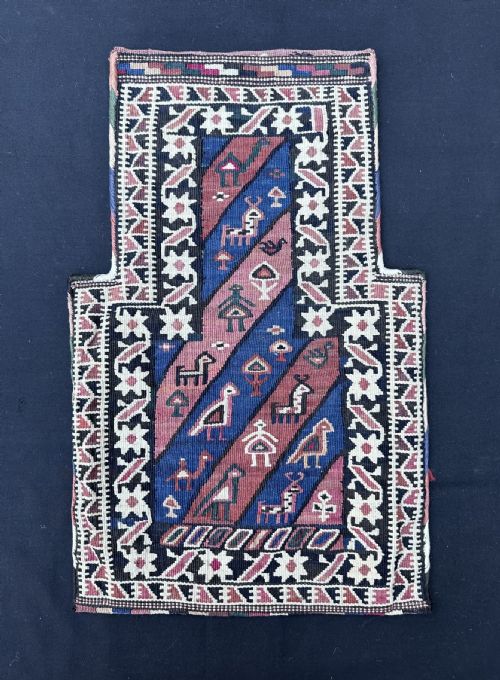
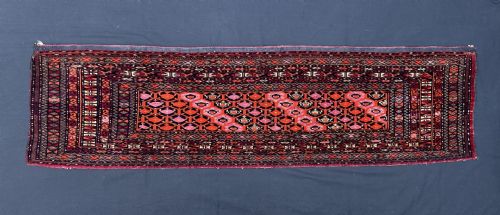
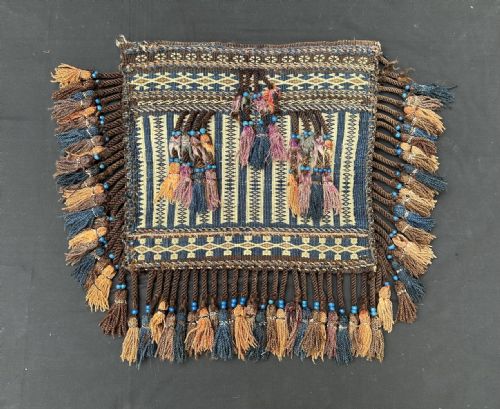
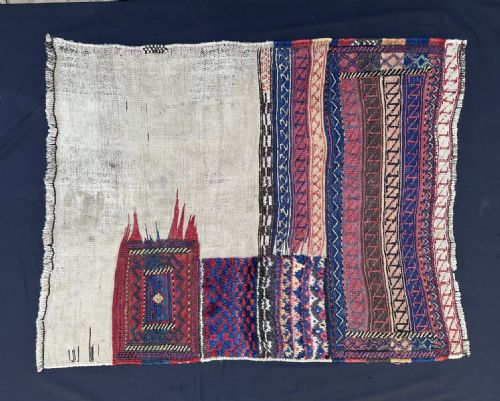
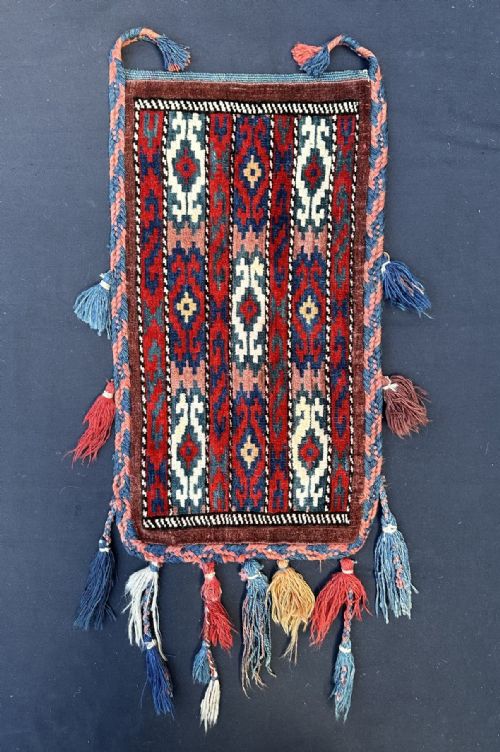
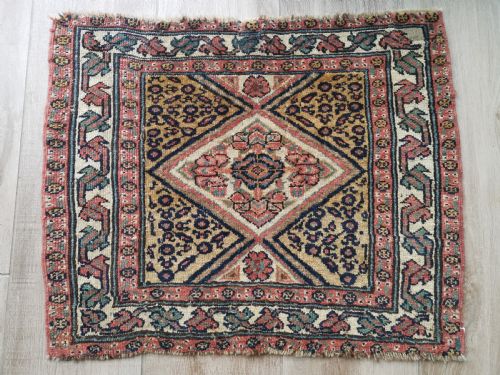
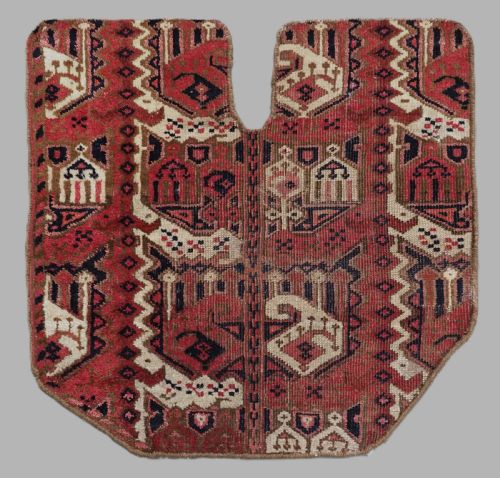
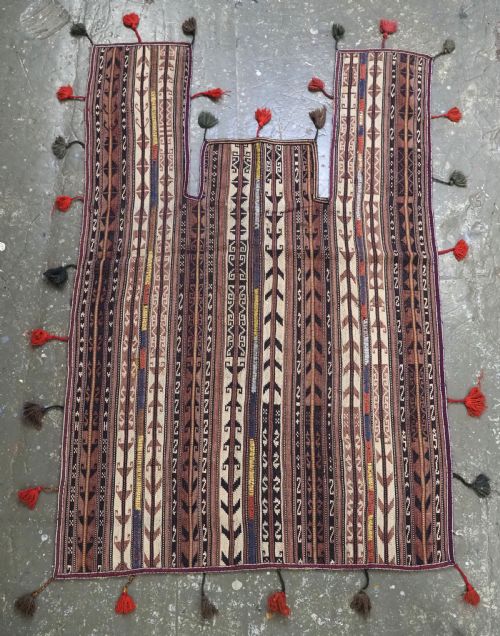
An antique nomadic textile hanging encompasses utilitarian tribal items such as storage bags, salt bags, animal trappings, and dowry embroideries repurposed for display. These pieces originate from nomadic confederacies and tribal groups across Persia, Turkmenistan, Uzbekistan, and Afghanistan, dating from the mid-nineteenth century to the early twentieth century.
Makers utilised local wool and cotton, alongside natural dyes, to construct functional objects intended for daily nomadic life. Over time, these utilitarian articles transitioned into decorative wall hangings valued for their tribal geometry and cultural heritage.
What varies in quality
The quality of these textiles rests on the handling of the wool, the saturation and consistency of natural dyes, and the precision of the tribal motifs. Superior examples display resilient hand-spun materials and complex, balanced compositions executed by experienced tribal weavers.
Condition and completeness also separate tiers, as pieces retaining original tassels, backs, or complete borders command greater appreciation. Finer knot densities or intricate needlework indicate higher workshop or domestic skill within the specific tribal tradition.
Nomadic weavers occasionally included deliberate minor irregularities in their geometric patterns to ward off the evil eye.
The Antique Nomadic Textile Hanging Glossary
- Torba
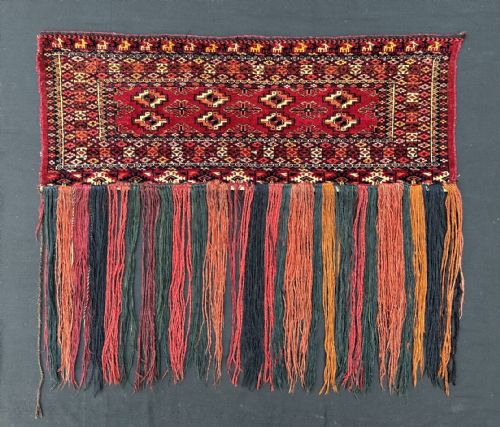
- A small Turkmen wall hanging or storage bag traditionally used inside a yurt. These wide rectangular bags often featured distinctive gul motifs.
- Uut Kap Ilgich
- An Uzbek Lakai embroidered hanging associated with dowry furnishings and tent decoration. These pieces utilise lively silk embroidery on felt or fabric grounds.
- Sofreh
- A flatwoven spread or cloth used for sharing meals or kneading bread within nomadic households. They exhibit geometric field designs without a central pile.
- Asmalyk
- A large pentagonal trapping hung on the flanks of a camel during Turkmen wedding processions. They represent important ceremonial items within tribal weaving.
- Chanteh
- A small tribal vanity bag or personal carrying pouch produced across Persian and Kurdish regions. These miniature pieces display compressed tribal iconography.
Antique Nomadic Textile Hanging: Frequently Asked Questions
How were these textile hangings originally used?
Nomadic groups utilised these woven and embroidered pieces as storage bags, animal trappings, horse blankets, and tent furnishings during daily migration and pastoral life.
Over generations, many functional items transitioned into decorative wall hangings to preserve their intricate tribal designs and cultural history.
What regions produced these antique textiles?
The pieces originate from tribal confederacies and regions across Persia, Central Asia, Turkmenistan, Uzbekistan, and Afghanistan.
Specific groups such as the Yomut, Teke, Qashqai, Afshar, and Lakai developed distinct geometric patterns and colour palettes tied to their geographic locations.
How do I care for an antique textile hanging?
Protect the wool and cotton fibres by mounting the hanging away from direct sunlight to prevent natural dye fading.
Gentle surface dusting and avoiding high humidity help maintain the structural integrity of older pile rugs, felts, and embroideries.
How can I tell different tribal styles apart?
Tribal styles are distinguished by specific structural formats, regional motifs such as guls, and the choice of embroidery or weave.
For instance, Turkmen pieces often feature repeat octagonal guls, while Uzbek Lakai works are recognised by curvilinear silk embroidery on felt.