


Central Asian Equestrian Textile
A central asian equestrian textile is a ceremonial horse cover or saddle rug made for tribal display, offering a tangible link to nomadic craftsmanship.
Central Asian Equestrian Textile
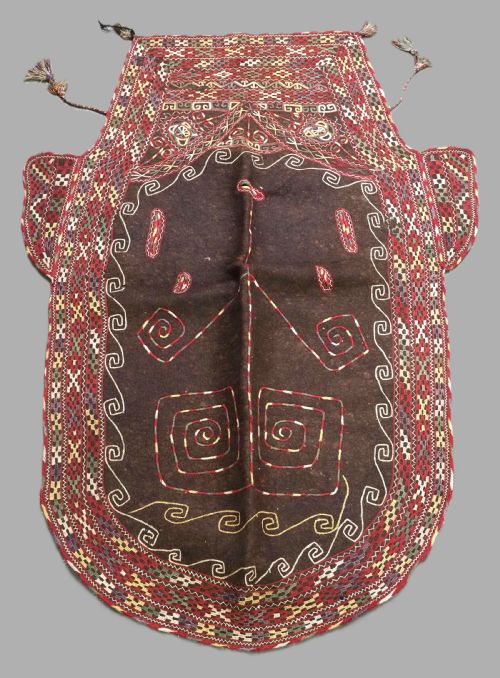
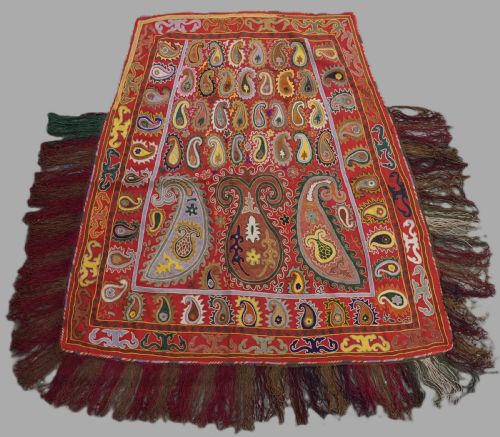
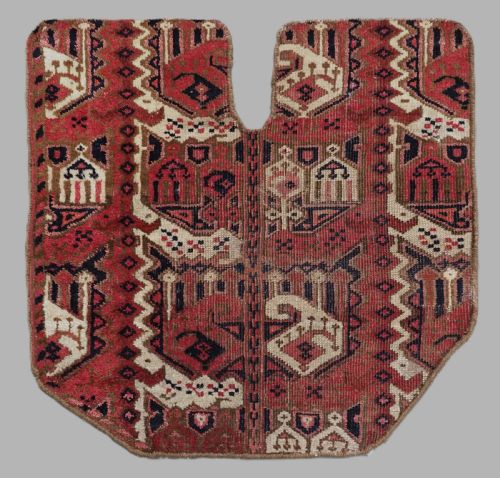
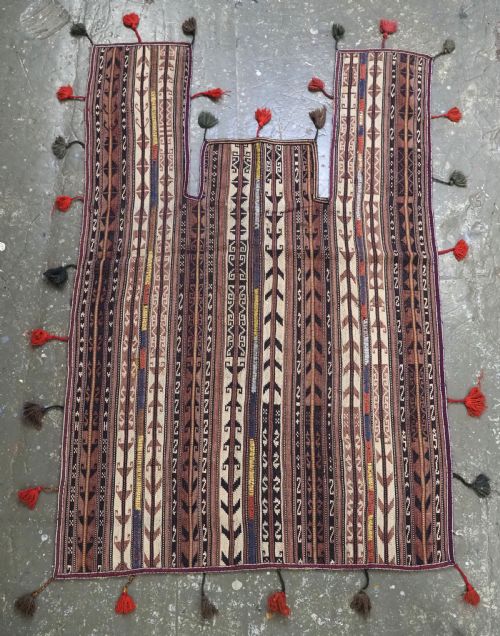
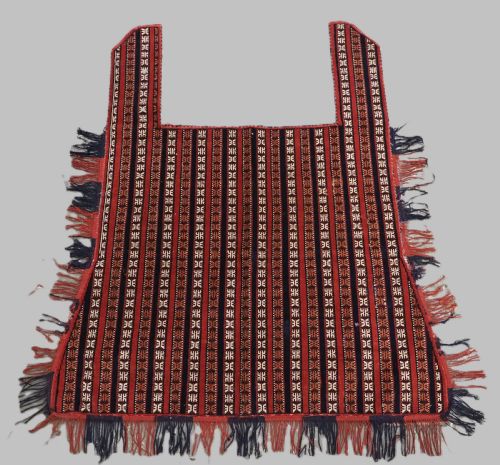
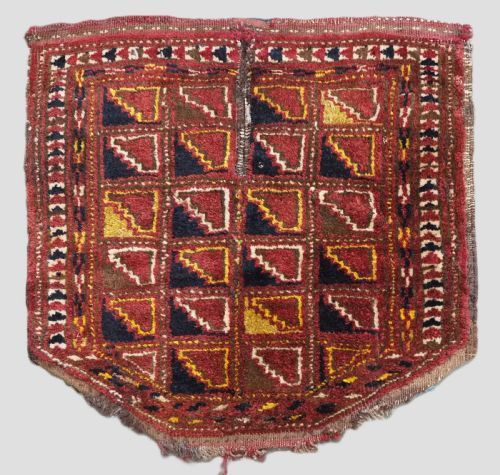
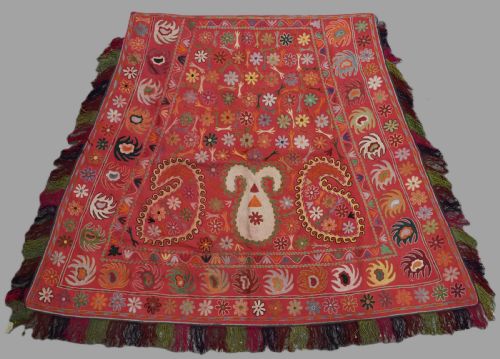
A central asian equestrian textile brings together tribal artistry and nomadic life through ceremonial horse covers and saddle rugs. Buyers seeking these items will most frequently encounter Yomut Turkmen and Ersari Beshir pieces alongside Uzbek Lakai tribal works.
The objects take the form of heavy wool blankets, saddle rugs, and textile wall art designed for equine display. Dating from the late nineteenth century into the early twentieth century, these textiles reflect the distinct traditions of tribal groups across Central Asia.
Originating from regions including Uzbekistan and Northern Afghanistan, each piece served a ceremonial function rather than everyday riding use. The survival of these textiles highlights their importance within tribal households and traditional gatherings.
Materials and Technique
Makers utilised wool, felted wool, and cotton as the primary foundations for these textiles, often employing natural dyes to colour the fibres. Silk and cotton thread were then applied in detailed surface needlework.
The combination of woven bases and dense embroidery created durable, heavy covers capable of withstanding ceremonial use. Artisans worked by hand to build complex patterns using traditional tribal motifs.
Horses in Central Asia occasionally dressed better than their riders.
Assessing Quality
Quality rests upon the crispness of the tribal design and the depth of the natural dyes used within the wool and silk threads. Finer examples display meticulous needlework and a harmonious balance of colour across the textile.
The integrity of the felted wool base and the preservation of the embroidery further distinguish superior pieces from simpler utilitarian items. Artisanal skill shines through in the precision of the stitching and the complexity of the tribal iconography.
The Central Asian Equestrian Textile Glossary
- Yomut Turkmen
- A major tribal grouping known for distinctive weaving and embroidery traditions in Central Asia. Their ceremonial horse covers often feature bold geometric forms.
- Ersari
- A Turkmen tribe whose textile output includes sophisticated saddle rugs and covers. These pieces frequently demonstrate refined palettes and balanced compositions.
- Lakai
- An Uzbek tribal group celebrated for lively, expressive embroidered horse covers. Their work typically employs vibrant silk thread on dark felt or cotton grounds.
- Natural Dyes
- Colourants derived from plants, insects, and minerals used before the widespread adoption of synthetics. They impart a rich, organic tone that ages gracefully over decades.
- Felted Wool
- Wool fibres subjected to heat, moisture, and pressure to form a dense, non-woven fabric. This sturdy material served as a primary ground for heavy tribal embroidery.
Central Asian Equestrian Textile: Frequently Asked Questions
How were these horse covers used?
These textiles served as ceremonial horse blankets and saddle covers during important tribal gatherings, weddings, and celebrations. Animals were dressed in these elaborate pieces to display family wealth and prestige.
Over time, the best examples transitioned from functional equestrian gear into valued items of tribal heritage and household display.
How do I care for a textile?
Keep these historic textiles away from direct sunlight to prevent the natural dyes from fading over time. Gentle, low-suction vacuuming through a mesh screen helps remove dust without disturbing fragile threads.
Mounting the piece securely on a padded support allows the weight of the heavy wool and felt to distribute evenly.
How can I tell different tribes apart?
Tribal attribution relies on specific design motifs, colour combinations, and embroidery styles passed down through generations. Yomut and Ersari Turkmen pieces often display structured geometric discipline.
In contrast, Lakai Uzbek covers tend to feature dynamic, free-flowing silk embroidery applied directly to felted wool grounds.
What is the typical age of these pieces?
The available examples date from the late nineteenth century up to the early twentieth century. This period captures the traditional nomadic output before modern shifts altered local handicraft.
Items from this era are identifiable through their authentic material composition and traditional natural dye usage.