
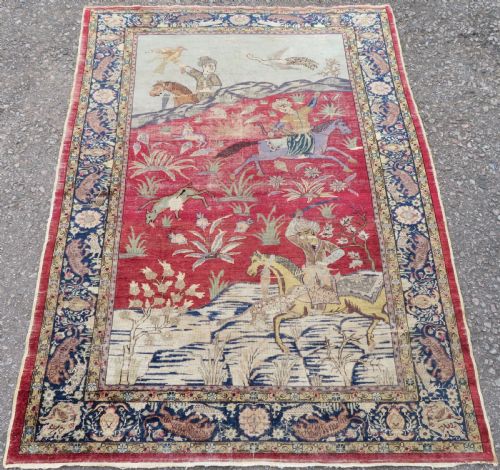


Antique Red Equestrian Rug
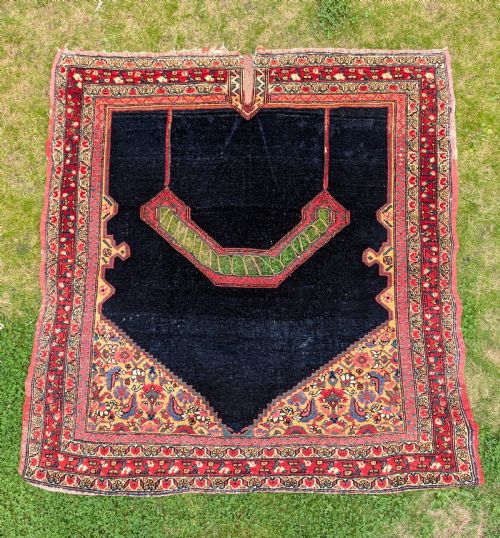
An antique red equestrian rug is a woven tribal textile designed for horses and riders, bringing nomadic artistry and rich colour directly into a room.
Antique Red Equestrian Rug
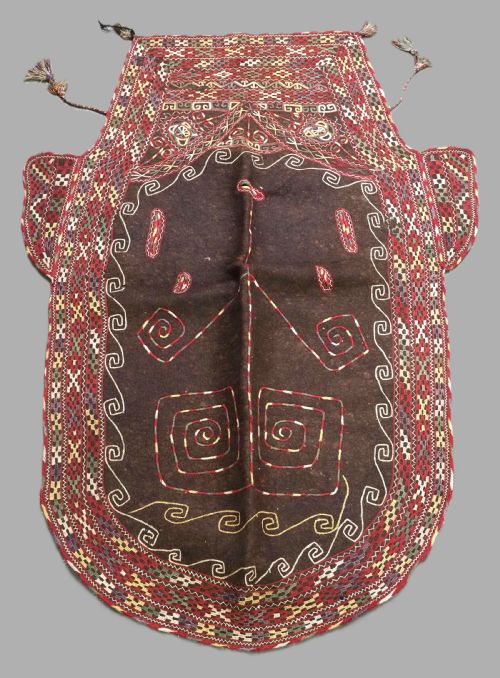
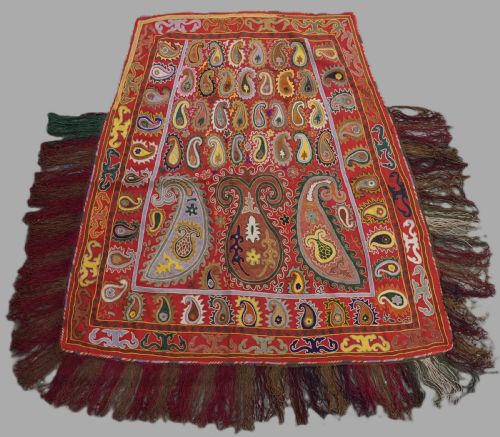
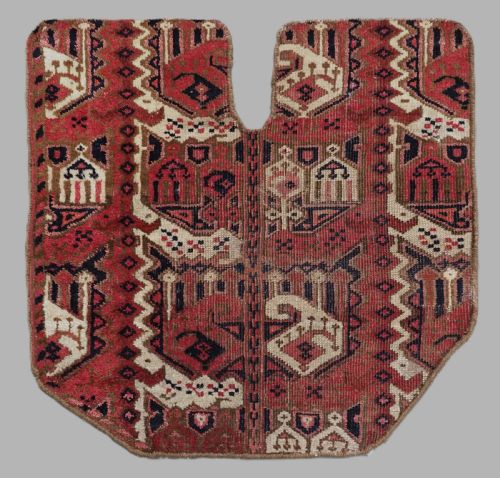
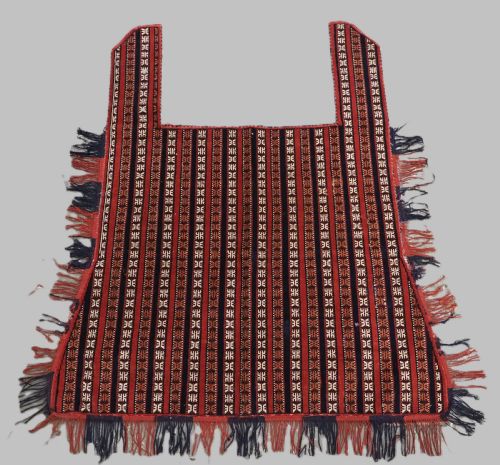
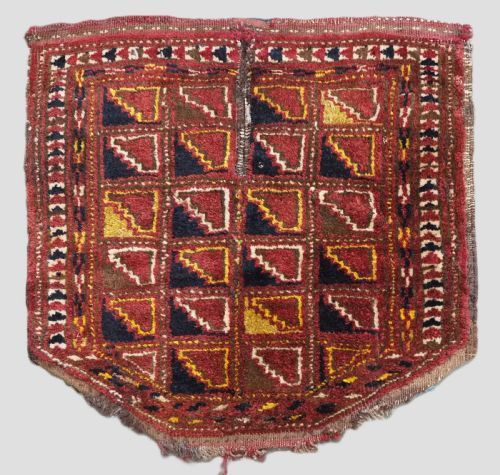
An antique red equestrian rug encompasses tribal textiles made for horses, including saddle covers, ceremonial horse blankets, and saddle rugs. These pieces originate from various regions and groups, such as the Yomut Turkmen, Ersari Turkmen, Uzbek Lakai tribe, Baluch, and Tibetan makers.
The version most commonly met on this page is the ceremonial horse cover or saddle rug, frequently created around the late nineteenth century and the early twentieth century. Such items display distinct tribal patterns rooted in Central Asian, Persian, and Anatolian traditions.
Makers produced these works using wool, cotton, and silk, employing techniques like embroidery and knotted pile to serve both utilitarian and ceremonial purposes in equestrian life.
Materials and construction
Weavers utilised wool, cotton, and silk, often supported by felted wool, leather, and cotton or silk thread for structural integrity and decorative embellishment. Natural dyes provided the deep red palette characteristic of these tribal textiles.
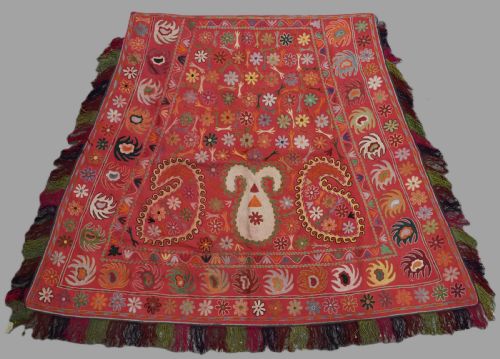
Makers combined weaving with embroidery, applying needlework to felt and woven grounds to produce intricate ceremonial horse blankets and saddle covers. The integration of these durable materials ensured the textiles could withstand active equestrian use while displaying complex tribal motifs.
Current listings demonstrate periods spanning from 1880 through the early twentieth century, utilising wool, silk, cotton, and felted wool.
Judging the range
The upper tier of these equestrian textiles displays finer knotting, precise embroidery execution, and the sophisticated application of natural dyes that yield deeper tonal variations. Superior examples maintain structural integrity across the backing materials, whether wool, felt, or cotton, showing careful selection of materials by the tribe or workshop.
Simpler or more utilitarian pieces exhibit coarser construction, heavier wear on the foundation threads, and less intricate pictorial or geometric design work. The distinction lies in the density of the weave, the complexity of the tribal iconography, and the preservation of the original decorative elements.
The Antique Red Equestrian Rug Glossary
- Saddle cover
- A textile placed over a horse saddle for protection or ceremonial display. These items often feature distinctive tribal patterns.
- Ceremonial horse blanket
- A large textile utilised during celebrations, parades, or rituals rather than everyday riding. They frequently display rich embroidery and felt work.
- Natural dyes
- Colourants derived from plants, insects, and minerals rather than synthetic compounds. They produce the subtle shifts in hue seen in older textiles.
- Tribal textile
- A piece woven or embroidered by nomadic or village groups following traditional community designs. These works reflect the specific heritage of makers like the Yomut or Lakai.
- Pictorial rug
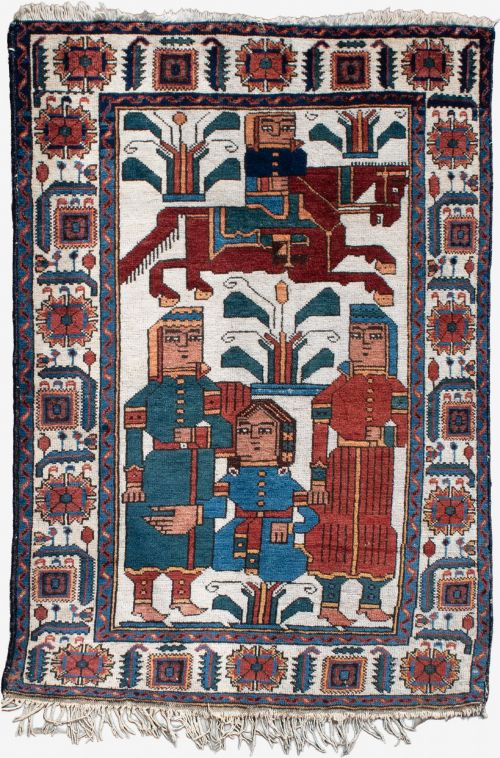
- A woven item depicting figures, animals, or narrative scenes such as hunting episodes. They require advanced skill from the weaver to render recognizable subjects.
Antique Red Equestrian Rug: Frequently Asked Questions
How were horse blankets used?
Tribal communities utilised these textiles during ceremonial processions, weddings, and important gatherings to adorn riding animals. They served as markers of status and cultural identity within the group.
In daily equestrian contexts, sturdier versions provided practical padding and protection for the animal and gear. The survival of these pieces indicates both functional service and careful preservation by later owners.
What tribes made these?
Nomadic and settled groups across Central Asia, Persia, and Anatolia produced these equestrian items. Prominent contributors include Yomut and Ersari Turkmen weavers, Uzbek Lakai artisans, and Baluch communities.
Each group incorporated distinct colour palettes, wool qualities, and structural methods into their saddle covers and ceremonial blankets. Recognising these design traits helps identify the regional origin of a piece.
Are natural dyes easy to spot?
Natural dyes present subtle tonal variations across the wool or silk pile, often referred to asabrash, where the colour shifts gently within a single field. This occurs due to small batch variations in plant or mineral dye preparation.
Synthetic dyes introduced later tend to appear more uniform and flat under close inspection. Examining the base of the pile reveals how deeply the colour penetrated the fibre during dyeing.