





Yomut Tribal Wool Textile
When you handle a yomut tribal wool textile, you touch the nomadic history of the Trans-Caspian steppes through dense pile and flatweave construction.
Yomut Tribal Wool Textile
A yomut tribal wool textile encompasses utilitarian and ceremonial objects created by the Yomut tribes of Central Asia. These items span the nineteenth and early twentieth centuries, emerging from the Trans-Caspian steppes and Turkmenistan.
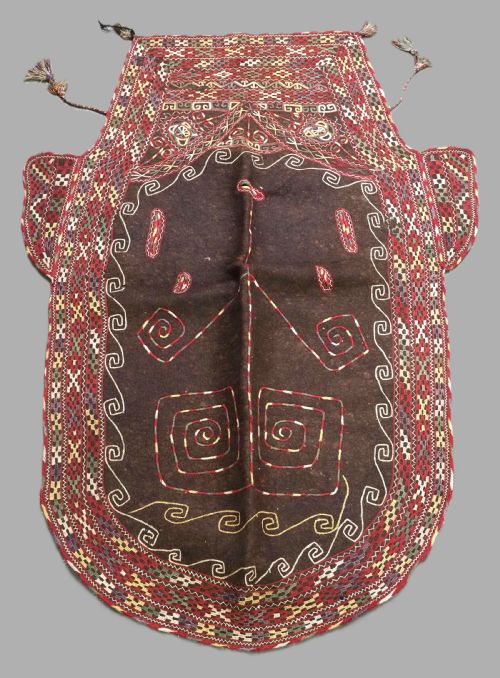
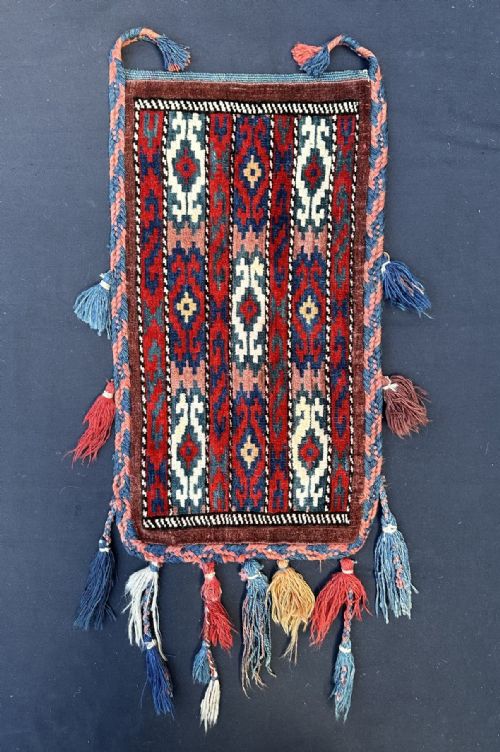
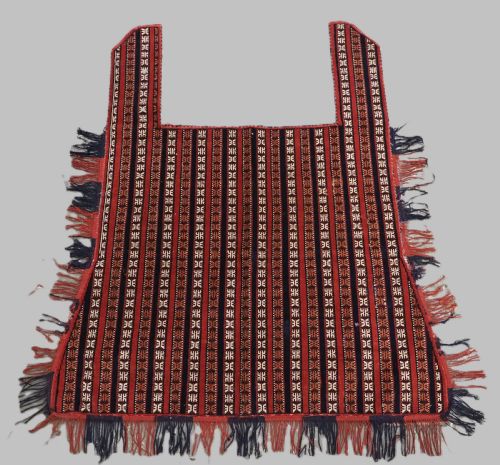
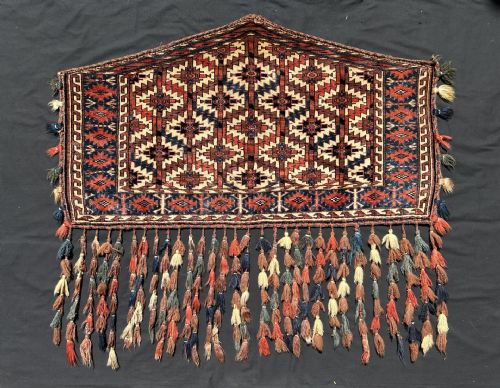
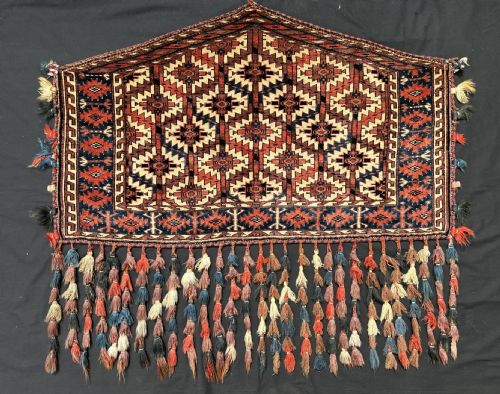
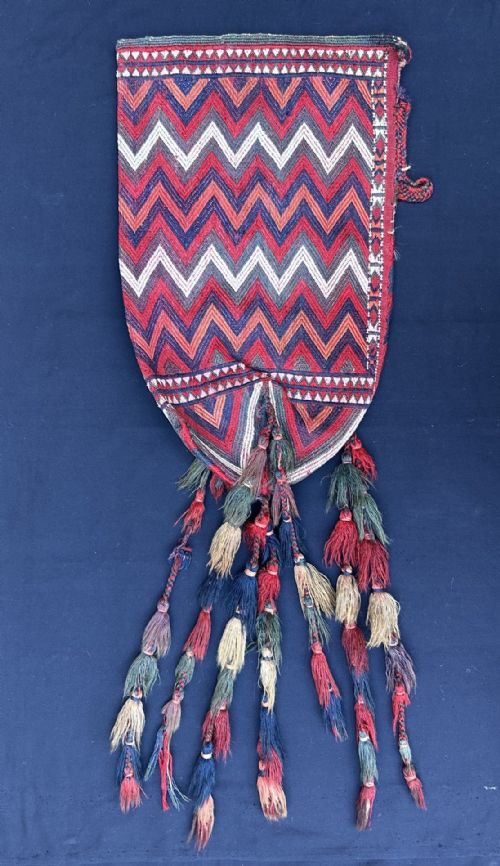
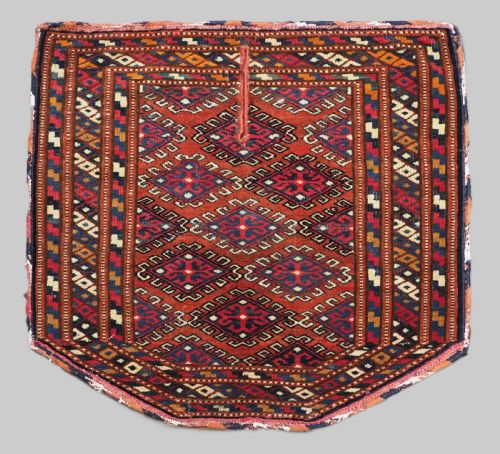
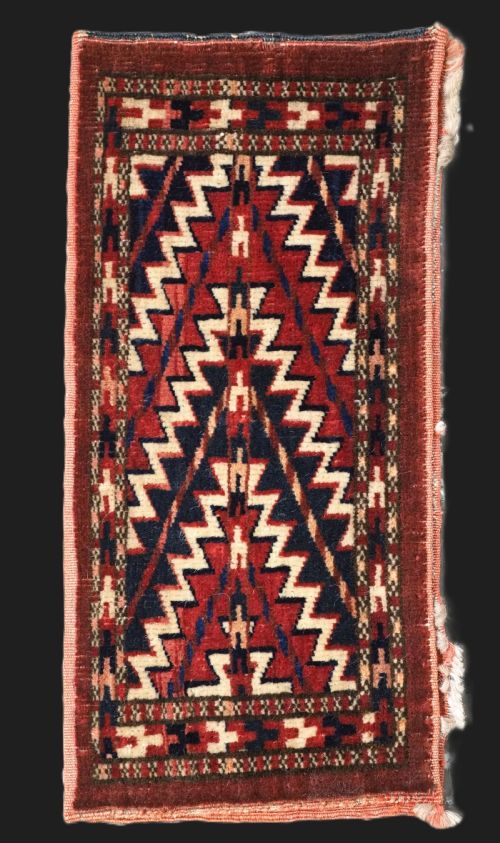
Collectors frequently encounter specific functional forms such as asmalyks, torbas, chuvals, and spindle bags. Many pieces retain original backing materials and traditional tribal formats designed for nomadic daily life or ritual use.
The aesthetic is defined by characteristic tribal motifs including the kepse gül and aishk gül designs. Pieces range from small bag faces to large ceremonial horse covers and tent-pole bags.
Materials and construction methods
Weavers utilised hand-spun wool as the primary medium, complemented by natural dyes to achieve deep regional colour palettes. Cotton and felted wool appear frequently, providing structural contrast in flatweaves and ceremonial blankets.
Construction techniques include full pile weaving, banded flatweaves, and embroidered felt. Silk thread and cotton thread occasionally supplement the main wool structure for fine decorative detailing on specific bag faces.
Listings span periods from eighteen-sixty to nineteen-twenty, featuring materials like natural dyes, silk thread, and felted wool.
Distinctions in execution and survival
Quality rests upon the fineness of the weave, the clarity of tribal motifs, and the depth of the natural dyes. Tightly packed knots and precise geometric layouts distinguish superior examples from standard utility pieces.
State of preservation significantly influences an item. Examples retaining complete original backs, tassels, and structural integrity command greater appreciation among collectors than heavily worn fragments.
The Yomut Tribal Wool Textile Glossary
- Asmalyk
- A pentagonal trapping traditionally mounted on a camel's flank during wedding processions. These ceremonial hangings display elaborate geometric patterning.
- Torba
- A small storage bag used inside the yurt for household possessions. They often feature prominent gül arrangements along the face.
- Chuval
- A large tent-storage bag utilised by nomadic families for bedding and heavy items. These pieces frequently present multiple rows of characteristic guls.
- Gül
- A repeating octagonal medallion motif used across Turkmen weaving traditions. Each tribal group adapted these primary symbols with distinct internal geometries.
- Okbash
- A tent-pole bag designed to protect the ends of wooden struts during transport. These specialised covers feature tapering forms suited to their specific function.
Yomut Tribal Wool Textile: Frequently Asked Questions
How do I care for a tribal wool textile?
Tribal wool textiles require minimal handling and protection from direct sunlight to preserve the stability of natural dyes. Gentle vacuuming through a mesh screen helps remove dust without damaging fragile pile.
Avoiding excessive moisture and damp environments ensures the hand-spun wool and cotton threads remain stable over time.
How can I tell a torba from a chuval?
A torba is typically smaller in size and functioned as a general storage bag for domestic items within the nomadic tent. These rectangular pieces often display a single primary row of guls.
By contrast, a chuval is a substantially larger storage bag intended for bulky bedding and textiles, usually featuring multiple rows of repeating guls.
Where were these textiles made?
These textiles originated among the Yomut tribes inhabiting the Trans-Caspian steppes and Turkmenistan in Central Asia. The nomadic lifestyle of these makers shaped the portable and functional nature of the objects.
Items were produced within traditional tribal environments using locally sourced materials such as hand-spun wool and natural dyes.