



Antique Nomadic Cushion
An antique nomadic cushion brings authentic tribal weaving into a modern interior through repurposed storage bags and saddlebag faces.
Antique Nomadic Cushion
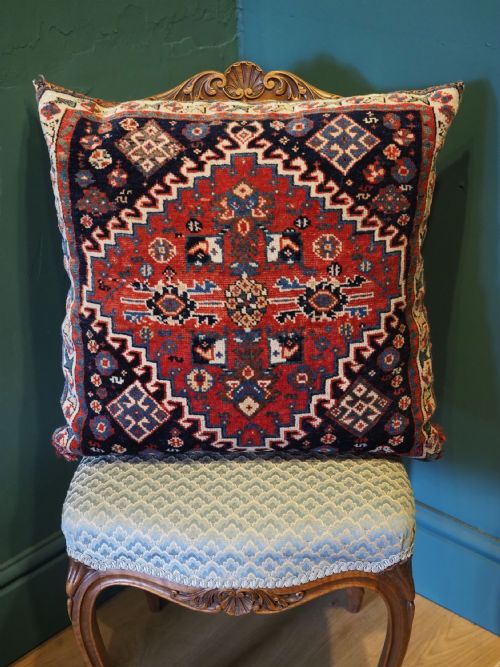
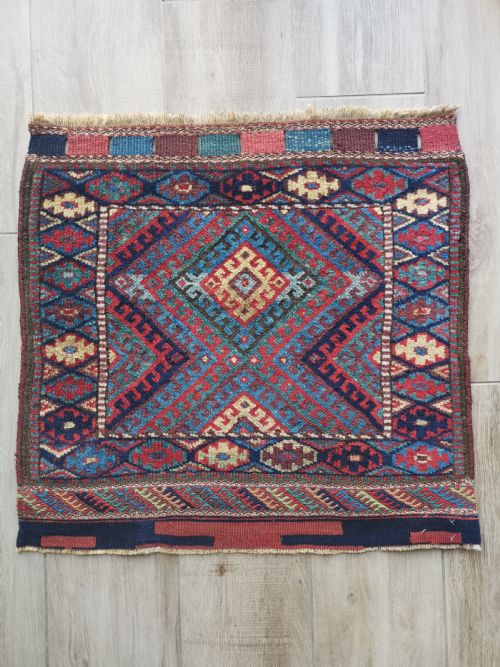
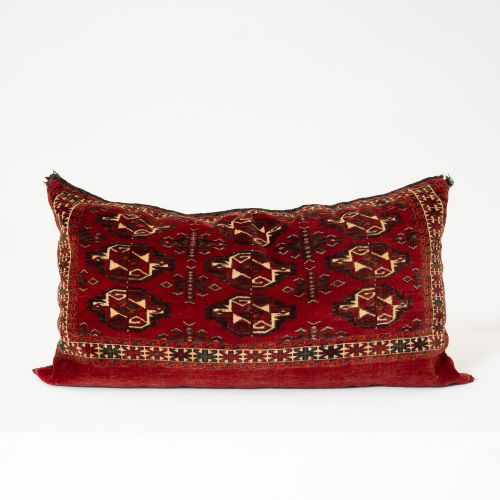
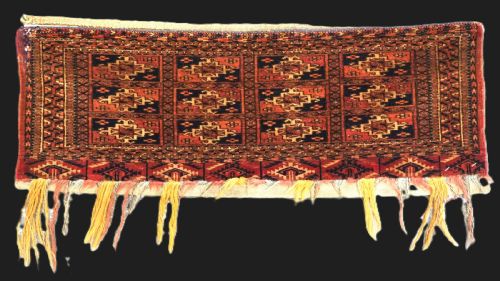
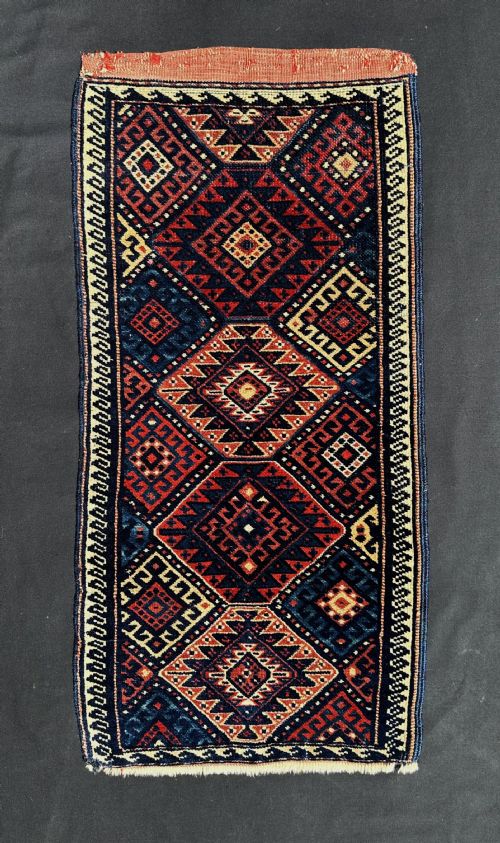
An antique nomadic cushion is typically created from repurposed tribal bags, such as saddlebags, storage sacks, and salt bags, which were originally woven by nomadic and village groups for practical camp use. These functional textiles are subsequently converted into cushions and pillows for domestic display.
The pieces seen on this page span the nineteenth and early twentieth centuries, originating from tribal confederations and regions across Persia, Central Asia, and the Caucasus. Common regional origins include Qashqai, Kurdish, Baluch, Shahsevan, and various Turkmen tribes such as the Tekke, Yomut, and Ersari.
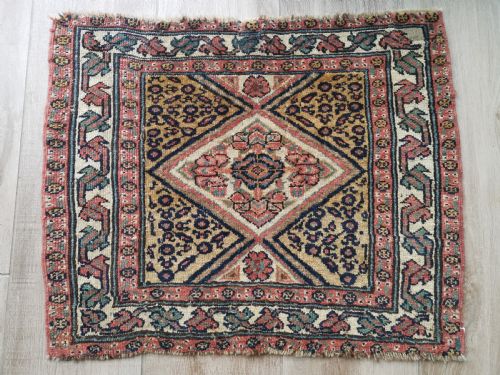
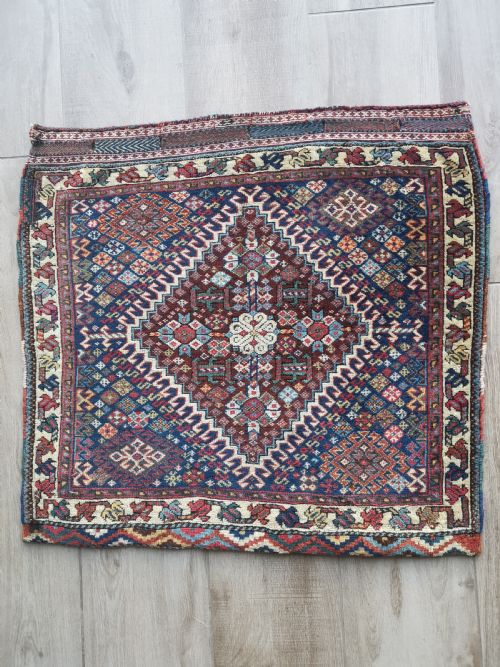
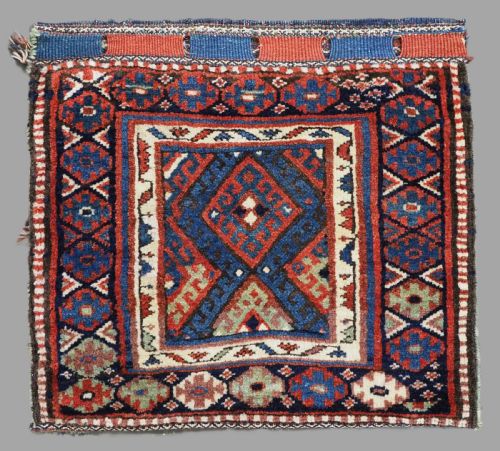
Buyers encounter different structural formats ranging from complete bags with their original plain weave backs to single bag faces and half-saddlebags that have been backed and stuffed. The resulting cushions display the distinct geometric and medallion patterns native to their weaving traditions.
Materials and construction methods
The primary material employed is hand-spun wool, often combined with cotton for foundations and supplementary goat hair for durability along the edges and sides of the utility bags. Natural dyes provide the palette, yielding deep madder reds, indigos, and earthy tones that age gracefully over decades.
Weaving techniques vary by tribe and function, encompassing pile knotting, flatwoven soumac work, and banded weft-faced plain weave structures. These dense textile constructions were originally designed to withstand the rigours of nomadic migration and animal transport.
Many of these cushions still bear the sturdy side cords once used to strap grain bags securely to the flanks of camels.
Quality factors in tribal cushions
Quality rests significantly in the fineness of the weave, the clarity of the tribal motifs, and the richness of the natural dye palette. Tightly knotted pile work and crisp structural execution separate standard utilitarian pieces from exceptional examples.
The preservation of original elements, such as complete backs, kilim skirts, tassels, and authentic side finishes, adds considerably to the integrity of the piece. The overall handle and suppleness of the wool also indicate the grade of materials selected by the original weaver.
The Antique Nomadic Cushion Glossary
- Bagface
- The decorative front panel of a nomadic storage bag or saddlebag, which is frequently utilised on its own for cushions.
- Chuval
- A large Turkmen storage bag traditionally used for bedding and household goods inside a yurt.
- Torba
- A smaller horizontal storage bag produced by Turkmen and other Central Asian tribes for hanging on tent walls.
- Soumac
- A wrapping technique that produces a durable, flat-faced textile with raised pattern details without using pile knots.
- Balisht
- A traditional tribal term for a pillow or small sleeping bag.
Antique Nomadic Cushion: Frequently Asked Questions
What is an antique nomadic cushion?
An antique nomadic cushion is a decorative home accessory made from authentic nineteenth or early twentieth-century tribal bags and saddlebag faces. These textiles were woven by nomadic groups for utilitarian storage before being converted into cushions.
They preserve traditional tribal patterns, hand-spun wool, and natural dyes from regions including Persia and Central Asia.
How were these tribal bags originally used?
Nomadic tribes utilised these woven bags for transporting possessions on animals, storing grain, and organising household goods inside tents. Different shapes served specific functions, such as saddlebags for travel and torbas for wall storage.
Over time, surviving fragments and complete bags are adapted into soft furnishings for contemporary interiors.
How do I care for an antique wool cushion?
Gentle care preserves the natural wool fibres and vegetable dyes of an antique textile. Vacuuming with care and professional specialist cleaning when necessary ensures the long life of the fabric.
Keeping the cushion away from direct, harsh sunlight prevents the natural dyes from fading over time.