



Antique Nocturnal Landscape
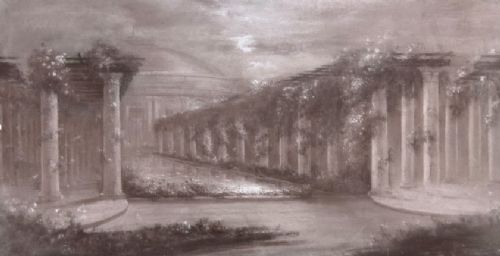
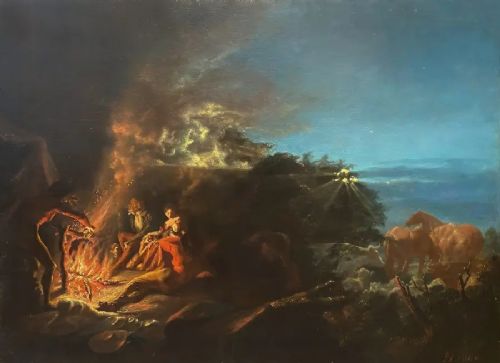
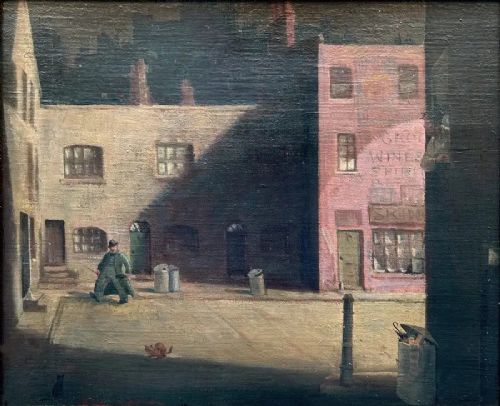
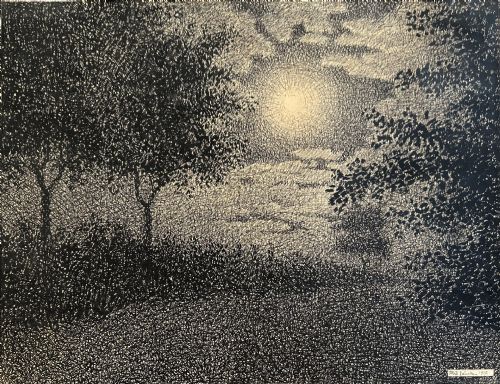
These antique nocturnal landscape works capture quiet evening scenes and moonlit vistas, drawing buyers with their atmospheric depth.
Antique Nocturnal Landscape
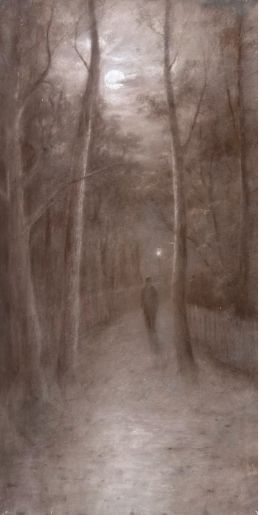
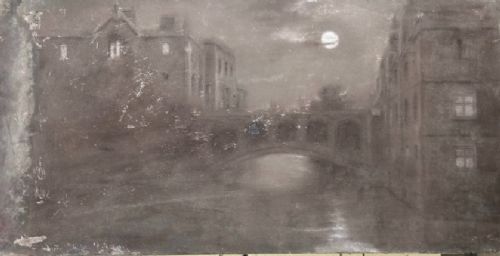
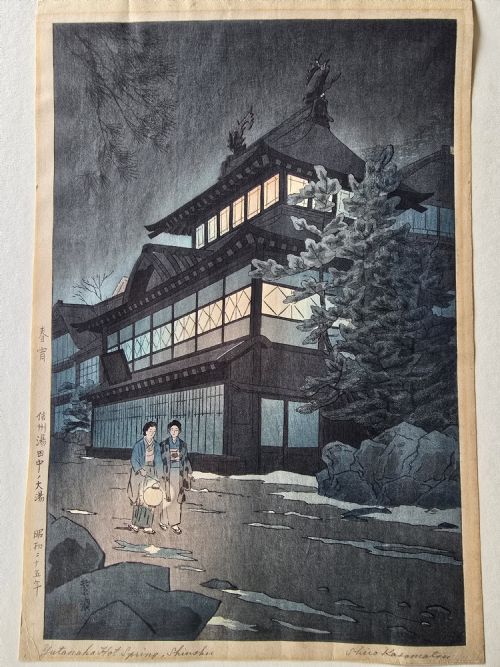
An antique nocturnal landscape brings together oil paintings, watercolours, and works on paper that focus on night scenes, moonlit streets, and dark coastal views. You will frequently encounter works from the Victorian era and the early twentieth century, including Tonalist interpretations and maritime impressions.
The subjects range from tranquil rural watermills and Highland lochs under moonlight to urban street scenes and coastal fishing paths. Artists captured these hours using restricted palettes of greys, deep blues, and warm amber glows from campfires or streetlamps.
Many of these pieces reflect the stylistic influences of notable painters such as John Atkinson Grimshaw and James McNeill Whistler. They offer a distinct departure from brightly lit daytime scenery, focusing instead on the quiet mood of dusk and night.
Materials and methods
Artists primarily used oil paint on canvas or wooden panels, building up rich layers of pigment to describe the heavy shadows of night. Watercolours and charcoal on paper also appear frequently, allowing for quick, expressive studies of fading light and dusk.
Gilt frames frequently accompany these works, enhancing the contrast between dark nocturnal palettes and metallic borders. Draftsmanship relies heavily on tonal gradation, where artists manipulated light sources like the moon or distant lanterns to create focal points within otherwise dark compositions.
Several artists clearly lingered on damp footpaths past dark, transcribing misty moonlight with soot and charcoal.
Distinguishing quality in night scenes
Quality rests in the artist's ability to handle low-light conditions without losing definition in the shadows. Superior pieces manage the delicate balance between deep darkness and the subtle reflection of moonlight on water or stone.
The handling of atmosphere determines the strength of the work, distinguishing routine topographical records from evocative artistic interpretations. Stronger examples show confident brushwork or precise charcoal lines that retain their vigour despite the sombre palette.
Albert Bierstadt·Francisco Sancha·William Manners·James Bell Anderson·Walter Meegan·William Samuel Horton·George Cole·Owen Bowen·Hubert Thornley·Henri Joseph Harpignies·Henry Boddington
The Antique Nocturnal Landscape Glossary
- Tonalism
- An artistic style that emerged in the late nineteenth century where mood and shadow took precedence over crisp outlines. Paintings in this manner often use a muted, dark palette.
- Gouache
- An opaque water-based paint that provides solid areas of colour and highlights. It is frequently combined with watercolour or pastel in works on paper.
- Impressionism
- A style focused on capturing the visual impression of a moment, paying attention to shifting light effects. In nocturnal works, this translates to broken brushstrokes depicting moonlight.
- Works on paper
- A collective term for drawings, watercolours, pastels, and charcoal sketches executed on paper supports. These pieces are sensitive to light and require careful framing under glass.
Antique Nocturnal Landscape: Frequently Asked Questions
What defines an antique nocturnal landscape?
These works depict scenes set after sunset, focusing on moonlight, streetlamps, or firelight.
They rely on dark palettes and atmospheric effects rather than bright daylight illumination.
How should I care for oil paintings on canvas?
Keep them away from direct sunlight and steady humidity levels to protect both the canvas and the oil paint.
Dust the surface gently with a soft, dry brush and avoid using liquid cleaners.
Where were these nocturnal scenes usually painted?
Subjects range from British coastal paths and Scottish lochs to French towns and urban streets.
Artists often painted en plein air or worked from detailed charcoal sketches made on site.
How do I identify a Tonalist influence?
Tonalist works feature an overall shadowiness with a dominant single hue or soft atmospheric haze.
Details are deliberately obscured to enhance the mood and emotional resonance of the night scene.