

Antique Nightstand Mahogany
These antique nightstand mahogany pieces are solid timber bedside companions offering timeless utility for period bedrooms.
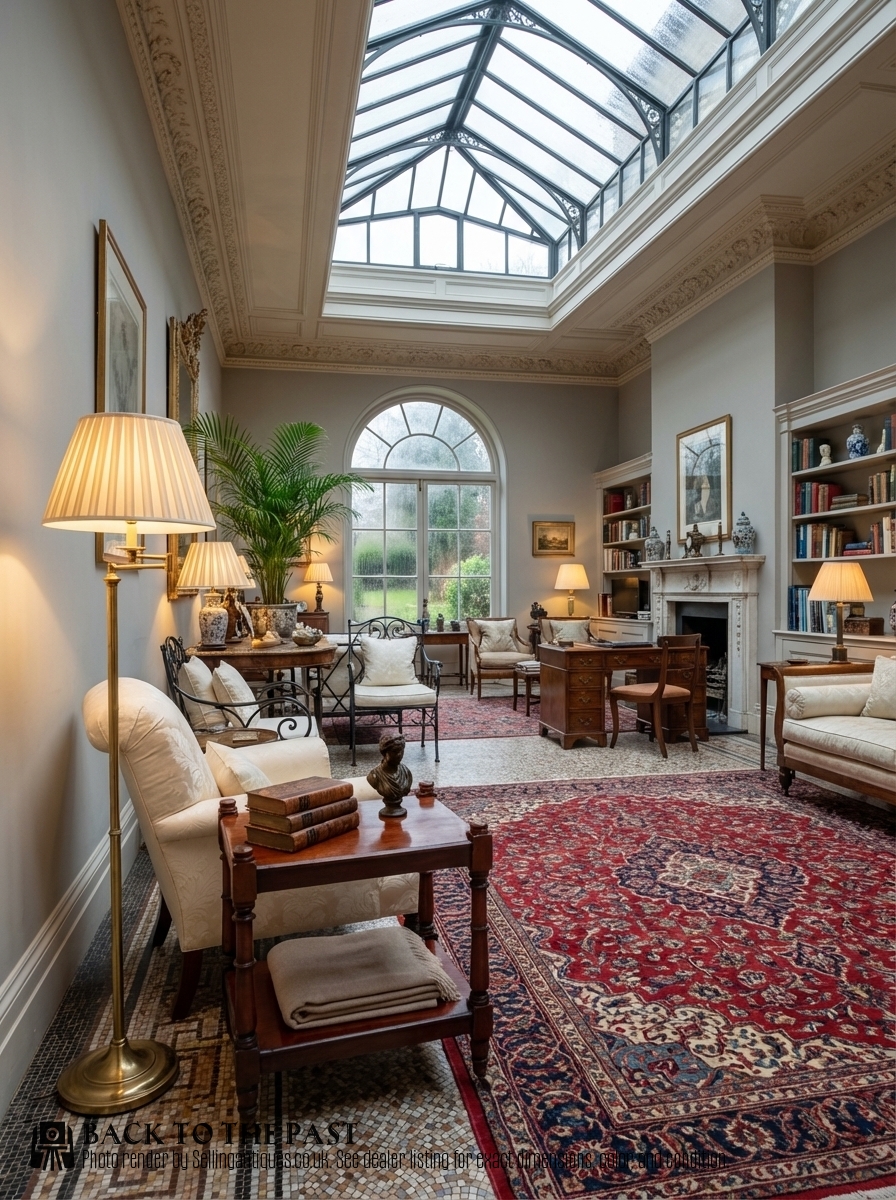
Antique Nightstand Mahogany
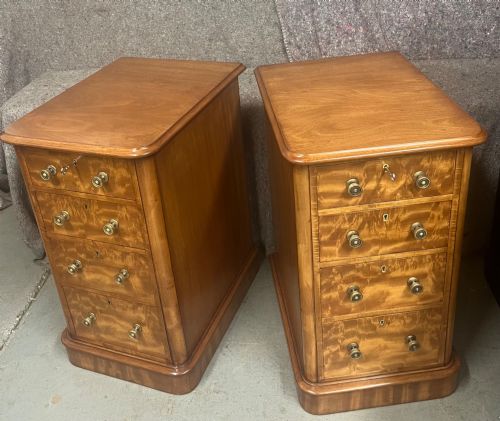
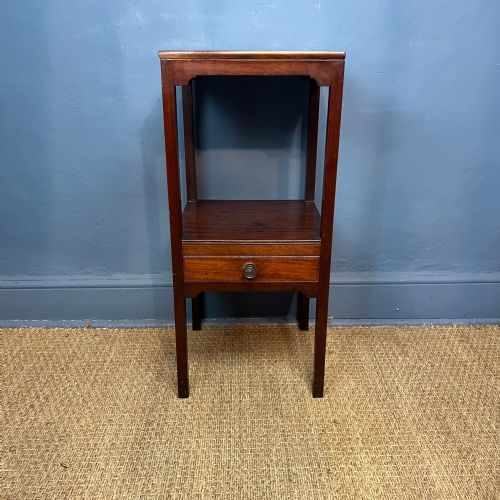
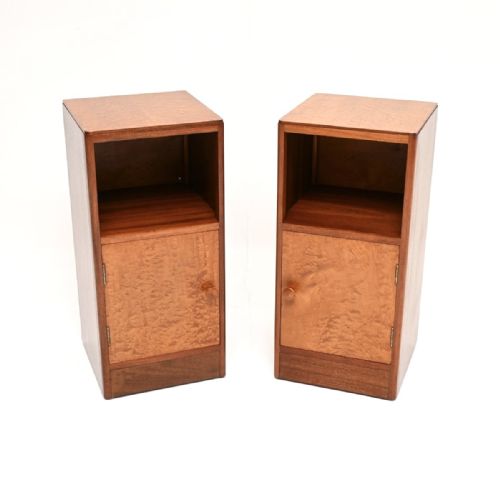
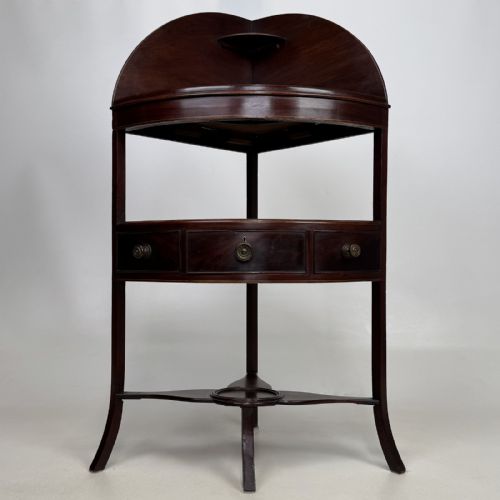
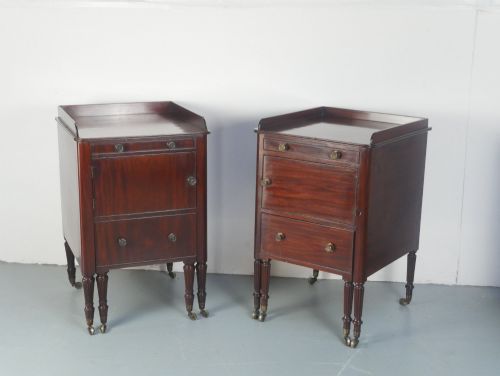
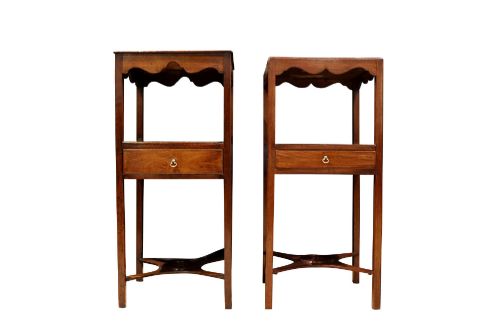
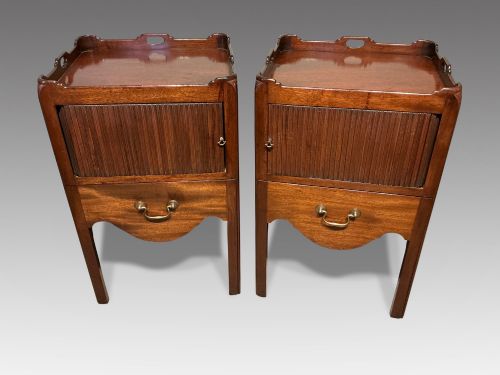
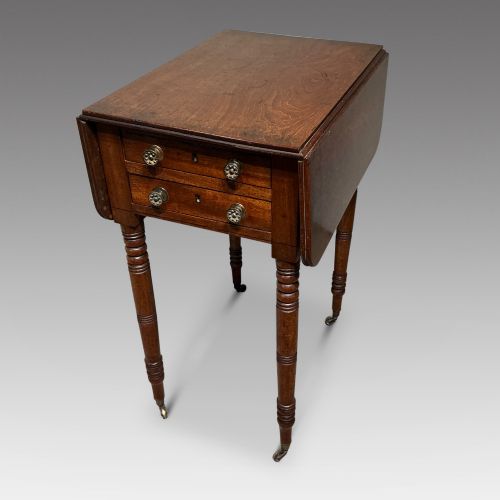
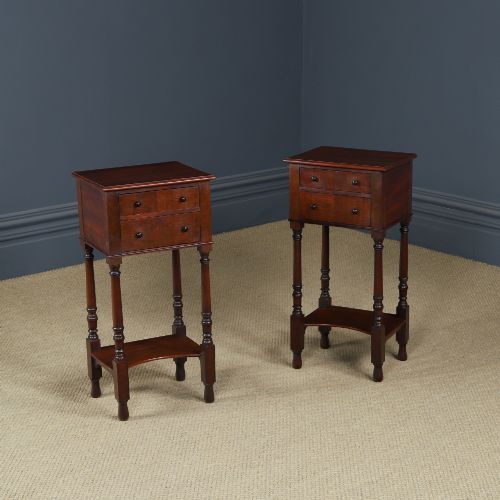
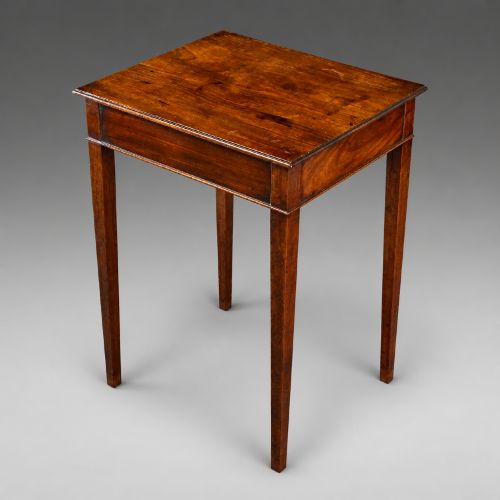
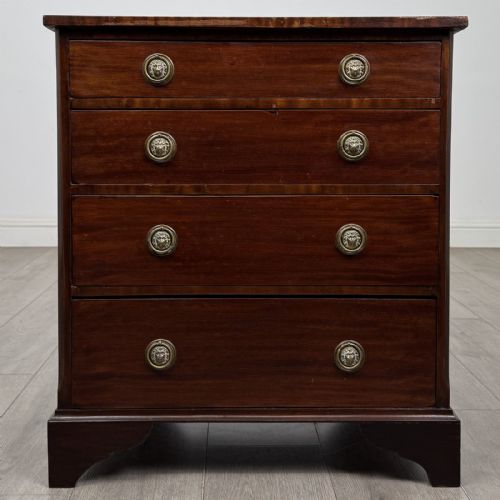
An antique nightstand mahogany piece encompasses various functional bedside forms such as bedside cupboards, cabinets, tray tops, and side tables. Buyers seeking this phrase encounter practical furniture designed to hold chamber items or lamps beside a bed.
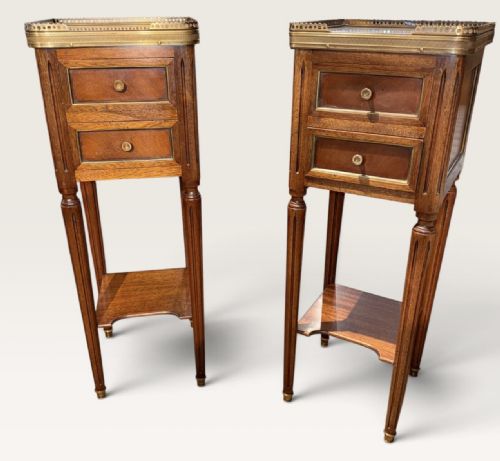
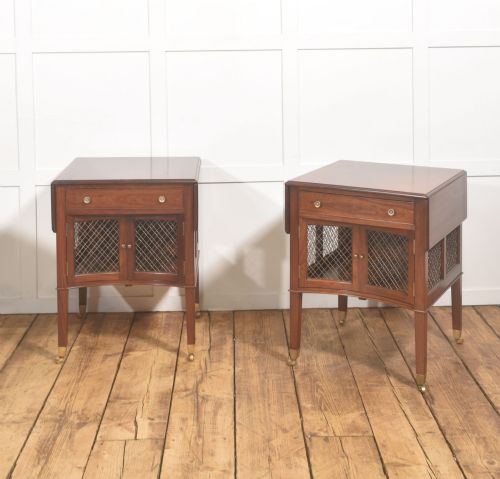
The selections span distinct historical eras, ranging from Georgian and Regency models to Victorian examples and later iterations from around nineteen hundred. Surviving pieces frequently present as single items or matching pairs.
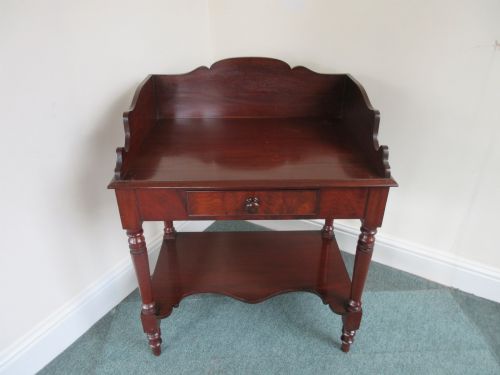
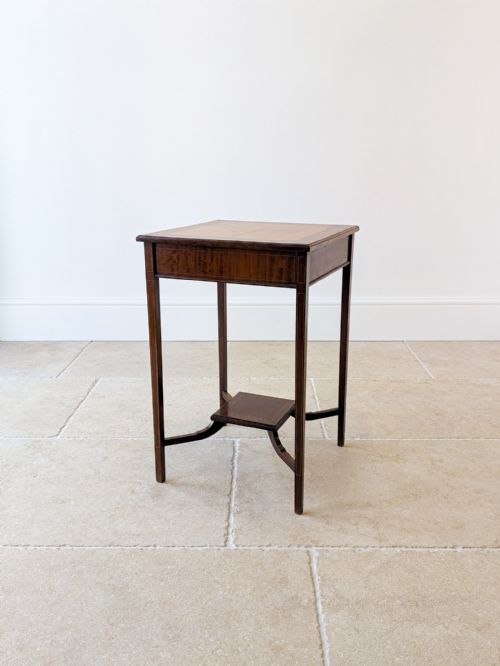
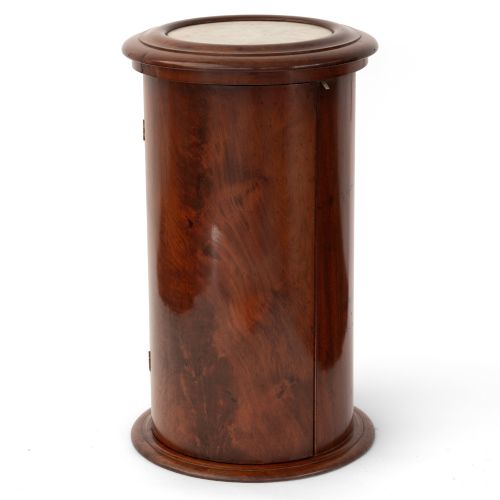
Forms vary from simple side tables with drawers to enclosed pedestal cupboards and washstands equipped with pull-out steps or upper galleries. Timber figures and proportions differ according to the specific decade of production.
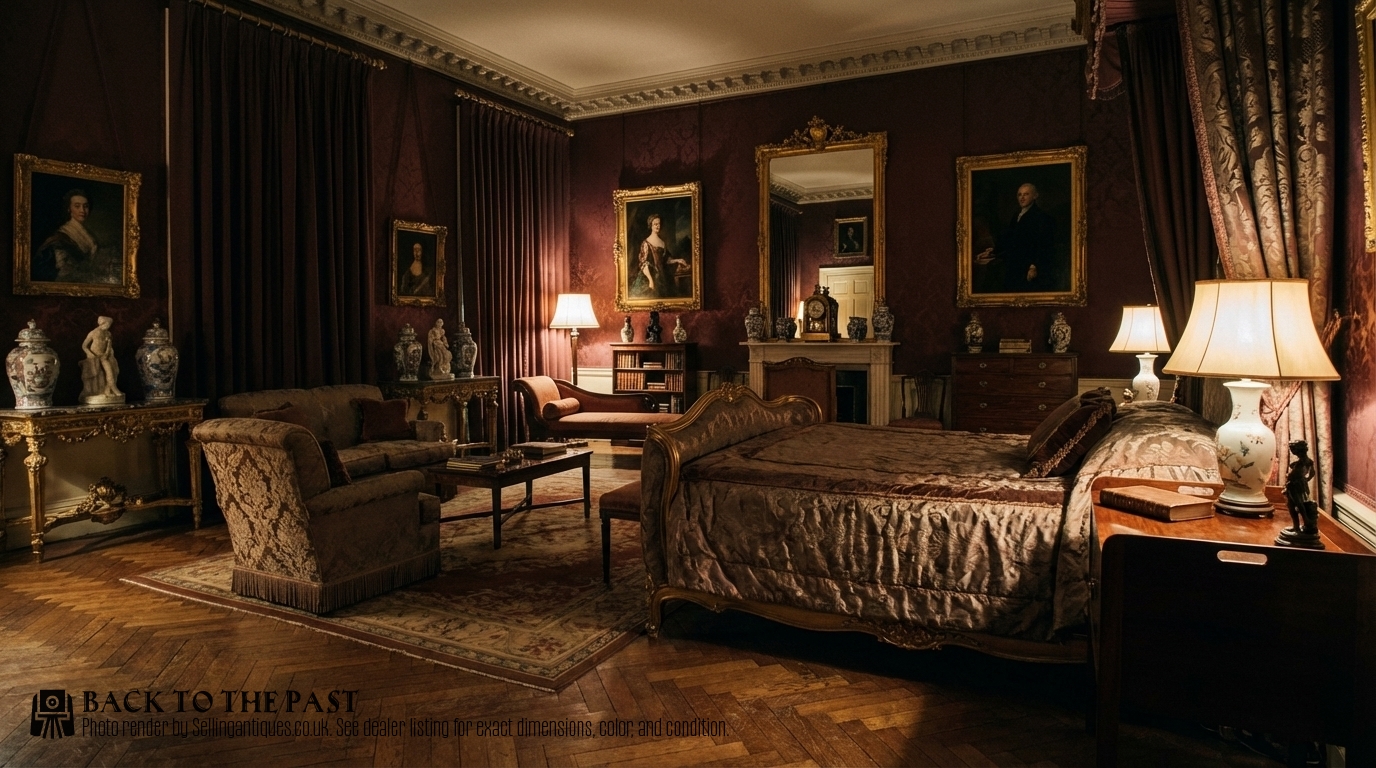
Materials and construction
Cabinet makers utilised dense timber, predominantly mahogany, sometimes selecting figured or flame veneers to accentuate the natural grain of the wood. Brass fittings, glass components, ceramic elements, and occasional fabric linings appear across the inventory.
Joinery techniques involve traditional cabinet construction methods, creating sturdy frames for enclosed cupboards, open side tables, and multi-tier tray top surfaces. Timber surfaces received polished finishes that highlight the deep red-brown tones of the mahogany.
Antique Nightstand Mahogany Retail Price Guide 2026
Typical asking prices for nightstand mahogany among the pieces listed under this phrase on Sellingantiques today, from the lower quarter to the upper quarter. They describe what is for sale here now, not the wider market.
Certain Regency bedside cabinets include a secret pull-out step, designed to assist with mounting a lofty four-poster bed on cold mornings.
Factors of distinction
Quality rests upon the selection of timber figures, where rich flame mahogany veneers and dense solid boards elevate a piece above standard utility items. Refined proportions and crisply executed mouldings demonstrate superior workshop standards.
The integration of functional elements, such as pull-out steps, enclosed cupboard doors, and fitted drawer interiors, marks the distinction between basic bedside tables and more ambitious cabinet work.
The Antique Nightstand Mahogany Glossary
- Mahogany
- A durable tropical hardwood prized for its deep reddish-brown colour and stability in furniture construction. Cabinet makers relied upon it extensively for fine English and continental case pieces.
- Tray top
- A raised gallery edge surrounding the upper surface of a small table or nightstand. This feature prevented small items from rolling off the bedside surface.
- Pedestal cupboard
- An enclosed cabinet structure supported on a single column or plinth base. These pieces provided concealed storage within a compact footprint.
- Pot cupboard
- A dedicated bedside cabinet designed originally to house a chamber pot. They typically feature an enclosed door and sometimes an internal shelf or ventilation aperture.
- Figured wood
- Timber displaying distinctive natural grain patterns such as flame or curl. Artisans positioned these veneers carefully to create decorative symmetry on cabinet fronts.
Antique Nightstand Mahogany: Frequently Asked Questions
What is the difference between a nightstand and a bedside cupboard?
A nightstand generally refers to an open side table or simple surface placed beside a bed for lamps and books. A bedside cupboard provides enclosed storage behind a door, often hiding shelves or a compartment.
Both forms served similar domestic functions in period bedrooms, though cupboards offered more privacy for personal items.
How do I identify a Georgian nightstand?
Georgian pieces display restrained classical proportions, often featuring straight legs, understated mouldings, and solid mahogany construction dating from the eighteenth or early nineteenth century.
They frequently incorporate tray tops or subtle brass pull handles rather than the heavier carving associated with later Victorian furniture.
Are these pieces usually found as pairs?
While many historic bedside tables were built singly, matching pairs do appear frequently in nineteenth-century and twentieth-century production. Pairs command particular interest for symmetrical bedroom layouts.
Single items remain common, reflecting the historical practice of using one bedside table or combining mismatched pieces.
How should I care for mahogany bedside furniture?
Protect the polished timber surface from moisture by using coasters under glasses and wiping spills promptly. Regular dusting with a soft cloth maintains the natural lustre of the mahogany.
Avoid placing antique timber in direct sunlight or near heat sources to prevent the wood from drying out or splitting.