

Antique Neoclassical Table
An antique neoclassical table brings structural balance and classical ornament into a room through carved timber, marble and gilt bronze.
Antique Neoclassical Table
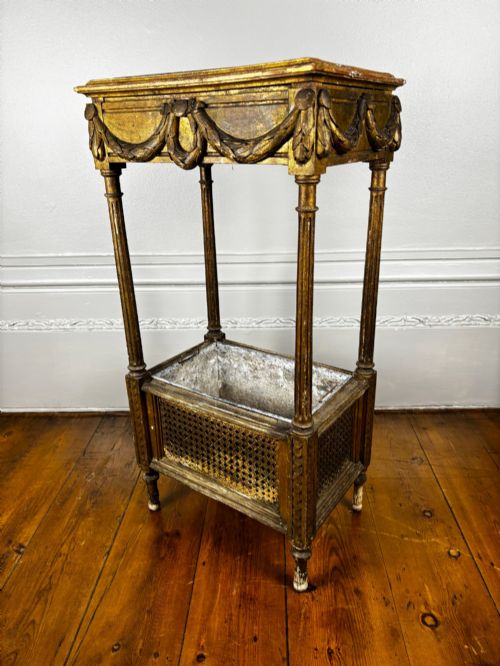
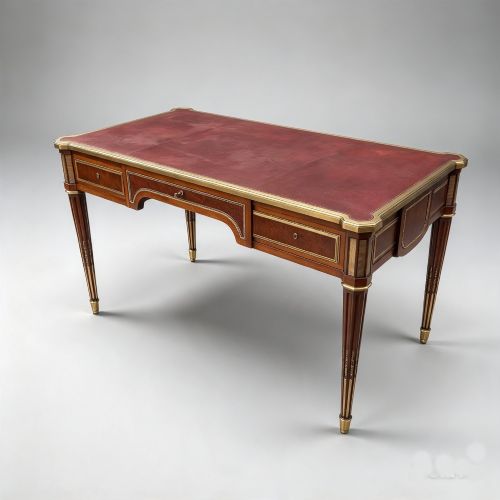
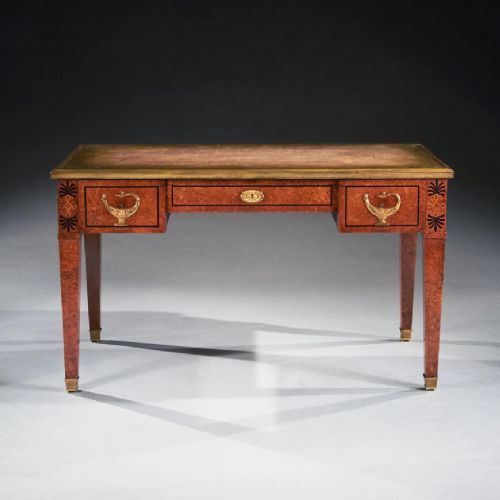
An antique neoclassical table encompasses console tables, coffee tables and side tables shaped by the design principles of the eighteenth and nineteenth centuries. These pieces draw upon Louis XVI, French Empire and Regency aesthetics, carrying geometric lines and classical proportions.
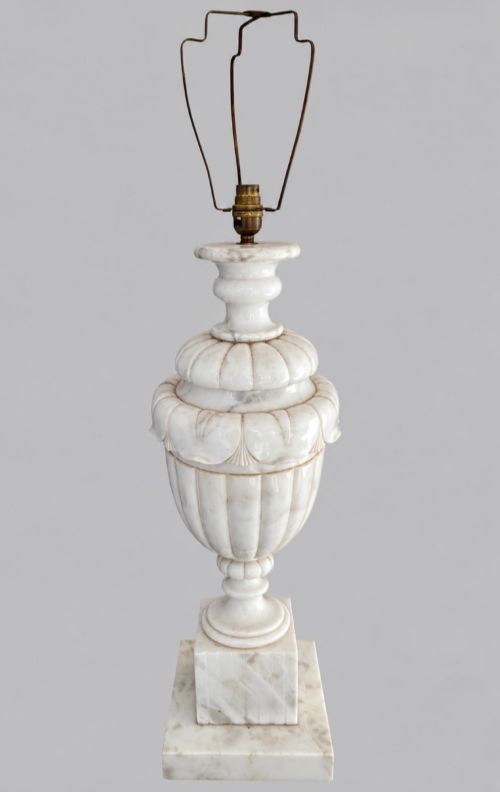
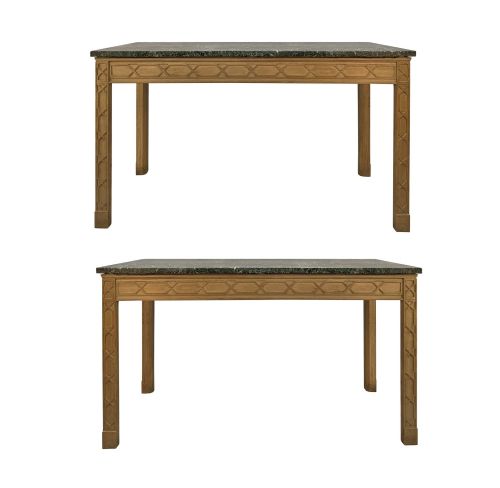
Console tables with marble tops and carved giltwood or mahogany frames appear frequently alongside low coffee tables adapted from earlier forms. Makers of these pieces utilised architectural motifs such as columns, pilasters and urns to echo antiquity.
Dating ranges from the eighteenth century through the nineteenth century and into the early twentieth-century revivals. Buyers encounter French and Italian examples alongside British mahogany pieces, each reflecting the enduring influence of classical antiquity on domestic furniture.
Judgements of quality
Quality rests in the crispness of the carving and the weight of the cast metal mounts. Finely chiselled ormolu and deeply carved giltwood display sharp detail that weaker recast or mechanically shaped examples lack.
The integrity of the marble top and the seasoning of the underlying timber structure dictate the durability of the piece. Superior examples maintain tight joints and unblemished stone surfaces that reflect the competence of the original workshop.
Antique Neoclassical Table Retail Price Guide 2026
Typical asking prices for neoclassical table among the pieces listed under this phrase on Sellingantiques today, from the lower quarter to the upper quarter. They describe what is for sale here now, not the wider market.
Listings feature mahogany and carved pine timbers paired with marble tops, gilt bronze and ormolu mounts across the nineteenth and twentieth centuries.
Felix Alfred Ternisien·Japy Freres·Charles a Orleans·Elkington and Co·Mappin and Webb
The Antique Neoclassical Table Glossary
- Ormolu
- Gilded bronze used for decorative mounts on furniture and clocks. This technique involves applying a mercury and gold amalgam to bronze before firing.
- Console table
- A table designed to stand against a wall, frequently supported by brackets or console legs. These tables often feature marble tops.
- Marquetry
- The art of applying pieces of veneer to a structure to form decorative patterns. Craftsmen select different wood grains and tones to create pictorial designs.
- Demi lune
- Half-moon shape characteristic of certain console and side tables. This profile allows the furniture to sit flush against a wall.
- Giltwood
- Wood that has been treated with gold leaf or gesso and gold paint. This finish provides a brilliant metallic sheen to carved mouldings.
Antique Neoclassical Table: Frequently Asked Questions
Where should I place an antique neoclassical table?
Console tables fit well in hallways or against living room walls beneath a mirror or painting. Smaller occasional and coffee tables suit central positions where their marble tops and gilt mounts remain visible from all angles.
Ensure the piece stands away from direct heat sources to protect timber frames and nineteenth-century polishes. A stable floor surface prevents stress on stone tops and pegged joints.
How do I clean marble and gilt bronze?
Dust marble surfaces regularly with a soft, dry cloth and avoid acidic cleaning agents that etch the stone. Gilt bronze mounts require gentle dusting without metal polishes that strip the gilding.
Professional restoration is advisable if structural repairs become necessary or if the gilding shows significant wear. Routine care preserves the original patination accumulated over the centuries.
How do I distinguish eighteenth-century pieces from later revivals?
Eighteenth-century examples display hand-cut joinery and timber movement appropriate to their age. Revivals from the nineteenth and twentieth centuries often utilise machine-sawn elements and different secondary woods.
Examine the construction methods beneath the marble top and behind the apron. Tool marks and fastener types reveal the period of manufacture.
What defines neoclassical design?
Neoclassical design draws inspiration from the art and architecture of classical Greece and Rome. It relies on symmetry, straight lines and restrained ornamentation rather than the curves of earlier baroque styles.
Motifs include acanthus leaves, fluted columns, urns and floral garlands. These elements appear carved into wood or cast in metal across tables, clocks and lighting.