




Antique Nautical Art
Antique nautical art captures centuries of seafaring life through oil paintings, waterworks, and detailed maritime scenes.
Antique Nautical Art
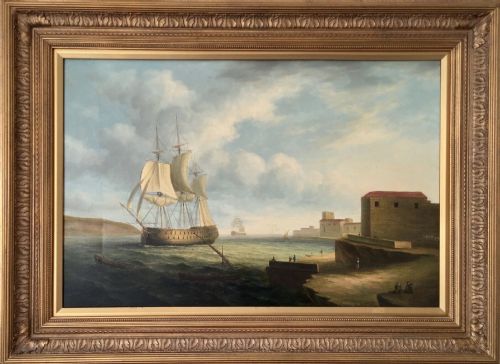
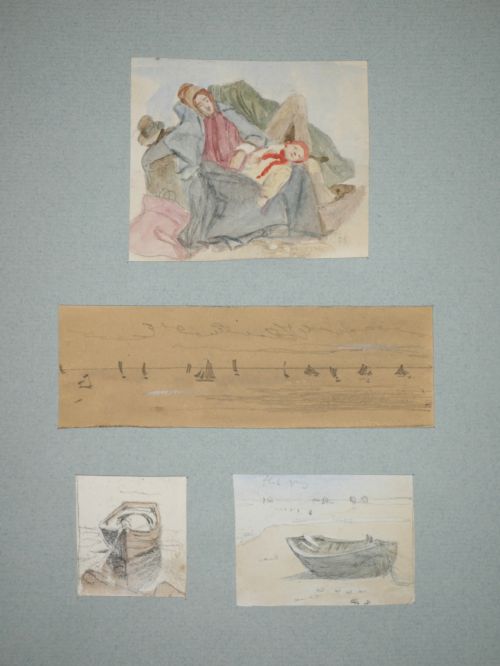
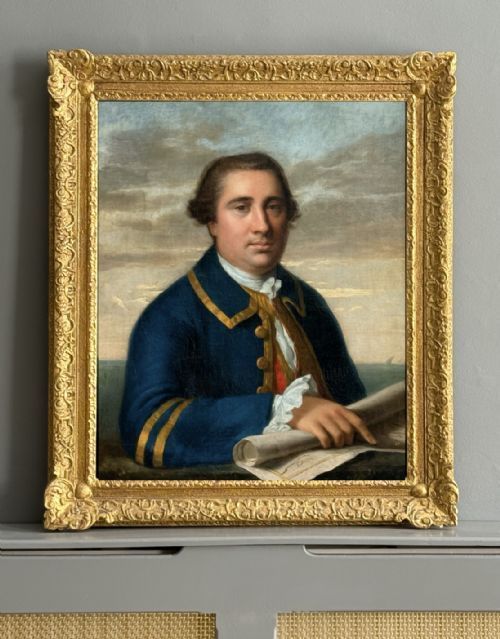
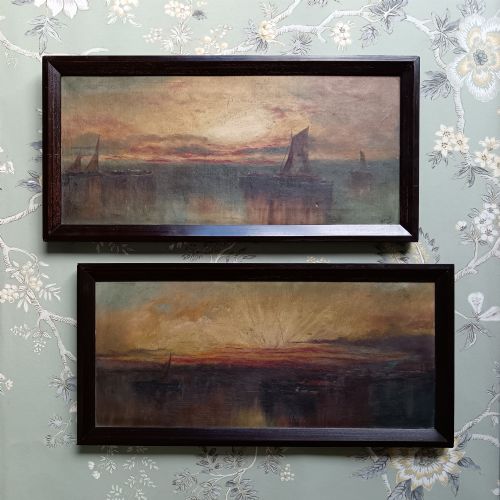
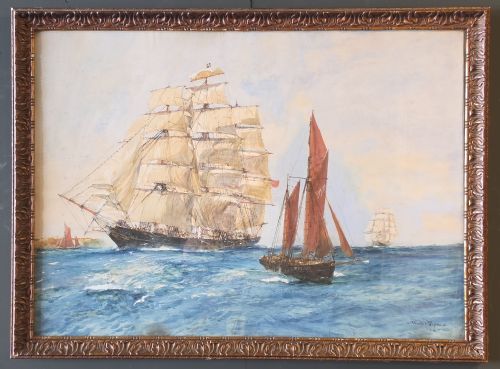
Antique nautical art encompasses maritime paintings, watercolours, and works on paper recording vessels, coastal views, and naval history. These pieces span from earlier centuries into the Edwardian and Art Deco periods, capturing merchant ships, warships, and fishing boats in various waters.
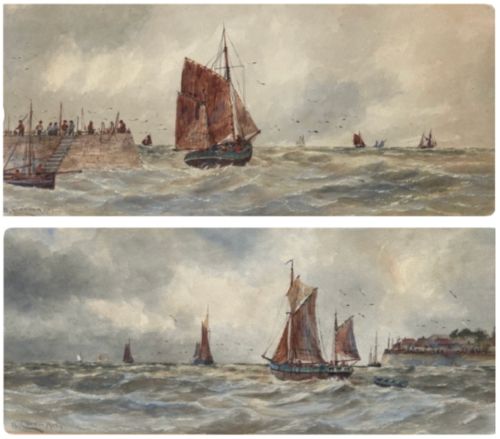
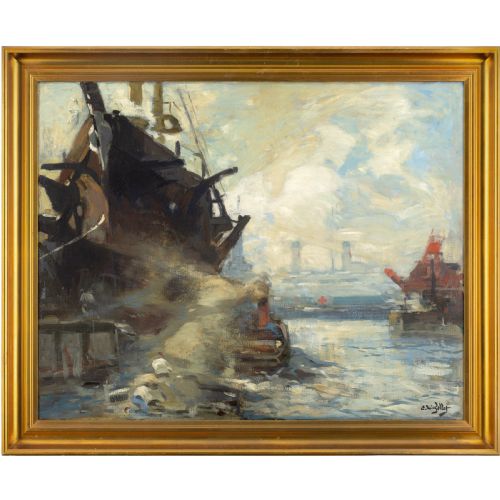
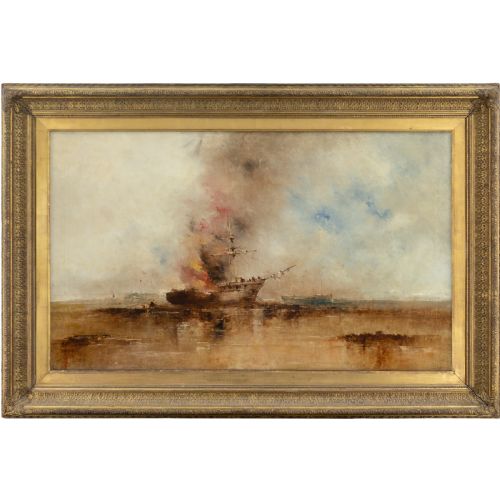
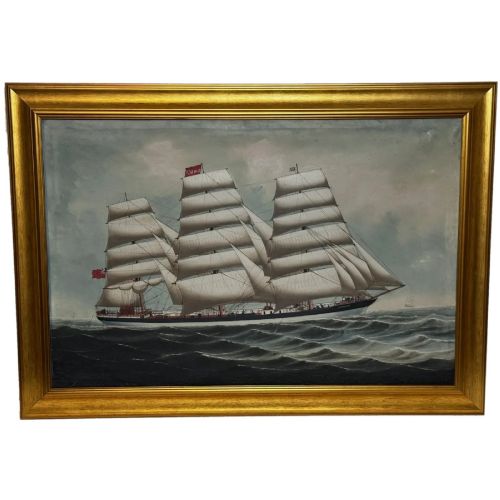
Oil paintings and framed watercolours dominate the selection, often signed by listed artists or attributed to specific British and European maritime schools. Buyers frequently encounter nineteenth-century canvases and early twentieth-century depictions of harbours, storms, and calm seas.
Materials and construction
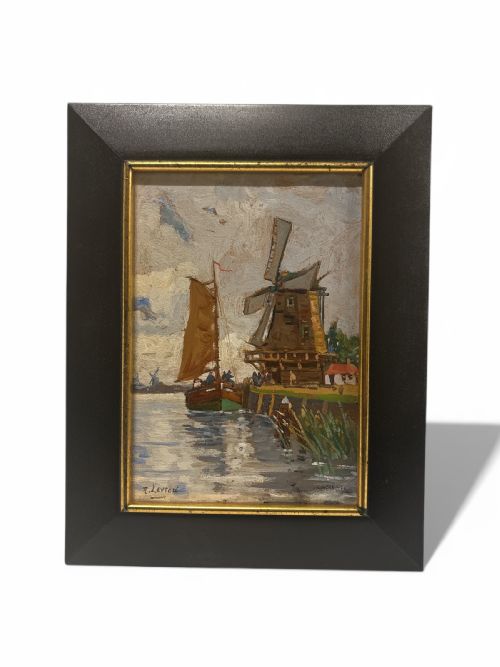
Artists relied primarily on oil paint on canvas or panel, and watercolour on paper, capturing light on water and vessel rigging with precise brushwork. Gilt frames frequently accompany these works, complementing the maritime subject matter.
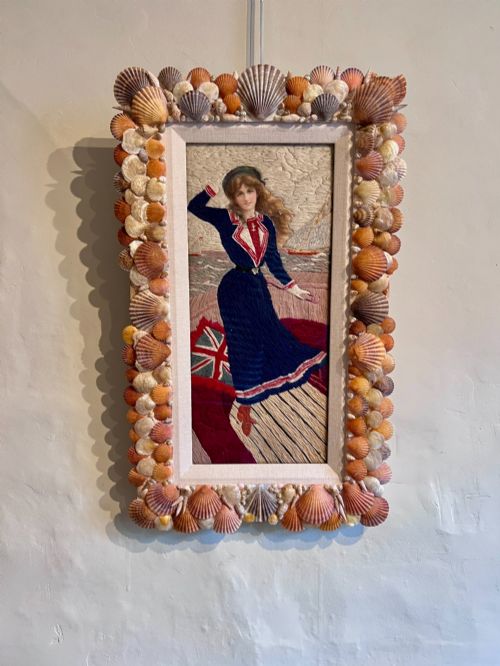
Alternative items incorporate wood, glass, and carved bone, alongside printed paper such as railway posters and gouache on board. Woolwork textiles and silver dishes also appear within the broader scope of maritime pieces.
Listings feature works across the nineteenth and twentieth centuries, utilising oil, watercolour, gouache, and wood.
Assessing quality
Quality rests in the precision of the maritime draughtsmanship, particularly the accurate depiction of rigging, hull structure, and water movement under shifting light. Superior examples convey atmospheric depth and historical accuracy without rigid stiffness.
The integration of artist signatures, original period framing, and documented provenance elevate specific pieces above standard decorative works. Condition of the canvas or paper surface directly influences the preservation of fine maritime details.
James Hardy·James Orrock·William Cannon·R Leyton·James Smetham·Eugène-Louis Gillot·William McAlpine·Reginald Arthur Borstel·Lemuel Francis Abbott·B. Nash·Charles Edward Dixon·John E. Aitken·James Kay·William Broome·Bernard Gribble·William Lionel Wyllie·Bonaventura Peeters·Frank William Scarbrough·F. Corpuz·Willem Bos·Wallace·TB Hardy·John Wilson Carmichael·William Henry Williamson
The Antique Nautical Art Glossary
- Seascape
- A work of art depicting the sea, ships, or coastal views. These scenes range from calm harbour anchorages to turbulent open-water gales.
- Gouache
- An opaque watercolour medium used by artists for solid areas of colour and sharp detail. It produces vibrant tones on paper or board supports.
- Etching
- A printmaking process where lines are bitten into a metal plate with acid before printing onto paper. Signed artist proofs represent notable examples.
- Diorama
- A three-dimensional scenic representation housed within a case or bottle. Folk art examples often feature detailed model sailing ships.
Antique Nautical Art: Frequently Asked Questions
What subjects appear in nautical art?
These works depict sailing warships, merchant steamers, fishing boats, and dramatic coastal rescues across changing weather conditions.
Artists frequently recorded specific harbours, naval engagements, and daily maritime commerce from the nineteenth and early twentieth centuries.
How do I date a maritime painting?
Dating relies on vessel types, rigging styles, artist signatures, and framing materials recorded across the pieces. Naval architecture evolved rapidly between the age of sail and the steamship era.
Examine inscriptions on the reverse of canvases or panels for contemporary notes left by the artist or early owners.
Where should I hang maritime art?
Display oil paintings and watercolours away from direct sunlight to protect pigments on paper and canvas from fading. Balanced ambient lighting enhances the fine details of rigging and sea spray.
Ensure period gilt frames are securely hung using appropriate wall fixings suited to their weight.
What is a woolie?
A woolie is a traditional sailor's woolwork embroidery depicting British ships, often created by seamen during long voyages at sea.
These textile pieces combine coloured wool threads to render detailed maritime flags, hulls, and coastal backdrops.