
Antique Narrow Cupboard
An antique narrow cupboard serves as a compact storage solution for tight spaces, combining period craftsmanship with practical proportions.
Antique Narrow Cupboard
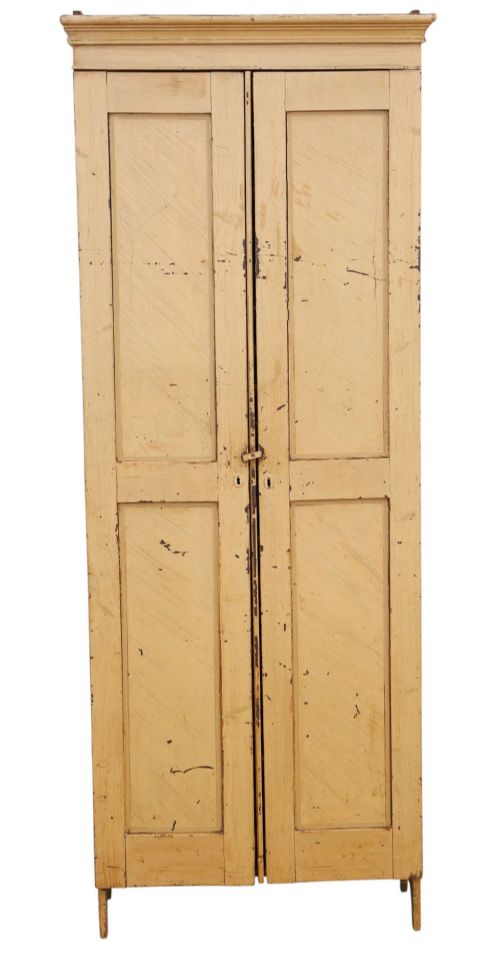
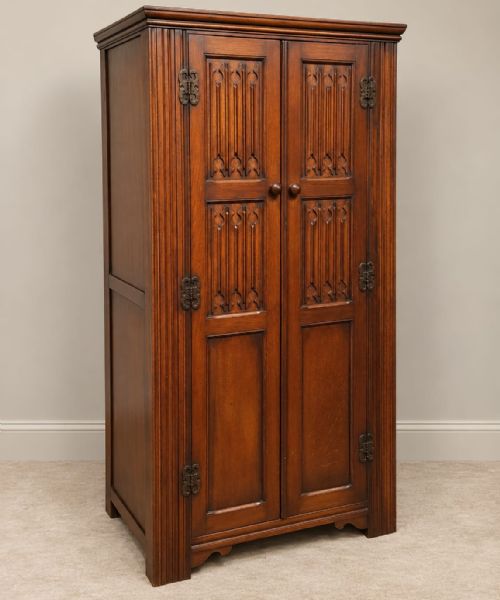
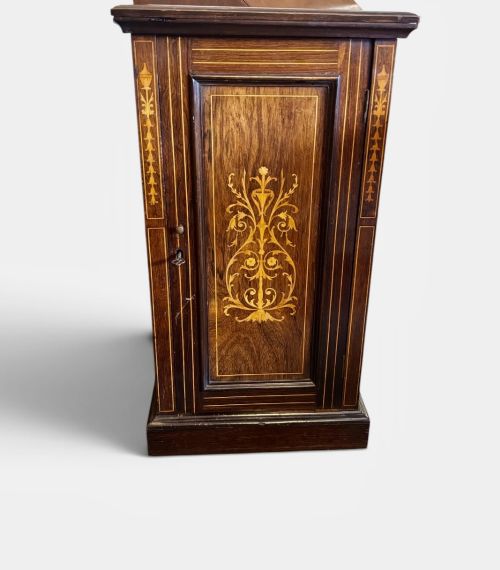
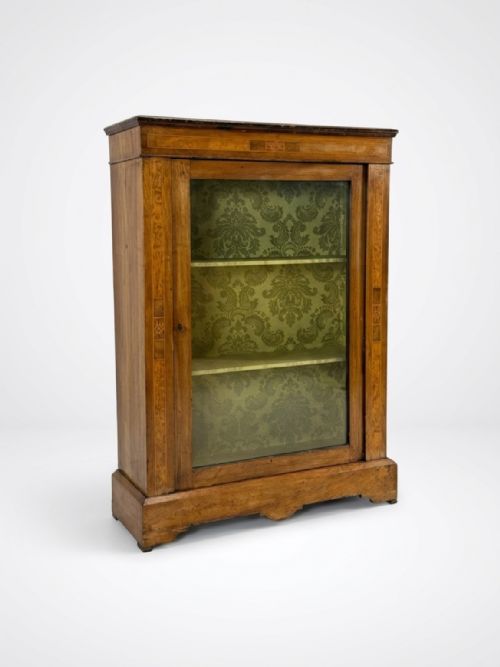
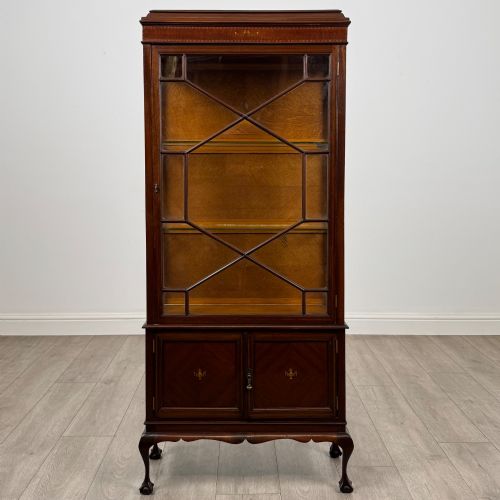
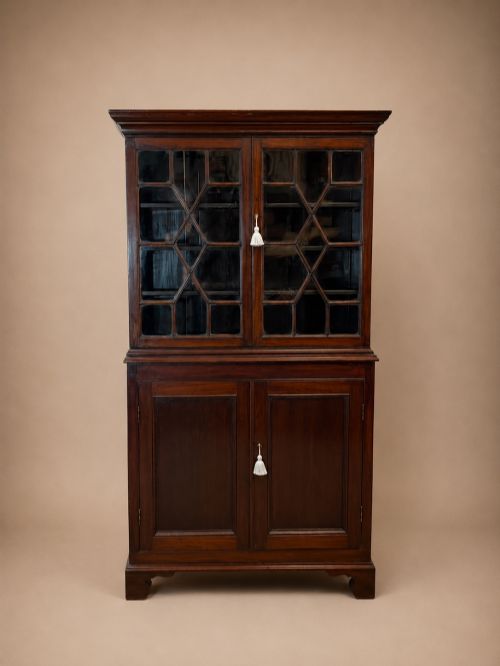
An antique narrow cupboard comprises a diverse group of space-saving vertical storage pieces designed for domestic interiors. These include bedside cabinets, slim bookcases, pier cabinets, and tall housekeepers cupboards spanning the Victorian, Edwardian, and earlier periods.
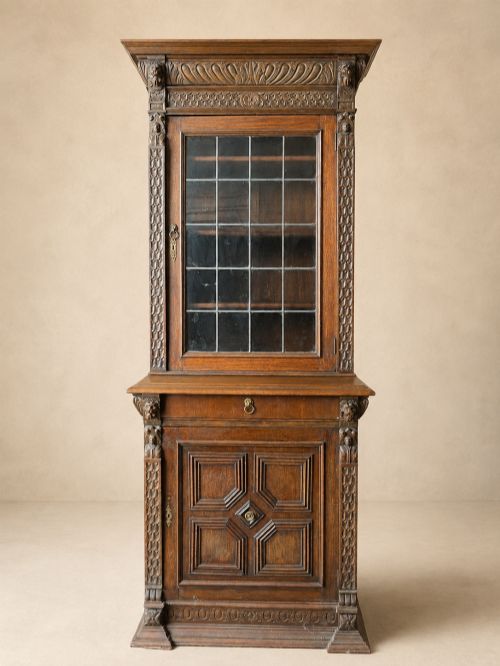
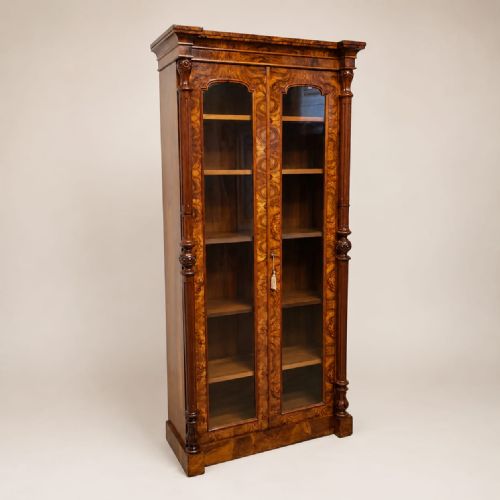
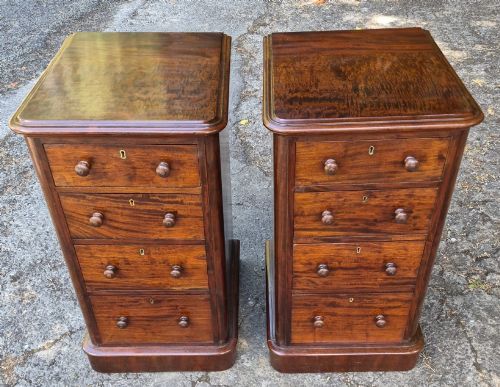
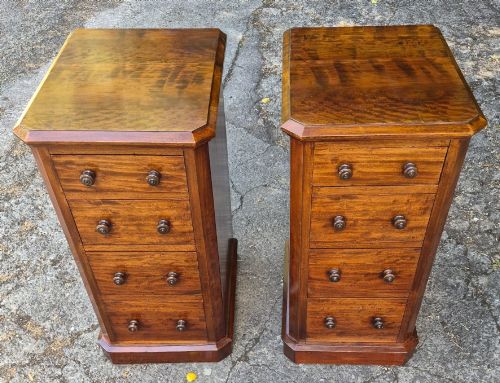
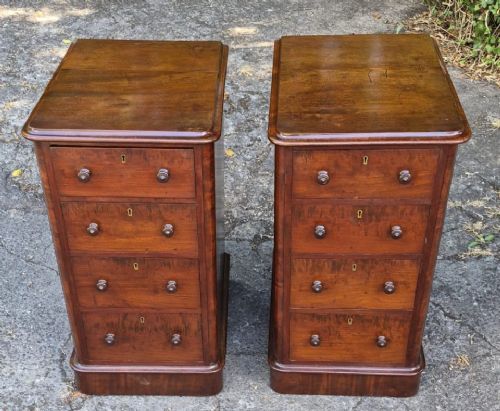
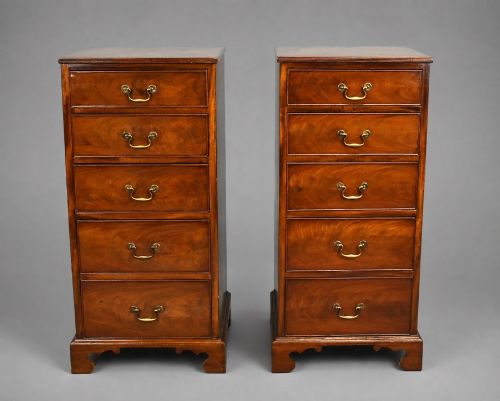
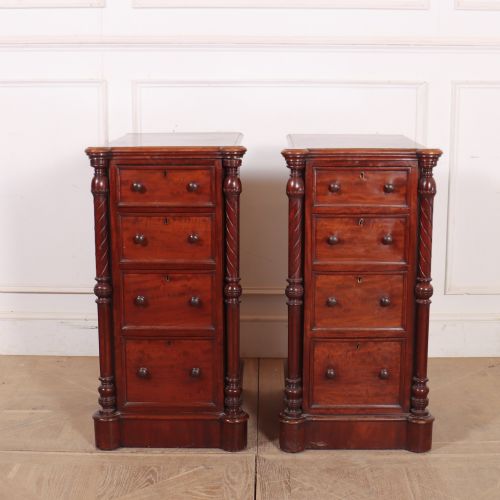
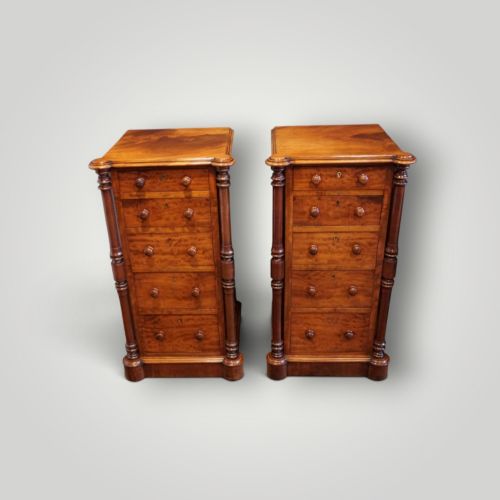
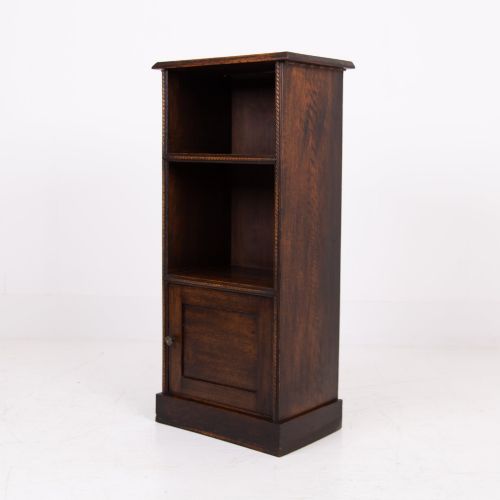
The versions most commonly met on this page are mahogany and pine bedside chests alongside oak and walnut glazed bookcases. These items reflect the domestic need for functional storage in limited footprints across the nineteenth and early twentieth centuries.
How they were made
Cabinetmakers built these pieces using solid timbers such as mahogany, oak, pine, and walnut, often applying veneers of burr walnut, rosewood, or satinwood to visible surfaces. Construction relied on traditional joinery methods tailored to the compact dimensions of tall and slender frames.
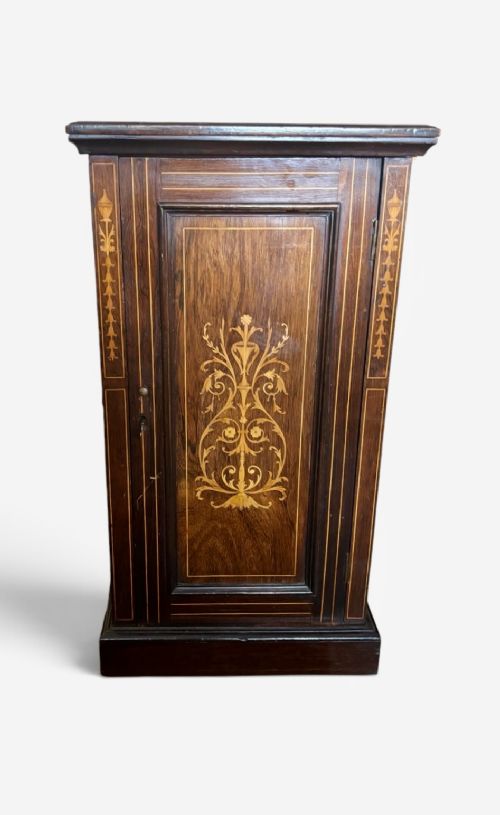
Surface decoration frequently involved fine carving, brass hardware, and intricate inlay work using contrasting woods like satinwood. Glazed doors incorporate glass panels, while painted finishes appear on kitchen and housekeeper variants.
Several diminutive spice cabinets survive from the Georgian era, proving that miniature storage demands are nothing new.
What varies in quality
The standard of timber selection and veneer matching dictates the visual impact of each piece. Superior examples utilise finely figured burr walnut, rosewood, or satinwood with harmonious grain patterns across the entire elevation.
Execution of detail defines the maker's skill, from crisp hand-carving and precise inlay to the integration of original brass fittings and glazed panels. Proportion and structural integrity within a restricted footprint remain central to the success of these taller forms.
Warings Liverpool·Gillows
The Antique Narrow Cupboard Glossary
- Pier cabinet
- A low or tall display cabinet designed to fit narrow wall spaces between windows, frequently featuring glass doors and marquetry inlay.
- Wellington chest
- A tall, narrow chest of drawers secured by a hinged locking side flap that fastens with a key.
- Bonnetiere
- A single-door tall cupboard originally used for storing bonnets and headwear, common in French provincial furniture.
- Linen fold
- A carved wooden panel motif popular in Gothic Revival and later revival styles that resembles folded parchment or linen.
- Housekeeper cupboard
- A large storage press utilised in domestic quarters for household linens and provisions, often constructed in sections.
Antique Narrow Cupboard: Frequently Asked Questions
Where were narrow cupboards placed in period homes?
These compact pieces found utility in alcoves, hallways, and bedrooms where floor space was restricted. Taller variants served dining rooms and studies for books and china, while smaller bedside units sat adjacent to sleeping quarters.
Their restricted depth allowed them to inhabit corridors and tight corners without obstructing movement through domestic spaces.
How do you distinguish Victorian styles from Edwardian ones?
Victorian pieces often display heavier timber choices, darker finishes, and more elaborate carving or rosewood and satinwood inlay. Gothic Revival and deep mahogany tones dominate the mid to late nineteenth century.
Edwardian furniture tends towards lighter satinwood, simpler geometric inlays, and brighter oak or mahogany surfaces reflecting a shift towards airier domestic interiors.
How do you care for polished antique timber surfaces?
Maintenance requires gentle dusting with a soft, dry cloth and the occasional application of traditional beeswax to nourish the wood. Avoiding direct sunlight and sustained moisture prevents the timber from warping or fading.
Careful handling of original brass hardware and wax finishes preserves the historical patina accumulated over the centuries.