
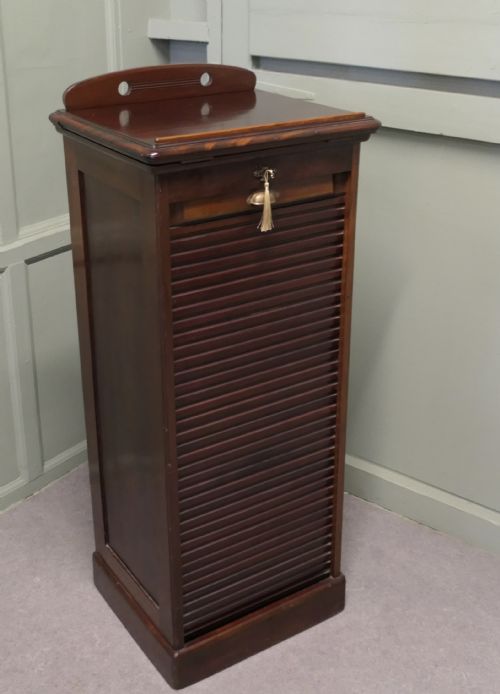


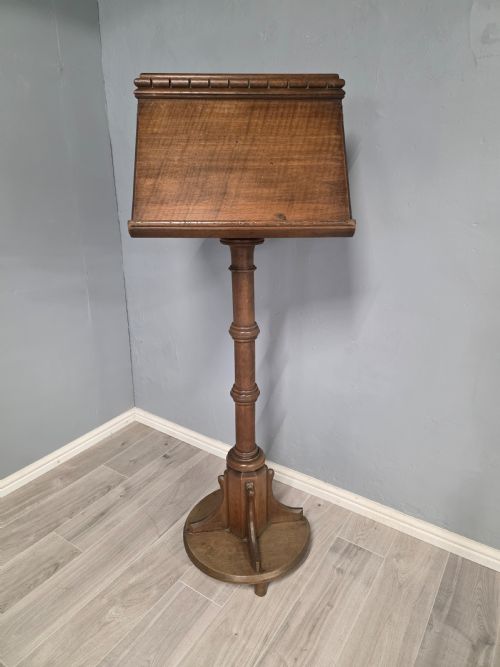


Antique Music Desk
An antique music desk brings together adjustable function and fine timber, offering a dedicated stand for scores, books or folios.
Antique Music Desk
When searching for an antique music desk, buyers encounter forms ranging from freestanding tripod stands and duet music stands to reading tables, lecterns, and multifunctional writing music cabinets. These pieces span the Georgian, Regency, William IV, Victorian, and Edwardian eras, reflecting changing domestic musical habits and library furnishings across the nineteenth and early twentieth centuries.
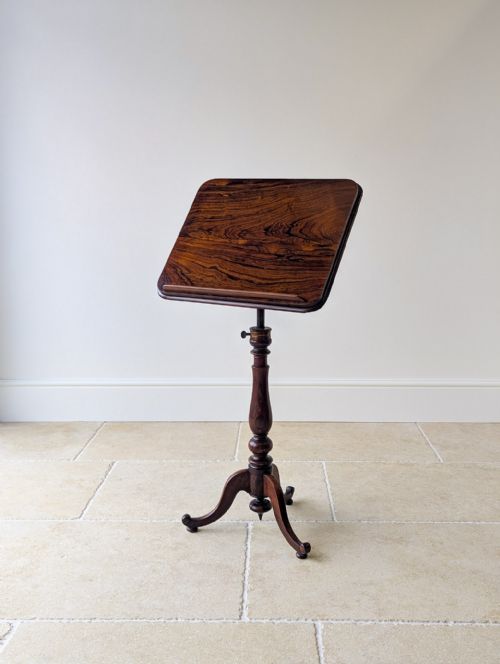
The most common examples on this page are mahogany, rosewood, and walnut music stands or reading tables equipped with adjustable mechanisms. Alongside these dedicated stands appear related forms such as whatnot music stands, ecclesiastical lecterns in oak and pine, and revolving music or dressing chairs.
Origins stretch from formal Georgian and Regency workshops to Victorian commercial production, with occasional pieces showing the distinctive craftsmanship associated with makers like Gillows. Whether designed for a single performer, a duet, or reading alongside a grand piano, each piece serves a precise functional role.
Materials and construction
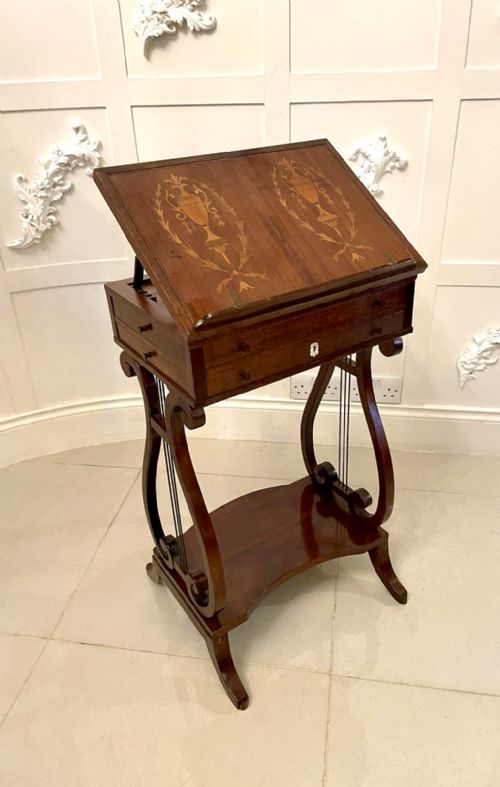
Cabinet makers relied heavily on dense hardwoods such as mahogany, rosewood, and walnut, often utilising figured veneers, marquetry inlay, and satinwood stringing to decorate the surfaces of reading tables and duet stands. Brass fittings, candlesticks, and gilt mounts appear frequently on adjustable stems and pivoting desk ledges.
Functional ingenuity defined the construction, incorporating ratchets, screw-adjustments, and tripod bases to allow height and angle alteration for musicians and readers. Secondary timbers like oak and pine appear in structural elements and less visible parts of lecterns and tables.
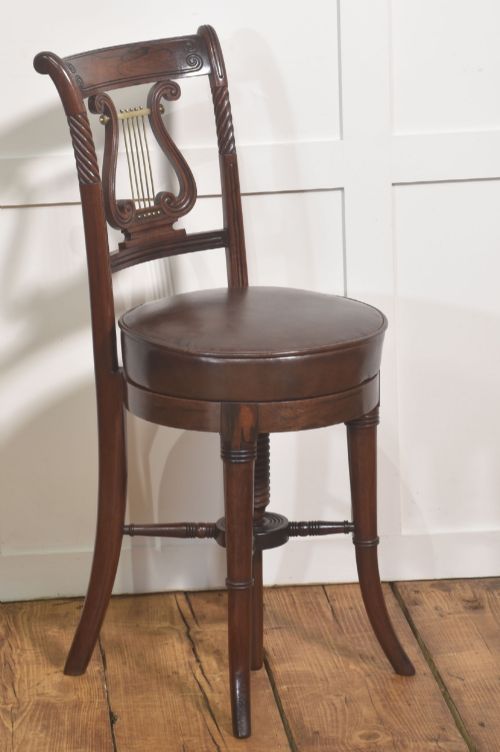
Upholstered seating forms integrate leather, velvet, and green leather inserts into revolving chairs and music stools, matched to the timber frames through turned legs and carved details.
Listings feature pieces spanning the Georgian, Regency, William IV, Victorian, and Edwardian periods, utilising mahogany, rosewood, walnut, oak, and pine.
Evaluating workmanship
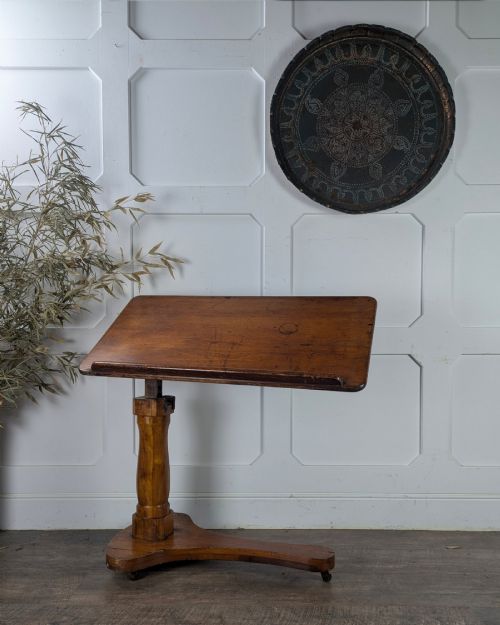
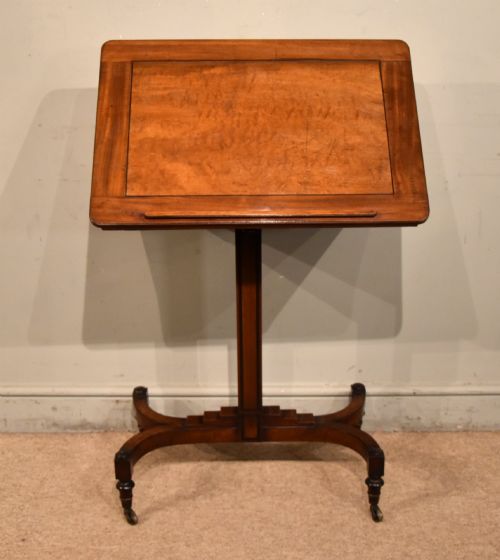
Quality in an antique music desk lies in the precision of its adjustable mechanisms and the integrity of the timber selection. Finer pieces display smooth brass ratchets, robust screw threads, and stable tripod or pedestal bases that support heavy folios without sagging.
Surface execution separates standard production from superior examples, visible in crisp carved fretwork, balanced burr walnut or mahogany veneers, and finely detailed inlay work. The weight and gauge of brass components, alongside the tightness of joinery, mark the distinction between everyday utility and workshop excellence.
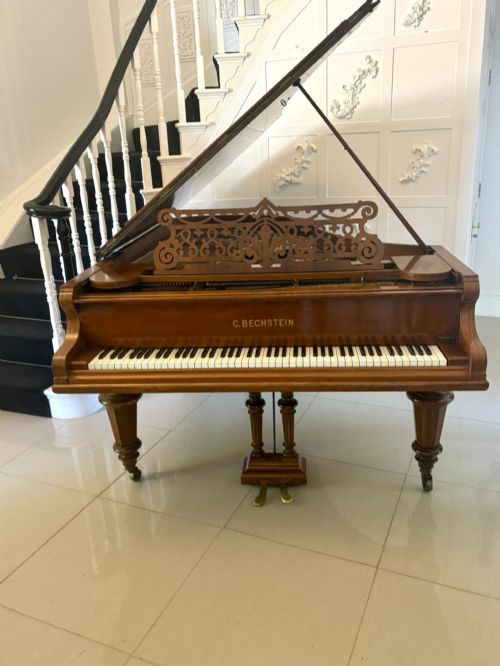
Gillows·C Bechstein
The Antique Music Desk Glossary
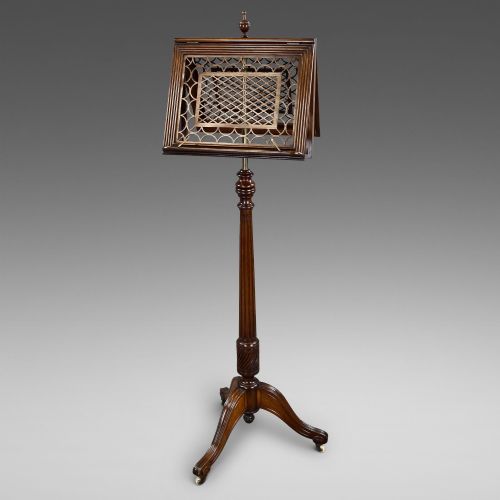
- Duet stand
- A music stand designed to hold two scores side by side, often featuring a wider desk top or double ledges for shared playing. These pieces frequently appear in rosewood or mahogany from the Regency and Victorian periods.
- Lectern
- A tall reading stand or desk with a slanted top designed for holding books or manuscripts in a standing position. Examples in the record range from carved church pieces in oak to inlaid mahogany variations.
- Whatnot
- An open set of multi-tiered shelves used for displaying or storing books and small objects, sometimes combined with a music stand or reading surface. They appear in mahogany and rosewood.
- Tripod base
- A three-legged support structure commonly found on music stands and reading tables to provide stability on uneven floors. These bases often feature turned columns and carved scroll feet.
- Boudoir grand piano
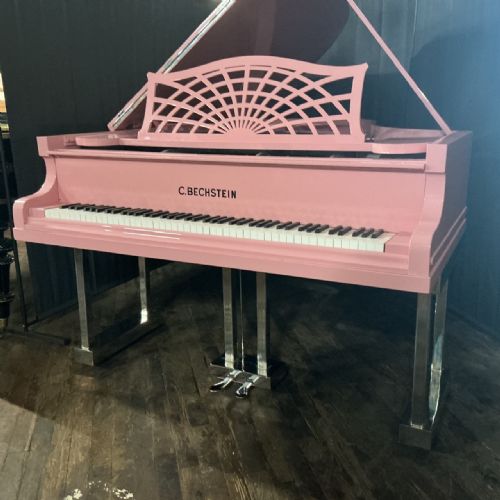
- A shorter version of a grand piano suited for domestic drawing rooms and music rooms. The listings include Victorian examples in rosewood.
Antique Music Desk: Frequently Asked Questions
How do I adjust the height of a music stand?
Most antique music stands utilise a brass thumbscrew, sliding wooden shaft, or internal ratchet mechanism located beneath the desk. Turning or releasing this fixture allows the upper column to rise or descend to the preferred playing level.
Care should be taken to support the weight of the desk while loosening the mechanism to prevent sudden slipping or strain on the timber threads.
Can these stands hold heavy modern books?
The structural strength of these pieces is generally substantial, as they were originally built to support thick leather-bound music folios and heavy choir books. Solid mahogany and rosewood variants handle modern volumes securely.
However, delicate mechanisms on smaller reading tables or lighter Edwardian pieces should be treated with consideration for their age and original intended load.
Where were music stands placed in a Victorian home?
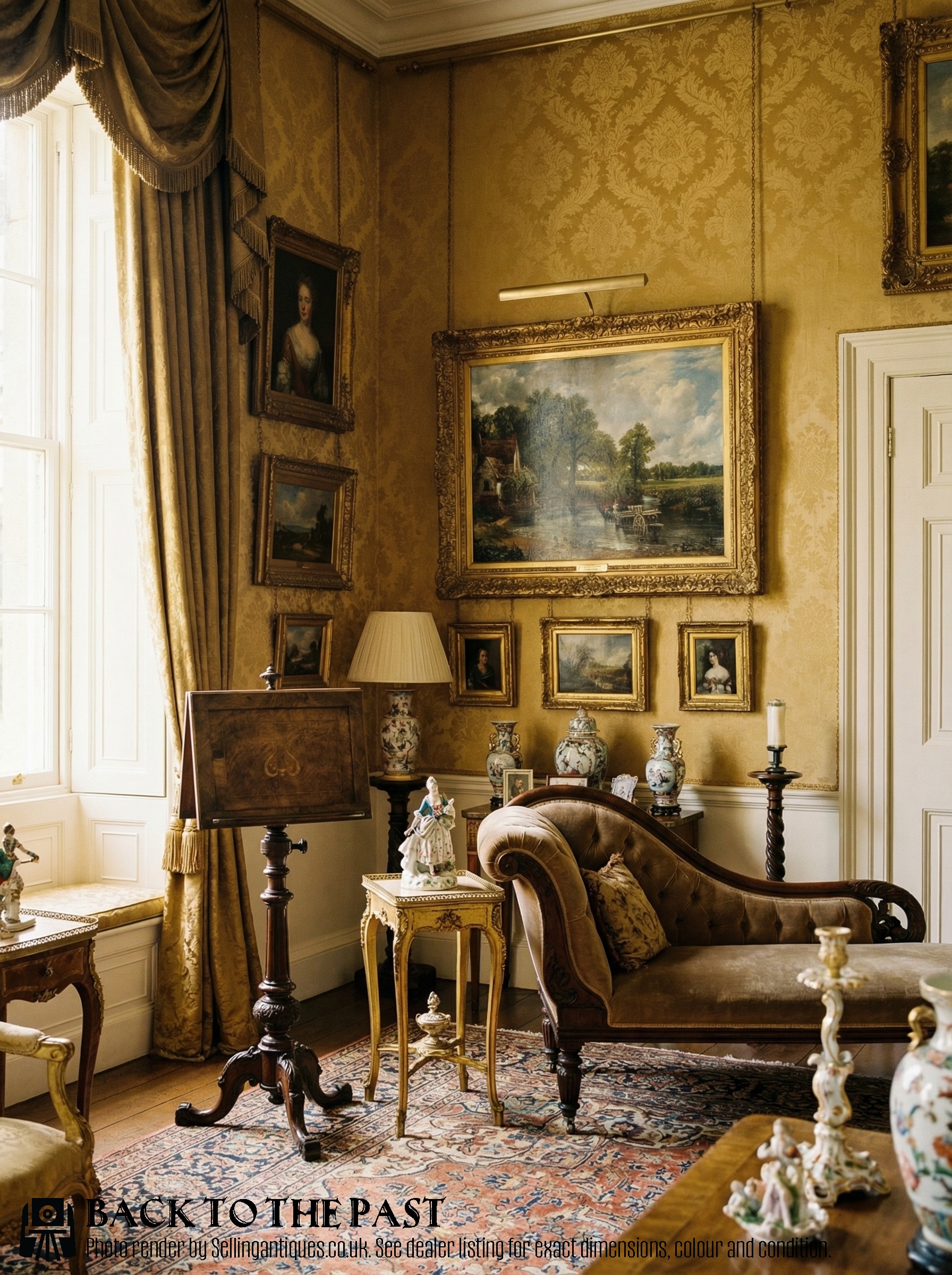
These items occupied drawing rooms, music rooms, and libraries, usually positioned near a piano, window, or armchair. Freestanding tripod models allowed them to be moved easily to catch natural light or accommodate performers.
They served as both functional accessories for evening recitals and decorative furniture elements when not in active use.
How do I distinguish Regency from Victorian examples?
Regency pieces often exhibit cleaner classical lines, brass inlay, reeded columns, and sabre legs reflecting neoclassical taste. Victorian versions tend towards heavier proportions, richer carving, burr walnut veneers, and more ornate Gothic or rococo influences.
Examining the turning styles, secondary woods, and hardware construction provides further clues to the manufacturing decade.