


Antique Moulded Frame
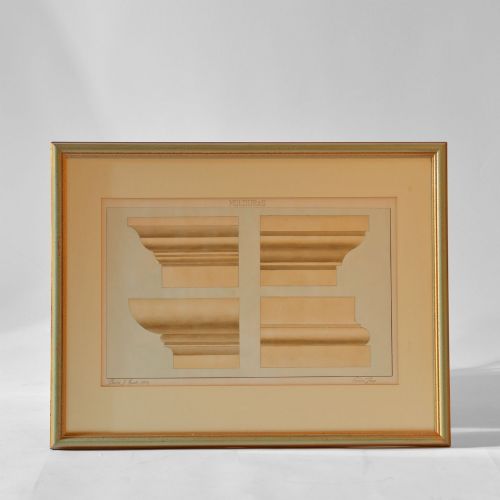
An antique moulded frame brings immediate depth and architectural interest to a wall, enclosing mirrors, paintings, and tiles with period character.
Antique Moulded Frame
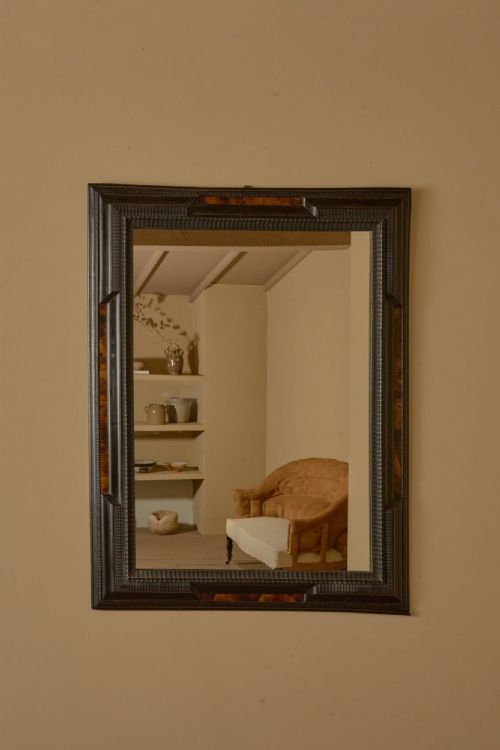
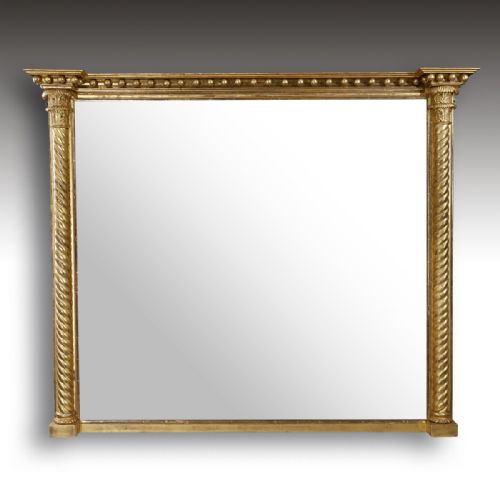
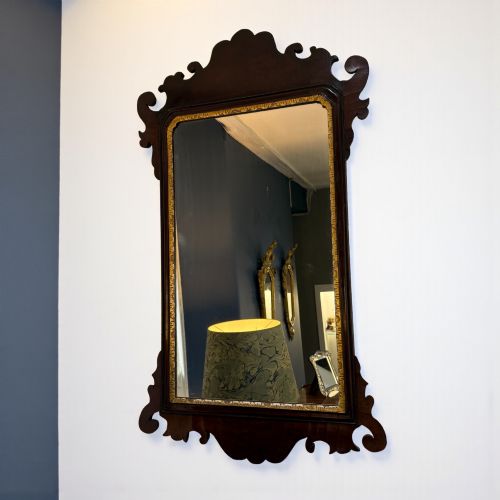
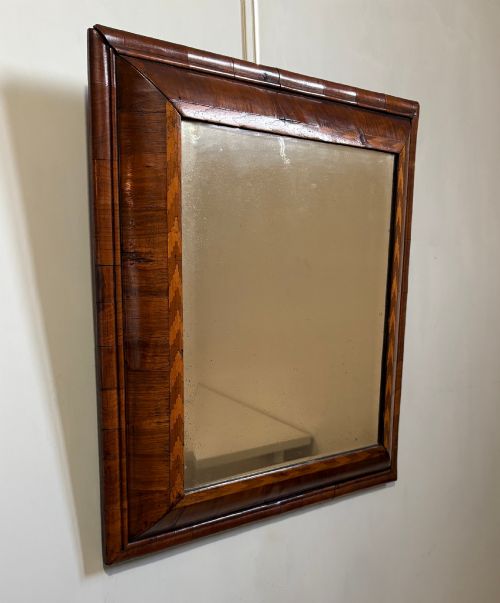
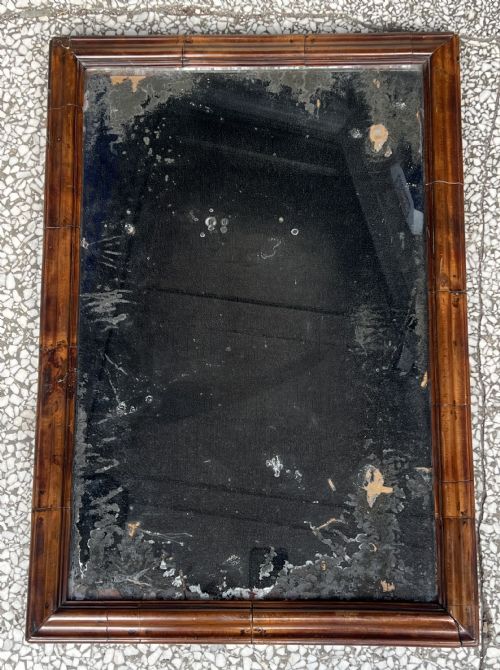
The selection spans from seventeenth-century walnut designs to Edwardian overmantles and Georgian fretwork styles. These pieces function as standalone wall art or architectural furnishings for hallways and principal rooms.
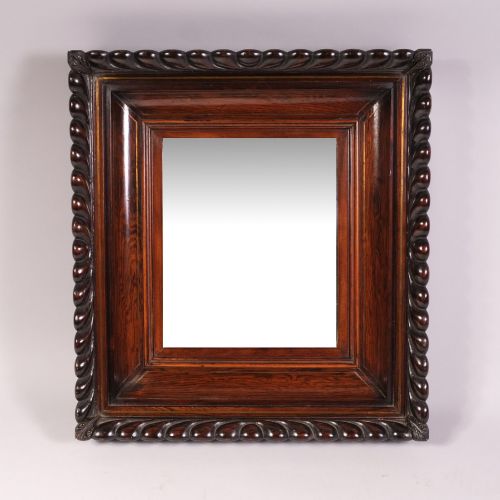
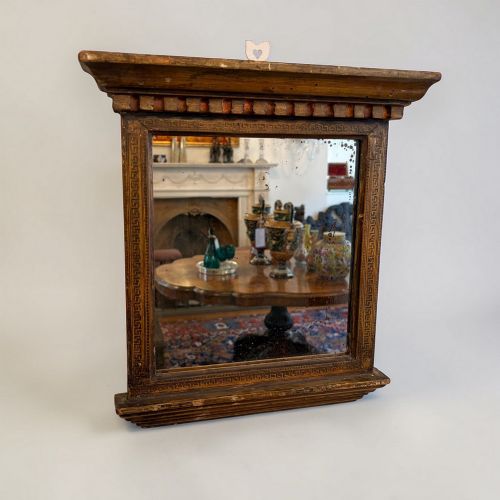
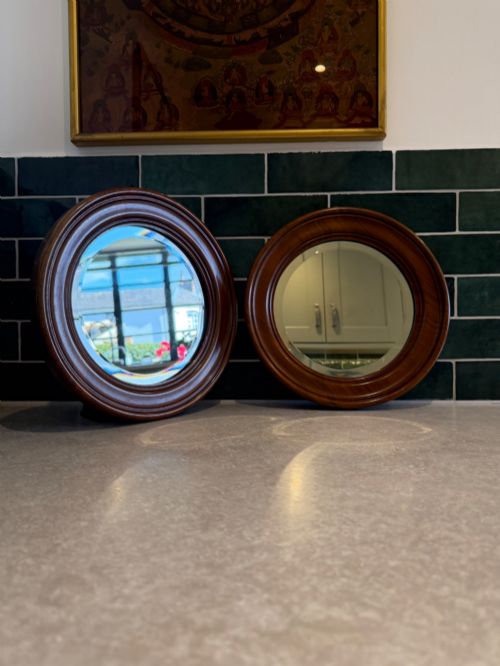
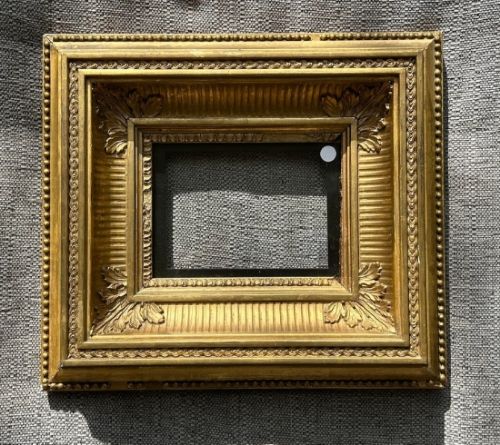
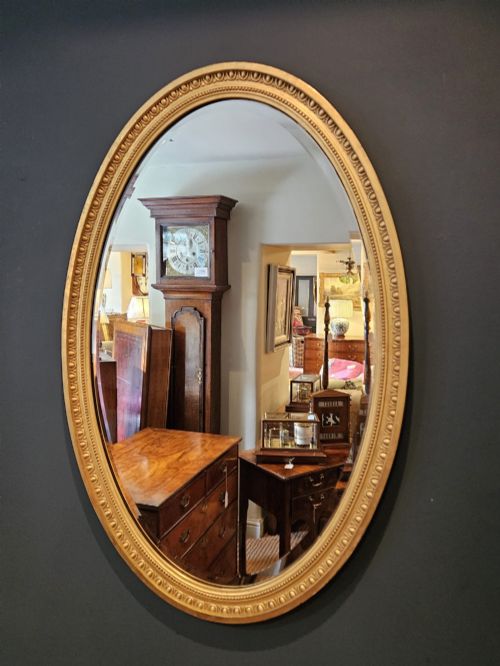
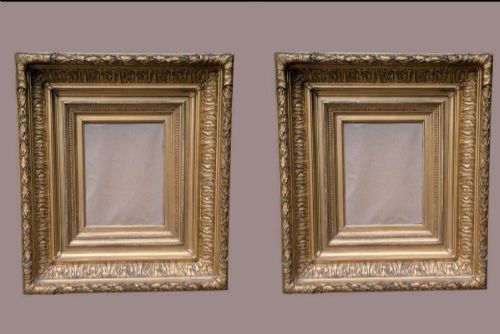
Moulded profiles range from simple round walnut borders to deep fluted hollows and ornate egg and dart beaded mouldings. Each example reflects the decorative tastes of its specific period, from Regency neoclassical restraint to Victorian exuberance.
Materials and construction methods
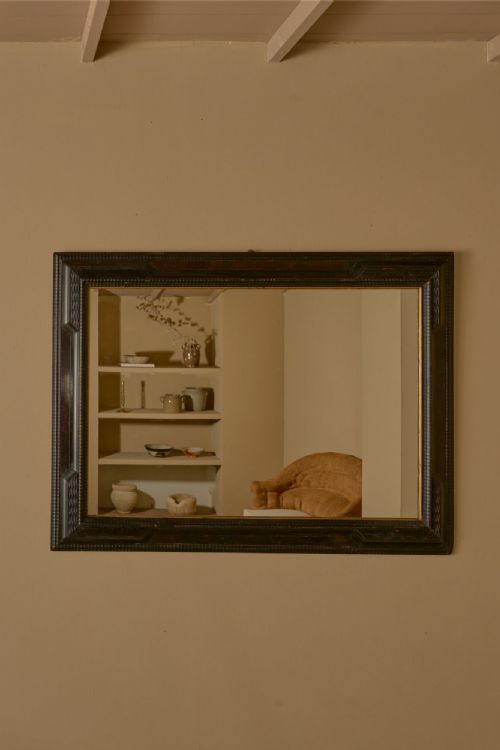
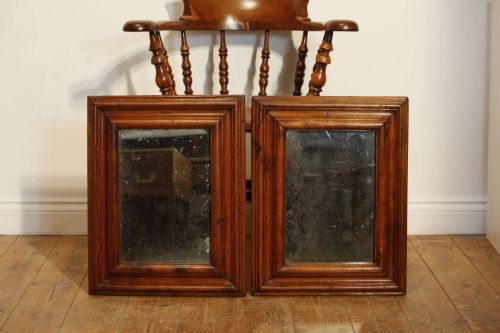
Carved wood provides the structural foundation for many examples, utilising timbers such as mahogany, walnut, maple, and ebonised hardwoods. Artisans shaped these woods into precise profiles before applying decorative finishes.
Gesso and plaster allowed makers to build up complex surface ornamentation, including fluting, beading, and ripple patterns. Gold leaf or gilt paint was then applied over these prepared grounds to create reflective, luminous surfaces.
Antique Moulded Frame Retail Price Guide 2026
Typical asking prices for moulded frame among the pieces listed under this phrase on Sellingantiques today, from the lower quarter to the upper quarter. They describe what is for sale here now, not the wider market.
Listings feature items spanning the seventeenth to the mid-twentieth century, utilising materials from brass and leather to tortoiseshell and walnut.
Factors influencing quality
The crispness and depth of the moulding define the standard of the piece. Sharp, well-defined carving or modelling in the gesso indicates skilled craftsmanship.
The integrity of the original surface finish remains paramount. Retained gold leaf and undisturbed patination on walnut and mahogany distinguish superior specimens from later re-gilded or heavily restored alternatives.
Sherwin and Cotton
The Antique Moulded Frame Glossary
- Gesso
- A plaster-like mixture applied to wood frames to create a smooth surface for gilding. It is carved or moulded to form raised decorative details.
- Giltwood
- Timber that has been coated with gold leaf. This material creates a rich, reflective surface popular in formal mirrors and picture frames.
- Egg and dart
- An ornamental moulding pattern consisting of alternating egg-shaped shapes and arrow-like darts. It appears frequently on classical architectural framing.
- Verre eglomise
- A technique where design and gilding are applied to the reverse side of glass. It is often seen in the upper panels of Regency mirrors.
- Fretwork
- Thin wood ornamentation cut into decorative patterns using a fretsaw. This technique characterises Georgian wall mirrors.
Antique Moulded Frame: Frequently Asked Questions
How do I hang a heavy antique moulded frame safely?
Heavy frames require secure wall anchors and appropriate picture wire or mirror brackets attached directly to the wooden structure rather than the backing.
Professional mirror plates screwed into wall studs provide the necessary support for large overmantle and giltwood pieces.
Can I place a gilt mirror in a bathroom?
High humidity and steam can damage antique gesso, gold leaf, and mirror silvering over time. It is best to avoid rooms with excessive moisture.
Dry hallways, drawing rooms, and bedrooms offer more stable environments for preserving nineteenth-century gilt surfaces.
How do I clean an antique giltwood frame?
Dust the moulded surface gently with a soft, dry brush to remove particles without disturbing delicate gesso. Avoid water and chemical cleaners completely.
Moisture can strip original gold leaf and soften historical plaster composition, leading to permanent surface loss.
What is the difference between an overmantle and a wall mirror?
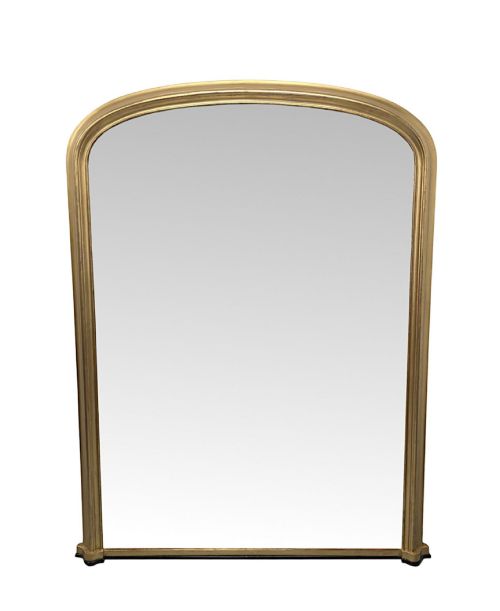
Overmantle mirrors were specifically designed to hang above fireplace mantels, featuring grander proportions and arched or rectangular formats tailored to domestic interiors.
Standard wall mirrors served general decorative purposes across hallways and principal rooms without the specific architectural context of a fireplace.