


Antique Monochrome Art
Antique monochrome art gathers centuries of printed and drawn works executed in single-colour tones on paper.
Antique Monochrome Art
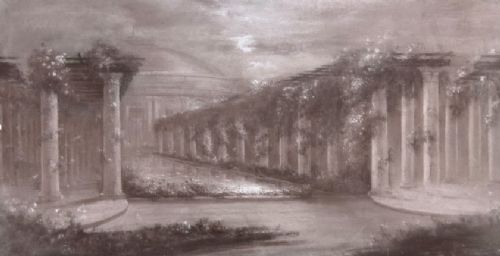
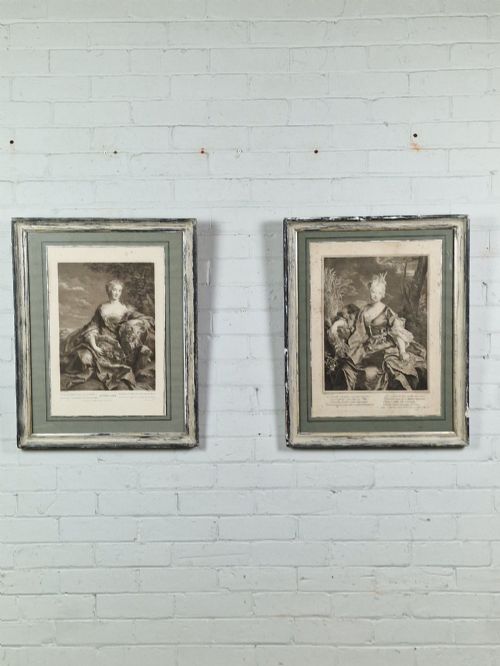
When seeking antique monochrome art, buyers encounter a rich variety of printed and drawn works spanning from the seventeenth century through the early twentieth century. The selection ranges widely from detailed architectural plates and botanical subjects to elaborate portraiture and historical scenes.
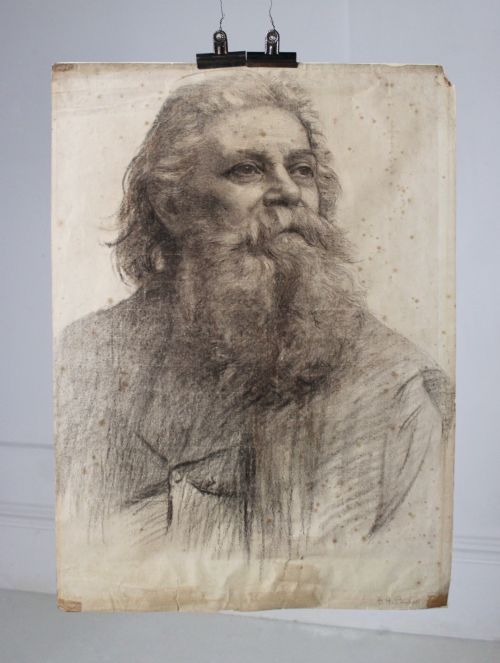
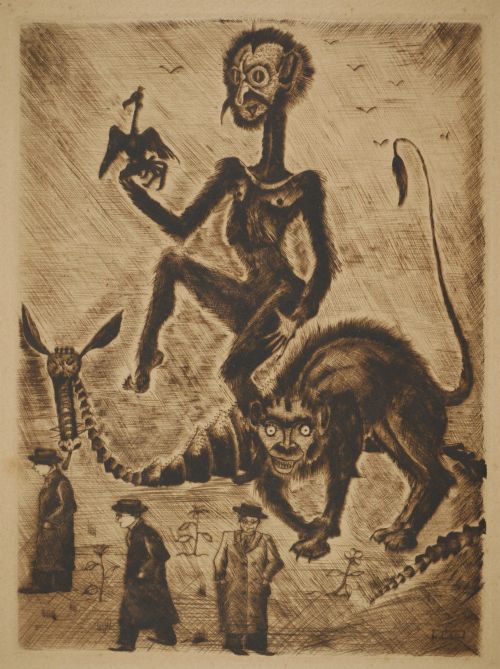
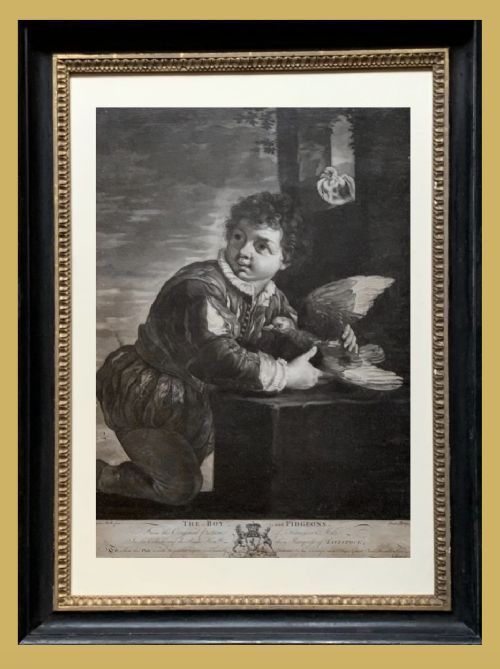
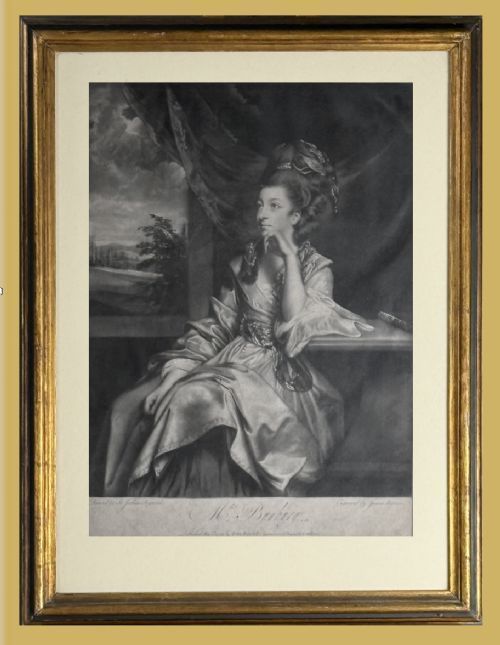
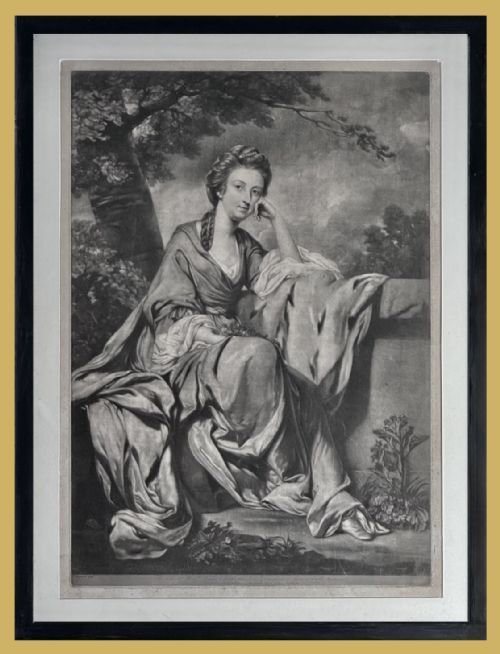
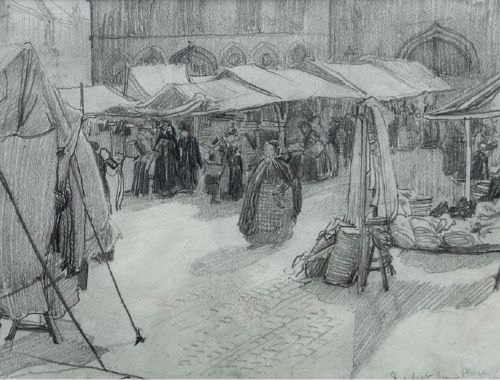
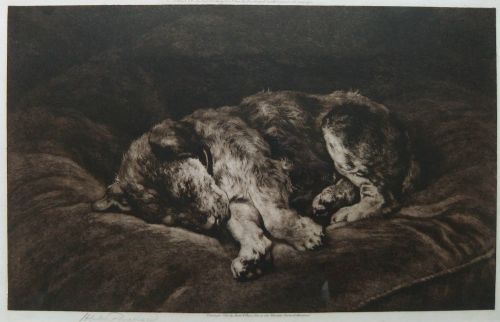
Mezzotints and engravings dominate the visual landscape of these listings, alongside original pencil drawings, etchings, and charcoal sketches. Subjects extend from noble sitters and mythological figures to atmospheric urban landscapes and classical antiquity.
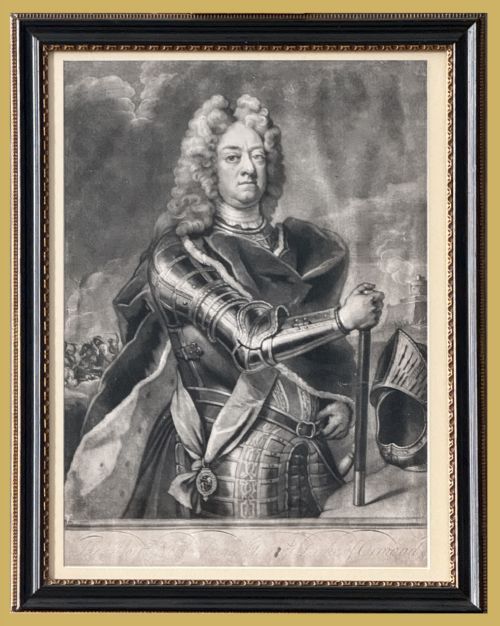
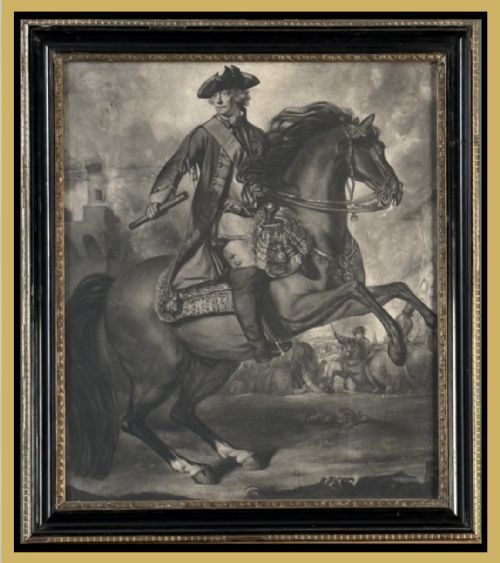
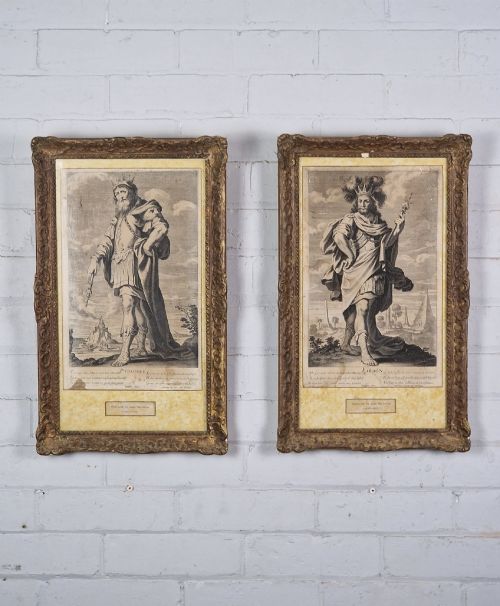
French engravings and British mezzotints form a substantial portion of the available material, reflecting traditional printmaking methods of past centuries. Many items arrive housed in period frames of wood and gilt, preserving their historic character.
Materials and Technique
Makers utilised high-grade paper as the primary support for these works, applying black or sepia ink, graphite, charcoal, and drypoint pigments by hand or through mechanical printing presses. Copper plates formed the basis for detailed engravings and mezzotints, where artists incised or roughened the metal surface to hold ink and transfer rich tones.
Framing materials typically included carved wood, gilt elements, and protective glass layers, safeguarding delicate paper sheets from environmental damage. Gold leaf accents frequently highlighted decorative mouldings on eighteenth and nineteenth century frames.
Some seventeenth-century portraits quietly observe modern rooms while holding onto centuries of aristocratic gossip.
Assessing Quality
The distinction between ordinary and exceptional pieces rests upon the crispness of the impression and the subtlety of tonal gradation. Early strikes from copper plates yield deep, velvety blacks and sharp lines, whereas worn plates produce muddy or faint impressions.
The skill of the original artist and the printmaker dictates the artistic merit of each work, particularly in portraiture and narrative scenes. Provenance, contemporary hand-colouring details, and the preservation of original margins further elevate a piece within its category.
John Simon·Edward Fisher·John Smith·James Watson·Herbert Dicksee
The Antique Monochrome Art Glossary
- Mezzotint
- A printmaking process where the copper plate is roughened evenly to produce rich dark tones and smooth gradations of light. This technique allowed printmakers to replicate oil paintings with remarkable fidelity.
- Engraving
- A method of cutting design lines directly into a metal plate using a sharp tool called a burin. The resulting incisions hold ink to produce precise, permanent lines on paper.
- Drypoint
- An intaglio printmaking technique where an image is scratched directly onto a metal plate with a hard needle. This creates a raised ridge of metal called burr, which yields velvety lines when inked.
- Etching
- A process where acid is applied to bite lines into a metal plate protected by a resistant ground. Artists draw freely through the ground to expose the metal before the acid bath.
- Gilt Wood
- Timber decorated with a thin layer of gold leaf or gold paint. This finish was commonly applied to ornate picture frames during the Georgian and Victorian eras.
Antique Monochrome Art: Frequently Asked Questions
What is a mezzotint?
A mezzotint is an intaglio printmaking process that achieves rich tonal variations rather than simple line work. Artists roughen the copper plate to create deep blacks and smooth gradations of light.
This method became exceptionally popular in Britain during the eighteenth century for reproducing famous oil paintings of nobility and public figures.
How should I display antique paper art?
Antique works on paper require careful placement away from direct sunlight to prevent the ink and paper from fading. Acid-free mounting and framing under protective glass ensure the piece remains stable over decades.
Maintaining a stable room temperature prevents moisture accumulation and warping within the frame.
How do I identify the period of an engraving?
Dating often relies on the paper characteristics, plate marks, typographic style of inscriptions, and historical dress of the sitters. Examining the printing technique alongside known working dates of the engraver and publisher provides a reliable timeline.
Many prints include publication dates directly beneath the image area.
Are these works original or reproductions?
The listings comprise original period prints, etchings, and drawings created during the stated centuries rather than modern digital reproductions. Each piece was pulled from its respective plate or drawn by hand during its historical era.
Inspect the paper texture and ink quality under magnification to observe the characteristic impression of a genuine historic print.