
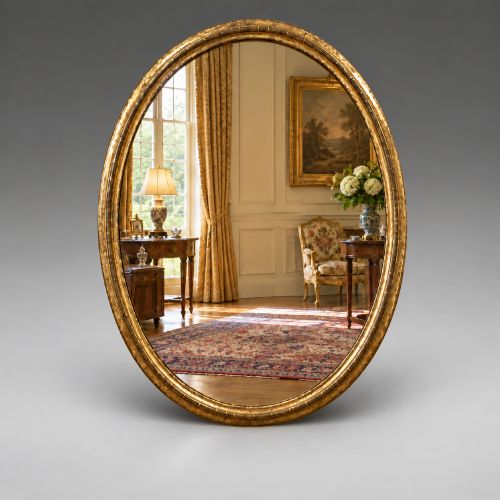
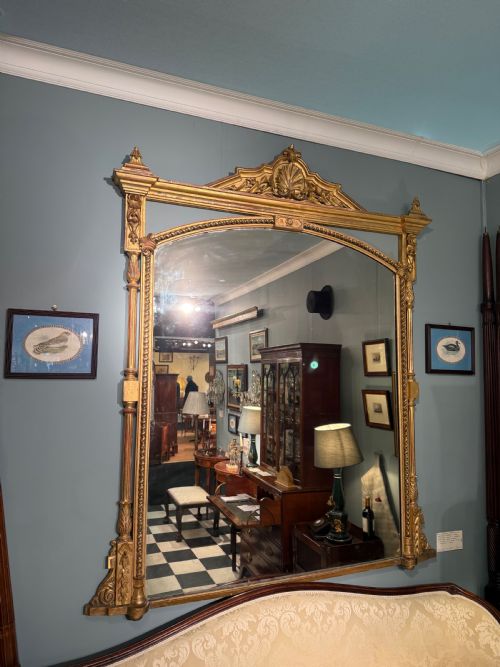
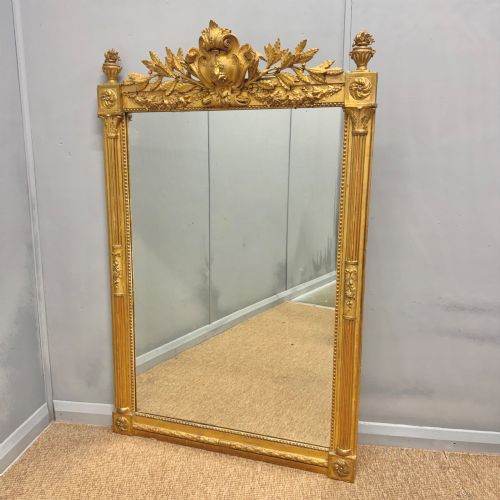
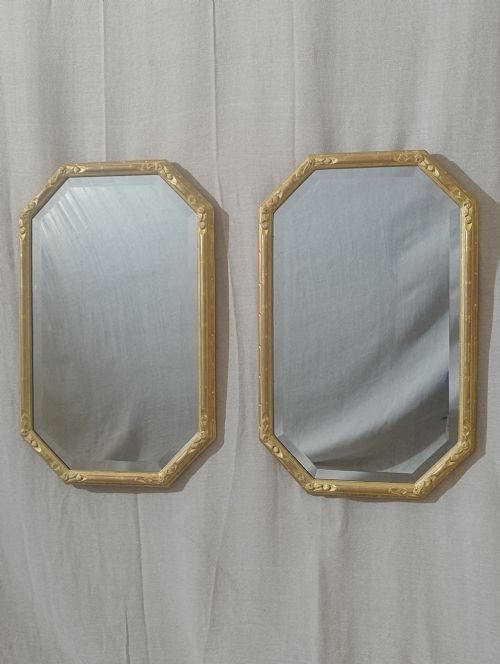
Antique Mirrored Frame Mirror
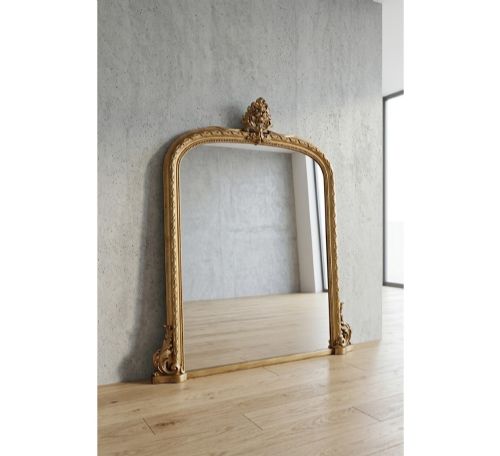
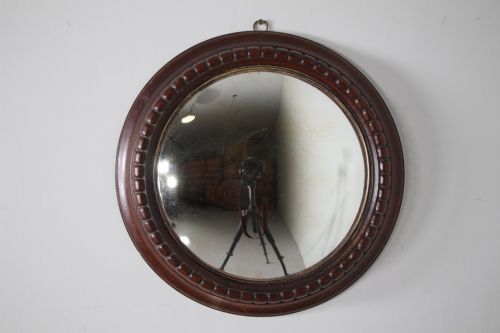
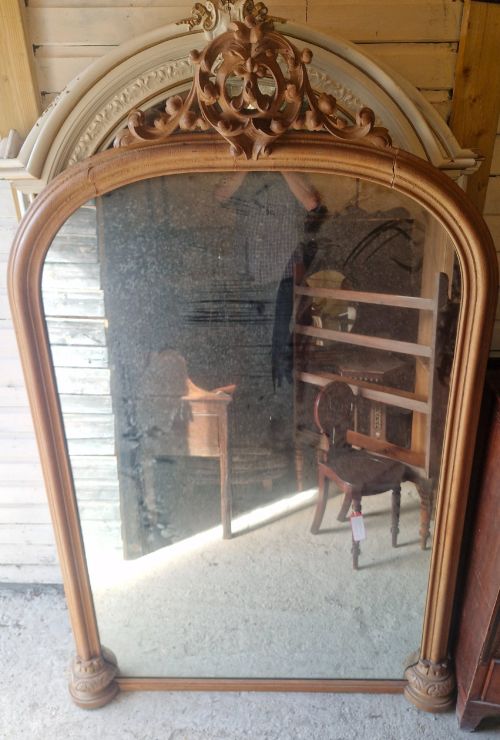
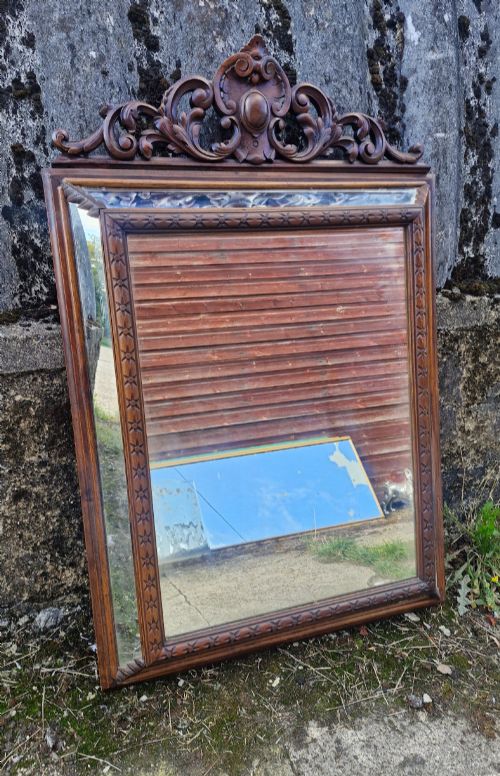
These antique mirrored frame mirror pieces bring depth and reflected light to a room, spanning wall, overmantel, and dressing forms.
Antique Mirrored Frame Mirror
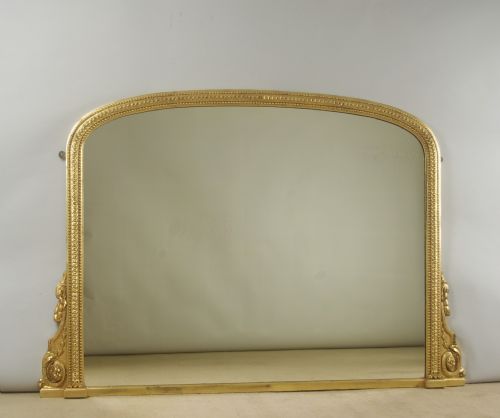
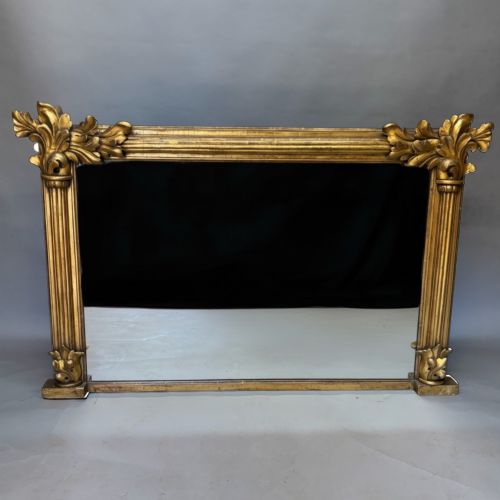
When searching for an antique mirrored frame mirror, a buyer encounters wall mirrors, overmantels, and dressing table swing mirrors spanning the eighteenth, nineteenth, and early twentieth centuries. These pieces appear in forms ranging from compact Victorian pier glasses to large arched overmantel mirrors designed for chimney breasts.
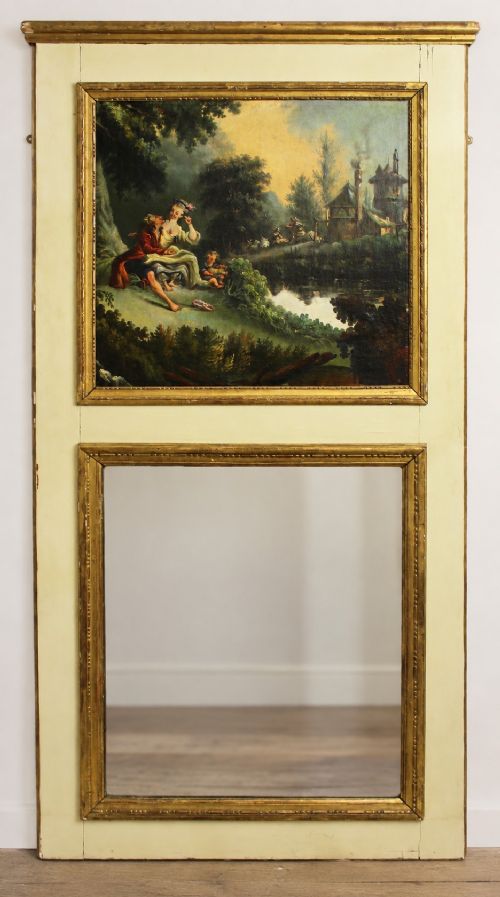
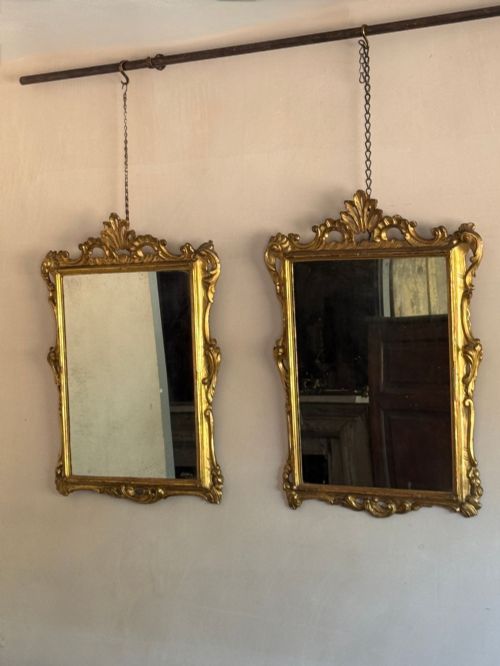
The selection includes regional styles such as French trumeau panels featuring oil paintings, Italian Florentine carved giltwood frames, and classic English mahogany fretwork mirrors from the Georgian period. Most items meet on this page from the nineteenth century, including Victorian and Regency designs alongside early twentieth-century examples.
Makers and workshops utilised various domestic and imported timbers, while incorporating decorative elements like floral paintings, carved ribbons, and rope twists. Each form served a distinct domestic purpose, from checking attire at a dressing table to reflecting light across a grand country house drawing room.
Materials and construction
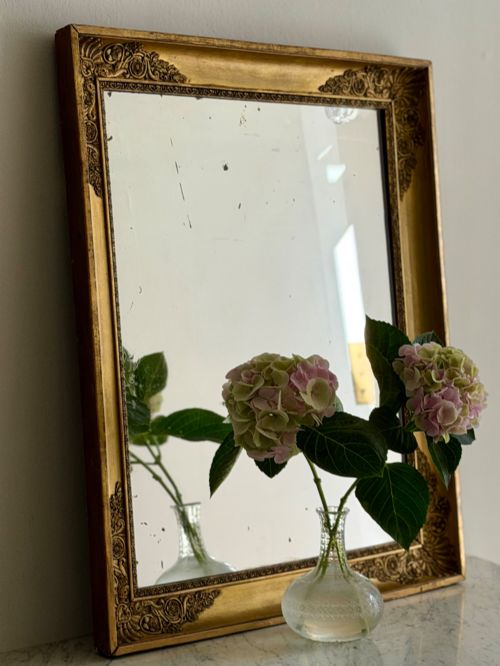
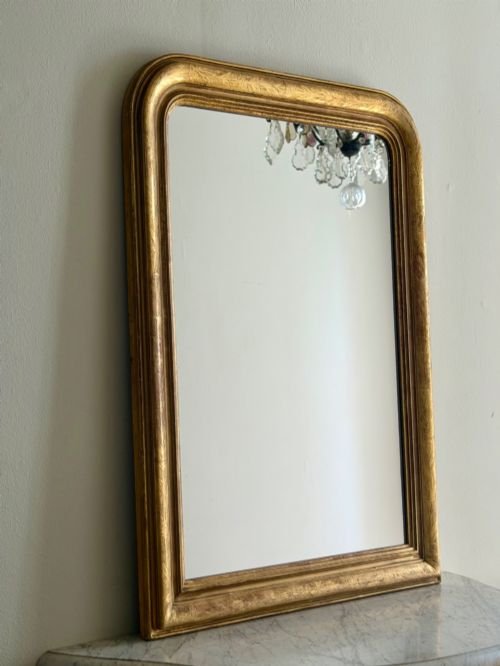
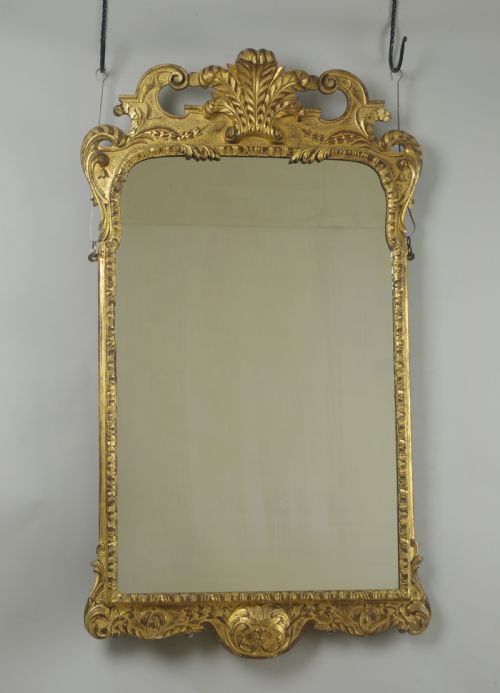
Makers constructed frames from solid timbers such as oak, mahogany, walnut, and maple, often applying gesso over carved wood to receive layers of gold leaf or paint. Giltwood and parcel gilt finishes required skilled application of gold leaf to prepared surfaces, creating the reflective metallic sheen seen on Regency and Florentine pieces.
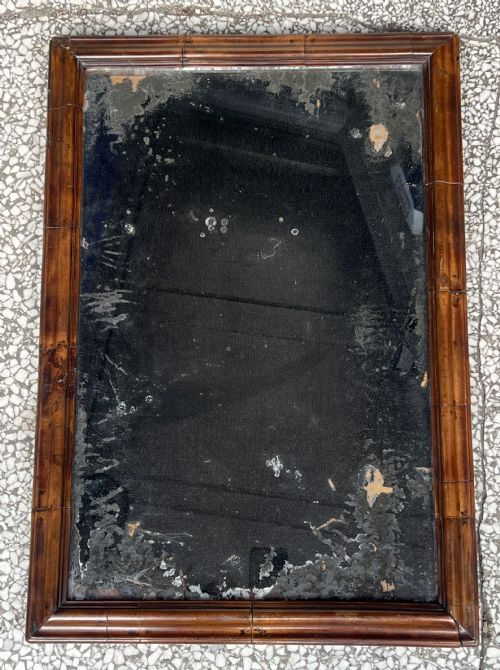
Mirror glass plates varied by period, with older examples utilising mercury glass and later pieces incorporating bevelled plate edges. Joinery methods included traditional frame assembly, fretwork cutting, and detailed hand-carving for motifs such as mythological scenes, foliage, and crests.
Listings feature eighteenth, nineteenth, and early twentieth-century pieces, including Victorian, Regency, and Georgian periods.
Distinguishing quality
Quality rests in the crispness of the hand-carving and the depth of the gilding on the wooden frame. Pieces from top workshops display sharp relief in carved gesso foliage, rope twists, and crests, whereas simpler items show softer moulding and flatter surface detail.
The preservation of the original mirror plate and the integrity of the timber frame distinguish superior examples. Heavy framing, substantial timber selection, and well-executed secondary details like oil paintings in trumeau panels indicate higher craftsmanship.
Waring and Gillow
The Antique Mirrored Frame Mirror Glossary
- Giltwood
- Wood carved and coated with gold leaf or gold paint. This finish defines many decorative frames from the Regency and Victorian periods.
- Gesso
- A plaster mix applied to wood frames to create a smooth surface for gilding and carving. It allows crisp relief work on ornate mouldings.
- Trumeau
- A decorative wall mirror combined with an upper panel containing an oil painting or carving. These French pieces often hung above mantelpieces.
- Pier glass
- A tall mirror designed to hang on the wall space between windows. They frequently appeared in pairs within nineteenth-century reception rooms.
- Fret mirror
- A wall mirror featuring a flat wooden frame cut with fretwork patterns. Georgian mahogany examples often used this lighter openwork style.
Antique Mirrored Frame Mirror: Frequently Asked Questions
Where should I hang an overmantel mirror?
Overmantel mirrors traditionally sit directly above a fireplace mantelpiece to reflect light and anchor the central wall of a room.
Their wide proportions suit substantial wall spaces, pairing well with period interiors and high ceilings.
How do I identify a Georgian mahogany mirror?
Georgian mahogany mirrors typically feature fretwork frames, rich timber grain, and symmetrical scroll or crest details.
These pieces often take the form of swing dressing mirrors or wall-hanging fret mirrors from the eighteenth century.
What is a trumeau mirror used for?
Trumeau mirrors combine a lower mirror plate with an upper decorative oil painting or carved panel.
Originating in France, they served as integrated wall decoration in formal rooms, drawing the eye upward with pictorial art.
How do I care for antique giltwood frames?
Dust giltwood frames gently with a dry, soft brush to protect the delicate gold leaf and gesso layers from damage.
Avoid liquid cleaners and moisture, as water can lift the historical gilding from the carved wooden base.